Technology & Trends - Variable Refrigerant Flow Systems (VRF or VRV)

As builders and contractors strive to meet ever-higher energy efficiency standards, airtight construction has become the new norm. While tighter envelopes cut energy waste, they also reduce outdoor airflow, creating new challenges for indoor air quality (IAQ) and occupant comfort. In response, Energy Recovery Ventilators (ERVs) have quickly moved to the forefront as an essential solution. Industry professionals often underestimate the capabilities and advancements of today’s ERV systems,...

As utility prices climb and extreme weather becomes more common, homeowners are increasingly looking for ways to improve comfort without breaking the bank. One solution that’s gaining traction is the all-electric, all-climate heat pump. As a fourth-generation HVAC contractor, I’ve seen firsthand how high-performing all-climate heat pumps provide efficient, year-round home comfort and financial savings. These systems are the new standard for the HVAC industry, and here’s why....

As HVAC professionals know, the heating and cooling industry is undergoing a transition from refrigerants like R-410A to low global warming potential (GWP), or A2L, refrigerants such as R-454B. When preparing customers for the changes that the refrigerant shift brings, contractors can stay ahead of the learning curve by investing in staff training, purchasing necessary new tools for their HVAC technicians, and educating their residential and commercial customers about the impacts. As the indus...

The data center market has shown robust growth over the past five years, with significant increases in capacity and electricity usage. According to the International Energy Agency (IEA), global data center electricity consumption was approximately 460 TWh in 2022, and it is projected to rise to over 1,000 TWh by 2026. This growth is driven by the increasing demand for digital services and the expansion of artificial intelligence (AI) workloads. In 2025, the total capacity demand for data center...

Heating, ventilation, and air conditioning (HVAC) systems aren’t just essential to controlling temperatures and air quality inside buildings — they could contribute towards massive global savings. An ‘Efficient cooling scenario’ proposed by the International Energy Agency (IEA) suggests that doubling the energy efficiency of air conditioning could reduce investment and running costs in these systems by nearly $3 trillion by 2050. Here, Chris Johnson, Managing Direct...

Meeting a project’s overarching design goals is vital in the building and construction sector. Creating a sustainable building could be one of these goals — driven by company commitments, federal policies, and state-based initiatives. However, the priorities of minimizing capital and long-term operating costs and maintaining project timelines often prevail. Frequently, the perception in the industry is that these priorities — especially cost — are incompatible with...

The HVAC industry stands at a critical juncture, facing substantial regulatory pressures aimed at reducing its environmental impact through the phased elimination of high Global Warming Potential (GWP) refrigerants. Driven by international agreements and local environmental guidelines, manufacturers, suppliers, and service providers are swiftly transitioning towards more sustainable alternatives. This shift is fundamentally reshaping compressor technologies, retrofitting procedures, and lifecyc...

As demand continues to grow for sustainable, energy-efficient solutions in refrigeration and heating, both Europe and North America are navigating a rapid transition toward natural refrigerants. There is a strong demand for new CO2 systems, including heat pumps and various other applications. Higher capacity compressors with larger operating envelope, such as Danfoss’ Bock HGX56 CO2 T series, will play a critical role in supporting this growing need. Air to water heat pumps As shown in...

Although energy efficiency continues to be a focus of home renovation, HVAC professionals are sometimes hesitant to work on older homes. The potential costs and complexities of replacing outdated HVAC systems or installing a solution where one doesn’t exist can make them nervous. However, installing all-electric, all-climate heat pumps in homes built decades ago, even a century ago, is an everyday occurrence in the northeastern U.S. Heating and cooling systems A sizable portion of Jay...

Training has always been important in the heating sector, not least of all because of the dangers associated with working with gas, the traditionally dominant heating fuel in the UK. With the changes that are occurring across the heating industry, primarily the move towards decarbonization, manifesting in a transition to heat pumps, training is more important than ever. Principles of heat pump technology Training could take the form of a CPD on understanding the guides of heat pump technolog...

The HVAC/R industry is in the process of a major shift as A2L refrigerants become the standard in residential and commercial system HVAC. This change is being propelled by stricter environmental policy and advancements in refrigeration technology. However, the transition is not without its hurdles, posing new considerations for system owners, technicians, and equipment manufacturers. Favor of GWP alternatives The Environmental Protection Agency (EPA) has established clear guidelines to phase...
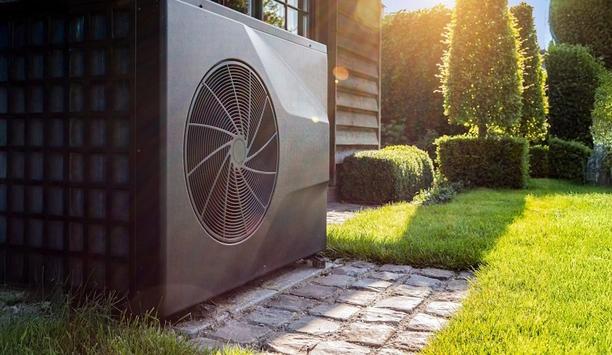
“If you don’t like the weather in New England, just wait a few minutes.” To this day, Mark Twain’s quote is used to describe quickly changing weather conditions in regions throughout the United States, United Kingdom, and elsewhere. However, in contrast to the weather, the climate change being experienced globally is creating nontraditional conditions that are much more permanent. Consequently, HVACR systems are being subjected to a new set of conditions that, if not ad...

It’s often said the only constant in life is change. In the HVACR industry, that phrase has been especially true. We saw another year of transitions in 2024 that included evolving efficiency and refrigerant regulations, changing corporate net zero targets, the continued emergence of advanced heat pumps, and the impact of artificial intelligence (AI) in building management. Smart and sustainable Throughout these transformations, the industry continues to overcome challenges and in...
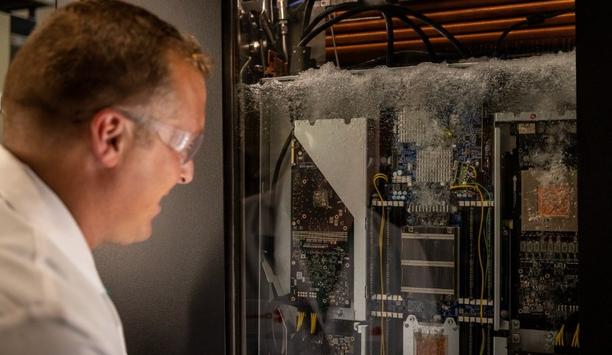
Data centers worldwide are under intense pressure. High-powered computing is a global necessity that seemingly gets more demanding by the day. There’s also the need to prioritize sustainability improvements ranging from resource conservation to decarbonization. And data centers must consider their bottom line and remain competitive. Anticipating the challenges data centers will continue to face, scientists and engineers have innovated two-phase (2-PIC) immersion cooling. With the capacit...

Until a couple of years ago, most of the talk about heat pumps occurred around this time of year, when more than half the planet prepares for an autumn cooldown. These discussions were typically limited to regions that only experienced moderate winters. But as anyone who has recently perused an HVACR trade magazine or website—or participated in an industry webinar, event, or social media conversation—can tell you, the topic of heat pumps is virtually unavoidable. Not only do heat p...

By now, the HVAC industry is well versed in, and operating successfully with, various HFC refrigerant production and consumption reduction schedules put forth by regulatory bodies. Under the EPA American Innovation and Manufacturing (AIM) Act, for example, the U.S. experienced a significant reduction (another 30%) in January 2024, advancing the goal of an 85% HFC phasedown from historic baseline levels by 2036. And the EU is working toward its stated objective of an HFC phaseout by 2050. tech...

Automotive HVAC is a heating, ventilation, and air conditioning system installed in automobiles, such as passenger cars, pickup trucks, and heavy-duty trucks. Like other air conditioning systems, automotive HVAC cools the air by transforming the refrigerant into a liquid or gas. The heating process, on the other hand, is characteristic of automotive HVAC as it uses the heat created by the engine. HVAC systems in the automotive The adoption of heating, ventilation, and air conditi...

The HVAC market is forecasted to grow at a projected compound annual growth rate (CAGR) of 3.9%, with a prediction to reach $370 billion by 2030. But in reality, the HVAC and plumbing industry is changing rapidly, with operators facing new challenges like never before. Whether it’s rising costs, the uncertain economy, increasing competition, or the workforce shortage, there’s no doubt the HVAC and plumbing market is evolving. So how do you adapt? That’s the key question. My t...
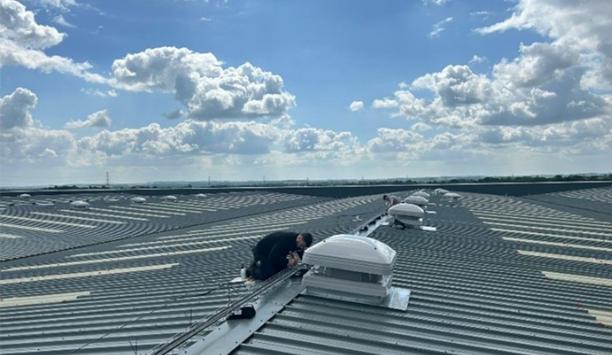
How can UK businesses effectively tackle the challenge of cooling commercial and industrial buildings? Cooling commercial and industrial buildings can be a challenge for UK businesses. In recent years, the spiraling energy costs have put pressure on businesses with regard to finding new and innovative ways to achieve the same result with less capital outlay and less maintenance. New system installs have sometimes been put on hold and maintenance schedules squeezed, leaving many businesses with...

From temperate climates that reach mid-90 F in June and mild winters allowing people to be outdoors without jackets to the “May flowers” that bloom in early March, it’s evident that society is experiencing World Refrigeration Day’s 2024 theme: “Temperature matters.” In addition to driving climate change, global warming is driving changes in how people live and how industries adapt and innovate to support new dynamics. This is especially true for the HVACR Indu...

Advanced heating, ventilation, air-conditioning, and refrigeration (HVACR) systems have always been essential to healthcare. However, the need for clean, fresh air at the right temperature and humidity within clinical settings has never been made clearer during the COVID-19 pandemic. It illustrated the importance of effective HVACR systems in healthcare due to their ability to improve air quality, patient outcomes, and infection control measures. The need for change Many current...
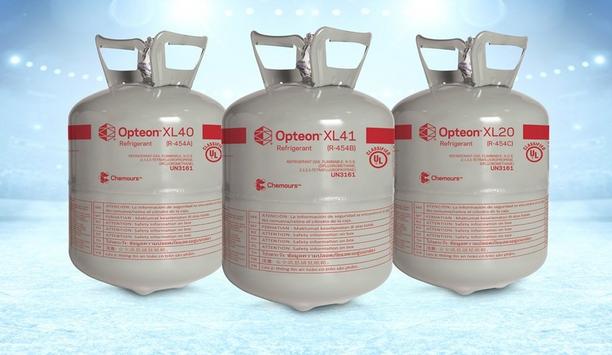
By now, most of the HVACR industry is familiar with the HFC phasedown portion of the U.S. EPA American Innovation and Manufacturing (AIM) Act that was signed in 2020 and finalized in 2021. The first phasedowns started Jan. 1, 2020, with a 10% reduction in HFC refrigerant production, importation, and consumption, and was followed by an additional 30% reduction that began Jan. 1, 2024. As these regulations work to achieve a total 85% HFC phasedown from historic baseline levels by 2036, Tech...

Refrigerant transitions are imperative to comply with evolving emissions regulations and decarbonization agendas. The dynamic landscape necessitates continual adaptation to meet current requirements, with further changes anticipated. However, switching refrigerants poses numerous HVAC/R system design hurdles, affecting system performance and component selection. Energy efficiency standards Energy efficiency standards are a paramount concern, driving innovation towards systems that perform we...

I remember Dr. Dave Bowman from Kubrick's "2001: A Space Odyssey" commanding HAL 9000 to open the pod bay doors, and HAL chillingly responds, "I'm sorry, Dave. I'm afraid I can't do that." Fortunately, unlike the fictional HAL," ChatGPT and other GenAI tools remain compliant and helpful, far from refusing commands or leaving us stranded in space. In the rapidly evolving landscape of technology, artificial intelligence (AI) should play a pivotal role in transforming various aspects of our dai...
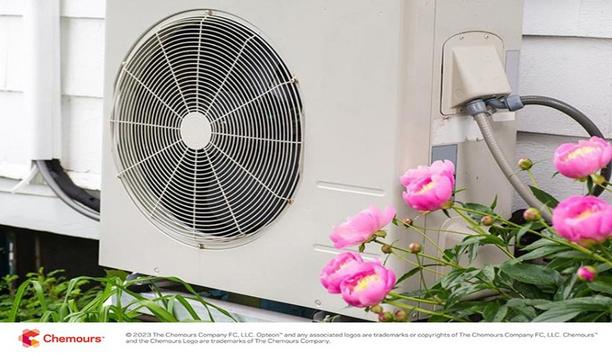
Hydrofluoroolefin (HFO) and so-called “natural” refrigerants have coexisted for more than two decades, with each serving the specific needs of the HVACR industry. However, over the past several years, the proverbial aisle has formed, with pro-HFO voices on one side and “natural” advocates on the other. EU F-gas regulations The debate is getting more “ink” these days, partly due to advances in proposed EU F-gas regulations as well as the acceleration of glo...
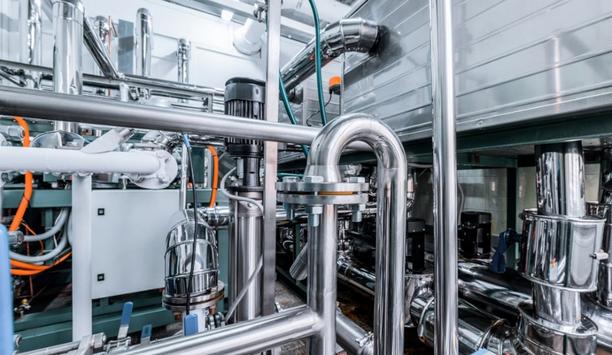
Although the European Union is several steps ahead in the transition away from hydrofluorocarbon (HFC) refrigerants, members of the HVACR industry in other countries currently find themselves in a more urgent situation when it comes to stepping down HFCs and stepping up use of new-generation hydrofluoroolefin (HFO) refrigerants and emerging A2Ls. EPA’s AIM Act This is especially true in the U.S., where 2024 kicked off with an additional 30% reduction in HFC production and consumption un...

Peter Van Den Heede, Head of Sales and Marketing, Benelux, ABB Motion, explains how electrification systems are paving the way for sustainable urban landscapes. As the fight against climate change intensifies, the European Union has set crystal clear targets on the path to Net Zero. If we are to meet the EU’s ambitious goals of a 55 percent reduction in greenhouse gas emissions by 2030, and complete climate neutrality by 2050, then we need to find ever-smarter ways to save energy.&n...

This time of year, a lot of planning is underway. Companies throughout the HVACR industry are mapping out the best path to maintain their current level of business, pursue growth while staying in their lane, or expand into a new area based on changing customer needs and industry opportunities. Whether you’re a small family-owned residential HVAC shop, a major player in commercial HVACR service or manufacturing, or anywhere in between, it’s helpful to be aware of the strong dynamics...

Nothing is immune to entropy. As buildings age, they suffer natural breakdowns in efficiency, performance, and useability, compromising occupant comfort and leading to higher energy bills. Luckily, they do not have to stay that way. Retro-commissioning brings existing structures up to speed so they can function their best. What Is Commissioning? Commissioning helps buildings operate as the owners intended and ensures staff maintains their equipment and systems. During new construct...

Circularity. Some may call it a “hot topic.” But in reality, the concept and practice of circularity is here to stay, indefinitely, for the simple reason that the sustainability of our planet depends on it. Whatever type of product you sell, “widget” you manufacture, or service you provide, achieving circularity, that is, putting practices in place so that materials remain in circulation and never become waste is finding its way onto the priority list of every business....
Browse expert commentaries
Related videos


2026 Live from AHR Podcast Pavilion!
AHR Expo Vegas - Explore new options for your customers
AHR Expo is HVACR's Main Event since 1930
- View more Variable Refrigerant Flow Systems (VRF or VRV)
- Bosch Thermotechnology Variable Refrigerant Flow Systems (VRF or VRV)
- Lennox Variable Refrigerant Flow Systems (VRF or VRV)
- Bryant Variable Refrigerant Flow Systems (VRF or VRV)
- YORK Variable Refrigerant Flow Systems (VRF or VRV)
- Nortek Variable Refrigerant Flow Systems (VRF or VRV)


Safety Certification Of IT Equipment Cooling In Data Centers
Download
The Advantages Of Cooling Tower Retrofits Using EC Fan Arrays
Download
The Water Is Fine: Diving Into Air-To-Water Heat Pumps
Download
Heat Pumps: Expert Insights
Download
The Hidden Energy Drain
Download- Variable Refrigerant Flow Systems (VRF or VRV)
- Bosch Thermotechnology Variable Refrigerant Flow Systems (VRF or VRV)
- Lennox Variable Refrigerant Flow Systems (VRF or VRV)
- Bryant Variable Refrigerant Flow Systems (VRF or VRV)
- YORK Variable Refrigerant Flow Systems (VRF or VRV)
- Nortek Variable Refrigerant Flow Systems (VRF or VRV)
- All Variable Refrigerant Flow System (VRF or VRV) brands