Technology & Trends - Variable Refrigerant Flow Systems (VRF or VRV)
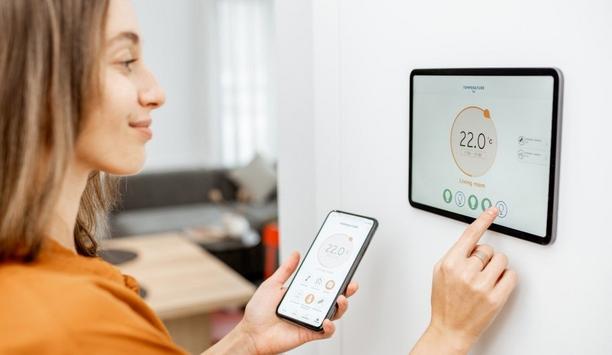
Using air conditioners and electric fans to stay cool accounts for nearly 20% of the total electricity used in buildings around the world, according to a report from the International Energy Agency. hybrid work model As a unique mix of key factors, such as the adoption of the hybrid work model and escalating heatwaves in certain regions of the United States keep people indoors for longer periods, this 20% share represents an increasingly costly line item on household budgets. Those within th...

According to some recent estimates, the cooling industry accounts for approximately 10% of global carbon dioxide (CO2) emissions. To place this in perspective, the transportation sector, as the highest contributor, accounts for approximately 20% of global CO2 emissions. While some may see this as a “glass half empty” scenario, the better approach is the one taken by key players in the HVACR space. As we see it, because the cooling industry has been a source of significant emis...

Most consumers choose an HVAC contractor based on their online reviews. Before making a final decision, potential customers actively look for what others have to say about your business, and having plenty of online positive reviews automatically positions you as a top pick. Reviews Reviews also help you rank higher in search results, and buyers are willing to pay more for brands with lots of strong reviews. So how do you get more of them? First, you have to create great customer experiences....

Today’s HVAC contractors are acutely aware that they need visibility on the internet and in their community if they want the phones to ring with requests for new business. As a result, HVAC company leaders have become savvy about marketing and advertising and know that search engine optimization, direct mail flyers, and flashy truck wraps attract attention. Public relations But what they don’t stop to think about is that their competitors likely have a very similar marketing strat...

You’re looking for ways to increase revenue for your HVAC business, and texting is one more tool you can add to your arsenal. 70% of people report that texting is the fastest way to reach them, and 99% of texts are read within just a few minutes. That kind of speed can help you secure more appointments, get paid faster, land more referrals, and boost sales in general. Scheduling service appointments So where do you begin? Below, we’ll show you five tactics your HVAC business can...

Any time you enter into an agreement with a business or partner, they may want to check that everything is shipshape. What Is a Certificate of Insurance? - If you own a business, chances are you have certificates of all kinds on your wall, whether they be your hard-earned college degree or the certification needed by your city to run your business. These certificates prove that you’ve passed your classes or have met the requirements set out by the city. A certificate of insurance is simil...

When your HVAC system isn't working correctly, it's often difficult to pinpoint the exact issue. Does your home have hot and cold spots? Do doors randomly close on their own? Is your A/C blowing warm air on a hot summer day? If so, your HVAC might have an uneven airflow. There are many symptoms of uneven airflow and many solutions. Amid the increasing demand for HVAC repair, homeowners need to learn how to keep their home system operating at its best. Understanding the potential causes of unev...
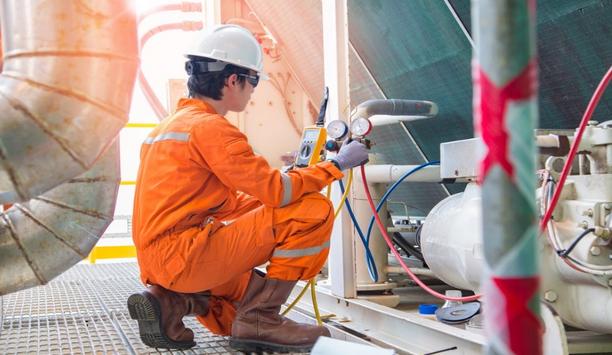
Each day we’re reading headlines about decarbonization ambitions for buildings while challenged with supporting day-to-day operational needs. Yet, we’re still tasked with delivering energy and cost reductions. Given the magnitude of energy consumption and the importance to occupant/tenant comfort, HVAC systems warrant significant attention. There are a lot of options with new equipment and controls to drive energy use down and enhance overall comfort that are very impactful, when bu...

Energy consumption continues to be one of the primary contributors to a building’s carbon emissions and its operational costs. Around 40% of this energy is used to power HVAC systems. To improve sustainability and reduce operating costs, it’s in a building owner’s best interest to find ways to make their building’s heating and cooling systems more efficient. Identifying areas that will make the biggest difference starts with knowing which systems consume the most energy...

Housing market dynamics, pressures on global supply chains, and the rising costs of materials and labor are a few of the trends that are impacting the HVAC industry. While COVID-19 restrictions may have been largely lifted throughout the U.S., many of these lingering trends can be traced back directly, or indirectly, to the pandemic. Jobber’s Home Service Economic Report: Record Growth Fuels Labor Shortage explores these trends and their true impact on home service businesses’ abili...

AI (Artificial Intelligence) is a smart buildings’ biggest ally. Without it, a building could hardly be classed as smart. For building owners and managers, AI is imperative to create a secure and comfortable experience for their occupants every day. What a building platform should do is gather data from various sources from the building management system and other smart technologies, to gather it all in one place. The data should then be fed into a flexible, scalable cloud-based platform...

Even though the COVID-19 pandemic is seemingly drawing to a close, living, working and learning at home is set to continue. Under this new normal, home electricity use is expected to double by 2050. Simultaneously, as climate change devastates communities around the world, we are faced with a moral and economic obligation to cut CO2 emissions from houses. Our goal is to build Net Zero houses and we can't get there fast enough. Fossil fuels use in heating systems Many countries continue to rely...

Seasonal transitions are the perfect time to take inventory and inspect a building’s various systems. We’ve been reminded for years that when we set our clocks back, we should also replace the batteries in our smoke detectors. The same thought process can be applied in support of seasonal preventative maintenance for a building’s HVAC system. Now that the cooling season has passed for a large part of the country, it is time to ensure that HVAC systems have been shut down prope...

I am writing this the day after the Autumn Spending Review, which among many measures, included a huge focus on how the Government wants to ‘level up the country’, creating a new post-pandemic economy, with higher wages and higher skills. Part of this is the £500 million ‘Multiply’ scheme, which aims to increase numeracy and basic mathematics for adults in the United Kingdom via in person tutoring, digital training and flexible courses. Lack of basic skills to acce...

The development of digital technologies in the Heating, Ventilation and Air Conditioning (HVAC) sector has been transformational for the industry, as well as for those who run HVAC systems. While the electrification and digitalization of machines, and assets has made a lot of operations simpler, it has also meant that the collection of machine data has never been more critical. Given that engineers can now view lots of different metrics on a single screen, including things like heating control...

With the increase in climate protests and UN reports highlighting future net-zero challenges, industries are trying to focus their business practices on principles of sustainable development and responsible investment. In the building sector specifically, landlords are gravitating towards certification schemes such as BREAM, LEED, and WELL (among others) to promote the sustainability of their assets and boost green credentials. Tenants are now demanding that the spaces they live and work in ar...

It is now more common to read about cases of Legionnaires’ disease in the media than ever before, with outbreaks regularly being reported in cities around the world, all the time. Many of these cases are attributed to contamination of domestic systems, showers and spas, but some are the result of operating cooling towers. While this problem is not new, with the first reported case in Philadelphia, in 1976, the United Kingdom (UK) has been at the forefront in leading the battle with Legionn...

We visit the doctor for yearly check-ups and take our vehicles to a mechanic for maintenance and oil changes. The same idea applies to an HVAC system. An HVAC system can run around 2,000 hours per year and is a building system that is constantly expending energy. Without preventative maintenance, it is much more likely that a building owner could be overlooking silent issues that could cause a system to break down long before it should. Preventative maintenance is catching on for a re...

In today’s world, we spend almost 90 per cent of our time indoors, in our workplaces, leisure areas and our homes. It is no secret that the built environment has been relatively slow in its embrace of information technology and automation. According to KPMG’s ‘Building a Technology Advantage’ report, fewer than 20 percent of construction and engineering executives, and major-project owners said they are re-thinking their business models, so as to incorporate new technolo...

Over the last decades heating, ventilation, and air-conditioning systems became significantly more energy efficient. This is immensely important as they are one of the largest energy-consuming loads in commercial and residential buildings. Smooth performance of the systems requires careful installation, thorough cleaning, and regular maintenance. Running an HVAC system (energy) efficiently is challenging because of constantly changing variables: people entering and leaving a building, changing...

The ongoing shortage of HVAC equipment and tools has created a significant challenge for contractors around the country. At the same time, companies are also up against intense environmental conditions, like the extreme winter weather that impacted much of Texas in early 2021. The right strategies can help HVAC businesses navigate this shortage and make the most of the equipment they can order. Due to the lingering effects of the COVID-19 pandemic, raw material and component shortages have disr...

A landmark UN scientific study has once again highlighted the short window available to prevent irreversible climate change. Businesses are coming under pressure to dramatically accelerate their net-zero carbon initiatives. This comes at a time where market dynamism is returning across a range of key sectors following a downturn triggered by the pandemic. Businesses are also being pressured by stakeholders to recover revenues lost during the pandemic and to start rebuilding commercial activity...

The energy transition is upon us and we are shifting today’s energy use to low and zero carbon sources. The way in which we heat and provide hot water to our homes and businesses will change, and we are developing technologies that will support this transition. A bold and pragmatic policy framework will encourage investment and drive change. BEIS Hydrogen Strategy We, therefore, welcome the publication of the Hydrogen Strategy from the Department for Business, Energy & Industrial Str...

Most people spend about 90 percent of their time indoors. For home owners, indoor environmental quality (IEQ) is the most meaningful differentiator between ‘high-performance’ and ‘code-built’ homes. Indoor environmental quality IEQ describes how well the indoor environment promotes occupant comfort and health. The components of IEQ include thermal comfort, indoor air quality (IAQ), sound and lighting. Requirements for optimal IEQ vary per occupant and household, d...

A cooling tower allows building owners and operators to take advantage of low cooling water temperatures and higher rates of heat rejection per square meter inherent in evaporative cooling systems. A well maintained cooling tower enables cooling systems to perform at optimum efficiency, reliably and cost-effectively, with contractors who maintain cooling systems able to service their customers with comprehensive and routine cooling tower maintenance programs that should maintain cooling perfor...

The last 18 months have seen an acceleration in digitalization across many aspects of work and home life. Home spaces have become workspaces, and commercial buildings have had to adapt to changed use and lower occupancy rates. Coupled with this, there is a growing need to dramatically reduce carbon emissions from buildings - according to the International Energy Agency (IEA), the buildings and construction sectors combined are responsible for over 30 percent of global energy consumption, and n...

As our urban centers grow, so does our demand for key resources, such as energy. Currently, cities are accountable for over 60% of resource use and an estimated 70% of global carbon emissions. In the Middle East particularly, countries have experienced unprecedented population growth, increased economic activity and consequently, increases in energy consumption. Integration of sustainable systems Fortunately, industry leaders and governments are placing sustainability at the heart of regional...

Utilizing the latest in building connectivity, facility operators can uncover a wealth of data in their systems. The next step comes by leveraging that data with artificial intelligence (AI) and a suite of connected solutions. Data is analyzed to determine actionable items and achieve data-based outcomes that improve efficiencies, allow operators to meet budget goals, hit sustainability targets and deliver on occupants’ expectations. To make those high-level outcomes happen, collecting a...

When we think of remote working our thoughts often jump to office workers taking laptops to the kitchen table or of Zoom calls interrupted by needy pets. Remote working, however, isn’t just confined to office jobs. Within the HVAC industry, engineers have been working remotely for large parts of the pandemic thanks to advancements in connected technology and automation of HVAC systems. So, just how has technology enabled remote work in the HVAC industry, and is the rise of the ‘work...

With ongoing efforts from governments across the globe to reduce carbon emissions and with an ever greater focus on sustainability, it is vital that the HVAC sector does its part in becoming more environmentally conscious. And, while there have been steps to become more sustainable, there is a huge amount that still needs to be done to make sure that many of the targets that have been set are attainable. In buildings, both large and small, industrial heating accounts for roughly two thirds of i...
Browse expert commentaries
Related videos


2026 Live from AHR Podcast Pavilion!
AHR Expo Vegas - Explore new options for your customers
AHR Expo is HVACR's Main Event since 1930
- View more Variable Refrigerant Flow Systems (VRF or VRV)
- Bosch Thermotechnology Variable Refrigerant Flow Systems (VRF or VRV)
- Lennox Variable Refrigerant Flow Systems (VRF or VRV)
- Bryant Variable Refrigerant Flow Systems (VRF or VRV)
- YORK Variable Refrigerant Flow Systems (VRF or VRV)
- Nortek Variable Refrigerant Flow Systems (VRF or VRV)


Safety Certification Of IT Equipment Cooling In Data Centers
Download
The Advantages Of Cooling Tower Retrofits Using EC Fan Arrays
Download
The Water Is Fine: Diving Into Air-To-Water Heat Pumps
Download
Heat Pumps: Expert Insights
Download
The Hidden Energy Drain
Download- Variable Refrigerant Flow Systems (VRF or VRV)
- Bosch Thermotechnology Variable Refrigerant Flow Systems (VRF or VRV)
- Lennox Variable Refrigerant Flow Systems (VRF or VRV)
- Bryant Variable Refrigerant Flow Systems (VRF or VRV)
- YORK Variable Refrigerant Flow Systems (VRF or VRV)
- Nortek Variable Refrigerant Flow Systems (VRF or VRV)
- All Variable Refrigerant Flow System (VRF or VRV) brands