Government Regulations

Nuaire has published A Guide to Awaab’s Law and the Future of Safe Housing Standards designed to help social housing organisations comply with Awaab’s Law, which came into effect on 27th October 2025. The legislation was introduced following the tragic death of two-year-old Awaab Ishak in 2020, caused by prolonged exposure to mould in his family’s rented home. Implementing Awaab's law The new guide clearly explains the requirements to investigate and address damp and mould h...
A-Gas, a pioneer in environmentally responsible lifecycle refrigerant management, is proud to support California’s recent regulatory changes by providing its PENGUIN™ Certified Reclaimed Refrigerants, which are fully compliant with the latest state requirements outlined in Assembly Bill (AB) 663. Criteria for certified reclaimed refrigerant AB 663, signed on October 1, 2025, clarifies California’s State Bill (SB) 1206 and establishes strict criteria for what qualif...
A-Gas, a world pioneer in environmentally responsible lifecycle refrigerant management, is proud to support California’s recent regulatory changes by providing its PENGUIN™ Certified Reclaimed Refrigerants, which are fully compliant with the latest state requirements outlined in Assembly Bill (AB) 663. AB 663, signed on October 1, 2025, clarifies California’s State Bill (SB) 1206 and establishes strict criteria for what qualifies as a certified reclaimed refrigerant. Under the...

Construction has started on what will be the UK’s third Community Heat Hub – a low-carbon heat solution that provides heat and hot water to residential communities via a heat network developed and designed especially for low-rise, low-density sites. Taylor Wimpey Yorkshire contracted the solution from GTC for its Swinnow Park development in Wetherby – a first in the region for the housebuilder. Low-carbon heat and hot water This is the second Community Heat Hub...

Some of central Ipswich’s key workplaces and community buildings could be heated in a revolutionary way, thanks to a new heat network. Suffolk County Council has been leading on the feasibility of a heat network project since 2021, and has now secured £10 million from the government’s Green Heat Network Fund to make it a reality. Secure and affordable energy The project will work by harnessing natural occurring heat from the River Gipping, and delivering the energy to buildi...
Only around 5% of the Government's annual air source heat pump installation target is being met in England and Wales under the Boiler Upgrade Scheme (BUS), according to new data analyzed by Hewer Facilities Management. The Government is targeting 600,000 heat pump installations annually by 2028. However, a review of publicly available MCS data by Hewer, a major heating, plumbing and building services provider, shows that on average only 36,167 units have been installed per year in the three yea...
News

Carrier Solutions UK has welcomed the UK Government’s decision to extend the Boiler Upgrade Scheme (BUS) to include air-to-air heat pumps, recognizing the policy update as a major catalyst for a residential air-conditioning market in the UK. Carrier Solutions UK Ltd (formerly Toshiba Carrier UK Ltd) is a part of Carrier Global Corporation, global pioneer in intelligent climate and energy solutions. For the first time, households will be able to access grant support for air-to-air heat pumps, a technology widely adopted outside the UK for efficient year-round comfort. The announcement represents a significant shift in how these systems are viewed in the UK, acknowledging them as high-performance heating appliances rather than cooling-only units. New residential air-conditioning market “This update has the potential to kick-start a new residential air-conditioning market in the UK,” said David Dunn, Managing Director, UK & Ireland for Carrier CSE-R Europe, adding, “Air-to-air systems have often been seen as specialist products chosen for summer cooling, but they also provide efficient heating and therefore year-round comfort. Recognizing them under BUS brings greater choice for homeowners and supports the UK’s direction of travel towards decarbonization.” The expansion is particularly significant for properties that have historically struggled to adopt traditional air-to-water heat pumps, such as apartments and flats. Many of these homes rely on older direct-electric or storage heating with lower efficiency. Multi-split systems, which allow one outdoor unit to serve multiple rooms, offer a practical upgrade path. Flexibility and efficiency “Much of the UK housing stock needs solutions beyond conventional heat-pump configurations,” added Dunn. “Air-to-air systems, along with emerging electric technologies, offer flexibility and efficiency where other approaches may not be suitable. Seeing the Government recognize this range of solutions is very positive for the industry.” Carrier Solutions UK distributes the Toshiba air-conditioning range, including single-split and multi-split systems designed for domestic and light commercial applications. “Toshiba has a long heritage in the home and that brand familiarity matters,” said Dunn. “As this market grows, aesthetics, smart controls and flexibility will become major decision-makers for homeowners.” Carrier Solutions UK is preparing for expected changes to product listing requirements and certification, including the move toward MCS as the single route for clean-heat schemes. The company will continue supporting installers through its network of training centers, including London Colney and Stockport.
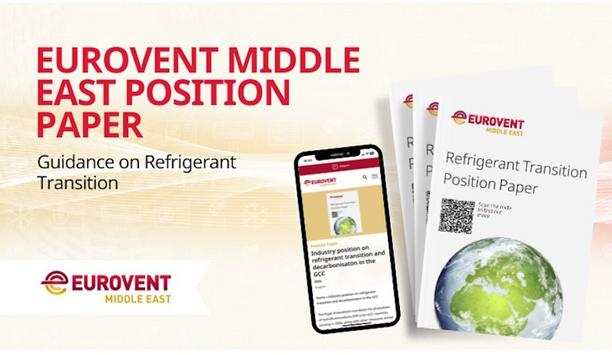
Following discussions alerting the industry about potential supply shortages of HFC-based refrigerants during its HVACR Next Generation Congress in Riyadh on 28 October 2025, Eurovent Middle East has published its first industry guidance on the impending refrigerant transition in the region. With the ratification of the Kigali Amendment by the Kingdom of Saudi Arabia in September, the GCC countries are set to phase down hydrofluorocarbon-based refrigerants (HFCs) starting with a baseline freeze in 2028, followed by phase-down from 2032. Shortages of HFC refrigerants While the phase down begins only gradually with reductions of HFCs consumed or produced in steps of 10% every 5 years initially, the industry will be faced with potential supply shortages of HFC refrigerants due to the economic growth and thus rising demand for cooling in the region. During the HVACR Next Generation Congress in Riyadh, Markus Lattner, Managing Director of Eurovent Middle East, warned: “The phase down will start from a baseline of HFCs produced or consumed over the period from 2024 to 2026." "This means that if we add the accumulated growth in the building sector in the next years to the 10% reduction in the first step, we can very likely look at a sudden shortage of HFC-based refrigerants in excess of 30%, when the first reduction happens in 2032. To prevent wider shortfalls and bottlenecks, it is imperative that industry and governments act now!" Implementation and harmonization of safety standards The Position Paper by Eurovent Middle East addresses alternatives and outlines recommendations to industry and governments on how to avoid bottlenecks in the future. It recommends the use of alternatives to HFCs immediately, wherever possible to be done safely, encourages upskilling initiatives to ensure that the workforce is prepared to handle alternative refrigerants, and calls for implementation and harmonization of safety standards and regulatory frameworks across the region to facilitate the switch towards cooling and refrigeration systems, which work with low global warming potential refrigerants. The association’s position paper can be downloaded free-of-charge on the Eurovent Middle East website.

Despite 80% of UK homeowners saying they care about climate change, heat pump adoption in UK homes remains critically low, with only 6% making the switch. According to Mitsubishi Electric’s latest report, Heat Pumps: Accelerating the Switch, one of the biggest barriers isn't technology or awareness, but the cost of electricity. Average household electricity bill For many UK households, switching to a heat pump isn’t a question of willingness, but the affordability of electricity. The current energy pricing structure actively penalizes greener choices by loading environmental levies onto electricity. These levies add around £140 a year to the average household electricity bill, while gas is taxed less heavily. Even though heat pumps are up to three times more efficient than a gas boiler, they can still cost more to run, putting off environmentally conscious homeowners who are already feeling the squeeze from rising living costs. Electricity pricing is holding back heat pump adoption The new research of 2,000 UK homeowners from Mitsubishi Electric and Opinion Matters shows that 33% of homeowners would consider switching to a heat pump if electricity cost the same or less than gas. But for many, the bar is even higher: 15% of those surveyed said they would only consider switching if their annual energy bill was at least £500 cheaper. New academic modeling in the report by Dr Ed Manderson, Lecturer in the Department of Economics at the University of Manchester, reveals that an increase in electricity pricing clearly correlates with a decrease in heat pump installations. A 7% fall in electricity prices (equivalent to a 10-point drop in the price index) would lead to about a 9% rise in domestic heat pump installations. The same trend appears in the commercial market: rebalancing electricity prices could boost uptake by around 9%, of which the true effect across the whole market would likely be considerably larger. Residential and commercial heating installers Russell Dean, Deputy Divisional Manager, Mitsubishi Electric, said: "Our research reveals a critical tipping point in public sentiment: the desire to reduce emissions is being outweighed by the reality of energy bills." He adds, "If we are to bring about considerable reform in how we heat our buildings in the UK, we must look at reforming an electricity pricing system that disproportionately penalizes those who opt for low-carbon alternatives." Mitsubishi Electric’s own research of residential and commercial heating installers also shows that they are ready to help accelerate the shift, with 93% believing they have the skills and experience to install heat pumps – an increase from 61% last year. Urgent reform is needed It’s clear that a significant disruption to the status quo of how heating is fueled in the UK is required if the UK government’s target of 600,000 heat pump installations per year by 2028, or the Climate Change Committee’s 7th Carbon Budget recommendation that by 2040 half of UK homes are heated with a heat pump, is achieved as a pathway to net zero emissions by 2050. George Clarke, Architect and Mitsubishi Electric Ecodan Ambassador, comments, "The technology is ready, and installers are ready to make the switch from gas heating to heat pumps, but the inflated price of electricity remains a major issue for both consumers and businesses. That’s why we’re calling on the government to remove green levies from electricity to encourage more people to move away from carbon-intensive gas and oil heating." Mitsubishi Electric is calling for urgent action to remove the cost barriers holding back heat pump adoption. To overcome this, government and industry must work together to create a fairer and more affordable path to low-carbon heating. Key actions recommended in the report Rebalance green levies: Shift green levies away from electricity to reflect the UK’s net zero goals. Current levies add £140 to electricity bills, but just £50 to gas, making heat pumps more expensive to run than gas boilers. Decouple electricity from volatile gas prices: Decouple electricity prices from volatile gas markets. With more electricity now coming from renewables, this move would lower running costs for heat pump users and improve energy fairness. Expand and promote financial support schemes: Expand and promote support schemes like the Boiler Upgrade Scheme. One in three homeowners, unaware of the grant, said it would make them more likely to switch. Affordability must be addressed — especially as 15% of households say they need £500+ annual savings before they’d consider a heat pump. Net zero ambitions "Opting for sustainable heating solutions must be a viable solution to the volatile cost-of-living problems facing UK homeowners. Rebalancing the cost of electricity and gas could turn the tide on heat pump adoption and will be key to meeting net zero ambitions," said Russell Dean. He adds, "Heat pumps are ready. Installers are ready. Consumers and businesses are interested. Now the energy system needs to catch up."

As the UK transitions towards net zero, the pressure on house builders to deliver homes that are efficient, future-ready, and compliant with evolving regulation has never been greater. Heating accounts for nearly one third of the country’s greenhouse gas emissions, making it a critical area for intervention. With the Future Homes Standard timetable banning the use of gas boilers in new-build homes imminently, house builders and developers must now find sustainable alternatives that are not only environmentally sound but also commercially viable and operationally scalable. Ground source heat pumps Enter, the funded, utility-grade networked ground source heat pump. These systems are redefining what’s possible in residential heating, addressing the threefold demands of the UK’s energy trilemma: ensuring long-term security of supply, keeping heating affordable for both developers and residents, and supporting the urgent goal of environmental sustainability. At the heart of this solution is a robust and resilient heat infrastructure that extracts warmth from the stable temperatures found beneath the ground. Unlike traditional gas-based systems or more weather dependent air source alternatives, networked ground source heat pumps provide consistent and reliable heating and hot water all year round. Valuable reliability This reliability is especially valuable in the face of increasing strain on national energy systems This reliability is especially valuable in the face of increasing strain on national energy systems and ongoing volatility in international gas markets. Decoupling heat supply from these risks ensures that both developers and homeowners benefit from secure, predictable performance. Affordability is also central to decarbonization. Rather than burdening developers with upfront capital costs, GTC designs installs, owns, and operates the solution, covering the entire underground heat network on a regulated utility basis. This model removes technical and financial risk from site delivery and provides developers with a single, accountable partner across all utility services. For residents, the result is access to a low-carbon heating system that delivers consistent comfort at a lower operational cost, without the need to understand or manage complex technology. Key enhancement A key enhancement to these systems is the integration of smart thermostats. These intelligent control technologies work seamlessly with networked ground source heat pump systems to optimize heating schedules in response to live weather forecasts, user behavior, and occupancy patterns. By adjusting performance in real-time, these thermostats can significantly reduce unnecessary energy use, typically cutting consumption by 15 to 20% while improving in-home comfort. For developers, it also supports ESG reporting, evidencing operational carbon reductions, adding further value in a compliance-conscious market. Environmental perspective Networked ground source heat pumps represent a clear path to zero-carbon heating From an environmental perspective, networked ground source heat pumps represent a clear path to zero-carbon heating. These systems use electricity to power heat pumps that draw energy from the ground, offering up to five times the efficiency of gas and a 30% increase in efficiency compared to an individual air source heat pump. A ground source heat pump is powered through electricity, delivering 3-4kW of renewable energy for every 1kW of electricity used. They are the most energy efficient heating technology available. As the UK grid continues to decarbonize, these systems become progressively cleaner over time. Because the infrastructure is installed underground, it is protected from the elements, requires less maintenance than surface-level systems, and has a lifespan exceeding 50 years, making them a long-term, low-impact investment in a sustainable future. Air source heat pumps Although air source heat pumps have gained traction in recent years, they are often less suitable for dense residential developments or sites with ambitious sustainability goals. Networked ground source heat pumps outperform air source heat pumps in almost every category. They operate at higher efficiency levels throughout the year, particularly during winter months when air temperatures fall and demand for heat is at its peak. This higher efficiency translates directly into consistent running costs for residents and reduced grid demand during peak periods. Valuable in high-density environments Networked ground source heat pumps are quieter and hidden away once installed Unlike air source heat pumps, which require outdoor fan units that can be visually intrusive and produce noise, networked ground source heat pumps are quieter and hidden away once installed. This makes them particularly valuable in high-density or planning-sensitive environments, where aesthetic and acoustic considerations are paramount. Furthermore, the heat source in a networked ground source heat pump system is entirely external to the home’s thermal envelope, eliminating internal heat gains that can contribute to overheating - an important consideration under the latest Building Regulations. Question of compliance This brings the question of compliance. With the recent updates to Part L and Part O of the Building Regulations, achieving regulatory approval is no longer just a box-ticking exercise, it’s a key part of a home’s value proposition. Part L requires a 31% reduction in carbon emissions compared to previous standards. Networked ground source heat pumps contribute significantly to this target by reducing carbon emissions by 75-80% from day one. Part O, which focuses on reducing overheating risk, is also more easily met with ground source heat pumps, which avoid the need for indoor or roof-mounted units that generate excess heat within the home. Looking ahead In shaping the homes of tomorrow, developers are also shaping the communities of the future Looking ahead to the Future Homes Standard, due to take effect in late 2025, networked ground source heat pumps are already fully compliant. Their low-carbon credentials and high efficiency ensure that homes built today can meet tomorrow’s expectations without retrofitting or technical compromise. This is particularly valuable on large-scale developments, build-to-rent schemes, or high-rise projects, where consistent performance, simplicity, and long-term viability are essential. In shaping the homes of tomorrow, developers are also shaping the communities of the future. This approach embeds low-carbon heat into the fabric of a development transforming heating from a technical afterthought into a core element of place-making and environmental stewardship. Infrastructure-first philosophy This infrastructure-first philosophy supports neighborhood-wide carbon savings, lowers cumulative energy demand, and helps developers tell a credible sustainability story to local authorities, investors, and buyers alike. Low-carbon heat is no longer optional, it is essential. As regulation tightens, consumer expectations evolve, and climate pressures intensify, the need for scalable, high-performance solutions becomes ever more urgent. Networked ground source heat pumps meet that need head-on. They provide a future-ready answer to the UK’s energy trilemma: ensuring homes that are secure, affordable, and sustainable by design.

Danfoss, a global pioneer in sustainable refrigeration solutions, announced the return of its Mobile Training Unit (MTU) to North America in 2025. The MTU provides hands-on training in transcritical sustainable refrigeration systems, helping original equipment manufacturers (OEM), contractors, and retailers achieve their sustainability goals and meet regulatory requirements. Equipped with live systems and trainer stations, the MTU offers immersive experiences designed to build confidence and expertise. Training sessions are hosted directly at customer facilities, eliminating the cost and complexity of travel, while providing real-world learning environments. Refrigeration industry “The refrigeration industry is at a tipping point,” said DJ Frye, Director of Sales for Food Retail, Danfoss Climate Solutions North America. DJ Frye adds, “The demand for sustainable refrigeration expertise has never been higher, and Danfoss Sustainable Refrigeration Mobile Training Unit is one of the most effective ways to help our customers prepare. By delivering training where it’s needed most, we are enabling the industry to make the transition to sustainable refrigeration with confidence.” Touring major regions The MTU will tour major regions across the United States in Q4 2025, and Canada in Q1 2026, with stops hosted by major manufacturers, OEMs, contractors, and retailers – starting with the FMI Energy & Store Development Conference from October 6-9, 2025 in San Diego, California, USA. Danfoss’ team of sustainable refrigeration experts will present live demonstrations at 12:30 p.m. and 1:30 p.m. on Monday, October 6, at the Town & Country Convention Center, just outside the registration foyer.

Eurovent, in collaboration with AMCA Europe and EVIA, has published a joint Frequently Asked Questions (FAQ) guide on Regulation (EU) 2024/1834 – Ecodesign requirements for fans. This joint FAQ guide provides an industry interpretation on the implementation of Ecodesign requirements for fans set out in Regulation (EU) 2024/1834 published on 24 July 2024. It addresses common questions on the interpretation of the regulation and aims to support the understanding of open interpretations and questions related to the regulation. New regulation The joint guide provides a clear industry interpretation of the regulation, helping manufacturers The new regulation, commonly referred to as ErP2026, replaces the long-standing Regulation (EU) 327/2011 (ErP2015) and introduces stricter efficiency requirements, product information obligations, and provisions supporting the circular economy. The joint guide provides a clear industry interpretation of the regulation, helping manufacturers, integrators, and market surveillance authorities ensure consistent and effective implementation across Europe. Unprecedented collaboration The Eurovent Product Group Fan Technology Chairperson, Julien Grilliat, stated: “Vice-Chairman Simon Engert and I are very proud to present this FAQ, as it is an unprecedented collaboration of the three major European trade associations addressing fans.” “We do hope it will accompany fan manufacturers along their journey to conformity with the ErP2026 requirements and shed light on critical points. We are already working on a second edition that will focus on spare part-related topics.” Jointly developed guide The AMCA Europe Chair of the Advocacy Committee, Harald Rudelgass, added that: “The aim of the jointly developed guide is not only to ensure high-quality products, but also to raise them to a new level of performance.” “Compliance with international and recognized standards makes a significant contribution to operational safety, sustainability and the ability to innovate, both in the industrial and building technology environment.” This guide was prepared in a joint effort by participants of the Eurovent Product Group ‘Fan Technology (PG-FANS), members of AMCA Europe, and members of the EVIA Fans Working Group, which represents a vast majority of all manufacturers of these products active on the EMEA market.

Expert Commentary

As HVAC professionals know, the heating and cooling industry is undergoing a transition from refrigerants like R-410A to low global warming potential (GWP), or A2L, refrigerants such as R-454B. When preparing customers for the changes that the refrigerant shift brings, contractors can stay ahead of the learning curve by investing in staff training, purchasing necessary new tools for their HVAC technicians, and educating their residential and commercial customers about the impacts. As the industry navigates this change, below are lessons and tips to help contractors make a smooth transition to using the new refrigerants. Dealing with new refrigerants, new rules, and new challenges As new equipment has arrived, questions have come up around installation and servicing In 2025, new residential and light commercial HVAC systems must use low-GWP refrigerants. These refrigerants require new standards, new products, and enhanced safety protocols. There has been a significant learning curve for the industry, especially in the early stages of the transition. As new equipment has arrived, questions have come up around installation and servicing. Industry trade partners, such as Mitsubishi Electric Trane HVAC US (METUS), have been helpful in providing information, resources, and support. Things have been changing quickly, and while many HVAC contractors are adapting well, others are still trying to get their bearings. Part of the challenge is that manufacturers have varying requirements. Availability of A2L-compatible equipment Initially, the HVAC industry faced challenges due to the limited availability of A2L-compatible equipment and the declining supply of R-410A systems. We’ve worked to balance inventory management with maintaining customer satisfaction. In some cases, we've made two separate service visits for new system installations, first to replace the furnace and evaporator coil and then to return once the outdoor unit becomes available. Thankfully, the industry’s inventory availability has recently improved. The refrigerant itself is still hard to come by for most contractors. Remaining vigilant and proactive, continuing to depend on trusted industry partners for timely and accurate updates is essential. Staying ahead through training and education Company pioneers should ensure their teams – not just HVAC installers but sales, service As the industry receives new information on installation, service procedures, and safety protocols, it is essential that contractor training programs are continuously evolving. Company pioneers should ensure their teams – not just HVAC installers but sales, service, and support staff – stay informed as new guidance becomes available. Education is a core value: teams should be encouraged to attend training sessions and share what they learn with their fellow team members. Regulations, safety procedures, and installation best practices In preparation for the transition, it’s also vital that contractors upgrade many of their tools, such as vacuum pumps, digital gauges, recovery machines, and manifolds. They should also provide their technicians with the proper training on these tools. Most importantly, contractors should take advantage of every opportunity from their trade partners, like METUS, and numerous trade affiliations, like the Air Conditioning Contractors of America (ACCA), to obtain guidance. Constantly research and share information with your team so members are well-versed on regulations, safety procedures, installation best practices, and more. Educating homeowners on potential upgrades Customers rely on contractors’ expertise to guide them through their purchase Most homeowner discussions focus on price and equipment availability rather than refrigerant types, but a few well-informed customers ask about the impact of the equipment refrigerant on their homes. Customers rely on contractors’ expertise to guide them through their purchase. Clear, helpful education builds trust, ensures understanding, and offers peace of mind for customers. It's smart and responsible to communicate about the refrigerant change to customers early, so they’re not caught off guard when their current R-410A system eventually needs replacement. They can plan and budget better with this knowledge in mind. I recommend that New York State contractors let their customers know they may be able to take advantage of the New York State Clean Heat program rebates. These rebates can be combined with federal tax credits included in the Inflation Reduction Act for switching to heat pumps and other efficient solutions. Both programs have incentivized customers to install high-performance heat pump systems. Improving performance while enhancing comfort All-climate heat pump systems using A2L refrigerants are said to be more efficient than prior generations All-climate heat pump systems using A2L refrigerants are said to be more efficient than previous generations. We’re telling our customers who switch that they can potentially lower their utility bills. The timing of these enhancements fits well with the growing demand the industry is seeing for ductless systems. Our northeastern region – which includes Amherst, New York and the surrounding Buffalo area – has started experiencing above-average temperatures, prompting many people to adopt ductless systems as a cooling solution for the first time. I would never have anticipated this trend five years ago, and contractors in other parts of the country may be seeing the same trend. Turning disruption into a path for growth and preparedness The refrigerant transition has brought its share of challenges, but it has also sparked progress. It is essential for contractors and HVAC professionals to embrace this moment as a catalyst to strengthen their teams, invest in modern tools, and elevate customer education. By staying connected with trusted partners and industry groups, contractors don’t have to just keep pace, but they can instead position themselves for long-term success in this new era of HVAC.

Meeting a project’s overarching design goals is vital in the building and construction sector. Creating a sustainable building could be one of these goals — driven by company commitments, federal policies, and state-based initiatives. However, the priorities of minimizing capital and long-term operating costs and maintaining project timelines often prevail. Frequently, the perception in the industry is that these priorities — especially cost — are incompatible with designs and technologies that help decarbonize buildings. Cutting emissions and optimizing costs Organizations can take an incremental approach without compromising on cost However, our experience with heating, ventilation and air-conditioning (HVAC) systems has shown that cutting emissions and optimizing costs are not mutually exclusive when we leverage the right technologies and design strategies. Decarbonization isn't a one-time event. Reducing emissions is a continuous process with many paths. Organizations can take an incremental approach without compromising on cost. Finding the right balance requires weighing project priorities, the building’s environment, short- and long-range facility plans and available technology solutions. To achieve this balance, energy modeling is an essential tool. Weighing up design goals When it comes to sustainability and decarbonization in HVAC systems, there are three primary levers: electrification of heating using heat pumps, improving energy efficiency and using lower global warming potential (GWP) refrigerants. Cost priorities can often be aligned more easily with sustainability goals than expected Each project's physical environment and framework conditions will influence the mix of these three levers. Cost priorities can often be aligned more easily with sustainability goals than expected. For example, the local climate substantially impacts electrification. In hotter climates, electrification is far easier than in cold ones, where heat pumps require much more electricity when heating. In extreme cold temperatures, heat pumps will eventually require a back-up like natural gas (NG) to provide supplemental heat. A hybrid system using NG as a back-up to the heat pump also avoids oversizing the heat pump to cope with the most extreme conditions – which only occur infrequently. Hybrid heating systems come into their own Hybrid systems can significantly reduce emissions compared to traditional fossil-fuel-only heating systems and save costs, especially in areas with access to cheap renewable electricity from solar PV plants, wind farms and hydro or geothermal sources. By switching over to NG when temperatures get too low or when insufficient renewable electricity is available, building owners can not only save costs but also hedge against grid outages in the coldest months of the year. It’s critical to pick the right point for your hybrid system to switch from one fuel source to another. By changing to the lowest rate — electricity or gas prices — at any particular time, you can save money while making significant CO2 savings. Alternatively, the time to switch could be based not only on energy costs but also on emissions reductions, allowing the designer to optimize around different design goals. Sustainability doesn’t necessarily command a premium A study from the National Renewable Energy Laboratory demonstrates that decarbonization and broader sustainability goals can be achieved alongside other design goals. When comparing conventional school buildings with zero-energy schools — buildings that produce as much renewable energy as they need to operate — the NREL found that the latter offers several benefits. Zero-energy schools require less energy and offset demand using on-site renewable energy. Zero-energy schools require less energy and offset demand using on-site renewable energy The study indicates that zero-energy school buildings can be designed and built within conventional budgets — and they can cost less. By applying an integrated approach to design and construction, the extra cost of the zero-energy systems can be offset by the greater efficiencies they facilitate. The study lists downsizing heating, ventilation and air conditioning among the benefits that help reduce capital and operational expenditures. However, as we have seen, balancing each building's inherent complexities is the key to achieving these benefits. This is where energy modeling comes into play. Balancing sustainability and design goals Energy models tie together all factors affecting HVAC design and installation. They are a tool for comparing many design alternatives quickly and cost-effectively to find the most appropriate solution to the project’s design goals. Energy modeling can simulate various system configurations to show the effect of using different types of equipment, such as an electric heat pump compared to a conventional HVAC system. Modeling can also factor in decarbonization policy incentives that may affect the economics and viability of a proposed system. Various system-design options In addition, life-cycle analyses of different keys can provide a clearer long-term financial picture In addition, life-cycle analyses of different solutions can provide a clearer long-term financial picture. Models can forecast long-term costs, performance and return on investment of various system-design options, which can make it easier to get sign-off projects from investors. With its data-driven approach, energy modeling can also prevent overengineering that could lead to unnecessary expenses. A US Department of Energy study has shown that projects using energy modeling perform better and can have shorter returns on investment than those that don’t. The future of HVAC: A harmonized approach As sustainability codes, standards and regulations evolve throughout the US, energy modeling becomes increasingly vital for harmonizing environmental priorities with core design objectives — enabling balanced, effective solutions that drive greener, more resilient outcomes for buildings, businesses and the planet. By integrated advanced modeling practices into the design process, the HVAC industry can support the transition to a low-carbon future without sacrificing economic feasibility or operational efficiency. HVAC industry can support the transition to a low-carbon future without sacrificing economic feasibility. Example analysis A 54,000 ft² office building prototype, compliant with ASHRAE 90.1 standards, was modeled in Denver, Colorado, using Daikin Applied EA Pro software, powered by the US DOE’s EnergyPlus simulation engine. Rebel® heat pump rooftop units were assigned to serve the building. Two HVAC alternatives were analyzed for the heat pumps: (1) electric back-up and (2) gas back-up. The Environmental Protection Agency’s eGRID emission factors, representing the greater Denver regional grid, were used to calculate emissions, along with average electricity and gas utility rates for the region. Electric back-up scenario The results indicate that while total energy usage is lower with the electric back-up scenario—due to the higher efficiency of electric resistance heating compared to gas combustion—the annual utility costs and equivalent carbon emissions are lower with the gas back-up scenario. This is primarily because of higher electric utility rates and the electric emissions profile of the regional electric grid. The annual utility costs and equivalent carbon emissions. This example represents a specific scenario for demonstration purposes but highlights the importance of holistic, project-specific considerations when evaluating design alternatives to meet customer goals.

The HVAC industry stands at a critical juncture, facing substantial regulatory pressures aimed at reducing its environmental impact through the phased elimination of high Global Warming Potential (GWP) refrigerants. Driven by international agreements and local environmental guidelines, manufacturers, suppliers, and service providers are swiftly transitioning towards more sustainable alternatives. This shift is fundamentally reshaping compressor technologies, retrofitting procedures, and lifecycle management strategies for HVAC systems. Newer refrigerants Refrigerants such as R410A, widely used for decades, are rapidly being replaced by alternatives Globally, regulatory bodies like the U.S. Environmental Protection Agency (EPA), the European Union's F-Gas Regulation, and international environmental protocols, such as the Kigali Amendment to the Montreal Protocol, mandate a significant reduction in refrigerants with high GWPs. Refrigerants such as R410A, widely used for decades, are rapidly being replaced by alternatives like R32 and R454B, recognized for their markedly lower environmental impact. These newer refrigerants are not only less environmentally impactful, but they are also in increasingly high demand because of their role in meeting regulatory compliance. Adapting Compressor Technologies For HVAC companies, adapting to these changes requires significant investment and strategic planning. Compressor technology is a critical area demanding immediate attention, as the chemical properties of low-GWP refrigerants differ substantially from traditional refrigerants. To effectively utilize these new refrigerants, compressors must be meticulously redesigned or swapped out for a new system, to ensure system efficiency and performance is maintained. Industry best practices recommend thorough evaluations of compressor efficiency, reliability, and compatibility with the new refrigerants. Companies are encouraged to prioritize high-quality compressors, sophisticated electronics like Printed Circuit Boards (PCBs), and precisely calibrated controls that optimize energy consumption and cooling efficiency. The goal is to achieve a sustainable balance among affordability, performance, and environmental responsibility. Transitioning existing HVAC systems Industry pioneers advocate for wide technician training programs as an vital strategy Transitioning existing HVAC systems introduces significant complexities, as retrofitting requires substantial modifications to components, controls, and infrastructure. The retrofit process can be both technically challenging and costly. Industry pioneers advocate for comprehensive technician training programs as an essential strategy for managing these challenges. Such programs empower HVAC professionals with critical knowledge about refrigerant handling, retrofitting techniques, and adherence to new standards. Participating in robust training programs and utilizing essential tools—such as manifold gauges, refrigerant recovery tanks, and adapters—is vital for facilitating a smooth transition industry-wide. Those looking to get ahead should also look to partner with a targeted consultation and technical support services, helping businesses evaluate specific needs and make informed decisions about retrofits. This personalized approach significantly enhances the likelihood of successful system upgrades and regulatory compliance. Comprehensive Lifecycle Management Sustainability extends well beyond refrigerant selection, encompassing all aspects of HVAC system management—from manufacturing to end-of-life disposal. Partnering with HVAC suppliers that have obtained certifications such as Energy Star and AHRI guarantees the products meet stringent standards for energy efficiency, reliability, and environmental performance. Companies are increasingly adopting sustainable manufacturing practices, including the use of recycled materials, reducing waste during production, and minimizing carbon emissions through efficient manufacturing processes. Effective lifecycle management also involves proactive maintenance strategies that extend the operational life of HVAC systems, minimizing the frequency and scale of necessary replacements. Partner with certified recycling facilities Companies can partner with certified recycling facilities to ensure the proper handling and disposal Furthermore, readily accessible replacement parts ensure rapid repairs, reducing downtime and preventing premature system disposal. Proactively managing refrigerant supplies, including responsible storage and accurate tracking of refrigerant usage, prevents leaks and reduces emissions. At the system’s end-of-life, promoting responsible recycling practices for components like compressors, coils, and electronics significantly minimizes environmental impact. Companies can partner with certified recycling facilities to ensure the proper handling and disposal of these materials, further driving towards holistic compliance with sustainability standards. Importance of proactive preparedness and agility Historical shifts, like the transition from R22 to R410A, have highlighted the importance of proactive preparedness and agility. Companies anticipating regulatory changes and proactively adapting their processes and products are better positioned to lead and provide compliant, reliable solutions. Such proactive measures demonstrate the value of having the necessary tools, resources, and training well-established before further regulations take effect. Future Outlook and Emerging Trends HVAC industry must remain vigilant regarding evolving rules and technical advances The HVAC industry must remain vigilant regarding evolving regulations and technological advancements. Ongoing monitoring and adaptation to standards on refrigerants, energy efficiency, and environmental sustainability are crucial. Companies embracing innovation and continuous education will effectively stay ahead of regulatory developments, offering superior value to clients. Emerging trends indicate an increased focus on integrated technologies and smart HVAC systems that maximize efficiency and minimize environmental impact. Companies investing early in such technologies will likely see enhanced market positioning and customer satisfaction. Air-Con’s extensive industry experience Air-Con International exemplifies industry best practices in transitioning to low-GWP refrigerants. Through proactive compliance measures, advanced compressor technology selection, and sustainable lifecycle management, Air-Con showcases its leadership and preparedness. The company's early adoption of EPA-approved refrigerants, such as R32 and R454B, demonstrates its strategic foresight in navigating complex regulatory landscapes. Moreover, Air-Con’s extensive industry experience provides HVAC professionals with critical expertise and tools required for effective system retrofits and maintenance. Their robust consultation services further assist businesses in customizing HVAC solutions to align with evolving standards and specific operational needs. Air-Con International’s dedication Air-Con International’s dedication to sustainability across its product lifecycle is evident via its Energy Star Air-Con International’s dedication to sustainability across its product lifecycle is evident through its Energy Star and AHRI-certified products. For instance, Air-Con’s Serene Plus Series features R32 refrigerant, inverter technology, and integrated Wi-Fi controls, showcasing Air-Con’s commitment to innovation, efficiency, and environmental responsibility. Additionally, the Saturn Front Return Series offers flexible, high-efficiency solutions tailored specifically for residential applications, merging environmental benefits with operational efficiency. Sustainable growth in an evolving market landscape As regulatory changes mandate the shift toward low-GWP refrigerants, HVAC industry members must adopt proactive strategies encompassing technological innovation, comprehensive education, and lifecycle management. Air-Con International sets a prime example of how careful planning, strategic technological investments, and robust support systems facilitate compliance, drive innovation, and ensure sustainable growth in an evolving market landscape.
Editor's Note

Viessmann Climate Solutions (VCS) has combined with Carrier to become the core of Carrier’s newly formed business unit Residential and Light Commercial for European, Middle East and Africa. This business unit is now able to offer brands like Carrier, Toshiba, and Beretta next to the premium brand Viessmann, thus covering additional user segments with differentiated products at various price points. Climate system technology “The climate system technology of Viessmann Climate Solutions and the cooling-focused systems of Carrier combine two core competencies that will be crucial in responding to individual customer needs worldwide,” says Thomas Heim, President, Residential & Light Commercial HVAC for Europe, Middle East, and Africa. “Carrier expands the Viessmann portfolio in the area of air conditioning and enables seamless integration of heating and cooling.” Carrier’s acquisition of Viessmann Climate Solutions There was huge media interest in Carrier’s buy of Viessmann Climate Solutions when it was revealed There was huge media interest in Carrier’s acquisition of Viessmann Climate Solutions when it was announced more than a year ago. In media interviews, Carrier Chairman & CEO David Gitlin; Max Viessmann, CEO and Member of the Executive Board of the Viessmann Group, which owned Viessmann Climate Solutions prior to Carrier’s acquisition; and Heim presented the many advantages the combination would bring. Advantages apply both to the product portfolios, which perfectly complement each other, and to the optimized development of global markets. A year later, the feedback is extremely positive, says Heim. Latest developments in the Viessmann system The sentiment was confirmed by numerous conversations with installers at the ISH 2025 trade fair in March in Frankfurt. “The advantages of this combination between Viessmann Climate Solutions and Carrier are clearly noticeable for everyone involved,” says Heim. The latest developments were well received by the 100,000 visitors to the booth at ISH, with particular interest in the Viessmann system connecting several products into a solution based on full stack controls platform Viessmann One. Residential and commercial sector customers The alliance meets the needs of residential and commercial sector clients with a multi-brand portfolio Also at ISH, Viessman highlighted the newly created alliance of Viessmann, Carrier, Riello, and Beretta around the theme “Power Play as One Team.” The alliance meets the needs of both residential and commercial sector customers with a multi-brand portfolio of heating, ventilation and cooling solutions for all output ranges and price levels. “Together with Carrier, we are in an even better position to provide solutions that address climate challenges by reducing CO₂ emissions and increasing energy efficiency,” says Heim. Digital tools and ecosystems The expanded product line builds on the strong longstanding collaboration of Viessmann Climate solutions with installation partners. For example, the addition of (light) commercial Carrier heat pumps to the portfolio enables leveraging together existing digital tools and ecosystems with this expanded offering. “This increases the relevance of our ecosystems for both our installers and users,” says Heim. Culture of collaboration The focus from the start has been on creating a culture of collaboration among both teams When integrating companies, it is always about bringing people together and providing a framework that allows them to unlock their full potential, says Heim. Thus, the focus from the beginning has been on creating a culture of collaboration that allows the teams from both companies to contribute their unique talents and strengths. “We are convinced that we have found the right formula and that combining Carrier and Viessmann Climate Solutions will lead to 1 + 1 > 4,” he says. “To get there, our shared purpose and values play an important role in this successful integration.” Carrier product portfolios “Companies can only be successful if they think and act globally and operate in a spirit of co-creation,” says Heim. Combining the Viessmann Climate Solutions and Carrier product portfolios creates added value for all installation partners and users. The increasing complexity of the HVAC industry is contributing to a trend toward company consolidation. “Let's be honest: in the past, you simply installed a gas boiler,” says Heim. PV installation They also offer a design tool on the Internet and even financing with the help of a partner bank Heim added: “Today, it's often about heat pumps, battery storage, photovoltaics, wall boxes and an energy management system that links everything together. It's all extremely complex. That's why we are constantly training our installers and at the same time reducing their workload." "Many of our installers don't want to climb on a roof, which is fine. We then look for facilitating a service provider that adds the PV installation to the holistic offering of our partner company.” They also offer a configuration tool on the Internet and even financing with the help of a partner bank. Climate-neutral by 2050 Data centers will also play a bigger role in the future. For example, a typical office building in Manhattan requires only three cooling units, while a data center they are currently working on requires 140. An AI chip generates seven times more heat than a conventional chip. “This market is huge, and we are determined to play an important role,” says Heim. The building sector produces 40 percent of CO2 emissions in Europe. Therefore, a transformation to renewable energies is necessary to become climate-neutral by 2050. Viessmann products and systems “For us, as a manufacturer, this means that we continue to encourage the building electrification system strongly,” says Heim. Viessmann products and systems offer installers the basis for a sustainable climate solution offering for their users. Almost all areas, from single- and multi-family houses to commercial and industrial buildings and municipal facilities, can be covered by the system portfolio. New hydraulic interface Regardless of the outdoor unit (ODU), the new components always match the indoor unit (IDU) Heim highlights three notable products as part of the Viessmann System Solution. Users can now choose between the high-efficiency, high-comfort Vitocal 250-A and the more economical Vitocal 150-A domestic air source heat pumps. Regardless of the outdoor unit (ODU), the new components always match the indoor unit (IDU). This high level of flexibility pays off for the installers in significantly shorter installation times, and users only pay for what they actually need for their heating system. The new hydraulic interface also saves time during installation. Vitocharge VX3 storage unit The Vitocharge VX3 storage unit is one of the most proven battery storage units in its class. Its maximum storage capacity of 75 kWh (5 modules of 15 kWh each) is particularly suitable for large, detached houses and apartment blocks, as well as for smaller commercial applications such as supermarkets or craft businesses. Following on from the large power classes, the smaller modules can now also be cascaded at 4.6 kVA. Flexible installation options are now available, including corner or horizontal mounting, which allow for optimal adaptation to on-site conditions.
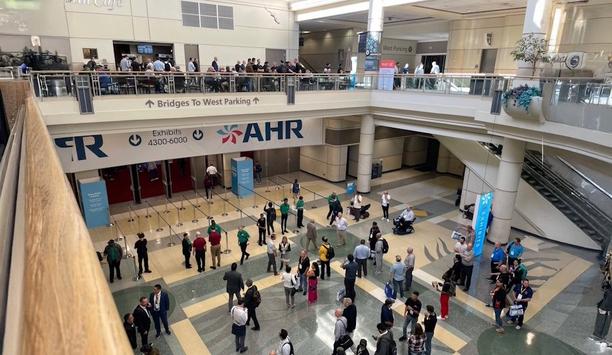
The HVAC Industry gathered in Orlando for AHR Expo 2025, focusing on the latest advancements in technology. Attendees included contractors, manufacturers, engineers, system design professionals, facility managers, architects, wholesalers, and distributors. This year’s expo highlighted game-changing innovations, regulatory shifts, and emerging trends designed to enhance efficiency, sustainability, and connectivity. For HVAC professionals, these developments translate into practical solutions that improve system performance, optimize energy use, and simplify compliance with evolving industry standards. The Next Phase of Refrigerant Transition The transition to A2L refrigerants is a dominant theme at this year’s expo, with major players such as Arkema, Chemours, LG Electronics, Rheem, Daikin, and others showcasing the latest refrigerants and equipment solutions. Following the deadline of Jan. 1, 2025, the shift from R-410A to R-32 and R-454B is well underway, with 80% of manufacturers opting for R-454B. While concerns about flammability persist, experts emphasize that proper training and system design can mitigate risks. LG Electronics' full product line Some OEMs opted for R-454B as an option that is closer to a “drop-in” solution Some OEMs opted for R-454B as an option that is closer to a “drop-in” solution. Daikin was among the manufacturers to go all-in on R-32, which required a complete redesign of product components, ultimately pioneering to more efficient, cost-effective systems, according to the company. LG Electronics' full product line now uses R-32 refrigerant, and they started shipping products in December. All R-410A equipment will be gone by the end of Q1. variety of products on R-454B refrigerant Rheem announced their 100-year anniversary, and a new tagline, "Engineered for Life." They say the trend is toward side-discharge heat pumps, although the industry needs a mix of both. They had a variety of products on display that use R-454B refrigerant. Attendees at AHR Expo 2025 came away with an understanding that refrigerant regulations and selecting compatible equipment will be crucial for ensuring smooth transitions in commercial and residential applications. Intelligent Building Automation and Controls Smart HVAC technology is revolutionizing building control, with AI-driven automation Smart HVAC technology is revolutionizing building management, with AI-driven automation, IoT connectivity, and remote monitoring taking center stage. Companies like Distech Controls and Schneider Electric are introducing IP-based controllers that integrate seamlessly with existing building management systems. Belimo’s intelligent butterfly valve and Delta’s Node-RED Programming with built-in Python support, among other products, are making automation more powerful and user-friendly. Copeland’s Sensi Touch 2 smart thermostat Copeland’s Sensi Touch 2 smart thermostat and Sensi equipment interface module (EIM) can eliminate the need to pull additional wires during installation. The system is weatherproof, indoor, or outdoor, and communicates using radio frequency (RF). AHR Expo 2025 made a strong case that investing in smart controls will improve operational efficiency, reduce downtime, and enable predictive maintenance. Hydronic Systems for Data Center Cooling One major player is Bell & Gossett/Xylem, whose hydronic cooling systems target data center market The rise of data center cooling solutions was another recurring theme at AHR. One prominent player is Bell & Gossett/Xylem, whose hydronic cooling systems target the data center market. The company’s e-1531X and e-1532X smart pumps offer enhanced energy efficiency and a larger "efficiency island." These systems are designed to meet the growing demand for sustainable data center cooling, providing a net-zero roadmap. As data center energy consumption rises, hydronic solutions offer a scalable, efficient approach to thermal management. Heat Pumps Expand Capabilities and Market Reach Heat pumps continue to dominate as a top energy-efficient alternative for commercial and residential applications. Companies such as Danfoss, Mitsubishi, and Samsung are pushing the boundaries with heat pumps that operate in extreme temperatures. Danfoss is progressing forward related to four application areas at AHR 2025--heat pumps, data centers, RTU/DOAS, and retail/refrigeration. Emphasis is on lower emissions and better energy efficiency. Midea drew a lot of attention at AHR 2025, including modular air handler Midea drew a lot of attention at AHR 2025, including their modular air handler – the EVOX G³ – that breaks down into three pieces for easy movement and installation in any of six configurations. They are also opening showrooms throughout the country so consumers and contractors can see and touch the products. Integration with renewable energy sources Johnson Controls-Hitachi mini-splits have a self-cleaning feature called FrostWash Johnson Controls-Hitachi Air Conditioning’s Hitachi mini-splits have a self-cleaning feature called "FrostWash;" they intentionally build a frost layer on the coil so the fine particulates can be captured and then melted away, thus avoiding mold and other contaminants. It can be used in lieu of UV light, which damages plastics. The heat pump market is growing rapidly, and advancements in low-temperature performance and integration with renewable energy sources will drive adoption. The Drive Toward Sustainability Sustainability is a recurring theme at the expo, with manufacturers prioritizing energy-efficient equipment, smart automation, and low-GWP refrigerants. Companies like Lennox, and Rheem are launching highly efficient packaged rooftop units and unitary heat pump systems. Grundfos’s distributed pumping technology and Ziehl-Abegg’s ZAcore intelligent control platform further demonstrate the industry's push toward lower energy consumption and minimal environmental impact. Investing in sustainable HVAC technologies Availability is paramount, and they are opening a new factory in Mexico Lennox is serving the "emergency replacement" market for HVAC equipment with their Xion line. Availability is paramount, and they are opening a new factory in Mexico. Telling the "story" of humidification at AHR 2025, Condair has products for any vertical. They say more education and awareness are needed on the value of humidification. As regulations tighten and demand for green building solutions rises, investing in sustainable HVAC technologies will be critical for long-term success. Smarter, Cleaner, and More Efficient AHR Expo 2025 underscores the industry's shift toward smarter, cleaner, and more efficient HVAC solutions. Whether it’s refrigerant transitions, intelligent automation, or advanced heat pump technology, staying ahead of these trends will help HVAC professionals deliver superior performance while meeting regulatory requirements. The innovations showcased in Orlando set the stage for a future where HVAC systems are not only more efficient and environmentally friendly but also easier to manage and integrate into modern buildings.

The British Boiler Upgrade Scheme (BUS) is an essential initiative for building owners, security professionals, and HVAC experts aiming to reduce carbon emissions and energy costs. Designed to replace aging fossil fuel boilers with low-carbon alternatives, this United Kingdom government-backed scheme provides financial incentives that make upgrading more accessible. With rising energy prices and stricter environmental regulations, the program could benefit property investors and tenants while fostering collaboration across the HVAC industry. What is the British Boiler Upgrade Scheme? The British Boiler Upgrade Scheme (BUS) is a government program focused on reducing the UK’s carbon footprint. It encourages homeowners and building owners in England and Wales to upgrade their outdated fossil fuel-based heating systems. The scheme offers grants of up to £7,500 (around $9,600) for air or ground-source heat pump installations and £5,000 (about $6,400) for biomass boilers. Environmentally friendly alternatives The program's target is to facilitate 600,000 heat pump installations per year by 2028 These grants help offset the costs of upgrading to more environmentally friendly alternatives, making it more appealing for building owners to switch. The program's target is to facilitate 600,000 heat pump installations per year by 2028, but uptake has been slower than anticipated due to several challenges, including limited public awareness and a shortage of trained installers. Air-source heat pump grants The government’s latest figures show a growing demand, with applications reaching 55,095 by the end of September 2024. Most grants (97%) are for air-source heat pumps. In September, 1,882 grants were paid out, bringing the scheme’s overall total to 34,438 grants. "An uplift in applications for September, following a record year for heat pump installations so far, reaffirms that more homeowners than ever are recognizing the substantial benefits of upgrading to greener heating systems,” comments Gav Murray, Hive Heating Director at Centrica New Business and Net Zero. Additional funding “The government's announcement of additional funding for the upgrade scheme will help to alleviate concerns that support for households was set to be reduced,” Murray adds. “Industry leaders must now work together to capitalize on this and ensure the workforce has the skills to convince would-be adopters and deliver on rolling out the technology to more homes across the country.” How the Scheme Promotes Greater Use of HVAC Technology The inclusion of hybrid heat pumps in the scheme allows for a smoother transition The Boiler Upgrade Scheme serves as a driving force behind the increased adoption of advanced HVAC technologies like heat pumps. By providing financial incentives, it encourages building owners to transition to sustainable systems that are more energy-efficient and environmentally friendly. Not only do these technologies reduce greenhouse gas emissions, but they also align with the UK’s broader initiative to reach net-zero carbon emissions by 2050. Importantly, the inclusion of hybrid heat pumps in the scheme allows for a smoother transition. These systems combine traditional boilers with heat pumps, offering the quickest route to decarbonization for existing properties without demanding excessive financial outlay. Benefits for Tenants and Investors The Boiler Upgrade Scheme offers numerous benefits for both tenants and investors. For tenants, upgrading to heat pumps or biomass boilers means lower energy bills due to increased efficiency. This reduction in utility costs is particularly attractive in a time of rising energy prices. Additionally, the environmental benefits of these upgrades—namely, reduced carbon emissions—are a strong selling point for environmentally conscious tenants. Energy Performance Certificate (EPC) ratings For investors and building owners, there are financial gains as well. The installation of modern HVAC systems can increase property values by enhancing energy efficiency and lowering operational costs. Buildings with better Energy Performance Certificate (EPC) ratings are more attractive to investors, offering lower long-term running costs and potentially higher rental income. Moreover, the ability to command higher property values and comply with future environmental regulations adds to the scheme's appeal. Encouraging Collaboration Across the Industry The Boiler Upgrade Scheme promotes collaboration among various stakeholders in the building and HVAC The Boiler Upgrade Scheme goes beyond offering financial incentives, it promotes collaboration among various stakeholders in the building and HVAC industries. Building owners, managers, architects, and HVAC professionals must work together to ensure that new systems are installed correctly and that properties are optimized for energy efficiency. BMS and smart technology The scheme also creates an opportunity to integrate energy-efficient upgrades with building management systems (BMS) and smart technology solutions. These integrated systems can enhance overall building performance, reduce energy consumption, and improve tenant comfort and security. Hybrid heat pumps, now included in the scheme, further encourage industry collaboration. Their adoption requires a coordinated effort from engineers, architects, and HVAC specialists to ensure that both the traditional and renewable components of the heating system work seamlessly together.
Case studies

PSR Mechanical, a pioneering commercial HVAC service provider in Seattle, has partnered with ECM Technologies, a national pioneer in HVAC operational efficiency and energy conservation, to bring ThermaClear® to the local market. This groundbreaking HVAC treatment significantly improves system performance and extends equipment life. The first Seattle treatment took place at The Museum of Flight, the world’s largest independent, nonprofit air and space museum, housing more than 150 aircraft and spacecraft on its 23-acre campus. optimizing system performance The programs deliver immersive, user-driven affairs around the subjects of aviation and robotics The Museum plays a vital role in community aerospace education, offering immersive STEM programming for K-12 educators and students. The programs deliver immersive, user-driven experiences around the subjects of aviation, space and robotics. By reducing energy use, optimizing system performance and lowering operating costs, ThermaClear frees capital for new exhibits and programs, safeguards delicate artifacts with reduced equipment downtime and delivers greater year-round comfort for the Museum’s guests and staff. Several HVAC units The initial treatment was completed on several HVAC units within the Museum’s Aviation Pavilion, and PSR Mechanical is scheduled to treat an additional 282 tons throughout the rest of the campus within the coming months. Among the treated units is the system that cools the historic first jet Air Force One, used by Presidents Eisenhower, Kennedy, Johnson, and Nixon. Declining HVAC performance ThermaClear is a one-time therapy that eliminates internal oil fouling, a joint but often overlooked ThermaClear is a one-time treatment that eliminates internal oil fouling, a common but often overlooked cause of declining HVAC performance. The treatment works by displacing oil buildup on heat exchanger coils, restoring maximum energy efficiency and allowing optimal heat transfer. It also super-lubricates compressors, reducing wear and tear and lowering the risk of failures. By forming a permanent protective barrier inside the system, ThermaClear prevents future oil fouling and the efficiency losses that come with it. This leads to fewer repairs, reduced operating costs and greater reliability with less system downtime. ThermaClear Preferred Service Network The introduction of ThermaClear in Seattle follows a national partnership between ECM Technologies and Service Logic, the largest privately held commercial HVAC service provider in the United States. As a Service Logic company, PSR Mechanical is now one of a limited number of North American providers in the ThermaClear Preferred Service Network. This exclusive designation allows PSR to offer ThermaClear as part of its ongoing commitment to building performance and reliability. Range of preventive maintenance programs “Adding ThermaClear to our service and project offerings allows us to combine our deep expertise in preventive and predictive HVAC maintenance with a cutting-edge technology that restores lost efficiency and protects systems long term,” said Greg Hagen, vice president of PSR Mechanical. PSR Mechanical currently offers a full range of preventive maintenance programs designed to keep HVAC systems running efficiently and reliably. Over time, neglected maintenance issues can contribute to energy loss and premature equipment wear. With the addition of ThermaClear, PSR can help clients restore HVAC systems to peak performance and maintain long-term efficiency.

The Olsen Group, based in Boca Raton, Florida, is a national pioneer in HVAC energy optimization. Donald Olsen and his seasoned team of HVAC control specialists have been in business for two decades, integrating energy-saving solutions into over a thousand commercial and large-scale residential projects. In the process, the Olsen Group has become one of North America’s top suppliers of Verdant thermostats. Verdant devices leverage intelligent occupancy sensors and proprietary software to reduce HVAC runtimes by 45 percent on average. HVAC control integration Verdant’s effectiveness, reliability, and broad compatibility have made Verdant the energy management solution of choice for thousands of hotels and MDUs, including multifamily buildings, senior living, and student housing. The Olsen Group has forged a productive two-way partnership with Verdant. Donald Olsen and his team have made it a priority to share data, customer feedback, and requirements with Verdant – and Verdant, in turn, has come to rely on Olsen when they need to field test a new solution. In May of 2024, Verdant reached out to Olsen for help with a new pilot program aiming to facilitate more effective HVAC control integration, easier service, and deep energy savings for MDU projects around the globe. The Challenge Commercial VRF systems have an extremely attractive set of upsides for hotel operators Inverter (VRF) system design is becoming increasingly common in hospitality settings. Commercial VRF systems have an extremely attractive set of upsides for hotel operators. They are significantly more energy efficient and quieter than traditional VTACs or PTACs; they can provide simultaneous heating and cooling to different zones for optimal guest comfort; and they allow both individual room-level setpoint control and building-level centralized management. However, the majority of VRF units cannot connect directly to a third-party smart thermostat. Because they rely on proprietary manufacturer protocols for variable speed commands and internal diagnostics, VRF units require an external control solution to facilitate bidirectional communication with Verdant thermostats. Installation and commissioning process Every additional component in a system adds complexity and opportunity for human error. In hotels, that complexity is multiplied across hundreds of rooms. “HVAC systems are installed dark for new builds, with no power running to the site,” says Donald Olsen, President and Owner of the Olsen Group. “There’s no way to test as we go. If there are any mistakes during installation, we find out about it when the lights go on after project completion.” And mistakes are nearly inevitable. Some third-party controllers have prominent dipswitches that can be easily snagged or tripped during transportation or installation, altering their configuration and causing them to fail once the system is powered. These switches are often accidentally tripped multiple times throughout the installation and commissioning process, pioneering to a never-ending cycle of errors and service calls. VRF control solutions Adding to the issue, not all third-party control keys have the ability to retrieve and solve system error codes “Once properly configured and installed, VRF control solutions tend to be incredibly reliable,” says Olsen. “Getting them there is a real challenge, however. Accidents, human error, and repeated recalibrations can drive serious project overruns and client dissatisfaction.” Adding to the problem, not all third-party control solutions have the capability to retrieve and translate system error codes. “If the central management system isn’t getting certified manufacturer control signals from the control device, it may no longer recognize the thermostat. The system will continue to function, but it will always show up in the central manager with an error message,” warns Olsen. Airzone Aidoo Pro control solution These false error reports degrade the overall utility of the central management system, robbing operators of the ability to detect and mitigate problems proactively and requiring onsite testing to diagnose any issues. As VRF systems become the norm for hospitality projects, Verdant needed a solution to reduce the possibility of accidental misconfiguration and improve visibility into system functionality. They called on Olsen to conduct a pilot program, retrofitting sixteen VRF units in the Jacksonville Beach, FL Springhill Suites with the Airzone Aidoo Pro control solution. The Solution For the pilot, the Olsen Group outfitted each VRV unit in the loop with an Aidoo Pro controller The Jacksonville Beach Springhill Suites is a 156-room hotel with a state-of-the-art Daikin VRV rooftop chiller system. The Airzone Aidoo Pro ships preconfigured for the specific HVAC unit model, reducing the possibility for errors during initial installation. For the pilot, the Olsen Group outfitted each VRV unit in the loop with an Aidoo Pro controller. This 1:1 system design simplifies operations and troubleshooting: Any issue can be immediately traced back to a single unit, minimizing the scope and duration or repair downtime. “The Airzone Aidoo Pro offered two key upgrades as a VRV control solution,” says Olsen. “First, the dipswitches are recessed, making them much harder to trip accidentally. Second, Aidoo makes the system much easier to service. We can read error codes, run tests, and diagnose issues remotely, without ever needing to disrupt a guest’s stay.” Airzone’s expansive library This advanced remote management is enabled by Airzone’s expansive library of manufacturer protocols. “Because of our close relationship with HVAC manufacturers, Aidoo Pro can provide the proprietary control signals the central management system is expecting to see,” says Borja Fernandez, Director of OEM Solutions, Airzone. “That preserves all the features of the HVAC unit and thermostat, while also eliminating persistent false error codes. With Aidoo Pro, the central management system can function as a single-pane-of-glass HVAC monitoring and control solution for the building, as intended.” Results and Next Steps The pilot program is expanding to new builds around the globe, including projects in the UK Olsen reports that Springhill Suites is happy with their upgraded VRV system. “They have more visibility into the system and fewer services calls,” says Olsen. “When there is an issue, we can diagnose it remotely for faster resolution and less guest room downtime. It’s a much better customer experience overall.” Verdant is encouraged as well. This pilot program is expanding to several new builds around the globe, including projects in Central America, the Caribbean, the UK, and the EU. HVAC energy savings “There is a massive untapped market for energy-efficient HVAC upgrades in the Caribbean region,” says Olsen. “Energy costs there can exceed a dollar per kilowatt hour. Cost-effective devices like Verdant thermostats and the Airzone Aidoo Pro pay for themselves very easily in that scenario.” Verdant and the Olsen Group have built global brands by helping commercial properties realize significant HVAC energy savings. Through the Airzone Aidoo Pro pilot program, they are continuing to innovate, enabling reliable integration and enterprise-grade control on highly efficient VRF units. “The demand for commercial VRF control is definitely there,” says Olsen. “With Verdant and Airzone, we can deliver it with ease.”

Nearly Bergamo, Italy, there is a weather station that collects meteorological data and monitors air quality. Its operation requires professional equipment that, however, works without a permanent power supply or the presence of staff. Such conditions put the equipment and other assets at risk. In fact, the station had already suffered from several intrusion attempts and needed a security system to be put in place. Challenge Protect a remote object without a permanent power supply Like many remote objects, the weather station does not have a permanent power supply and cannot afford a full-time presence of staff members on the site. After several intrusion attempts, the client needed to secure an area of 600 square meters, prevent equipment theft, and put an end to the damage made to the agricultural produce growing on the site. They looked for a professional security system that could operate outdoors without mains power and was easy to manage remotely. Solution Wireless outdoor security system with flexible power options and remote control The implemented security system consists of 11 Ajax devices, coupled with a third-party solar panel, battery, and case In response to the challenge, Von Wunster Next s.r.l. configured a solution for securing the object that has no permanent power source or staff on-site but has extensive sun exposure. The implemented security system consists of 11 Ajax devices, coupled with a third-party solar panel, battery, and case. At the core of the system, there is a Hub 2 (2G) Jeweller control panel with a low-voltage PSU 6V. The latter allows the hub to operate from an external 7 A h battery for years. The battery, in turn, is charged via the 25 W solar panel (10 A). If the external power supply fails, the hub switches to a built-in battery and continues to protect the object for up to 16 hours or even 60 hours if the Battery Power Saver feature is enabled. The client and central monitoring station of the security company instantly receive a notification about the power issue to be fixed. The company has enough time to get to the remote object for restoring power without compromising its security. A SIM card (2G) ensures connection with the network, so Von Wunster Next s.r.l. won’t miss a thing. StreetSiren DoubleDeck Other elements of the security system are wireless outdoor Ajax devices that operate with pre-installed batteries for up to 3 years. Several MotionCam Outdoor Jeweller cover the perimeter and detect movement within seconds. The device’s photo-by-alarm feature allows minimizing expensive patrol dispatches to false alarms and gives the client peace of mind. StreetSiren DoubleDeck activates the sound of up to 113 dB and bright LED indicators in response to an alarm to deter and expose intruders. Communication with the wireless devices is provided via Ajax proprietary radio protocols Jeweler and Wings at a distance of up to 2,000 m. It’s perfect for covering large areas such as that of the station. Ajax SpaceControl Jeweller key fobs Dealing with the security system is as easy as it gets for both the client and the security company The client can control security modes effortlessly. There are four end users with different rights, and they can manage the system in the Ajax app on their phones and with wireless Ajax SpaceControl Jeweller key fobs. Von Wunster Next s.r.l., which installed the system and conducts monitoring, can track the devices’ status and take care of their configuration and maintenance remotely in the majority of cases. Dealing with the security system is as easy as it gets for both the client and the security company. All the devices are either weather-resistant or reliably hidden in the case to withstand the impacts of the environment. Constant exposure to rain or sun does not affect the security system. Why Ajax Flexible power supply options. Ajax's product portfolio includes PSUs designed to connect the system to a low-voltage power supply even when no permanent power source is available. Wireless Ajax devices operate with pre-installed batteries for up to 3 years. Visual alarm verification. With photo verification, system users and monitoring company operators can promptly verify whether an alarm is real and save costs on patrol dispatches. It is a particularly important feature for remote objects. Remote system management. The system can be managed, configured, and maintained through Ajax apps with no people present on-site, which is a cost-effective solution for a remote object. Products Hub 2 (2G) Jeweller - Security system control panel with support for photo verification MotionCam Outdoor Jeweller - Wireless outdoor motion detector with a photo camera to verify alarms 6V PSU for Hub 2/Hub 2 Plus/ReX 2 - Power supply unit for operation of the device from portable battery StreetSiren DoubleDeck Jeweller - Wireless outdoor siren with a clip lock for a branded faceplate Ajax SpaceControl Jeweller - A key fob for controlling security modes

When the Florida Keys Aqueduct Authority opens its upgraded desalination plant on Stock Island, Danfoss high-pressure pumps and energy recovery devices will radically improve the energy efficiency of a SWRO plant that plays a central role in the Florida Keys water supply strategy. The Florida Keys Aqueduct Authority (FKAA) supplies 20 million gallons of potable water per day (75.7k m3/d) to its nearly 80,000 customers in the Florida Keys. While most of the water is normally sourced in aquifers, FKAA also operates two seawater reverse osmosis (SWRO) plants for emergency purposes and as a supplemental supply in periods of high demand. FKAA initiated the SWRO plant upgrade FKAA initiated the upgrade of one of these plants, the Kermit H. Lewin Water Treatment Plant located on Stock Island, to increase its capacity, make it more resilient to hurricanes and rising flood levels, and improve its energy efficiency. Since opening in 1980, not only have guidelines for storm protection of such critical infrastructure changed significantly, so has the potential to save on the energy required by desalination. Designed to withstand future floods and hurricanes With sustained winds above 157 mph, such storms can cause severe damage to everything in their path To improve resiliency to extreme weather events in the low-lying Florida Keys, the entire site and facility have now been upgraded to withstand Category 5 hurricanes, the most dangerous level of tropical storms. With sustained winds above 157 mph (252 kph), such storms can cause severe damage to everything in their path. Accordingly, the refurbished facility lifts all electrical and mechanical equipment above the base flood elevation and the expected sea-level rise anticipated by 2060, effectively placing the plant’s desalination operations on stilts to mitigate the risk of severe flooding. improve the plant’s energy efficiency Another key goal of the upgrade was to improve the plant’s energy efficiency at the same time as doubling its production capacity from 2 MGD (7,500 m3/d) to 4 MGD (15,000 m3/d). To bring the refurbished plant up to date and reduce its financial and environmental costs, Carollo, a major U.S. engineering firm specializing in water and wastewater facilities, specified the latest axial-piston high-pressure pumps to replace legacy centrifugal pumps and swapped out old turbines for the newest active isobaric energy recovery technology. Upgraded plant to consist of four RO trains This innovative high-pressure setup dramatically reduces the plant’s energy needs This innovative high-pressure setup dramatically reduces the plant’s energy needs. In the new Kermit H. Lewin Water Treatment Plant being built by Biwater, a world pioneer in water treatment, the RO process-specific energy consumption will be slashed from 25.6 kW/kgal (6.77 kWh/m3) to 8.6 kW/kgal (2.27 kWh/m3). With this improvement, the new plant will be among the most energy-efficient in its class, with significantly reduced electricity bills and greenhouse gas emissions. The upgraded plant will consist of four RO trains, each of which includes two Danfoss APP 86 high-pressure pumps and three Danfoss iSave 70 ERDs. Improvement in energy efficiency In addition to the dramatic improvement in energy efficiency, configuring each train with parallel high-pressure pumps provides additional resilience and other benefits: the smaller pumps are easier to lift and work on, and it is now affordable to keep a spare pump in stock. The new improved plant will come online in Q4 2024. The new Kermit H. Lewin Water Treatment Plant is located just north of the existing plant. Construction began in Q3 2021 and will be completed by Q2 2024. The plant is expected to be fully operational by Q4 2024.

Water and energy efficiency company Cenergist has been appointed by Ashford Borough Council to provide a nutrient neutrality solution for a new 1,000 home development using its patented Control Flow technologies. The site is within a nutrient-sensitive area that requires any new development to mitigate against increased localized waterway pollution. Cenergist’s patented Control Flow products are pressure-independent flow controllers that provide long-term reductions in water wastage and nutrient emissions from homes as well as improve the performance of existing gas boilers. By eliminating the fluctuations in the water supply caused by system pressure changes, Control Flow provides a steady precise water flow to the home. Control Flow installations By installing in existing homes in the area, Control Flow creates the headroom for new builds Performance tested in both the UK and Europe, Control Flow has been shown to reduce water and energy bills by up to £360 per annum with a 98% customer satisfaction rating. By installing in existing homes in the area, Control Flow creates the headroom for new builds. Under the contract, Cenergist will determine the precise number of Control Flow installations required to offset all the nutrient emissions from the new development at Ashford. Working with the council, it will then contact and persuade householders of the benefits of the technology and then carry and complete the installations and provide the necessary assurance to allow Natural England to sign off on the development. The project follows on from the use of Control Flow to unlock a development in Crawley that had previously been held up due to water scarcity concerns. Nutrient neutrality strategies Paul Mckenner, head of strategic projects at Ashford Borough Council, said: “The retrofitting works is part of a series of measures to unlock approximately 1,000 new dwellings which the Council has a vested interest in.” In England, waterways including lakes, rivers and estuaries are protected under the Conservation of Habitats and Species Regulations 2017. Natural England has mandated that developments located near vulnerable watercourses require nutrient neutrality strategies to prevent negative ecological impact." Caroline Gray Mason, business development director at Cenergist commented: “Nutrient neutrality is a significant challenge facing developers as they look to deliver much-needed housing in a sustainable, responsible way. It is essential to be on the front foot with nutrient mitigation measures to minimize the environmental impact of new developments in vulnerable areas. Securing this contact with Ashford Borough Council is a testament to Control Flow’s role to mitigate nutrient pollution by reducing the level of emissions from existing homes.”

With nearly nine out of ten new school sites above the World Health Organization (WHO) targets on major air pollutants, Elta is urging decision makers for schools’ building services to address the problem through a ‘three-step’ process to ventilation specification and maintenance. The callout follows a study led by researchers from Evelina London Children’s Hospital and King’s College London (KCL). Following their analysis of 147 new school locations around England that were to be built between 2017 and 2025, the researchers found that 86% of those sites exceeded air quality targets. Those targets are for particulate matter PM2.5, PM10, and NO2 (Nitrogen Dioxide), pioneering to the conclusion that air quality around new schools is “alarmingly poor”. Three steps to prevent poor air With emerging studies also showing that poor air quality leads to lowered cognitive growth With emerging studies also showing that poor air quality leads to lowered cognitive growth, Elta, UK’s pioneering experts in ventilation equipment, outlines three measures to tackle the problem. The three steps are aimed at preventing poor air from entering the school building and classrooms, including: Installing air monitoring equipment in schools to identify concentrations of particulate matter, nitrogen dioxide, and other contributors to poor air quality Using correctly specified mechanical ventilation systems to process and filter air of harmful particulate matter and substances, to bring indoor air quality to a safe level Having a robust maintenance schedule in place to clean ventilation equipment on a regular basis Decision-makers for building services David Millward, Group Product Manager at Elta Group, the parent company of Elta, said: “This latest study by Evelina London Children’s Hospital and King’s College London is a harsh wake-up call to everybody in the country and is a reminder that poor air quality has a real detrimental effect on children. Not only is it harmful from a health perspective, putting pupils with respiratory conditions like asthma at higher risk, but poor air also impairs children’s learning and ability to concentrate. “While outdoor air is hard to regulate, there are some immediate steps that decision-makers for building services can take to improve indoor air quality in schools. Through three simple steps of air quality monitoring, correct specification of mechanical ventilation systems, and regular maintenance of these systems, we can at least prevent poor air from making its way into the classroom.” Framework for ventilation Framework for ventilation in schools and recommended performance levels to comply with UK regulations David highlights that ‘Approved Document F – Ventilation – Volume 2’ of the Building Regulations gives guidance about air quality monitoring requirements in buildings other than dwellings. Meanwhile, ventilation decision-makers for schools should follow the guidance given in the UK Government’s Building Bulletin, BB 101, to understand the framework for ventilation in schools and recommended performance levels to comply with UK regulations. David also urges those in charge of building services for schools to collaborate with ventilation experts to ensure best practices and compliance is achieved. Effects of poor air quality David concluded: “With better collaboration across the supply chain, we can protect the next generation from the effects of poor air quality, and improve indoor air quality across new schools, as well as old." "At Elta, our ventilation experts are always available to help provide guidance and help design ventilation systems, either for newly built schools or for retrofitting to existing school stock.”
Round table discussion

As energy costs rise and environmental concerns grow, government incentives make energy-efficient HVAC systems (especially heat pumps) more affordable for homeowners and businesses. Government grants and rebates are acting as a powerful catalyst by making advanced technologies more accessible and affordable for a wide range of consumers. While federal tax credits for HVAC are expiring at the end of 2025, some federal rebate programs and various state/local incentives may continue. We asked our Expert Panel Roundtable: How are government grants and/or rebates impacting the HVAC market?

The HVAC industry impacts virtually every aspect of modern life, from our comfort and health to economic productivity and environmental sustainability. However, the HVAC industry is not without its challenges, whether related to people, equipment, regulations, or the economy. We asked our Expert Panel Roundtable: What is the biggest challenge currently facing the HVAC industry?

Installing HVAC equipment is not as simple as plugging in an appliance. Installers often face many hurdles, including complex system design, space constraints, accurate sizing and load calculation, and proper ductwork installation. But what are we forgetting? We asked our Expert Panel Roundtable: What is the most overlooked factor when installing HVAC systems?





Safety Certification Of IT Equipment Cooling In Data Centers
Download
The Advantages Of Cooling Tower Retrofits Using EC Fan Arrays
Download
The Water Is Fine: Diving Into Air-To-Water Heat Pumps
Download
Heat Pumps: Expert Insights
Download
The Hidden Energy Drain
Download