

The HVAC industry stands at a critical juncture, facing substantial regulatory pressures aimed at reducing its environmental impact through the phased elimination of high Global Warming Potential (GWP) refrigerants.
Driven by international agreements and local environmental guidelines, manufacturers, suppliers, and service providers are swiftly transitioning towards more sustainable alternatives. This shift is fundamentally reshaping compressor technologies, retrofitting procedures, and lifecycle management strategies for HVAC systems.
Newer refrigerants
Refrigerants such as R410A, widely used for decades, are rapidly being replaced by alternatives
Globally, regulatory bodies like the U.S. Environmental Protection Agency (EPA), the European Union's F-Gas Regulation, and international environmental protocols, such as the Kigali Amendment to the Montreal Protocol, mandate a significant reduction in refrigerants with high GWPs.
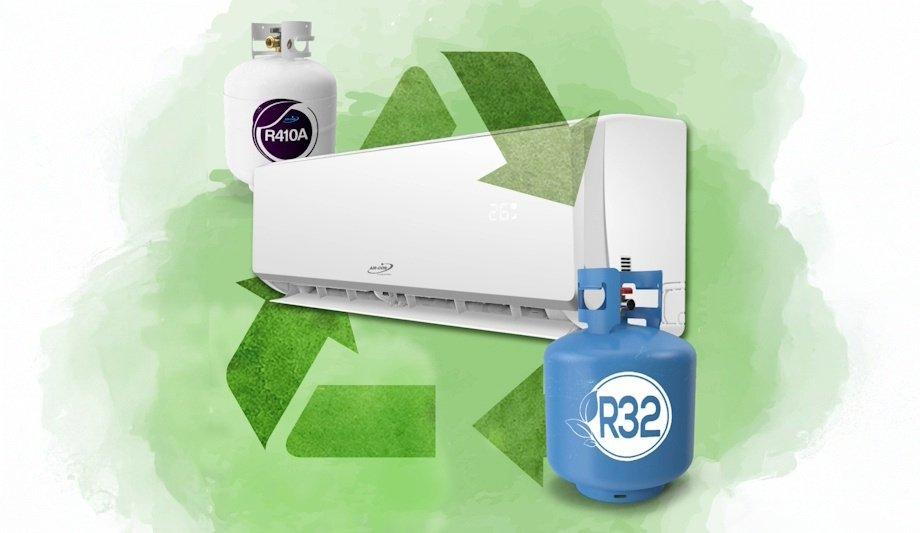
Refrigerants such as R410A, widely used for decades, are rapidly being replaced by alternatives like R32 and R454B, recognized for their markedly lower environmental impact. These newer refrigerants are not only less environmentally impactful, but they are also in increasingly high demand because of their role in meeting regulatory compliance.
Adapting Compressor Technologies
For HVAC companies, adapting to these changes requires significant investment and strategic planning. Compressor technology is a critical area demanding immediate attention, as the chemical properties of low-GWP refrigerants differ substantially from traditional refrigerants. To effectively utilize these new refrigerants, compressors must be meticulously redesigned or swapped out for a new system, to ensure system efficiency and performance is maintained.
Industry best practices recommend thorough evaluations of compressor efficiency, reliability, and compatibility with the new refrigerants. Companies are encouraged to prioritize high-quality compressors, sophisticated electronics like Printed Circuit Boards (PCBs), and precisely calibrated controls that optimize energy consumption and cooling efficiency. The goal is to achieve a sustainable balance among affordability, performance, and environmental responsibility.
Transitioning existing HVAC systems
Industry pioneers advocate for wide technician training programs as an vital strategy
Transitioning existing HVAC systems introduces significant complexities, as retrofitting requires substantial modifications to components, controls, and infrastructure. The retrofit process can be both technically challenging and costly. Industry pioneers advocate for comprehensive technician training programs as an essential strategy for managing these challenges. Such programs empower HVAC professionals with critical knowledge about refrigerant handling, retrofitting techniques, and adherence to new standards.
Participating in robust training programs and utilizing essential tools—such as manifold gauges, refrigerant recovery tanks, and adapters—is vital for facilitating a smooth transition industry-wide. Those looking to get ahead should also look to partner with a targeted consultation and technical support services, helping businesses evaluate specific needs and make informed decisions about retrofits. This personalized approach significantly enhances the likelihood of successful system upgrades and regulatory compliance.
Comprehensive Lifecycle Management
Sustainability extends well beyond refrigerant selection, encompassing all aspects of HVAC system management—from manufacturing to end-of-life disposal. Partnering with HVAC suppliers that have obtained certifications such as Energy Star and AHRI guarantees the products meet stringent standards for energy efficiency, reliability, and environmental performance.
Companies are increasingly adopting sustainable manufacturing practices, including the use of recycled materials, reducing waste during production, and minimizing carbon emissions through efficient manufacturing processes. Effective lifecycle management also involves proactive maintenance strategies that extend the operational life of HVAC systems, minimizing the frequency and scale of necessary replacements.
Partner with certified recycling facilities
Companies can partner with certified recycling facilities to ensure the proper handling and disposal
Furthermore, readily accessible replacement parts ensure rapid repairs, reducing downtime and preventing premature system disposal. Proactively managing refrigerant supplies, including responsible storage and accurate tracking of refrigerant usage, prevents leaks and reduces emissions.
At the system’s end-of-life, promoting responsible recycling practices for components like compressors, coils, and electronics significantly minimizes environmental impact. Companies can partner with certified recycling facilities to ensure the proper handling and disposal of these materials, further driving towards holistic compliance with sustainability standards.
Importance of proactive preparedness and agility
Historical shifts, like the transition from R22 to R410A, have highlighted the importance of proactive preparedness and agility. Companies anticipating regulatory changes and proactively adapting their processes and products are better positioned to lead and provide compliant, reliable solutions.
Such proactive measures demonstrate the value of having the necessary tools, resources, and training well-established before further regulations take effect.
Future Outlook and Emerging Trends
HVAC industry must remain vigilant regarding evolving rules and technical advances
The HVAC industry must remain vigilant regarding evolving regulations and technological advancements. Ongoing monitoring and adaptation to standards on refrigerants, energy efficiency, and environmental sustainability are crucial. Companies embracing innovation and continuous education will effectively stay ahead of regulatory developments, offering superior value to clients.
Emerging trends indicate an increased focus on integrated technologies and smart HVAC systems that maximize efficiency and minimize environmental impact. Companies investing early in such technologies will likely see enhanced market positioning and customer satisfaction.
Air-Con’s extensive industry experience
Air-Con International exemplifies industry best practices in transitioning to low-GWP refrigerants. Through proactive compliance measures, advanced compressor technology selection, and sustainable lifecycle management, Air-Con showcases its leadership and preparedness. The company's early adoption of EPA-approved refrigerants, such as R32 and R454B, demonstrates its strategic foresight in navigating complex regulatory landscapes.
Moreover, Air-Con’s extensive industry experience provides HVAC professionals with critical expertise and tools required for effective system retrofits and maintenance. Their robust consultation services further assist businesses in customizing HVAC solutions to align with evolving standards and specific operational needs.
Air-Con International’s dedication
Air-Con International’s dedication to sustainability across its product lifecycle is evident via its Energy Star
Air-Con International’s dedication to sustainability across its product lifecycle is evident through its Energy Star and AHRI-certified products. For instance, Air-Con’s Serene Plus Series features R32 refrigerant, inverter technology, and integrated Wi-Fi controls, showcasing Air-Con’s commitment to innovation, efficiency, and environmental responsibility.
Additionally, the Saturn Front Return Series offers flexible, high-efficiency solutions tailored specifically for residential applications, merging environmental benefits with operational efficiency.
Sustainable growth in an evolving market landscape
As regulatory changes mandate the shift toward low-GWP refrigerants, HVAC industry members must adopt proactive strategies encompassing technological innovation, comprehensive education, and lifecycle management.
Air-Con International sets a prime example of how careful planning, strategic technological investments, and robust support systems facilitate compliance, drive innovation, and ensure sustainable growth in an evolving market landscape.