EPA
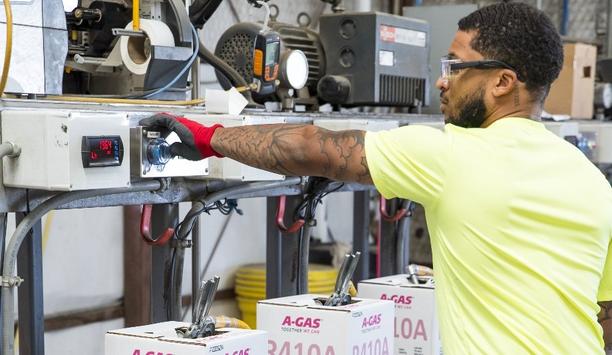
A-Gas, a world pioneer in responsible lifecycle refrigerant management, announces its participation at the 2025 HARDI conference from December 8-11, 2025, in Las Vegas, NV. Attendees can visit A-Gas at Booth 326 to explore advanced reclamation and recovery solutions and are invited to attend a featured panel session led by A-Gas President Mike Armstrong. The panel will address critical strategies for securing the future of refrigerant supply amid AIM Act-driven market changes and potential shor...
A-Gas, a pioneer in environmentally responsible lifecycle refrigerant management, is proud to support California’s recent regulatory changes by providing its PENGUIN™ Certified Reclaimed Refrigerants, which are fully compliant with the latest state requirements outlined in Assembly Bill (AB) 663. Criteria for certified reclaimed refrigerant AB 663, signed on October 1, 2025, clarifies California’s State Bill (SB) 1206 and establishes strict criteria for what qualif...
A-Gas, a world pioneer in environmentally responsible lifecycle refrigerant management, is proud to support California’s recent regulatory changes by providing its PENGUIN™ Certified Reclaimed Refrigerants, which are fully compliant with the latest state requirements outlined in Assembly Bill (AB) 663. AB 663, signed on October 1, 2025, clarifies California’s State Bill (SB) 1206 and establishes strict criteria for what qualifies as a certified reclaimed refrigerant. Under the...

A-Gas, a globally renowned company in responsible lifecycle refrigerant management, offered its Rapid Recovery® services in the cleanup of Western North Carolina following Hurricane Helene. With a Rapid Recovery location in Charlotte, North Carolina, A-Gas is poised to provide the region with on-site refrigerant recoveries as needed. In the aftermath of Hurricane Helene, the Rapid Recovery Team collected refrigerant from big-box stores that experienced damage from the storm, minimizin...

Indoor plants are a great way to create an inviting, yet vibrant, home — but can they help users in their quest toward making a healthy home? Plants for the house offer a wealth of benefits, but healthy air isn’t one of them. “The scientific literature shows that indoor houseplants — as would typically be implemented in a person’s home — do very little to clean the air,” suggests Portland State University Professor - Elliot Gall. Contrary to popul...

AirNow.gov is the primary resource in the United States for up-to-date measurements of air quality. It’s part of the Environmental Protection Agency’s (EPA) index for reporting air quality conditions all across the country. While this is an extremely helpful resource, it is focused on general conditions across large regions and may miss or ignore hyperlocal conditions near the home, which may be far away from the nearest monitor. Local air quality can be impacted by things...
News

Spring in Colorado brings not only beautiful blooms but also the challenges of high pollen counts and unpredictable weather patterns. For homeowners, this means ensuring that their HVAC systems are ready to tackle the changing conditions while maintaining indoor comfort and air quality. These essential tips will be helpful in preparing the HVAC for Colorado’s spring season. Air Filters An HVAC air filter prevents dirt and debris from damaging the internal components An HVAC air filter prevents dirt and debris from damaging the internal components of the heating and cooling system. It also plays a critical role in protecting the home’s indoor air quality by capturing airborne contaminants that would otherwise recirculate throughout the living spaces. However, when they become clogged, they can impede airflow through the HVAC equipment, causing it to work harder. This can lead to higher utility bills, increased frequency of repairs for worn parts, and lower heating and cooling system lifetimes. Replacing air filters The Environmental Protection Agency (EPA) recommends checking the air filters every month The Environmental Protection Agency (EPA) recommends checking the air filters every month and replacing them at least every three months. However, users may have to change theirs out more often in spring when more pollen and other particulate matter are in the air. Other factors that can necessitate more frequent filter replacements are if users have pets and how many people live in the household. The EPA’s suggestion that users inspect their filters once a month ensures they know when to replace them. Minimum Efficiency Reporting Value Users may consider using filters with a higher Minimum Efficiency Reporting Value (MERV). Filters with a higher rating can capture more airborne particulate matter, including pollen, dust, and pet dander. However, homeowners should consult with an HVAC technician before selecting a filter because one with a rating that is incompatible with the system can cause airflow issues and reduce system efficiency. Checking the Thermostat A simple way to test the thermostat is to tape a reliable thermometer to the wall next to it A thermostat measures a home’s indoor temperature and then sends a signal to the air conditioner or furnace to adjust the temperature to a comfortable level. While this sounds like a simple job, it’s crucial because, if a thermostat fails, the entire heating and cooling system may not work as desired. Users may, therefore, want to test their thermostat this spring to ensure it’s working properly. A simple way to test the thermostat is to tape a reliable thermometer to the wall next to it. Wait about 15 minutes, and then compare the two readings. If they are within a few degrees, the thermostat is reading the ambient temperature in the home correctly. If not, users will need the help of an HVAC technician to recalibrate it. Upgrading the Thermostat Homeowners can save up to 10% on heating and cooling costs by using programmable thermostats If users do not already have a programmable thermostat, they should consider upgrading to one. They allow users to create customized temperature schedules based on their household members’ daily routines. The U.S. Department of Energy (DOE) estimates that homeowners can save up to 10% on heating and cooling costs by using programmable thermostats, making them a worthwhile investment for Colorado’s variable weather conditions. For even greater convenience and energy savings, consider upgrading to a smart thermostat. Smart thermostats offer advanced features such as Wi-Fi connectivity, smartphone app control, and learning algorithms that adapt to the schedule and preferences. By analyzing the usage patterns, smart thermostats can optimize energy usage and provide valuable insights into the HVAC system’s performance. Cleaning and Maintaining Air Ducts Over time, dust, pollen, and other contaminants can accumulate inside a home’s air ducts, compromising indoor air quality and reducing HVAC efficiency. Professional duct cleaning can help remove these pollutants, improve airflow, and reduce the risk of allergy symptoms. The National Air Duct Cleaners Association (NADCA) recommends scheduling duct cleaning every 3-5 years or more frequently if users have pets or family members who are prone to allergies. During the cleaning, a professional will identify leaks in the ductwork that can allow contaminants into the forced air system, especially if they are in areas like attics or crawlspaces. Additionally, finding and sealing any gaps in the ductwork can minimize energy waste. Examining Outdoor HVAC Components The outdoor HVAC units are exposed to the elements year-round, making them susceptible to debris buildup The outdoor HVAC units are exposed to the elements year-round, making them susceptible to debris buildup. Before the start of the spring season, clear away any debris, such as leaves, twigs, or grass clippings, from around the unit to ensure proper airflow. In addition, trim back any vegetation or shrubs that may be encroaching on the unit, allowing at least 2 feet of clearance on all sides. Allowing the outdoor HVAC equipment breathing room prevents airflow issues that may cause it to overheat and cause a host of problems. Insulating the Home Air leaks around doors, windows, and other openings can contribute to energy loss Air leaks around doors, windows, and other openings can contribute to energy loss and discomfort in a home, especially during temperature fluctuations in the spring. Seal any gaps or cracks with weatherstripping or caulking to prevent warm air from escaping and cool air from infiltrating the living spaces. Additionally, adding insulation to the home’s attic, walls, and basement can further improve energy efficiency and comfort. The DOE estimates that properly insulating and air sealing the home can reduce heating and cooling costs by up to 20%, making it a cost-effective way to prepare for Colorado’s variable weather conditions. Regular Professional HVAC Maintenance Regular maintenance is key to ensuring the HVAC system operates efficiently and reliably Regular maintenance is key to ensuring the HVAC system operates efficiently and reliably throughout the year. Schedule a comprehensive tune-up with a qualified HVAC technician before the start of the spring season to address any issues and ensure optimal performance. During a maintenance visit, a technician will inspect and clean various components of the HVAC system, including the air conditioner, furnace, heat pump, and ductwork. They will also check refrigerant levels, lubricate moving parts, and test system controls to ensure everything is functioning as it should. Installing Indoor Air Quality Solutions In addition to regular HVAC maintenance, homeowners may benefit from investing in indoor air quality solutions. This spring may be an excellent time to invest in the home’s indoor air quality. Air Purifiers High-efficiency particulate air (HEPA) purifiers can remove airborne allergens from the home’s air, such as pollen, dust, and pet dander. A professional can integrate a whole-house air purifier into the current HVAC system and customize it according to the needs and budget. UV Air Purification Ultraviolet (UV) germicidal lights can kill mold, bacteria, and viruses that may be present in the HVAC system. They reduce the risk of family members getting ill or spreading colds to other household members. Humidifiers And Dehumidifiers Maintaining proper humidity levels in the home can help prevent mold growth and alleviate allergy symptoms. Humidifiers add moisture to dry air, while dehumidifiers remove excess moisture from humid air, creating a more comfortable and healthy indoor environment.
In January 2023, the Biden administration announced renewed efforts to combat air pollution and improve air quality protections across the United States. Alongside important steps people can take on an individual level to create a Healthy Home environment, this action by the Environmental Protection Agency (EPA) is crucial in ensuring everyone has access to Healthy Air. One area of focus for the new regulations is soot pollution. Dangers of Soot Soot is most often the result of burning fossil fuels and can also come from wildfires Soot is most often the result of burning fossil fuels and can also come from wildfires. It can contain a number of carcinogens, and it’s harmful to breathe for any period of time on both the respiratory and cardiovascular systems. Soot is usually found outdoors, but can make its way indoors through windows and doors. It is also present in homes with wood-burning fireplaces. Along with other indoor air pollutants like allergens and volatile organic compounds (VOCs), soot contributes to making indoor air up to 5x more polluted than the air outside. Pair that with data from the EPA that estimates that Americans spend, on average, 90% of their time indoors, and one has a potential problem for their health. Improving Indoor Air Quality New federal regulations are a step in the right direction for improving air quality. But what else can people do to protect themselves and their families from the health impacts of poor indoor air quality? The AprilAire Healthy Air System provides a blueprint for creating a Healthy Home environment in key areas: fresh air ventilation, air filtration, humidity control, radon mitigation, and more. Fresh air ventilation: Fresh air ventilation removes stale, stagnant air from the home and replaces it with fresh air from the outdoors. Air filtration: Air filtration works with the home’s HVAC system to remove harmful particles like dust mites, pet dander, pollen, and mold spores from the air circulating in the home. Humidity control: AprilAire Whole-Home Humidifiers and Dehumidifiers balance the humidity level of the home for optimal health and comfort. While balanced humidity exists between 40 and 60%, it’s important to remember that outdoor temperature and other home factors will impact what relative humidity level is attainable and recommended for the house. Radon mitigation: Radon is a radioactive gas that occurs when certain elements in soil, rocks, and water break down. It is colorless, odorless, and can enter through cracks and holes in the foundation beneath the home. To mitigate the effects of radon, AprilAire Radon Control Professionals can install solutions designed to redirect harmful radon gas out and away from the home.

With the amount of time spent indoors and the impact that the spaces occupied can have on health, it is more important now than ever to ensure the air in homes and workplaces is as clean as possible. That is where the Project Sustainability Podcast comes in. Project Sustainability Podcast Hosted by a team of experts in sustainability and environmentalism, the Project Sustainability Podcast aims to educate and entertain listeners about a wide range of topics related to the environment. Their episode, 'An Update on Indoor Air Quality', features AprilAire Senior Training and Development Manager of AprilAire Academy Chris Howells participating in a discussion on the many factors that can affect the air quality inside our homes and buildings. From volatile organic compounds to particulate matter to the impact of the air in the home on pets, Chris and Project Sustainability’s Peggy Smedley cover a broad range of information and provide an engaging, enjoyable conversation on environmental issues and Indoor Air Quality. Tune in to learn more about the health of the air that one breathes from the experts and gain practical insight into how one can get started on their journey to a healthy home and greater overall wellness.

Hitachi Cooling & Heating is proud to announce the launch of its new generation airH2O air-to-water heat pump range, featuring two models: airH2O 800 R290 (monobloc and hydrosplit) and airH2O 600 R32 (refrigerant split). Fully designed and manufactured in Europe to meet the evolving demands of sustainable, low-carbon heating across the region, this new product range offers high efficiency, superior comfort, and next-level safety – suitable for both refurbishment projects and new residential builds. R290: the sustainable choice R290 (propane) is a natural refrigerant with a Global Warming Potential (GWP) of just 0,02 in last GIEC report The newly introduced airH2O 800 series, running on the eco-friendly R290 refrigerant, marks a major advancement in Hitachi Cooling & Heating’s commitment to environmental responsibility. R290 (propane) is a natural refrigerant with a Global Warming Potential (GWP) of just 0,02 in last GIEC report, making it one of the most climate-friendly options currently available. In line with evolving EU F-Gas regulations, this choice reduces environmental impact while maintaining exceptional performance. “This is not just a new product – it’s the beginning of a new era in our air-to-water heat pump portfolio,” said David Bioche, EMEA Marketing & Product Management Director Hitachi Cooling & Heating. silent heat pumps With a sleek, modern design, these units are crafted to blend effortlessly into any environment, while providing an ultimate comfort for end-users. A standout feature of the airH2O range is its advanced noise reduction system. The outdoor units have been meticulously engineered with several enhancements to minimize acoustic impact, including: A vibration-absorbing structure to reduce mechanical noise, An optimized fan and motor design for smoother, quieter operation, And a dedicated silent mode, ideal for nighttime use or sound-sensitive environments. These elements work together to offer discreet comfort, barely noticeable yet always effective. For instance, the airH2O 600 (8.5 kW) model boasts a remarkably low acoustic level of just 41 dB(A) at 1m, – making it an ideal solution for installations where noise control is a priority. Safety first The airH2O 800 R290 was engineered with installer and user safety at its core The airH2O 800 R290 was engineered with installer and user safety at its core. Its sealed design keeps refrigerant outside the living space, eliminating direct contact or handling. Going far over the minimum regulatory standard, the heat pump boasts up to 12 integrated safety features – including a real-time leak alarm system connected to the mobile app – make it the safest R290 heat pump on the market. All configuration and commissioning operations are managed from the indoor controller, or even through the smartphone via an exclusive NFC functionality, eliminating the need to open the unit. Additional features Additional features for installer convenience include: Integrated pump and hydraulic separator/buffer tank (in indoor units) Three ergonomic transport handles for easy handling Remote via its Wi-Fi gateway as a standard and its app CSNET Home & Home PRO “Safety is not an option in the Hitachi Cooling & Heating range – it’s a standard”, added David Bioche. Smart connectivity for modern living Designed to enhance convenience and efficiency, the airH2O range is equipped with cutting-edge smart features that simplify everyday life: NFC technology ensures quick setup and hassle-free commissioning, making installation and maintenance more efficient than ever (create / copy / paste / duplicate a setting directly with the smartphone). Built-in Wi-Fi enables seamless remote control, allowing users to monitor and adjust their system from anywhere. CSNET Home App, designed for both professionals and homeowners, provides intuitive access to settings, performance insights, and troubleshooting support. Next-generation colour LCD controller, recognized with the prestigious European Product Design Award, now comes in an elegant black finish (in option, not standard), blending innovation with sleek aesthetics. High performances in demanding conditions Built to perform even under extreme conditions, the new airH2O heat pumps deliver outstanding heating performance and domestic hot water production: Nominal heating capacity guaranteed at -7°C Domestic hot water (DHW) production up to 55°C at -20°C, and available between -25°C and +43°C Maximum leaving water temperature of 75°C in heating mode and up to 60°C at -20°C outdoor temperature with airH2O 800 New 8.0 / 8.5 kW models now available in both series Thanks to advanced technologies like CONSTANT POWER and CONSTANT WATER, the system maintains a stable output water temperature and capacity even in the most demanding conditions, ensuring uncompromised comfort.

On June 12, Stephen Yurek, President of the Air Conditioning, Heating, and Refrigeration Institute (AHRI), alongside the AHRI management team, visited Midea Air Conditioning Headquarters. The delegation shared AHRI’s global organizational structure and mission, discussing future collaboration with Midea to advance regional energy efficiency standards and streamline regulatory pathways for market access across global regions. AHRI also recognized Midea for achieving 100% compliance in AHRI’s three consecutive years of certification testing in VMAC, PTHP, PTAC and other categories. Midea attendees included Louis Zhao, President of the Residential Air Conditioning Division; Vincent Chou, Vice President of the Residential Air Conditioning Division; and Dennis Lee, Vice President of Midea Building Technologies Division International Business. AHRI’s recognition of Midea’s leadership The meeting with AHRI leadership represents a pivotal step toward co-developing global standards The meeting with AHRI leadership represents a pivotal step toward co-developing global standards and advancing international collaboration in high-performance HVAC solutions. With over 330 member companies in North America alone, AHRI standards cover 95% of HVACR products in the region. With its global service framework expansion, it establishes localized efficiency standards and market access rules, ensuring high-efficiency products enter markets smoothly. Choosing Midea as the first stop of its China visit reflects AHRI’s recognition of Midea’s leadership in driving energy efficiency upgrades and standard development globally. Exploring collaboration frameworks During the closed-door meeting, both parties explored collaboration frameworks for three market types: Developing Markets: Accelerate electrification and inverter technology adoption through high-efficiency solutions Extreme-Climate Markets: Jointly develop practical efficiency and quality standards based on local usage insights Markets Without Unified Standards: Build foundational regulatory systems to foster healthy competition The discussions focused on leveraging AHRI’s expanding footprint (including new Singapore/Dubai offices) to accelerate regulatory harmonization. This alignment ensures Midea’s advanced systems qualify for key incentive programs like federal/regional heat pump rebates tied to high-efficiency standards. pioneering heat pump innovation Stephen Yurek outlined AHRI’s global structure, highlighting offices in the U.S., China, India, UAE, and Mexico. He praised Midea’s heat pumps delivering up to 100% heating output at -31°F and up to 100% cooling output at 140°F, expressing interest in deeper global collaboration. “Midea commits to pioneering heat pump innovation for unprecedented efficiency and environmental adaptability, while tailoring localized solutions to meet global efficiency regulations”, said Louis Zhao, President of Midea’s Residential Air Conditioning Division. “We’re honored to support AHRI’s worldwide strategy by combining our technical expertise with market experiences.” Elevating the partnership AHRI’s visit elevates the strategic partnership between both parties to new heights AHRI’s visit elevates the strategic partnership between both parties to new heights. For over a decade, the two organizations have been trusted allies in advocating for high-efficiency, low-carbon transformation. Since 2017, Midea has collaborated with AHRI to actively participate in developing standards for multiple projects, including high-efficiency low-temperature heating, eco-friendly refrigerants, and CVP, jointly advancing industry energy efficiency models using the new R454B eco-friendly refrigerant. Active involvement from Midea Midea also actively participates in key leadership and technical forums, including standing committees on Certification and Global Services and a broad range of working groups. This active involvement culminated in a major landmark: Midea became the first Chinese brand admitted into AHRI’s Central Ducted Systems Unitary Section Leadership Council. Leveraging AHRI’s influential global platform and standards expertise alongside Midea’s technological innovation capabilities and market insights, this collaboration will create greater value for global users and inject strong momentum into sustainable industry development.

Sureserve and Kensa have announced a new partnership to help social housing providers and public bodies across the UK accelerate the decarbonization of heating and reduce residents' energy bills. The partnership’s joint mission is to reduce fuel poverty for thousands of residents, cut carbon, and improve energy efficiency at scale across the UK. The UK-based collaboration combines Kensa’s dominance in Networked Ground Source Heat Pumps with Sureserve’s strength in installations and maintenance to deliver low-carbon, affordable heating at scale, especially in flats and housing clusters where it makes the most significant impact. Together, they’ll deliver a complete, end-to-end solution - from feasibility, design and funding support to quality installation and long-term servicing and maintenance. Shoebox model Kensa has manufactured close to 20,000 ground source heat pumps Sureserve is one of the UK’s major providers of renewable energy, energy efficiency and compliance services for social housing. Kensa, the pioneers of networked Ground Source Heat Pumps (GSHPs), is the UK’s market-pioneering GSHP manufacturer and foremost supplier of Networked GSHP to the social housing sector. Kensa has manufactured close to 20,000 ground source heat pumps - including the award-winning Shoebox model, which introduced GSHPs to flats via Networked GSHPs. Sureserve installs over 6,000 renewable energy systems each year and maintains over 1.2m heating systems, putting them in a pivotal position to guide housing providers on the energy transition. Low carbon heating This partnership allows both companies to grow their impact This partnership allows both companies to grow their impact - delivering more projects, more efficiently, to more communities. By combining Kensa’s Networked GSHP technology with Sureserve’s installation and maintenance capabilities, the partnership aims to improve quality, increase cost-effectiveness, and support access to vital funding for low carbon heating. It’s a natural next step in both organizations’ mission to help deliver sustainable, low-cost heating where it’s needed most. The partnership complements work with numerous UK housing associations and local authorities, including L&Q Group, Clarion, Southern Housing Group, Aberdeenshire Council, Haringey Council, Kensington and Chelsea, and Thurrock Council. Authority comment Emma Nicklin, Commercial Director at Sureserve, said: “Kensa has a strong reputation and unparalleled expertise in the ground source heat pump sector, and this partnership will be a fantastic collaboration for Sureserve as we continue to drive forward our mission to be the trusted partner of choice to the social housing and related public sector in delivering essential and affordable heating, energy savings, and compliance solutions, playing a key and progressive role in decarbonization.” “In 2024, our Sureserve engineers installed more than 1,700 heat pumps across the UK reinforcing our position as a national leader in decarbonization and retrofit. This partnership will not only enhance those capabilities but allow us to deliver sustainable heating solutions further and faster, on a scale." “Together with Kensa, we’ll help create social housing which is both environmentally friendly and financially sustainable. We are proud of this partnership, which supports our aim to tackle climate change and champion for residents nationwide.” Decarbonizing heating Tamsin Lishman, CEO at Kensa added: “Our mission is clear: take people out of fuel poverty, decarbonize heating, and give social housing providers the confidence to act. This partnership is about more than delivery, it’s about driving bold, credible change at scale. By combining our expertise, we’re not just making low carbon heating possible—we’re making it practical, affordable and a scalable reality for the homes that need it most.”

Expert Commentary

Meeting a project’s overarching design goals is vital in the building and construction sector. Creating a sustainable building could be one of these goals — driven by company commitments, federal policies, and state-based initiatives. However, the priorities of minimizing capital and long-term operating costs and maintaining project timelines often prevail. Frequently, the perception in the industry is that these priorities — especially cost — are incompatible with designs and technologies that help decarbonize buildings. Cutting emissions and optimizing costs Organizations can take an incremental approach without compromising on cost However, our experience with heating, ventilation and air-conditioning (HVAC) systems has shown that cutting emissions and optimizing costs are not mutually exclusive when we leverage the right technologies and design strategies. Decarbonization isn't a one-time event. Reducing emissions is a continuous process with many paths. Organizations can take an incremental approach without compromising on cost. Finding the right balance requires weighing project priorities, the building’s environment, short- and long-range facility plans and available technology solutions. To achieve this balance, energy modeling is an essential tool. Weighing up design goals When it comes to sustainability and decarbonization in HVAC systems, there are three primary levers: electrification of heating using heat pumps, improving energy efficiency and using lower global warming potential (GWP) refrigerants. Cost priorities can often be aligned more easily with sustainability goals than expected Each project's physical environment and framework conditions will influence the mix of these three levers. Cost priorities can often be aligned more easily with sustainability goals than expected. For example, the local climate substantially impacts electrification. In hotter climates, electrification is far easier than in cold ones, where heat pumps require much more electricity when heating. In extreme cold temperatures, heat pumps will eventually require a back-up like natural gas (NG) to provide supplemental heat. A hybrid system using NG as a back-up to the heat pump also avoids oversizing the heat pump to cope with the most extreme conditions – which only occur infrequently. Hybrid heating systems come into their own Hybrid systems can significantly reduce emissions compared to traditional fossil-fuel-only heating systems and save costs, especially in areas with access to cheap renewable electricity from solar PV plants, wind farms and hydro or geothermal sources. By switching over to NG when temperatures get too low or when insufficient renewable electricity is available, building owners can not only save costs but also hedge against grid outages in the coldest months of the year. It’s critical to pick the right point for your hybrid system to switch from one fuel source to another. By changing to the lowest rate — electricity or gas prices — at any particular time, you can save money while making significant CO2 savings. Alternatively, the time to switch could be based not only on energy costs but also on emissions reductions, allowing the designer to optimize around different design goals. Sustainability doesn’t necessarily command a premium A study from the National Renewable Energy Laboratory demonstrates that decarbonization and broader sustainability goals can be achieved alongside other design goals. When comparing conventional school buildings with zero-energy schools — buildings that produce as much renewable energy as they need to operate — the NREL found that the latter offers several benefits. Zero-energy schools require less energy and offset demand using on-site renewable energy. Zero-energy schools require less energy and offset demand using on-site renewable energy The study indicates that zero-energy school buildings can be designed and built within conventional budgets — and they can cost less. By applying an integrated approach to design and construction, the extra cost of the zero-energy systems can be offset by the greater efficiencies they facilitate. The study lists downsizing heating, ventilation and air conditioning among the benefits that help reduce capital and operational expenditures. However, as we have seen, balancing each building's inherent complexities is the key to achieving these benefits. This is where energy modeling comes into play. Balancing sustainability and design goals Energy models tie together all factors affecting HVAC design and installation. They are a tool for comparing many design alternatives quickly and cost-effectively to find the most appropriate solution to the project’s design goals. Energy modeling can simulate various system configurations to show the effect of using different types of equipment, such as an electric heat pump compared to a conventional HVAC system. Modeling can also factor in decarbonization policy incentives that may affect the economics and viability of a proposed system. Various system-design options In addition, life-cycle analyses of different keys can provide a clearer long-term financial picture In addition, life-cycle analyses of different solutions can provide a clearer long-term financial picture. Models can forecast long-term costs, performance and return on investment of various system-design options, which can make it easier to get sign-off projects from investors. With its data-driven approach, energy modeling can also prevent overengineering that could lead to unnecessary expenses. A US Department of Energy study has shown that projects using energy modeling perform better and can have shorter returns on investment than those that don’t. The future of HVAC: A harmonized approach As sustainability codes, standards and regulations evolve throughout the US, energy modeling becomes increasingly vital for harmonizing environmental priorities with core design objectives — enabling balanced, effective solutions that drive greener, more resilient outcomes for buildings, businesses and the planet. By integrated advanced modeling practices into the design process, the HVAC industry can support the transition to a low-carbon future without sacrificing economic feasibility or operational efficiency. HVAC industry can support the transition to a low-carbon future without sacrificing economic feasibility. Example analysis A 54,000 ft² office building prototype, compliant with ASHRAE 90.1 standards, was modeled in Denver, Colorado, using Daikin Applied EA Pro software, powered by the US DOE’s EnergyPlus simulation engine. Rebel® heat pump rooftop units were assigned to serve the building. Two HVAC alternatives were analyzed for the heat pumps: (1) electric back-up and (2) gas back-up. The Environmental Protection Agency’s eGRID emission factors, representing the greater Denver regional grid, were used to calculate emissions, along with average electricity and gas utility rates for the region. Electric back-up scenario The results indicate that while total energy usage is lower with the electric back-up scenario—due to the higher efficiency of electric resistance heating compared to gas combustion—the annual utility costs and equivalent carbon emissions are lower with the gas back-up scenario. This is primarily because of higher electric utility rates and the electric emissions profile of the regional electric grid. The annual utility costs and equivalent carbon emissions. This example represents a specific scenario for demonstration purposes but highlights the importance of holistic, project-specific considerations when evaluating design alternatives to meet customer goals.

The HVAC industry stands at a critical juncture, facing substantial regulatory pressures aimed at reducing its environmental impact through the phased elimination of high Global Warming Potential (GWP) refrigerants. Driven by international agreements and local environmental guidelines, manufacturers, suppliers, and service providers are swiftly transitioning towards more sustainable alternatives. This shift is fundamentally reshaping compressor technologies, retrofitting procedures, and lifecycle management strategies for HVAC systems. Newer refrigerants Refrigerants such as R410A, widely used for decades, are rapidly being replaced by alternatives Globally, regulatory bodies like the U.S. Environmental Protection Agency (EPA), the European Union's F-Gas Regulation, and international environmental protocols, such as the Kigali Amendment to the Montreal Protocol, mandate a significant reduction in refrigerants with high GWPs. Refrigerants such as R410A, widely used for decades, are rapidly being replaced by alternatives like R32 and R454B, recognized for their markedly lower environmental impact. These newer refrigerants are not only less environmentally impactful, but they are also in increasingly high demand because of their role in meeting regulatory compliance. Adapting Compressor Technologies For HVAC companies, adapting to these changes requires significant investment and strategic planning. Compressor technology is a critical area demanding immediate attention, as the chemical properties of low-GWP refrigerants differ substantially from traditional refrigerants. To effectively utilize these new refrigerants, compressors must be meticulously redesigned or swapped out for a new system, to ensure system efficiency and performance is maintained. Industry best practices recommend thorough evaluations of compressor efficiency, reliability, and compatibility with the new refrigerants. Companies are encouraged to prioritize high-quality compressors, sophisticated electronics like Printed Circuit Boards (PCBs), and precisely calibrated controls that optimize energy consumption and cooling efficiency. The goal is to achieve a sustainable balance among affordability, performance, and environmental responsibility. Transitioning existing HVAC systems Industry pioneers advocate for wide technician training programs as an vital strategy Transitioning existing HVAC systems introduces significant complexities, as retrofitting requires substantial modifications to components, controls, and infrastructure. The retrofit process can be both technically challenging and costly. Industry pioneers advocate for comprehensive technician training programs as an essential strategy for managing these challenges. Such programs empower HVAC professionals with critical knowledge about refrigerant handling, retrofitting techniques, and adherence to new standards. Participating in robust training programs and utilizing essential tools—such as manifold gauges, refrigerant recovery tanks, and adapters—is vital for facilitating a smooth transition industry-wide. Those looking to get ahead should also look to partner with a targeted consultation and technical support services, helping businesses evaluate specific needs and make informed decisions about retrofits. This personalized approach significantly enhances the likelihood of successful system upgrades and regulatory compliance. Comprehensive Lifecycle Management Sustainability extends well beyond refrigerant selection, encompassing all aspects of HVAC system management—from manufacturing to end-of-life disposal. Partnering with HVAC suppliers that have obtained certifications such as Energy Star and AHRI guarantees the products meet stringent standards for energy efficiency, reliability, and environmental performance. Companies are increasingly adopting sustainable manufacturing practices, including the use of recycled materials, reducing waste during production, and minimizing carbon emissions through efficient manufacturing processes. Effective lifecycle management also involves proactive maintenance strategies that extend the operational life of HVAC systems, minimizing the frequency and scale of necessary replacements. Partner with certified recycling facilities Companies can partner with certified recycling facilities to ensure the proper handling and disposal Furthermore, readily accessible replacement parts ensure rapid repairs, reducing downtime and preventing premature system disposal. Proactively managing refrigerant supplies, including responsible storage and accurate tracking of refrigerant usage, prevents leaks and reduces emissions. At the system’s end-of-life, promoting responsible recycling practices for components like compressors, coils, and electronics significantly minimizes environmental impact. Companies can partner with certified recycling facilities to ensure the proper handling and disposal of these materials, further driving towards holistic compliance with sustainability standards. Importance of proactive preparedness and agility Historical shifts, like the transition from R22 to R410A, have highlighted the importance of proactive preparedness and agility. Companies anticipating regulatory changes and proactively adapting their processes and products are better positioned to lead and provide compliant, reliable solutions. Such proactive measures demonstrate the value of having the necessary tools, resources, and training well-established before further regulations take effect. Future Outlook and Emerging Trends HVAC industry must remain vigilant regarding evolving rules and technical advances The HVAC industry must remain vigilant regarding evolving regulations and technological advancements. Ongoing monitoring and adaptation to standards on refrigerants, energy efficiency, and environmental sustainability are crucial. Companies embracing innovation and continuous education will effectively stay ahead of regulatory developments, offering superior value to clients. Emerging trends indicate an increased focus on integrated technologies and smart HVAC systems that maximize efficiency and minimize environmental impact. Companies investing early in such technologies will likely see enhanced market positioning and customer satisfaction. Air-Con’s extensive industry experience Air-Con International exemplifies industry best practices in transitioning to low-GWP refrigerants. Through proactive compliance measures, advanced compressor technology selection, and sustainable lifecycle management, Air-Con showcases its leadership and preparedness. The company's early adoption of EPA-approved refrigerants, such as R32 and R454B, demonstrates its strategic foresight in navigating complex regulatory landscapes. Moreover, Air-Con’s extensive industry experience provides HVAC professionals with critical expertise and tools required for effective system retrofits and maintenance. Their robust consultation services further assist businesses in customizing HVAC solutions to align with evolving standards and specific operational needs. Air-Con International’s dedication Air-Con International’s dedication to sustainability across its product lifecycle is evident via its Energy Star Air-Con International’s dedication to sustainability across its product lifecycle is evident through its Energy Star and AHRI-certified products. For instance, Air-Con’s Serene Plus Series features R32 refrigerant, inverter technology, and integrated Wi-Fi controls, showcasing Air-Con’s commitment to innovation, efficiency, and environmental responsibility. Additionally, the Saturn Front Return Series offers flexible, high-efficiency solutions tailored specifically for residential applications, merging environmental benefits with operational efficiency. Sustainable growth in an evolving market landscape As regulatory changes mandate the shift toward low-GWP refrigerants, HVAC industry members must adopt proactive strategies encompassing technological innovation, comprehensive education, and lifecycle management. Air-Con International sets a prime example of how careful planning, strategic technological investments, and robust support systems facilitate compliance, drive innovation, and ensure sustainable growth in an evolving market landscape.

The HVAC/R industry is in the process of a major shift as A2L refrigerants become the standard in residential and commercial system HVAC. This change is being propelled by stricter environmental policy and advancements in refrigeration technology. However, the transition is not without its hurdles, posing new considerations for system owners, technicians, and equipment manufacturers. Favor of GWP alternatives The Environmental Protection Agency (EPA) has established clear guidelines to phase out hydrofluorocarbons (HFCs) in favor of lower global warming potential (GWP) alternatives. The 700 GWP limit imposed by the EPA, forced manufacturers away from non-flammable A1 to mildly flammable A2L refrigerants for comfort cooling chillers and air-to-air unitary equipment. R-410A split systems Under current regulations, R-410A split systems can still be installed until January 1, 2026 Under current regulations, R-410A split systems can still be installed until January 1, 2026, but manufacturers had to halt production of R-410A-based equipment by January 1, 2025. As for packaged systems, which are fully assembled and sealed at the factory, sales will remain permitted until January 1, 2028, but only for equipment manufactured before 2025. Adaptation of A2L refrigerants These regulatory milestones mark a significant step toward a new era in HVAC/R technology, emphasizing sustainability and compliance with modern environmental standards. While the transition is underway in our market as we speak, there are some key factors that play into the adaptation of A2L refrigerants. How we implement, gain familiarity, and roll out these systems provides challenges. System Design Modifications ASHRAE Standard 15 first added these requirements in its published version of 2019 ANSI/ASHRAE Standard 15 is widely recognized as the preeminent guide for the safe use of refrigeration equipment, as evidenced by its inclusion in building codes at the state and local level. ASHRAE Standard 15 first added these requirements in its published version of 2019. For high-probability systems, in which the basic design or the location of components is such that a leakage of refrigerant from a failed connection, seal, or component could enter the occupied space, these requirements underwent major revisions for the 2022 version, with intent to better harmonize with the requirements in UL 60335-2-40. Modifications in HVAC system design The transition to A2L refrigerants necessitates modifications in HVAC system design to ensure compatibility and safety. One significant consideration is component compatibility; all system components, including compressors, heat exchangers, and expansion devices, must be rated for A2L refrigerants to ensure optimal performance and safety. Failure to use appropriate components could lead to operational inefficiencies or increased safety risks. Component Testing/Approval Requirements UL 60335-2-34 is a safety standard that applies to motor-compressors used in refrigeration systems UL 60335-2-34 is a safety standard that applies to motor-compressors used in refrigeration and air-conditioning systems. The UL 60335-2-34 6th edition was established in 2017 as the safety standard for compressors, introducing several key updates. One major change is the requirement for a new Maximum Rated Current marking, ensuring clear identification of electrical ratings. Additionally, the standard introduces various new testing methods for motors and their protective mechanisms to enhance safety and reliability. Testing methods outlined in UL 207 UL207 covers “Refrigerant-Containing Components and Accessories, Nonelectrical” which are components Danfoss refers to as “line components”, such as filter driers, expansion valves and pressure regulating valves. The testing methods outlined in UL 207 include burst pressure tests, fatigue tests, and hydrostatic tests to verify nonelectrical refrigerant-containing components and accessories. UL 207, which remains a referenced standard under UL 60335-2-40, has been reapproved for use with R-454B. Dealing with A2L refrigerants Compliance can be achieved through burst testing at five times the maximum pressure rating Unlike A1 refrigerants, where leaks at gaskets or mechanical seals were not a concern at twice the maximum pressure, such leaks now pose a significant issue when dealing with A2L refrigerants. Compliance can be achieved through burst testing at five times the maximum pressure rating or by conducting a fatigue test at three times the maximum pressure rating without the product bursting or leaking from any mechanical connection. Implementation: Choosing a Solution Understanding what makes sense for your sector of the market for this transition is paramount in how OEMs will implement (and many already have) A2Ls into the next generation of equipment. Let’s zoom in and look at the HVAC segment related to commercial A/C units. The two main A2L refrigerants that were approved via SNAP rule 26, being used to replace R-410A in the 2025 transition requirement, are R-32 and R-454B. These two offer different approaches to the design requirements needed to be implemented. R-454B Danfoss has a selection tool called Cool Selector® 2 that is free to download online While no refrigerant is a direct replacement for R-410A, R-454B which has a GWP of 466, is considered a relatively close “drop in” solution. As such, most major components of the system, such as compressors and heat exchangers, can usually stay the same size. This is the lowest GWP solution available in the “high-pressure” range. With that being said, R-454B operates at lower pressures than R-410A, it also operates at lower mass flows than R-410A. This can leave your current liquid line, liquid line solenoid, expansion device slightly oversized. It is considered good practice to verify the sizing of these existing components when introducing R454B. Danfoss has a selection tool called Cool Selector® 2 that is free to download online. This can help you in verifying Danfoss components. R-32 If the transition to A2L refrigerants is going to coincide with a major redesign of that unit, then R-32 (GWP 677) may be an option for your transition. R-32 will work at overall higher operating pressures and provide a significant increase in capacity vs R-410A. But with this comes the reality that most components in the system, possibly including piping sizes, will need to be changed to better suit the use of R32. R32 as a refrigerant, will also generate higher discharge temperatures than systems running with R-410A, creating a problem that manufacturers will need to account for in low ambient heat pumps and high condensing temperature environments. Leak Detection and Mitigation Refrigerant leak detectors must be installed in every unit with individual circuits charged with 4lbs As A2Ls pose a higher flammability risk, effective leak detection and mitigation strategies are essential for maintaining safety in environments where A2L refrigerants are used. Refrigerant leak detectors must be installed in every unit with individual circuits charged with 4lbs of A2L refrigerant or more. More details on charge limits for systems and what mitigations requirements are needed can be found in UL60335-2-40 Annex GG. These detection systems enable quick identification and response to refrigerant leaks, reducing the potential for accidents or equipment damage. Danfoss leak detectors use thermal conductivity technology, were among the first to be UL-approved a year ago and come in a variety of configurations for HVAC/R equipment manufacturers. Proper mitigation strategies Proper mitigation strategies are crucial for preventing refrigerant accumulation in case of leaks. They must be tied into the unit control scheme. Disengaging any heating elements eliminates the possibility of ignition sources. Engaging evaporator fans increases circulation, ensuring that any leaked refrigerant is quickly dispersed, minimizing the likelihood of hazardous concentrations forming. In addition, per UL60335-2-40, service and maintenance procedures must incorporate regular leak inspections as a standard practice. Refer to ASHRAE 15 or UL60335-2-40 for further readings and requirements. Service and Familiarity Technicians must gain a version of the parts of A2L refrigerants and are required to pass an A2L test While manufacturers focus on design changes to accommodate the A2L transition, industry members who will install and service units also must adjust to the changing landscape of refrigerant. Technicians must gain an understanding of the characteristics of A2L refrigerants and are required to pass an A2L certification test under EPA Section 608. Looking Forward This phase of transition is better conceptualized as a mid-term solution. The American Innovation and Manufacturing (AIM) Act was passed in 2020. This directed the EPA to address hydrofluorocarbons (HFCs) and phase down production and consumption of HFCs by 85% by 2036. It is likely in the future, we will see another step in transitions to ultra-low GWP Refrigerants such as R-290 (A3 class), R-1234ze, or R-515B. Before the AIM Act, individual states like California were looking to regulate their own refrigerant marketplaces. As adoption of new EPA regulations might be slowed under the current U.S. administration, it is uncertain if any future deregulation by the federal government could lead to some states restarting their own regulation programs. But as we stand now, lower GWP A2L refrigerants still continue to grow in the marketplace.
Editor's Note

Data centers play a pivotal role in supporting the flow of information across our digital economy. However, the transmission of large amounts of data also requires a lot of energy. Viewing data centers as potential heat sources offers an opportunity to use this otherwise wasted heat to warm nearby homes and businesses using technologies like heat pumps and heat networks. The approach will lower the environmental impact of these buildings filled with computer servers, and it will support the transition to renewable heating as we look toward net zero. Heat recovery systems Heat recovery systems are designed to facilitate the re-use of heat energy via technologies like heat pumps Heat recovery systems are designed to facilitate the re-use of heat energy via technologies like heat pumps and heat networks, says Simon Prichard, EMEA ITC Business Leader, Mitsubishi Electric, within the Living Environmental Systems division. The heat generated by data centers, usually around 30-35°C (85-90°F), is increased by heat pumps to 70-80°C (160-175°F), making it suitable for heating nearby buildings or supplying hot water. “However, when choosing which heat recovery approach to go for, it's important to take into account the data center’s size, location, and proximity to the desired reuse location,” says Simon Prichard, adding “These factors determine the most efficient method for heat recovery and distribution.” Reusing heat from data centers via heat pumps “Reusing heat from data centers through heat pumps and heat networks drives down costs by reducing the amount of heat going to waste and ultimately increasing energy efficiency,” continues Simon Prichard. However, Simon Prichard emphasizes these cost benefits must be communicated and outlined clearly to ensure stakeholders are aware. More awareness will, in turn, drive adoption forward. Wider awareness and adoption Wider awareness and adoption are already happening with plans for utilizing waste heat within London's district heating networks, notes Prichard. The scheme uses ejected heat from a data center to power heating demand for nearby homes A real-life example is Amazon’s Tallaght data center in Dublin, which is the country's first low carbon district heating network. The scheme uses ejected heat from a data center to power heating demand for nearby homes, and peak requests in winter are satisfied by dedicated heat pumps and a heat pump module. The network is estimated to reduce pollutant emissions in the South Dublin County region by nearly 1,500 tons per year. Mitsubishi Electric’s CPD-Certified Guide Mitsubishi Electric’s newly released CPD-Certified Guide aims to educate data center owners, managers and policymakers on the role heat reuse can play in decarbonizing these buildings. “It provides insight into how we can reduce the carbon footprint of these spaces by viewing them as a source of heat energy, as well as the solutions available and what needs to be considered before making the switch,” says Simon Prichard, adding “In doing so, it aims to support owners and managers in transitioning to heat recovery in their building and reducing the environmental impact of these spaces to support the United Kingdom’s wider journey towards net zero.” Communicating the benefits of heat reuse in data centers “Communicating the benefits of heat reuse in data centers can promote greater cooperation from stakeholders – whether that's owners and managers, governments, or manufacturers,” says Simon Prichard. Raising awareness of the environmental impact of data centers and the role heat recovery can play in reducing that impact can position data centers as part of the solution for a decarbonized future. Developing heat networks “Continuing to develop heat networks at the same scale as other European countries will also help make reusing this energy to heat surrounding buildings a reality and put what we see across other countries into practice in the UK,” states Simon Prichard.

Certifications are official documents given by professional organizations that confirm a staff member has the necessary knowledge and skills needed to do a specific job. In the HVAC industry, certifications provide multiple benefits for various stakeholders. For technicians, certifications can demonstrate enhanced skills and knowledge, increase earning potential, improve job security, and promote greater credibility and professionalism. Certified technicians In the long run, using certified technicians boosts customer satisfaction, enhances brand image For installing companies, using certified technicians is more likely to ensure correct and efficient installations with fewer errors, callbacks, and/or warranty claims. In the long run, using certified technicians boosts customer satisfaction, enhances brand image, and provides a competitive advantage. For manufacturers, certified technicians ensure proper installation for better product performance and longevity. For customers, employing certified technicians provides peace of mind. Proper installation ensures optimal product performance and longevity, maximizing the return on investment for customers. Certified technicians are less likely to make a mistake. Customers can have greater confidence in an installation's quality and reliability. Certification programs in the HVAC market Let’s take a look at several of the certification programs in the HVAC market. EPA 608 Certification is required by law for technicians to ensure the safe handling of refrigerants. Technicians are required to pass an EPA-approved test to earn Section 608 Technician Certification. Tests must be administered by an EPA-approved certifying organization. The U.S. Environmental Protection Agency (EPA) has a list of approved organizations on its website. Certification levels are Type I (small appliances), Type II (high-pressure appliances), Type III (low-pressure appliances), and universal (all levels) NATE Certification (North American Technician Excellence) ensures expertise in specific areas of HVACR systems, such as air conditioning, heat pumps, gas furnaces, etc. NATE is the largest non-profit certification organization for HVACR technicians in the United States and is considered the industry's gold standard. NATE certification proves that a technician has the knowledge and skills to properly install, maintain, and service HVACR systems. Technicians must pass a series of challenging exams, covering a range of topics, to become NATE-certified. HVAC Excellence Certification (provided by the ESCO Group) covers various aspects of HVAC systems, from installation to troubleshooting, validating technicians' proficiency and commitment to industry standards. ESCO Group is an organization focused on improving technical competency within the HVACR industry; they use the 'HVAC Excellence' label to denote their certification programs. HVAC Excellence’s series of certifications build upon each other, allowing technicians to progress through various levels of expertise. The organization validates educational programs, tracks content mastery at each stage of an individual’s career and provides educators with valuable resources to help them become more effective in their roles. Refrigeration Service Engineers Society (RSES) certification emphasizes fundamental principles, troubleshooting, and safety. The society offers a variety of certifications and training programs designed to enhance the skills and knowledge of HVACR professionals, including comprehensive training courses in essential HVACR disciplines, such as refrigeration, heating, electricity, and controls. After completing the relevant training, participants take exams to validate their knowledge. RSES is approved to administer EPA Section 608 Certification Testing, and Section 609 certification through the ESCO Group (focusing on motor vehicle air conditioning (MVAC) systems.) ASHRAE range of certification programs The American Society of Heating, Refrigerating, and Air-Conditioning Engineers (ASHRAE) offers a range of certification programs designed to recognize and validate the expertise of professionals in the built environment. Certifications include: Building Energy Assessment Professional (BEAP), focusing on the knowledge and skills needed to conduct comprehensive building energy assessments, analyze energy use, and recommend improvements. Building Energy Modeling Professional (BEMP), which certifies individuals who can effectively use building energy modeling software to analyze building performance and design energy-efficient systems. Building Commissioning Professional (BCxP), for professionals who lead, plan, and execute the commissioning process to ensure that building systems operate as intended and meet the owner's project requirements. Healthcare Facility Design Professional (HFDP), which focuses on the design of HVAC systems for healthcare facilities. High-Performance Building Design Professional (HBDP), a certification focusing on professionals who can design and integrate high-performance building systems to achieve energy efficiency, sustainability, and occupant well-being. Operations and Performance Management Professional (OPMP), which certifies individuals who can effectively manage and optimize the operation and maintenance of building systems to ensure energy efficiency, occupant comfort, and system reliability. Latest technologies and best practices Certifications make the HVAC market more professional by standardizing knowledge and skills and increasing credibility and trust. Certifications ensure that HVAC professionals have a baseline understanding that ensures more consistent and reliable service. Certification demonstrates a commitment to the profession and a desire to stay updated with the latest technologies and best practices. Many employers prefer or require certification, giving certified technicians a competitive edge in the job market and potentially leading to higher pay. {##Poll1738306775 - What is the biggest benefit of HVAC certifications for technicians?##}

Hydronics systems rely on water, steam, or water solutions to distribute heating and cooling throughout a building. They are inherently more eco-friendly than conventional alternatives. First and foremost, using water as a temperature regulation method is a natural choice. There is no carbon footprint involved in its creation, and there is no inherent danger in exposure to water in the event of a system failure. Water is more efficient at carrying heating and cooling loads than other technologies. Other benefits include a wider range of maintenance flexibility and longer system life expectancy. overall efficiency of hydronics “A misconception about hydronics is that it's more expensive compared to other HVAC systems,” says Jim Nolan, market development manager, Xylem. “While hydronic systems may require a larger upfront investment, lifecycle costs are significantly lower due to the overall efficiency of hydronics.” Flexibility in Cold and Warm Climates Hydronics offers a wider range of flexibility for components, operation, and maintenance Compared to other systems, hydronics offers a wider range of flexibility for components, operation, and maintenance. That flexibility also extends to extreme climate conditions, says Nolan. Hydronics perform reliably at very cold and very warm temperatures for improved occupant comfort and reduced energy costs. Additionally, hydronic systems draw on water’s natural thermal storage capabilities, which can substantially offset operating costs during peak demand periods. For over 100 years, Xylem’s Bell & Gossett has been at the forefront of hydronic systems as a manufacturer of pumps, valves, heat exchangers, and accessories — including steam and heat transfer — for plumbing and wastewater applications. Since 1916, the company has made a name for itself through products, industry-pioneering training at the Little Red Schoolhouse, comprehensive solutions, and application expertise, says Nolan. Products and sustainability efforts “Xylem is continuously innovating to advance and embed sustainability holistically into our solutions – from the materials we source, to making them more compact and cutting emissions, to high-efficiency motors,” adds Nolan. Advancing the efficacy and efficiency of their foundational products is what Bell & Gossett is known for, and more broadly, what Xylem is doing to embed “high impact” into all its products and sustainability efforts, says the company. Quantifiable Effect on Decarbonization Smart pump solutions like Xylem’s Hydrovar® X Smart Motor tout ultra-premium efficiency As the built environment increasingly weighs the effects of climate change and decarbonization, products must keep pace to demonstrate quantifiable impact on addressing these challenges. Smart pump solutions like Xylem’s Hydrovar® X Smart Motor tout ultra-premium efficiency, sustainably sourced materials, and compact design, delivering high impact in terms of intelligence and productivity. Built-in condition monitoring empowers customers to leverage data for additional pump protection and optimized performance. Equally essential is continued education and collaboration with industry partners to help commercial building owners navigate the challenges of achieving decarbonization and net-zero goals, says Nolan. That includes training opportunities at Bell & Gossett’s Little Red Schoolhouse to teach industry professionals about sustainable solutions, he adds. Ideal distribution system “Water is considered technology agnostic – no matter what type of technology exists today or in the future, modern hydronic systems can easily adapt to a variety of energy sources,” says Nolan. “As solar and geothermal grow, building owners and designers are recognizing that hydronics provide an ideal distribution system for these alternative technologies to perform.” Hydronic system efficiency is already well-documented in thousands of real-world applications, says Nolan. Hydronics reduces operating costs by using water as a heat transfer medium, which is more effective than air. Efficiency and cost savings are maximized when these systems are powered by renewable energy sources. Overcoming Obstacles to Equipment Reuse In some cases, though, existing HVAC equipment may be too outdated for reuse In some cases, existing HVAC equipment can be reused to achieve sustainable, carbon-neutral systems, says Nolan. Adaptive reuse projects involve repurposing an existing building for new use and reusing as much existing equipment as possible to save costs, conserve resources, and minimize construction-related disruptions. Upgrading existing hydronic systems with smart technology like advanced controls and smart motors can improve performance and efficiency, says Nolan. Another option is to incorporate high-efficiency components like heat pumps. In some cases, though, existing HVAC equipment may be too outdated for reuse. In others, existing building footprints may limit design options. To overcome this, a thorough assessment of current building conditions and performance can provide a better understanding of the original system design. Identify ways to reduce energy consumption Energy audits, building performance evaluations and environmental impact assessments provide valuable insights into an existing building’s energy consumption, resource usage and environmental footprint. The purpose of these tools is to identify ways to reduce energy consumption or operating costs by upgrading to more energy-efficient equipment or by building a better system. “There’s a whole industry built around energy audits—they’re typically conducted by industry professionals who have qualifications or certifications to ensure they have the knowledge and skills to perform thorough and accurate assessments,” says Nolan. Challenges to Deregulation and Achieving Net Zero Deregulation or the elimination of natural gas in existing buildings presents challenges. While hydronic equipment is essentially decarbonized because it runs on electricity, many utilities still rely on fossil fuels. Only when those providers switch to renewable energy and the grid infrastructure is expanded to deliver enough electricity will environmental impact be realized. Although many areas are moving toward decarbonization and achieving net-zero energy, in regions where energy is cheap, there are few incentives to embrace renewable energy and building electrification. As HVAC equipment becomes more efficient and uses less energy, communities will realize the cost savings and gravitate toward better technology.
Case studies
Trane® – by Trane Technologies, a global climate innovator, announces that energy-saving infrastructure upgrades are underway at the Northern Illinois University (NIU) campus in DeKalb, Ill. Trane, a pioneer in building and energy solutions, is collaborating with the university to develop and implement a comprehensive energy-saving and emissions-reduction program. energy-saving solutions Over the course of the next 18 months, Trane and NIU will upgrade the DeKalb campus with comprehensive energy-saving solutions including LED lighting, water conservation measures, building weatherization improvements, Solar Photovoltaic installations at multiple locations, EV charging stations, Thermal Energy Storage for cooling, high-efficiency heating and cooling system upgrades, and smart HVAC building controls. As a result of these improvements, NIU is projected to achieve over a 26% reduction in energy consumption and an 11% reduction in emissions. energy-saving program This campus-wide initiative supports NIU’s technical, social, environmental, and financial goals The new energy-saving program by Trane will help NIU reduce its carbon footprint and achieve measurable progress toward the university’s goal of reducing emissions by 50% by fiscal year 2030, further solidifying NIU’s commitment to sustainability leadership. This campus-wide initiative supports NIU’s technical, social, environmental, and financial goals, delivering sustainable benefits to the community while integrating sustainability into campus life, strategic planning, and decision-making. Sustainability and Climate Action Plan In 2023 the university established a comprehensive Sustainability and Climate Action Plan, aiming to establish a pioneering position in sustainability education and research. Campus improvements will have an annual greenhouse gas emissions equivalent to removing 6,552 cars from the road or planting 455,169 trees according to the Environmental Protection Agency’s Greenhouse Gas Equivalencies Calculator. Environmental stewardship “In collaboration with Trane, we are excited and thrilled to be pursuing a greener future for Northern Illinois University, our community, and our world,” NIU President Lisa C. Freeman said. “NIU already plays critical roles in education and research related to sustainability, but this effort demonstrates our commitment to modeling sustainable behavior and environmental stewardship.” Energy, and operational savings By leveraging Energy Savings Performance Contracting (ESPC), this budget-neutral approach will enable progress The updates are funded through a combination of federal, state, utility, energy, and operational savings. By leveraging Energy Savings Performance Contracting (ESPC), this budget-neutral approach will enable progress. This allows NIU to reinvest capital against other priorities that align with its vision of being a regional and national model for sustainability. By collaborating with Trane, the university can finance today’s facility upgrades with tomorrow's energy savings, without tapping into capital budgets. Reducing energy consumption “NIU’s commitment to both sustainability and the comfort of students and staff created a strong foundation for this extensive sustainability program,” said Jon Dunlap, Upper Midwest Area Director of Energy Services, Commercial HVAC Americas, Trane Technologies. “We are proud to collaborate and help them achieve their energy efficiency goals. These improvements will help reduce energy consumption and carbon emissions and create more resilient and sustainable learning spaces for students and more comfortable working environments for staff.” on-campus sustainability goals In addition to ambitious on-campus sustainability goals, the Trane and NIU collaboration will incorporate significant social impact elements, including new workforce development opportunities for students through capstone projects, internships, and employment opportunities. The program emphasizes community engagement and uplift around sustainability, energy career paths, and STEM education. These efforts further enhance NIU’s community presence and contribute to the broader community’s economic and social well-being.

Wren is a climate subscription service that helps individuals offset their carbon footprint through monthly contributions. Users can calculate their carbon emissions using Wren’s intuitive calculator and fund various climate projects, including refrigerant destruction. Wren emphasizes transparency by providing regular updates on the impact of contributions, including data, photos, and stories. The platform aims to make climate action simple and effective, ensuring that every dollar contributes to meaningful environmental change. About A-Gas A‑Gas is a world pioneer in the supply and lifecycle management of refrigerants and associated products and services. Through the first-class recovery, reclamation, and repurposing processes, we capture refrigerants and fire protection gases for future re-use or safe destruction, preventing harmful release into the atmosphere. For over 30 years, A-Gas has supported clients and partners on their environmental journey by supplying lower global warming gases and actively increasing the circularity of the industries we serve, building a sustainable future. Challenge HCFC-22 is a potent greenhouse gas with a global warming potential (GWP) much higher than CO2 The widespread use of refrigerants like HCFC-22 (R22) presents a significant environmental challenge. HCFC-22 is a potent greenhouse gas with a global warming potential (GWP) much higher than CO2 (one molecule of R22 has a global warming impact 1,810 times that of one molecule of CO2). If not properly managed, its release would have a negative impact on the atmosphere. As these refrigerants reach the end of their lifecycle, there is an urgent need for effective solutions to prevent their emissions and minimize their environmental impact. Solution To address this challenge, A-Gas recovers refrigerants for reclamation or destruction at A-Gas facilities across the country. By leveraging Wren's platform to mobilize individual contributions and A-Gas' technical expertise in lifecycle refrigerant management, this partnership enabled an environmentally conscious solution for the used refrigerant. It underscores the potential for innovative partnerships that can help to further reduce emissions in the refrigerant industry through its on-site refrigerant recovery service (Rapid Recovery®), refrigerant buyback programs, and wholesale supplier reclaim program (Refri-Claim™). HCFC-22 destruction project The ACR methodology has included HCFC-22 as eligible for destruction-generated offsets since 2017 Wren and A-Gas formed a partnership to provide Wren subscribers with the opportunity to fund an HCFC-22 destruction project through the generation of A-Gas carbon credits to ensure the gas does not escape into the atmosphere. While the ACR (formerly American Carbon Registry) methodology has included HCFC-22 as eligible for destruction-generated offsets since 2017, few have completed such projects because the price of HCFC-22 is so high; it is more profitable for organizations to reclaim this product. ACR’s methodology As such, this is one of the first HCFC-22 destruction projects utilizing ACR’s methodology. Approved by the International Civil Aviation Organization (ICAO) to provide carbon credits in its Carbon Offsetting and Reduction Scheme for International Aviation (CORSIA), ACR is highly regarded across the world. Results The partnership yielded multiple environmental benefits: Emissions Avoided: The initiative successfully avoided the release of 16,000 tons of CO2-equivalent emissions by destroying HCFC-22. This substantial elimination of greenhouse gas emissions demonstrates the effectiveness of the program. Subscriber Engagement: Wren provided its subscribers with detailed updates on the impact of their contributions. These updates included data on the quantities of HCFC-22 destroyed and the corresponding emissions reductions. This transparency helped build trust and encouraged ongoing participation in climate action. Educational Impact: The collaboration raised awareness about the importance of proper lifecycle refrigerant management. Wren and A-Gas educated the public on lesser-known aspects of climate change mitigation by highlighting the environmental benefits of destroying high-GWP substances. Conclusion This partnership enabled an environmentally conscious solution for the used refrigerant By leveraging Wren's platform to mobilize individual contributions and A-Gas' technical expertise in lifecycle refrigerant management, this partnership enabled an environmentally conscious solution for the used refrigerant. It underscores the potential for innovative partnerships that can help to further reduce emissions in the refrigerant industry. refrigerant destruction protocols and technology "We are excited to work with A-Gas to push forward the standard of refrigerant destruction protocols and technology," said Landon Brand, CEO, of Wren. Landon Brand adds, "This is one of the most reliable and impactful project types we have found in our years of funding climate solutions, and we hope our community can keep blazing a trail to eliminate these dangerous refrigerants."

Honeywell announced that Hisense, a global consumer electronics and appliance manufacturer, will incorporate Honeywell's energy-efficient Solstice low-global warming potential (GWP) refrigerant into its residential air conditioning units. Hisense units will use Honeywell Solstice® 454B, a low-GWP refrigerant acknowledged for its outstanding performance in both cooling and heating. Hisense’s decision to integrate Honeywell’s Solstice refrigerant is in line with global efforts to phase out higher GWP refrigerants for air conditioners and heat pumps. Technological advancements "Driven by a commitment to pioneering scientific and technological advancements, Hisense relentlessly strives to enhance the quality of life and bring boundless joy to countless families,” said Hao Wang, general manager of the Supply Chain Management Department at Hisense. “Our alliance with Honeywell signifies a formidable leap towards sustainability, as we integrate cutting-edge refrigerants into our industry-pioneering air conditioning units, ensuring unparalleled cooling efficacy with minimal environmental impact." Use of high-HFCs Integration of Honeywell’s Solstice refrigerant into Hisense units comes amidst the recent increase The integration of Honeywell’s Solstice refrigerant into Hisense units comes amidst the recent increase in legislative mandates across the country to reduce the use of high-GWP hydrofluorocarbons (HFCs) in response to the growing global emphasis on addressing climate change. The partnership between Hisense and Honeywell also follows the U.S. Environmental Protection Agency’s recent announcement of a 40% quota cut in the production of HFC refrigerants as of January 1, 2024. Lower carbon footprints “The world is migrating away from refrigerants with high-global warming potential, but it is also accelerating innovation to create responsible replacements that lower carbon footprints and improve energy efficiency, all without sacrificing safety and end-product performance,” said Jeff Dormo, president of Honeywell Advanced Materials. “Honeywell anticipated the need for these solutions more than a decade ago when we introduced our Solstice technology, and today we are pleased to be able to partner with manufacturers like Hisense that are leveraging our expertise to enhance their own sustainability efforts in alignment with the global energy transition.” New capacity for its Solstice technology Honeywell has invested more than $1 billion in research, development and the creation of new capacity for its Solstice technology, which currently has applications in refrigerants, blowing agents, aerosols and solvents, and is also being evaluated for expanded use in metered dose inhalers. Since its introduction in 2011, the use of Honeywell Solstice technology has helped avoid the potential release of the equivalent of more than 326 million metric tons of carbon dioxide into the atmosphere or the carbon emissions from nearly 70 million gasoline-powered passenger vehicles per year.

Shadow Industrial, the UK’s pioneering shortwave infrared heating specialist, recently helped St. Helen’s Chapel, in Colchester, Essex, specify and install a low-carbon heating system, keeping the congregation warm and costs down. Installing 14 of its powerful ceiling-hung and wall-mounted heaters and 16 controllers from scratch, the new system has given visitors a warm, comfortable and sustainable place to worship, whatever the weather. Futureproofing sensitively Reducing energy consumption and increasing its efficiency is a goal that touches on every part of UK business and industry, especially against the backdrop of the drive towards Net Zero 2050. It’s especially important for the UK’s Eastern Orthodox Church, which has over 250 properties nationwide. With strict and ambitious ESG commitments, futureproofing these assets in the face of tighter climate change regulation, whilst delivering their core function is a real challenge. It’s especially important for the UK’s Eastern Orthodox Church, which has over 250 properties nationwide Some of its sites are centuries old, and it can be difficult to upgrade facilities here. One particular area of concern is how to heat these large, high-ceilinged, and poorly insulated structures. Crucially, visitors need to be comfortable, but simultaneously ensure utility bills and waste are kept to a bare minimum. Warming-up the congregation It was an issue at the forefront of the church’s mind when they took over the lease of St Helen’s Chapel, Colchester, Essex in September 2020; especially as the 16th Century, Grade-II building had no existing HVAC system. The congregation bore the brunt of this unfortunate situation over three consecutive winters, where temperatures would sometimes plummet down to 1°C. It made the church a particularly uncomfortable place to worship. Grade-II building had no existing HVAC system Initial use of oil-fired heaters proved futile, failing to provide the necessary levels of warmth and releasing a large amount of CO2. Next, industrial fan heaters were introduced, to little effect; noisy, they also proved a significant disruption to services. Following further research, they decided to trial shortwave infrared heating, approaching Shadow Industrial on the recommendation of their electrician, who had installed its solutions on previous projects. A heating revelation Shortwave infrared heating is one of the fastest-growing and most disruptive categories of heating Shortwave infrared heating is one of the fastest-growing and disruptive categories in the heating and ventilation sector. Simply, the technology works by emitting focused radiant heat through a precision-engineered smooth parabola reflector; it heats the person, not the air around them. Wall-mounted and directed downward at individuals, the energy creates a comfortable and instant warmth, mimicking the gentle heat of the sun. It’s fast becoming popular in historic ecclesiastical buildings as it’s easy to install, with limited impact on the structural fabric, in addition to its effective heating function and low energy consumption. It is also unaffected by changes in air movement, making it particularly efficacious in drafty settings such as those found in heritage sites, like St. Helen’s Chapel. Unrivalled performance, at a reasonable price Installed in 2023, Shadow Industrial’s systems have significantly improved the comfort of congregants, allowing them to remove coats during services. The impact was particularly felt among older people and children, for whom extreme cold can have an adverse impact on health during extended services. The client was worried their tight budget would not be enough to fully equip the church’s interiors Initially, the client was worried their tight budget would not be enough to fully equip the church’s interiors with heaters. However, it proved far cheaper than traditional electric or gas central heating. The entire system and installation totaled £20,000. Putting this in context, they were initially quoted £100,000 for underfloor heating; this represents a massive 80% upfront saving, with greater performance–a no-brainer decision. The entire system and installation totaled £20,000. Shadow Industrial and its team Commenting on the project, Shadow Industrial’s founder, Steve Levy, says, “We are deeply committed to the preservation and longevity of heritage buildings. With a focus on comfort, we have successfully executed numerous heating projects with this in mind, of which St. Helen’s Chapel is the latest. It’s such an important local landmark and it was great to be able to provide a solution that benefits all those who work, volunteer, and pray here.” Father Mark Shillaker added, “Shadow Industrial’s infrared heating systems have had a transformative effect. Now visitors can worship in maximum comfort even on the chilliest winter mornings. In fact, since we’ve installed these heaters we’ve actually seen an uptick in service attendance. Many thanks to Shadow Industrial and its team for their expertise and ongoing support.” Church of England's Heat Decarbonization Plan Shadow Industrial’s electric heating systems, present a low-carbon, net-zero alternative ideal for heritage structures, churches, and culturally significant buildings. They even align with The Church of England's Heat Decarbonization Plan, offering compliance and sustainability in a non-intrusive way.

When a company is one of the largest beverage distributors in the U.S., it’s crucial to stay ahead of the curve on everything that drives customer satisfaction, corporate responsibility, and a strong bottom line. Hensley Beverage Company did exactly that when it collaborated with Chemours and American Refrigeration Supplies, Inc. (ARS) to implement a system utilizing a new-generation A2L refrigerant, Chemours Opteon™ XL20 (R-454C). Completed in 2023, the installation paves the way for companies throughout the commercial refrigeration industry to embrace refrigerant technologies that are both cost-effective and environmentally sustainable. Situation Hensley Beverage, a Phoenix-based beverage wholesaler, supports a customer base of more than 9,000 accounts and more than 2,500 individual products, operating out of six locations across Arizona, USA. Hensley remains committed to maintaining exceptional product integrity, upholding its business legacy The company recently completed an acquisition that expanded its distribution footprint into New Mexico, making it one of the nation's largest family-owned and operated beverage distributors. As it grows, Hensley remains committed to maintaining exceptional product integrity, upholding its multi-generational family business legacy, and supporting various environmental objectives. Upgrading refrigeration systems These factors, coupled with the current regulatory landscape (notably, the phasedown of legacy hydrofluorocarbon (HFC) refrigerants), have put Hensley’s focus on ways to upgrade its refrigeration systems. For the past several years, Chemours, ARS, and Hensley have worked together to retrofit the distributor’s existing R-22 and R-404A systems to Opteon™ XP40 (R-449A), a hydrofluoroolefin (HFO) blend offering zero ozone depletion potential (ODP) and a significantly lower global warming potential (GWP) than legacy products. Phasedown of HFC refrigerants Hensley Beverage is proud to partner with Chemours, TBSI, and ARS to help develop innovative solutions" However, with the ongoing phasedown of HFC refrigerants under the U.S. EPA’s American Innovation and Manufacturing Act (AIM), the teams began weighing the benefits of an even bolder upgrade. “Hensley Beverage is proud to partner with Chemours, TBSI, and ARS to help develop innovative solutions and responsible business practices that drive sustainability in our community," said Alex Dunn, SVP of Operations, Hensley Beverage. Partnership and collaboration Alex Dunn adds, "These groundbreaking results are a culmination of partnership and collaboration. It is refreshing to work with three organizations that are this passionate about developing pioneering products that will help shape a better future for the communities we serve.” Solution A mildly flammable refrigerant with an ASHRAE A2L safety classification, Opteon™ XL20 is designed for use in new equipment Even as Chemours, ARS, and Hensley continued to employ retrofit solutions in some areas strategically, they explored options that would put the company in a stronger position for the long term. Chemours recommended bringing Opteon™ XL20 (R-454C) into Hensley’s refrigeration plan. A mildly flammable refrigerant with an ASHRAE A2L safety classification, Opteon™ XL20 is designed for use in new equipment, so Hensley identified an old R-22 system near the end of its life that was ideal for replacement by a new system using Opteon™. Opteon™ XL20 Opteon™ XL20 has been used for several years in Europe and is expected to become the new norm in the U.S. by 2026, based on the current direction provided by the EPA. Leveraging its experience in Europe, the Chemours team of technical service and business development resources is prepared to support end users as they consider trial installations using A2L refrigerants. Opteon™ XL20 - The future of sustainable low- and medium-temperature refrigeration: GWP of 148 (a 96% reduction versus R-404A). Zero ODP. Enables much higher charge sizes than highly flammable A3 refrigerants. Is a close performance match to R-22 and R-404A. Offers the optimum balance of performance and environmental sustainability. Provides an easy, cost-effective alternative to legacy refrigerants and new equipment applications. Utilizes well-known technology for ease of service and maintenance. performance, efficiency, and sustainability “Hensley was an early adopter of Opteon™ XP40, retrofitting equipment to experience better environmental outcomes, as well as high performance in low- and medium-temperature applications. Experiencing these benefits of HFOs whet their appetite to ask, ‘What next?’," said Joe Martinko, President of Thermal and Specialized Solutions, Chemours. Joe Martinko adds, "With a strong dedication to supporting their communities and the environment, while operating an efficient and thriving business, Hensley is a company that pushes the envelope. Chemours was ready with our next-generationOpteon™ XL20, which will ensure they achieve maximum performance, operating efficiency, and sustainability." servicing and Installation Heatcraft and Copeland had the knowledge and experience of emerging A2L requirements The installation brought together additional resources from the HVACR industry, including Copeland and Heatcraft Refrigeration Products, two ARS manufacturing partners as well as Technical Building Services, Inc. (TBSI), the local HVAC service provider. As global HVACR technology pioneers helping customers achieve their sustainability, decarbonization, and regulatory compliance goals, Heatcraft and Copeland had the knowledge and experience of emerging A2L requirements and the capabilities to support the project. TBSI was selected as the contractor for installation and servicing. Time- and cost-efficient With the team assembled, Chemours took the head on the project, ensuring that the contractor, Hensley’s service personnel, and others involved were certified through the ESCO Institute’s A2L refrigerant training program, and answering any questions from the local authorities. After safely recovering the R-22 for use in other Hensley systems, the team from TBSI started removing the existing Keg 6 equipment, hanging new evaporator coils, and running new refrigerant lines. Installation, evacuation, and charging procedures were very similar to the current refrigerants in use by industry, making for a time- and cost-efficient process. Climate technology Copeland has always been focused on not just setting the standard in climate solutions" “Copeland has always been focused on not just setting the standard in climate solutions with pioneering brands in compression, controls, software, and monitoring, but pioneering the evolution in this space. Our role in the system design and installation for Hensley was right in our wheelhouse," said Brian Schroeder, Engineering Manager, Refrigerants, Copeland. Brian Schroeder adds, "What we accomplished together demonstrates that by bringing together energy-efficient products,regulation-ready solutions, and expertise, we can revolutionize the next generation of climate technology for the better.” R-454C refrigerant “Our tools and gauges were already enabled for the R-454C refrigerant. The startup and charging of both systems went pretty smoothly," said Sergio Pelayo, Vice President of TBSI. Sergio Pelayo adds, "TBSI is proud to have participated in the project at Hensley and, by doing so, added to the variety of equipment we’ve worked on since founding our business in 1990. This was a great opportunity to grow our experience with A2Ls.” Copeland monitoring data Copeland applied monitoring units to the systems that capture nearly two dozen data points every second To make sure the system performed as expected, Copeland applied monitoring units to the systems that capture nearly two dozen data points every second. The data has shown that the systems are running as designed. “We are thrilled with the results of the R-454C project with Hensley Beverage," said Bob Landi, Vice President and General Manager of Heatcraft Refrigeration Products. Bob Landi adds, "As we continue our journey toward new regulation compliance, this successful collaboration has been instrumental in leveraging Heatcraft’s new product design efforts, with A2L refrigerants being an important part of the mix. We are poised to head the industry and provide more customers like Hensley with cutting-edge solutions that drive their success.” Summary Influenced by upcoming regulatory changes and stronger organizational ESG commitments, the commercial refrigeration industry’s transition to lower GWP refrigerants is inevitable. Opteon™ refrigerants provide organizations with lower GWP options that can help extend the useful life of their systems, as well as new equipment options that enable decades of reliable operation. Moreover, these systems answer the consumer preference for businesses that utilize responsibly manufactured products and support a greener environment. Hensley’s approach Hensley’s approach demonstrates an ideal way for companies to meet the needs of refrigerating their products while following the guidelines of the HFC phasedown. It’s important to assess where equipment is in its lifecycle and determine if it makes the most sense in terms of budget, performance needs, and corporate vision to 1) retrofit existing equipment for more efficient and sustainable operation or 2) replace it with A2L refrigerant technologies and products.

When they are one of the largest beverage distributors in the U.S., it’s crucial to stay ahead of the curve on everything that drives customer satisfaction, corporate responsibility, and a strong bottom line. Hensley Beverage Company did exactly that when it collaborated with Chemours and American Refrigeration Supplies, Inc. (ARS) to implement a system utilizing a new-generation A2L refrigerant, Chemours Opteon™ XL20 (R-454C). Completed in 2023, the installation paves the way for companies throughout the commercial refrigeration industry to embrace refrigerant technologies that are both cost-effective and environmentally sustainable. Situation The company recently ended an acquisition that grew its distribution footprint into New Mexico Hensley Beverage, a Phoenix-based beverage wholesaler, supports a customer base of more than 9,000 accounts and more than 2,500 individual products, operating out of six locations across Arizona. The company recently completed an acquisition that expanded its distribution footprint into New Mexico, making it one of the largest family-owned and operated beverage distributors in the nation. As it grows, Hensley remains committed to maintaining exceptional product integrity, upholding its multi-generational family business legacy, and supporting a variety of environmental objectives. These factors, coupled with the current regulatory landscape (notably, the phasedown of legacy hydrofluorocarbon (HFC) refrigerants), have put Hensley’s focus on ways to upgrade its refrigeration systems. Phasedown of HFC refrigerants For the past several years, Chemours, ARS, and Hensley have worked together to retrofit the distributor’s existing R-22 and R-404A systems to Opteon™ XP40 (R-449A), a hydrofluoroolefin (HFO) blend offering zero ozone depletion potential (ODP) and a significantly lower global warming potential (GWP) than legacy products. However, with the ongoing phasedown of HFC refrigerants under the U.S. EPA’s American Innovation and Manufacturing Act (AIM), the teams began weighing the benefits of an even bolder upgrade. “Hensley Beverage is proud to partner with Chemours, TBSI, and ARS to help develop innovative solutions and responsible business practices that drive sustainability in our community. These groundbreaking results are a culmination of partnership and collaboration. It is refreshing to work with three organizations that are this passionate about developing pioneering products that will help shape a better future for the communities we serve,” Alex Dunn SVP of Operations, Hensley Beverage. Solution Chemours recommended bringing Opteon™ XL20 (R-454C) into Hensley’s refrigeration plan Even as Chemours, ARS, and Hensley continued to strategically employ retrofit solutions in some areas, they explored options that would put the company in a stronger position for the long term. Chemours recommended bringing Opteon™ XL20 (R-454C) into Hensley’s refrigeration plan. A mildly flammable refrigerant with an ASHRAE A2L safety classification, Opteon™ XL20 is designed for use in new equipment, so Hensley identified an old R-22 system near the end of its life that was ideal for replacement by a new system using Opteon™. Opteon™ XL20 has been used for several years in Europe and is expected to become the new norm in the U.S. by 2026, based on the current direction provided by the EPA. Leveraging its experience in Europe, the Chemours team of technical service and business development resources is prepared to support end users as they consider trial installations using A2L refrigerants. Features of Opteon™ XL20 Opteon™ XL20—the future of sustainable low- and medium-temperature refrigeration GWP of 148 (a 96% reduction versus R-404A) Zero ODP Enables much higher charge sizes than highly flammable A3 refrigerants Is a close performance match to R-22 and R-404A Offers the optimum balance of performance and environmental sustainability Provides an easy, cost-effective alternative to legacy refrigerants in new equipment applications Utilizes well-known technology for ease of service and maintenance Benefits of HFOs Hensley was an early adopter of Opteon™ XP40, retrofitting equipment to experience better “Hensley was an early adopter of Opteon™ XP40, retrofitting equipment to experience better environmental outcomes, as well as high performance in low- and medium-temperature applications. Experiencing these benefits of HFOs whet their appetite to ask, ‘What next?’ With a strong dedication to supporting their communities and the environment while operating an efficient and thriving business, Hensley is a company that pushes the envelope." "Chemours was ready with our next-generation Opteon™ XL20—that will ensure they achieve maximum performance, operating efficiency, and sustainability," Joe Martinko President, Thermal and Specialized Solutions, Chemours. New low GWP refrigerant “Our industry is undergoing some of the most significant regulatory changes in history and will be for the foreseeable future. ARS was excited to work with Chemours and be a part of the launch at Hensley of the new low GWP refrigerant." "It’s been a privilege for ARS to help bring together such an excellent group of partners for this project—and to install a first-of-its-kind system right here in Tucson, a community we’ve proudly served since 1948,” John White President, American Refrigeration Supplies, Inc. Opteon™ XL20 properties ASHRAE Number: R-454C Composition Weight%: R-32/R-1234yf 21.5/78.5 Molecular Weight: 90.8 g/mol Normal Boiling Point: -45.6 °C (-50.0 °F) Critical Pressure: 4318.9 kPa (626.4 psia) Critical Temperature: 85.7 °C (186.2 °F) Liquid Density at 21.1 °C (70 °F): 1058.2 kg/m³ (66.1 lb/ft³) Ozone Depletion Potential (CFC-11 = 1.0): 0 AR4 (AR5) GWP (CO₂ = 1.0): 148 (146) ASHRAE Safety Classification: A2L Temperature Glide: ~6 K (~10.8 R) LFL (UL 60335 2-89 WCF): 0.291 kg/m³ (0.018 lb/ft³). Collaboration and Installation The installation brought together additional resources from the HVACR industry, including Copeland and Heatcraft Refrigeration Products— two ARS manufacturing partners—as well as Technical Building Services, Inc. (TBSI), the local HVACR service provider. As HVACR technology providers helping customers achieve their sustainability, decarbonization, and regulatory compliance goals, Heatcraft and Copeland had the knowledge and experience of emerging A2L requirements and the capabilities to support the project. TBSI was selected as the contractor for installation and servicing. Use of R-22 in other Hensley systems Installation, evacuation, and setting methods were very similar to the recent refrigerants With the team assembled, Chemours took the lead on the project, ensuring that the contractor, Hensley’s service personnel, and others involved were certified through the ESCO Institute’s A2L refrigerant training program, and answering any questions from the local authorities. After safely recovering the R-22 for use in other Hensley systems, the team from TBSI started removing the existing Keg 6 equipment, hanging new evaporator coils, and running new refrigerant lines. Installation, evacuation, and charging procedures were very similar to the current refrigerants in use by industry, making for a time- and cost-efficient process. Next generation of climate technology “Copeland has always been focused on not just setting the standard in climate solutions with pioneering brands in compression, controls, software, and monitoring—but pioneering the evolution in this space. Our role in the system design and installation for Hensley was right in our wheelhouse. What we accomplished together demonstrates that by bringing together energy-efficient products, regulation-ready solutions, and expertise, we can revolutionize the next generation of climate technology for the better,” Brian Schroeder Engineering Manager, Refrigerants, Copeland. “Our tools and gauges were already enabled for the R-454C refrigerant. The startup and charging of both systems went pretty smoothly. TBSI is proud to have participated in the project at Hensley and, by doing so, adding to the variety of equipment we’ve worked on since founding our business in 1990. This was a great opportunity to grow our experience with A2Ls,” Sergio Pelayo Vice President, TBSI. Copeland monitoring data Copeland applied monitoring units to the systems that capture nearly two dozen data points every second To make sure the system performed as expected, Copeland applied monitoring units to the systems that capture nearly two dozen data points every second. The data has shown that the systems are running as designed. “We are thrilled with the results of the R-454C project with Hensley Beverage. As we continue our journey toward new regulation compliance, this successful collaboration has been instrumental in leveraging Heatcraft’s new product design efforts, with A2L refrigerants being an important part of the mix. We are poised to lead the industry and provide more customers like Hensley with cutting-edge solutions that drive their success,” Bob Landi Vice President and General Manager, Heatcraft Refrigeration Products. Summary Influenced by upcoming regulatory changes and stronger organizational ESG commitments, the commercial refrigeration industry’s transition to lower GWP refrigerants is inevitable. Opteon™ refrigerants provide organizations with lower GWP options that can help extend the useful life of their systems, as well as new equipment options that enable decades of reliable operation. Moreover, these systems answer the consumer preference for businesses that utilize responsibly manufactured products and support a greener environment. Hensley’s approach demonstrates an ideal way for companies to meet the needs of refrigerating their products while following the guidelines of the HFC phasedown. It’s important to assess where your equipment is in its lifecycle and determine if it makes the most sense in terms of budget, performance needs, and corporate vision to (1) retrofit existing equipment for more efficient and sustainable operation or (2) replace it with A2L refrigerant technologies and products.
Round table discussion

Achieving net-zero emissions will mitigate climate change and prevent the worst impacts of global warming. Net zero is the state in which the total amount of greenhouse gases emitted into the atmosphere is equal to the total amount removed. HVAC systems represent a large opportunity to impact how soon we can achieve net zero. We asked our Expert Panel Roundtable: What is the role of HVAC in achieving net-zero emissions by 2050?

For schools, improving indoor air quality (IAQ) is a basic function of HVAC systems, which also ensures a high comfort level for students, teachers and staff. Schools can be a lucrative market for HVAC systems, but there are challenges, such as long sales cycles and the lingering impact of the COVID-19 pandemic. We asked our Expert Panel Roundtable: What are the challenges for HVAC in serving the education/schools market?

The practice of working from home soared during the coronavirus (COVID-19) pandemic and many observers see a likely continuation of the trend, as infection risks gradually subside. Both environments – home and office – depend on HVAC systems to keep occupants comfortable (and safe!). Therefore, the industry stands to be impacted whichever way the trend plays out. We asked our Expert Panel Roundtable: How will remote working affect residential and commercial HVAC?
Products


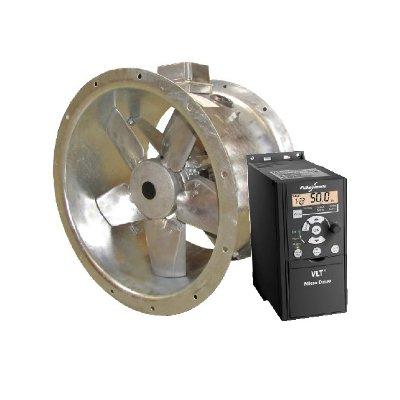



Videos


EPA: Manufacturers & Suppliers

Safety Certification Of IT Equipment Cooling In Data Centers
Download
The Advantages Of Cooling Tower Retrofits Using EC Fan Arrays
Download
The Water Is Fine: Diving Into Air-To-Water Heat Pumps
Download
Heat Pumps: Expert Insights
Download
The Hidden Energy Drain
Download