Energy Star
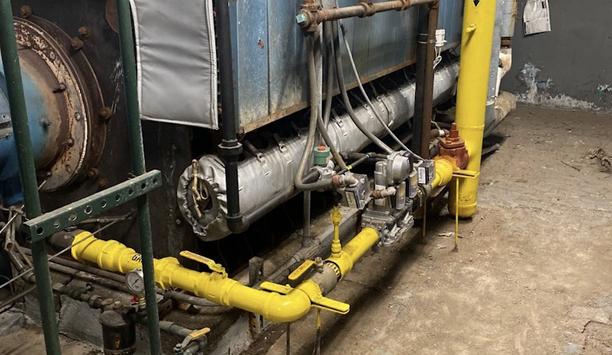
American Plant Maintenance (APM Steam), a pioneering provider of steam systems maintenance services, highlights its innovative HVAC insulation services, designed to provide significant energy savings and enhanced operational efficiency for healthcare facilities, colleges, universities, pharmaceutical companies, biopharmaceutical companies, food manufacturers, and government facilities. The Heat Loss Study offered by APM Steam includes a detailed site walk and thorough review of hot water,...
Bosch Home Comfort Group will make its landmark debut at AHR Expo 2026. The recent milestone of incorporating the YORK® and Hitachi brands in its portfolio sparks a new era for the company fueled by the strength of these iconic brands. From Feb. 2–4 in Las Vegas, attendees will be the first to experience the Bosch Comfort Revolution through an immersive booth experience that demonstrates how the expanded portfolio creates a single, powerful ecosystem that redefines comfort for contrac...

Global HVAC technology pioneer LG Electronics is supporting the modernization of America’s aging homes, leveraging its comprehensive suite of unitary (ducted) residential HVAC solutions designed to meet the evolving needs of the housing market. The company’s offerings – from proven electric inverter heat pump solutions and vertical air handling units to all-new gas furnaces – helps address the need for energy-efficient and connected living spaces, providing a bridge betw...

New technologies and artificial intelligence are pushing the installation of more and more data centers, but ecological and sustainable sensitivity requires that data centers are now green. For this reason, Frigel, which has been dedicated to energy saving through intelligent cooling for years, has designed the Ecodry system for green data center cooling. Ecodry Adiabatic Coolers LDK Frigel's Ecodry Adiabatic Coolers LDK stand out as the perfect solution for these eco-friendly facilities. By...

Resideo Technologies, a pioneering provider of home comfort, energy management, safety and security solutions, launches its new Honeywell Home Whole Home Dehumidifier. The company’s most advanced indoor air quality (IAQ) product offers unsurpassed installation efficiencies and elevates expectations for the dehumidification category. High-performance IAQ system Honeywell Home dehumidifier is a high-performance IAQ system with a tri-directional outlet for flexible Developed to address th...

Paving the way for a more climate-conscious future, hydronic comfort heating solutions pioneer - Weil-McLain® has announced that its Ultra® Oil, WGO, WTGO, and SGO residential oil boilers are now certified for use with biofuel blends up to 100% (B100). This achievement has been made possible through collaboration with industry pioneers - R.W. Beckett and Carlin Combustion, as Weil-McLain validates the adaptability of their burners to the elevated blend of biofuel when combined with its...
News

Bosch Home Comfort, a pioneer source of high-quality heating, cooling and hot water systems, has unveiled new R-454B versions of its Bosch CP Split Heat Pump and RP Split Heat Pump in compliance with low GWP A2L refrigerant requirements. These latest models utilize the low GWP R-454B refrigerant while continuing to offer a simple and seamless installation, making it easy and effortless to cool and heat #LikeABosch. The Bosch CP Split Heat Pump delivers powerful performance and flexible installation options for a wide range of commercial applications. ENERGY STAR certified The ENERGY STAR certified Bosch RP Split Heat Pump is a premium, high efficiency unit for residential applications. Homeowners who install the RP Split could qualify for rebates of up to 30% on the cost of installation. Both heat pump units feature the following: Compact cabinet design: A low-profile, compact footprint make them an ideal choice for tight spaces. Two-stage scroll compressor: Available in two to five-ton capacities, the two-stage scroll compressor adjusts output to demand for optimal comfort and efficiency. Quiet operation: 1/2-inch close-cell foam insulation and a floating compressor base allow for operation at sound levels as low as 51dB. Application versatility: Either unit can be paired with the Bosch BV20 variable-speed air handler for optimal comfort, or the BMAC in duel-fuel applications. Water source heat pumps “Water source heat pumps are yet another product category that is capable of delivering powerful performance and energy efficient operation, and the latest to transition to low GWP refrigerant,” said Jean Carlo Contreras Gallo, Product Manager at Bosch Home Comfort. “With compact design, easy installation, next-level versatility and operation as quiet as the hum of a refrigerator, the CP Split and RP Split Heat Pumps are the perfect choices for a new installation or an existing system upgrade to maximize comfort throughout your space.”

Intelligent power management company - Eaton is adding a new clean energy project to drive carbon reduction at its operations in Wisconsin, advancing its commitment to achieve net-zero operations by 2050. The joint project with We Energies, a subsidiary of WEC Energy Group, and Eaton will help strengthen energy security, deliver cost-effective power to the grid, and reduce Eaton’s carbon footprint at five locations in Wisconsin, where the company conducts research and makes electrical infrastructure for utility, data center, large commercial, and industrial applications. Carbon reduction goals The initiative will support a 58% reduction in Eaton’s greenhouse gas emissions across the state since 2018 Once energized in early 2026, the 4-megawatt solar project located adjacent to Eaton’s Thomas A. Edison Technical Center is expected to meet 30% of the annual carbon reduction goals at five Eaton sites in Franksville, South Milwaukee, Menomonee Falls, and two Waukesha facilities. Combined with previous energy efficiency upgrades, the initiative will support a 58% reduction in Eaton’s greenhouse gas emissions across the state since 2018. Megatrends of electrification and digitalization “At Eaton, we’re tackling the energy transition from all angles — including right here in Wisconsin, where we produce the technologies essential to modernize the grid and support a cleaner, more resilient energy future,” said Guillaume Laur, Senior Vice President and General Manager of Power Delivery and Regulation, Electrical Sector at Eaton. Guillaume Laur adds, “Around the world, we’re leveraging the global megatrends of electrification and digitalization to unlock greater operational and environmental value from energy systems. This project marks another important milestone on our journey, and there is much more to come.” Renewable energy credits Eaton will provide the land for construction and receive renewable energy credits for delivering clean energy Under the agreement, We Energies will build, own, and operate the system on Eaton’s behalf. Eaton will provide the land for construction and receive renewable energy credits for delivering clean energy to the local grid. Eaton is also contributing engineering expertise and essential technologies to the project, including electrical transformers produced at its Waukesha, Wisconsin, manufacturing facility. Eaton’s Grid approach to the energy transition “We’re pleased to partner with Eaton to bring more renewable energy to Wisconsin,” said Mike Hooper — President, We Energies, adding “Our focus on reliable energy supports all of our customers and strengthens economic growth across the state.” The Franksville solar project is an example of Eaton’s Everything as a Grid approach to the energy transition that is shaping a future where homeowners, communities, and businesses can reduce the cost and environmental impact of energy through intelligent power management and on-site renewable energy production. The company has deployed multiple solar projects across its global operations since 2009, including a first-of-its-kind clean energy microgrid in Arecibo, Puerto Rico, completed in 2024.

Essentra Components, a pioneering provider of essential industrial components, has completed work on installing solar panels at its global headquarters in Kidlington, Oxford, UK. Essentra believes that the installation of the solar panels will support the business to make its direct operations net zero by 2040, and its goal to reduce GHG emissions by 50% by 2030, from its 2019 baseline. The company has also installed 8 EV chargers on site. The completed solar installation provides Essentra with immediate savings on energy costs. Reducing carbon emissions Jennifer Spence, ESG Director at Essentra, says that the solar panels reflect Essentra's continued sustainability drive: “We have created a long-term framework for reducing our carbon emissions. These solar panels directly support our commitment to reach net-zero in direct operations by 2040." “We will continue to make investments across our sites that meet our business strategy objectives and support our sustainability pledges.” Zestec Renewable Energy’s PPA model The solar panels offer 815.40kW power with a predicted annual yield of 935.95kWp Essentra partnered with Zestec to install the solar PV system, which was funded through Zestec Renewable Energy’s Power Purchase Agreement (PPA) model, and delivered by LCS Energy. The solar panels offer 815.40kW power with a predicted annual yield of 935.95kWp. Chris Butler, Operations Director at Kidlington, adds: “This partnership with Zestec to install solar panels at Kidlington will not only provide us with significant, day one cost savings, but also offer us on-site renewable power, and supports our drive to net zero.” CDP score for supplier engagement Kidlington is the latest Essentra site to install solar panels, following the successful installation at its manufacturing sites in Ningbo, China, Rayong, Thailand, and Yichun, China. Essentra recently scored an impressive A for its 2024 CDP score for supplier engagement, reflecting the company's performance on governance, targets, Scope 3 emissions, and supplier engagement practices. As a result, Essentra is now on the CDP Supplier Engagement Assessment (SEA) A-list.

Nidec Appliance, Commercial and Industrial Motors (ACIM) Business Unit has officially inaugurated its new Nidec Qingdao Industrial Park. Located in Jiaozhou, it spans the equivalent of 15 football fields and is capable of delivering 18 million motors and over 20 million electronic inverters per year. Equipped with 75 production lines, the site is a result of the integration of two long-standing facilities and consolidates more than twenty years of presence that the company has in Qingdao. advanced waste management The campus was structurally designed and prepared to have carbon-neutral operations Through the integration of motors and electronics production under the same roof, the site is creating strong synergies across processes, expertise and logistics, enabling faster execution and stronger support to serve over 70 customers across Asia, Europe and the Americas. Since the beginning of the project, sustainability was a guiding principle: the campus was structurally designed and prepared to have carbon-neutral operations, in addition to advanced waste management (less than 1% to landfill), rainwater reuse and onsite solar generation. Electric bike charging stations Further features like natural gas-powered kitchens and electric bike charging stations reinforce the environmentally responsible vision. The campus also promotes social wellbeing through rest areas, maternity spaces, clothes changing rooms, showers, and dedicated lockers, all aimed to provide a safe and people-centered workplace. “What makes me proudest is how this campus came to life: shaped with vision, grounded in care and guided by the people who will make it thrive. Aligned with it, comes sustainability which is embedded in the structure and has influenced every choice we made,” said Katia Drusian, CEO of Nidec ACIM. Drusian added: “The Qingdao Campus is a continuation of the path we’ve walked for decades in China, where ACIM already operates 4 major facilities and employs nearly 2,300 people, always with the intention to grow responsibly, relying on the strong engagement with local institutions to then generate long-term value.” Partnership with the Chinese government The close accompaniment and responsiveness to the business needs resulted in an assembly process According to the company, the solid partnership with the Chinese government was a key element. The close accompaniment and responsiveness to the business needs resulted in an assembly process completed in record time - just 18 months - ensuring the plans’ continuity with no disruptions. Moreover, the campus’s location within the Shanghai Cooperation Organization (SCO) Demonstration Zone is seen as an opportunity due to the strategic position it has in China's national strategy as well as for opening possibilities to broader contribution in the regional ecosystem, with further developments, connections and services. Advanced motor and inverter production technologies “This campus was intentionally designed to foster proximity, not only in geographic terms, but also in the way we operate. Being closer to our customers enables us to better understand their needs and respond with greater speed, flexibility, and efficiency, reinforcing our commitment to long-term collaboration." "Our focus remains on serving key industries such as home appliances, air conditioning, food service, and refrigeration through our advanced motor and inverter production technologies. At the same time, we are actively exploring new markets and opportunities where we can bring value,” said Alberto Casnati, President of Nidec Global Appliance. Further development and innovation cycles When it comes to creation, the campus features real-time digital monitoring and an automated warehouse When it comes to innovation, the campus features real-time digital monitoring and a fully automated warehouse. From a product’s development perspective, the 8,500 m² integrated Research & Development center includes 8 laboratories that aim to accelerate further development and innovation cycles. Thanks to its structure and available space, the campus has the possibility to host expansions and vertical integration of components that can enhance supply chain control while reducing lead times. This same foundation positions the site as a potential location for future projects across the Nidec Appliance Automotive Division, to which ACIM belongs. New rounds of discussions and collaborations “For us, this campus is strategic in several ways, including the fact that its size enables us to think about it as an evolving infrastructure, built to grow jointly with Nidec. We have opportunity and space to expand laboratories, production lines, and this is what we will and are already doing." "We are currently getting ready to host electronic production also for the automotive sector, which is part of our Division, but even beyond. In this sense, we plan to start new rounds of discussions and collaborations with the government aiming to generate additional opportunities for our business as well as positive impact within Qingdao and China,” said Valter Taranzano, CEO of Nidec Appliance Automotive Division (AAD). Nidec's new Qingdao campus “Nidec opened its first facility in China in 1992, in Dalian. Today, with the new Qingdao campus, we reaffirm our confidence in this country and in the value of shared, sustainable, innovation-driven growth,” said Mr. Mitsuya Kishida, CEO of Nidec Group. “This inauguration is a result of solid partnerships, built over time through a common vision and with the support of those who believed in our journey. With Qingdao, we strengthen our ability to look ahead with competence, consistency, and ambition.”

Ductless heating systems offer a streamlined way to stay warm without relying on bulky ducts. These systems, also called mini-split heat pumps, work by taking heat from outside and transferring it indoors to keep the space comfortable. They consist of an outdoor unit with a compressor and condenser and one or more indoor units that spread the warmth around the room. It’s a simple but ingenious heating solution that avoids the complexities of older heating systems. Ductless heat pumps These systems are especially useful where traditional ducted heating isn’t possible What makes ductless heat pumps stand out is their ability to cool the space during summer, providing comfort all year. This is done by reversing the flow of heat. These systems are especially useful where traditional ducted heating isn’t possible or is too costly. Comparing Ducted and Ductless Systems The main distinction between ducted and ductless systems lies in their air distribution method. Ducted systems use a series of ducts to move air around, whereas ductless systems do away with this entirely. This difference has wide-ranging implications, from how flexible the installation can be to what maintenance is required. Usually, ducted systems are found in larger buildings or those designed with central heating and cooling in mind, needing ample space for the ducts. Conversely, ductless systems comprise an outdoor unit linked to indoor ones by small pipes, minimizing the need for disruptive installation work. Components of a Ductless Heating System These indoor units offer diverse installation options to match the room’s look and their preferences A ductless heating system at its core involves several crucial parts working together. The outdoor unit features the compressor and condenser, while the indoor units disburse warmth or coolness into the room. They’re connected by refrigerant lines that facilitate heat transfer. These indoor units offer diverse installation options to match the room’s look and their preferences. Controlling the system is a breeze with a remote, allowing them to adjust temperatures and maintain comfort with minimal effort. This modular approach lets they customize the heating solution in ways traditional systems can’t match. Why They Should Consider a Ductless Heating System Opting for a ductless heating system comes with many attractive benefits, including superior energy efficiency and better indoor air quality. These modern systems are designed to keep them warm efficiently and healthily. Energy Efficiency: An Advantage of Ductless Heating The remarkable energy efficiency these systems offer is a key reason to go ductless. Ductless systems transfer heat rather than generate it through burning fuel or electrical resistance, leading to significantly lower energy use. The lack of ducts, which in conventional systems often results in energy loss, also enhances this efficiency. With Energy Star-rated models, ductless systems can lower energy bills and qualify them for tax credits or rebates. This makes choosing ductless not just a green decision but a financially wise one. Versatility and Convenience With Ductless Heating Systems Installation is often quick and minimally invasive, causing little disruption to the daily operations The modular design of ductless systems offers unprecedented versatility. They can target specific areas or “zones” in the facility for heating or cooling, adjusting the temperature in one room without affecting the others. This zone mini split system approach means they only heat or cool the areas that need it, saving energy and money. Installation is often quick and minimally invasive, causing little disruption to the daily operations. Enhancing Indoor Air Quality With Ductless Systems Ductless systems have a leg up in improving indoor air quality. Each indoor unit has its own filter that traps dust, allergens, and other particulates. Since there are no ducts to gather and distribute dust, they breathe cleaner air. Regular cleaning and maintenance of these filters further ensure the air in the facility remains fresh and healthy. Installation Process and Care of a Ductless Heating System Ductless heating systems offer numerous benefits, but it’s crucial to grasp their installation and maintenance to maximize efficiency and longevity. Here’s a closer look at why these systems are a smart choice and how to care for them effectively. Easy and Flexible Installation Ductless heating systems stand out for their simplicity and versatility in installation Ductless heating systems stand out for their simplicity and versatility in installation. Unlike conventional heating systems that need elaborate ductwork, ductless systems can be set up quickly, typically within a day. This not only saves time but also provides the flexibility to place indoor units in the most convenient locations for optimal comfort and energy efficiency. To ensure the system fits the space’s needs perfectly, it’s advisable to consult a skilled HVAC contractor. Maintaining the Ductless System for Peak Performance To ensure the ductless heating system operates at its best, regular maintenance is key. This involves cleaning or replacing the filters in indoor units, keeping the outdoor unit free from debris, and scheduling professional inspections periodically. Developing a maintenance routine can extend the life of the system and preserve its operational efficiency. Contacting the HVAC contractor or referring to the system’s manual is recommended for maintenance specifics. The Long-Term Benefits of Ductless Heating Systems They offer an appealing alternative to traditional heating systems, avoiding the need for complex Investing in a ductless heating system provides long-term value for the property. Thanks to their efficient and flexible design, these systems can yield significant cost savings over time. They offer an appealing alternative to traditional heating systems, avoiding the need for complex and costly ductwork. By understanding both the advantages and maintenance needs of ductless systems, they can make an informed choice to improve the comfort and efficiency of the space. Discover Ductless Heating Solutions With ISS Mechanical ISS Mechanical specializes in creating comfortable, energy-efficient environments for commercial spaces throughout Central and West Florida, offering top-tier ductless heating systems alongside comprehensive HVAC/R services. Understanding the unique needs of each business, the skilled technicians come equipped with the latest technology and expertise to install, maintain, and optimize ductless heating solutions.

Upgrading to a more energy-efficient HVAC/R system can yield significant cost savings over time. HVAC/R systems are one of the largest energy consumers in commercial buildings, and according to the U.S. Department of Energy, heating and cooling accounts for over half of a typical building’s energy use. An efficient HVAC/R requires less energy to heat and cool the facility, leading to lower monthly utility bills. For example, replacing an older AC unit with a new ENERGY STAR-certified model can reduce cooling costs by 20% or more. Over the lifespan of the HVAC/R system, these savings can amount to thousands of dollars. Reducing Environmental Impact Heating and cooling buildings account for a significant portion of greenhouse gas emissions Energy efficiency in HVAC systems does not merely translate to dollar savings—it extends to environmental sustainability, which is pivotal in the fight against climate change. Heating and cooling buildings account for a significant portion of greenhouse gas emissions linked to climate change. By upgrading HVAC/R equipment and properly maintaining and operating systems, substantial emissions reductions can be achieved. In fact, research shows if a single household in 10 bought ENERGY STAR-certified HVAC/R equipment, the planet would prevent 13 billion pounds of greenhouse gas emissions—an amount equal to yearly emissions from 1.2 million automobiles. Apply this statistic to the average commercial building, which is significantly larger in size than the average residential unit. Enhancing Indoor Air Quality and Comfort Energy-efficient HVAC units also often provide better humidity control through enhanced dehumidification. This can lead to improved indoor air quality and reduced growth of mold, dust mites, and other allergens. Proper airflow and ventilation from an efficient system also help filter out pollutants. The result is a more comfortable and healthier indoor environment for employee productivity and well-being. Practical Steps to Improve the Building’s HVAC Energy Efficiency To significantly lower energy costs and enhance performance, commercial businesses must explore several methods for HVAC energy efficiency, including: 1. Conduct a Thorough Energy Audit Before making any leap into upgrading or adjusting the HVAC/R system, a thorough energy audit of the commercial property is essential. This audit should identify specific areas for improvement, understand the current energy consumption patterns, and set the stage for implementing changes that would lead to an efficient energy system. HVAC/R professionals play a crucial role at this stage—they can help determine which energy-efficient options suit the building’s size, climate, and usage patterns the best. 2. Investing in High-Quality Systems Select systems with high seasonal energy efficiency ratio (SEER) and energy efficiency ratio (EER) ratings with zoning capabilities. This allows separate temperature controls for different building zones, reducing the unnecessary cooling or heating of unoccupied spaces, and leading to energy savings. Features like variable-speed blowers and source heat pumps within these high-rated systems contribute to their effectiveness and efficiency. Consider system types like: Variable Frequency Drives (VFDs) – Utilize VFDs on HVAC fans and pumps to regulate motor speed and reduce energy consumption during off-peak hours or in areas with lower demand. Demand-Controlled Ventilation Units (DCV) – Employ sensors to adjust the ventilation based on occupancy levels in the space, ensuring that energy is not wasted on cooling, heating, or circulating air in empty rooms. Dedicated Outside Air Systems (DOAS) – Use DOAS to manage the conditioning and delivery of fresh air separately from the rest of the HVAC/R system, increasing energy efficiency by handling ventilation and temperature controls independently. Energy Recovery Ventilators (ERV) – Install ERVs to reclaim energy from exhaust airflows for preconditioning incoming outdoor ventilation air, thus reducing the energy demand for heating and cooling. Smart Building Automation Systems (BAS) – Implement BAS for monitoring and controlling the HVAC/R system remotely, optimizing energy usage through intelligent schedules, and maintaining peak efficiency. 3. Integrating HVAC/R Systems With Solar Power By adopting solar-powered HVAC/R systems, commercial businesses can harness clean, renewable energy from the sun to power their heating and cooling systems. This transition not only slashes dependence on fossil fuels but also paves the way for financial savings through green energy tax benefits and incentives. 4. Investing in Frequent Maintenance Regular maintenance and tune-ups are essential for optimal HVAC/R operation. Scheduling consistent checks keeps components like filters and coils clean, and ensures that any duct leakages are promptly addressed, thereby maintaining efficiency, lowering energy consumption, and prolonging system life. Key Takeaways As companies navigate the complexities of energy management, an energy-efficient HVAC system stands out as a cornerstone of a streamlined, cost-effective, and eco-friendly operational mandate. With thorough planning, the right professional guidance, and a willingness to invest in technological solutions, commercial businesses can make a befitting transition to high efficiency in heating, ventilation, and air conditioning, reaping economic benefits while contributing to a healthier planet.

Expert Commentary

As utility prices climb and extreme weather becomes more common, homeowners are increasingly looking for ways to improve comfort without breaking the bank. One solution that’s gaining traction is the all-electric, all-climate heat pump. As a fourth-generation HVAC contractor, I’ve seen firsthand how high-performing all-climate heat pumps provide efficient, year-round home comfort and financial savings. These systems are the new standard for the HVAC industry, and here’s why. Reliable, year-round comfort Unlike conventional HVAC systems with fixed-speed compressors that run at full power regardless of need In areas like northeastern Pennsylvania, where summers are hot and humid, all-climate heat pump systems can be used to deliver HVAC performance that stands up to even the harshest conditions. Unlike conventional HVAC systems with fixed-speed compressors that run at full power regardless of need, all-climate heat pumps with inverter-driven compressors start low and slow before ramping up or down to match demand. It turns on, pulls the precise amount of power it needs to be able to create cooling or heating, and then it ramps up as needed based on temperatures inside the house and outside. This precision helps reduce energy usage and utility costs, a key benefit with prices of utilities climbing across the United States. Inverter technology Inverter technology maintains its efficiency even during the coldest months, as demonstrated during this past winter's particularly harsh conditions. One of our customers shared that on a day when it was -19°F, with an even lower wind chill, his Mitsubishi Electric ducted, all-climate heat pump performed flawlessly, keeping his home warm and comfortable. Even during extreme heat and cold, we are seeing these systems perform efficiently, and I encourage contractors to continue to teach homeowners about the benefits. Flexible zoning and smart features High-performance ductless solutions ensure they stay comfy year-round without requiring modifications Another beneficial feature of all-climate heat pumps is zoning. Whole-home ductless mini-split systems can give homeowners the ability to set different temperatures in different rooms, making them perfect for families with varying comfort preferences and for improving efficiency in less-used spaces. All-climate heat pumps can also be used for areas where conventional systems struggle to provide adequate climate control, such as pole barns, she-sheds, sunrooms, or above-garage rooms. High-performance ductless solutions ensure they stay comfortable year-round without requiring major modifications to the home’s existing HVAC system. All-climate heat pumps Many all-climate heat pumps are equipped with smart features designed for optimal energy efficiency and comfort. For example, sensors in Mitsubishi Electric systems we install and service can detect occupancy along with cold and hot spots in specific rooms, automatically adjusting airflow and temperature. When no one is in the room, the sensors can switch the system into an energy-saving mode. Homeowners with certain systems can also purposefully put them into Econo Cool mode if they’re not going to be in a certain space. Educating homeowners and building trust Many homeowners have outdated misconceptions that these systems are underpowered The rural area we serve includes many homes that still rely on oil or electric baseboard heating, with a smaller number using propane or gas. Since many people tend to stick with what they know, it’s especially important to educate them on the benefits of all-climate heat pumps. Many homeowners have outdated misconceptions that these systems are underpowered or only effective in mild climates. Overcoming these beliefs starts with homeowner awareness and trust. Important for contractors to teach homeowners That’s why it is so important for contractors to teach homeowners about the systems and even include case studies on their websites that demonstrate favorable results. Contractors should make a point to explain technical metrics in ways that are easy to digest and understand. For instance, tell homeowners about the coefficient of performance (COP), explaining that electric baseboards have a COP of 1.0 − meaning you get one unit of heat for every dollar spent. Some of the all-climate heat pumps we install and service can reach COPs of 2.1 to 2.2 even in freezing temperatures. The keys to success in a changing HVAC landscape HVAC installations that once took five days with conventional ducted systems now take one or two days with modern, all-climate heat pumps, enabling more jobs and better margins. Many energy-efficient all-climate heat pump systems are also eligible for tax credits and utility rebates, which is another win. Because I want our industry to evolve, I offer three key pieces of advice to my fellow contractors: Trust in all-climate heat pump systems − proven, reliable, and engineered to keep occupants comfortable through summer highs and winter lows. Prioritize training and education, not just for yourself but for your team and clients as well. Well-informed contractors build trust and ensure every installation is done right. Recognize that all-climate heat pumps aren’t just the future − they’re here now, reshaping the way we think about HVAC. All-climate heat pumps are more than a passing trend. With the right knowledge, support, and commitment, they represent a smarter, more efficient path forward for contractors and homeowners alike.

The data center market has shown robust growth over the past five years, with significant increases in capacity and electricity usage. According to the International Energy Agency (IEA), global data center electricity consumption was approximately 460 TWh in 2022, and it is projected to rise to over 1,000 TWh by 2026. This growth is driven by the increasing demand for digital services and the expansion of artificial intelligence (AI) workloads. In 2025, the total capacity demand for data centers is expected to reach 82 gigawatts (GW), with AI workloads accounting for 44 GW and non-AI workloads for 38 GW. By 2030, this demand is projected to increase to 219 GW, with AI workloads making up 156 GW. This significant growth underscores the importance of sustainable practices in the data center industry. Alternative Off-Grid Power Sources To meet the growing energy demands, data centers are increasingly turning to alternative off-grid power sources. These include solar power, wind turbines, micro-hydro power, and biogas generators. These renewable energy sources not only reduce the carbon footprint of data centers but also enhance their resilience by providing reliable power in remote locations. Green hydrogen, produced by electrolysis using renewable energy, also offers a sustainable alternative to traditional cooling methods, with the potential to significantly reduce greenhouse gas emissions. Continued Compute Growth and Liquid Cooling Nvidia's use of direct-to-chip liquid cooling and closed-loop systems has shown a 300x improvement The rapid growth in compute power, particularly with the introduction of platforms like Nvidia's NVL-576 600 kW, has significant implications for data center cooling. This platform, designed for high-performance AI workloads, requires advanced cooling solutions to manage the heat generated by such dense compute environments. Nvidia's use of direct-to-chip liquid cooling and closed-loop systems has shown a 300x improvement in cooling efficiency. Google's fifth-generation cooling distribution unit (CDU), known as Project Deschutes, is another example of innovation in this space. This CDU sidecar power rack supports up to 1 MW per rack, leveraging high-voltage DC power distribution to enhance efficiency and cooling capacity. Energy-Efficient Cooling Technologies Energy-efficient cooling technologies are critical for the sustainable operation of data centers. Some of the most promising technologies include: Direct-to-Chip Liquid Cooling: This method involves applying liquid coolants directly to the processors, providing superior heat dissipation and enabling servers to operate at optimal performance levels. Hybrid Rear-Door Heat Exchangers: These systems combine air and liquid cooling to manage heat more efficiently, particularly in high-density rack environments. Heat Reuse The elevated temperatures made by liquid cooling can also be harnessed in industrial processes Liquid cooling provides an additional opportunity to reduce energy consumption while enabling data centers to become contributors to community energy systems. Unlike traditional air cooling, which disperses heat into the atmosphere, liquid cooling captures heat more effectively, allowing the heat to be repurposed for the heating needs of nearby residential or commercial buildings. Heat pumps can be employed to raise the temperature of the excess heat to the temperature required by heating systems, resulting in greater energy efficiency. The elevated temperatures produced by liquid cooling can also be harnessed in industrial processes that require specific heat levels, such as pasteurization, drying or chemical processing. By utilizing this heat, industries can reduce their reliance on external energy sources, which in turn lowers operational costs and emissions. However, most areas in the U.S. lack the infrastructure to support district heating. Significant investment is required to develop the infrastructure needed to transport and utilize the heat, such as pipelines for district heating or retrofitting industrial processes. Depending on the region, there may also be legal or regulatory barriers to overcome. Policy and Community Engagement There is strong support for AI growth, with alliances involving companies like OpenAI and Meta Within the current U.S. administration, there is strong support for AI development, with partnerships involving companies like OpenAI and Meta. OpenAI, Meta, SoftBank and Oracle have joined forces for the Stargate Project, which aims to build AI data centers in the U.S. This project includes significant investments to create infrastructure that supports AI development. The Trump administration has identified 16 sites on federal land for the development of AI data centers. These centers are intended to provide the necessary processing capacity for machine learning, cloud storage, and AI systems. Heat reuse offers a powerful tool for sustainability and community engagement. By capturing and repurposing the waste heat, data centers can significantly reduce their environmental impact while providing tangible benefits to surrounding communities and industries. This approach not only supports decarbonization efforts but also fosters stronger ties between data centers and the communities they serve, creating a more sustainable and resilient future. Benefits and integration of data centers Data centers support local economies by creating jobs, providing reliable internet services Educating the community about the benefits of data centers is crucial to ensure the successful integration of data centers into local communities. Data centers support local economies by creating jobs, providing reliable internet services, and enabling technological advancements that improve quality of life. By highlighting these benefits, data centers can build stronger community support and enhance their social license to operate. The effort should combine outreach with online educational initiatives, collaborations with industry, academia, NGOs and multiple sources of in-the-field insight. Conclusion The data center market is poised for continued growth, driven by advancements in technology and increasing demand for digital services. By focusing on sustainability, heat reuse, and energy-efficient cooling technologies, the industry can meet this demand while minimizing its environmental impact. Engaging with communities and educating them about the benefits of data centers will further support the sustainable growth of this vital industry.

This year’s Clean Air Day falls on Friday the 19th June. In its eighth year, Clean Air Day has become the UK’s largest campaign dedicated to raising awareness of air pollution and its impacts on health and the environment. It also encourages individuals and organizations to take practical steps to reduce pollution and protect public health, both inside and outside buildings. Air quality should be a concern for everyone, but certain sections of society are disproportionally impacted than others, children in particular, which is why this year on Clean Air Day we are urging policymakers, educators, and building professionals to prioritize clean air in and around our schools and homes. Children Face a Greater Risk Children are particularly susceptible to the harmful effects of air pollution Children are particularly susceptible to the harmful effects of air pollution. Unlike adults, their lungs and immune systems are still developing, and their smaller body size means they breathe in more air relative to their body weight. This increased inhalation rate, coupled with greater time spent outdoors—especially during commutes to and from school—results in elevated exposure to pollutants like nitrogen dioxide (NO₂) and particulate matter (PM). Serious health consequences for children 15,000 children under the age of five were admitted to London hospitals with breathing difficulties in 2023 The effects of breathing in polluted air can have serious consequences for children. Clean air campaign group Mums for Lungs revealed that 15,000 children under the age of five were admitted to London hospitals with breathing difficulties in 2023. Although it’s not possible to determine how many of the admissions are directly linked to air pollution, a study by the University of Dundee found that children are significantly more likely than adults to be hospitalized due to respiratory issues caused by air pollution. Mental effects of air pollution Air pollution is not only linked to physical ailments such as asthma and bronchitis but also to decreased attentiveness and slower cognitive response times in classrooms. What's also very concerning is that the damage to children’s lungs is often irreversible. The Royal College of Paediatrics and Child Health has called for "bold but necessary policies" to protect young people and improve air quality, particularly around schools and hospitals. Unfortunately, many new schools are being built in areas that exceed World Health Organization air pollution limits. Between 2017 and 2025, 147 new schools in England—86% of all planned or constructed—will be in such zones. Surprisingly, there is no legal obligation to consider air quality in school planning, despite children spending up to 35 hours a week in these environments. Identifying the Invisible Threat Indoors However, indoor air pollution is an equally serious, yet often overlooked, issue When we talk about air pollution, the conversation often focuses on outdoor sources like vehicle emissions. However, indoor air pollution is an equally serious, yet often overlooked, issue—especially in schools and homes. Recent research from Birmingham University at a Cardiff high school found that particulate matter concentrations inside classrooms were influenced not just by outdoor pollution, but also by indoor activities, classroom location, and even flooring materials. In homes, sources of indoor pollution include cleaning chemicals, cooking emissions, and even everyday items like candles or air fresheners that release volatile organic compounds (VOCs). Without adequate ventilation, these pollutants accumulate, leading to poor indoor air quality (IAQ) that can affect children's health and ability to learn or sleep well. Schools, which typically include a variety of spaces such as classrooms, kitchens, sports halls, and even swimming pools, present their own set of ventilation challenges. Each of these environments requires specific ventilation solutions to ensure a safe and healthy atmosphere. The Role of Ventilation in Healthier Environments Effective ventilation is one of the most important tools we have in the fight against indoor air pollution. Properly specified and maintained ventilation systems can significantly improve IAQ by removing pollutants and regulating CO₂ levels. In classrooms, balanced mechanical ventilation with heat recovery—such as the Nuaire XBOXER XBC range—is ideal. These systems are capable of ventilating multiple rooms and come equipped with filters to remove incoming pollutants, offering both health and energy efficiency benefits. School ventilation challenges challenges Sports halls present different challenges, particularly with high CO₂ levels and odours Sports halls present different challenges, particularly with high CO₂ levels and odours. Packaged Air Handling Units are well-suited to these environments, offering high-volume air movement and the option of occupancy or CO₂ sensors to control the system efficiently based on use. For indoor swimming pools, where humidity and chlorine levels are high, Air Handling Units are also ideal, although will need to be corrosion-resistant. Meanwhile, in school toilets—frequent sources of unpleasant odours and bacteria—twin fan technology ensures continuous extraction, even if one fan fails. Kitchens benefit from bifurcated fans, which position the motor outside the airstream to prevent grease build-up and reduce maintenance needs. These tailored solutions demonstrate how smart ventilation can enhance IAQ across varied school settings. A Call to Action This Clean Air Day Clean Air Day is more than a date on the calendar—it’s a call to action. Road transport is a key contributor to NO₂ emissions, and efforts to promote walking, cycling, and public transport are important. However, tackling indoor air pollution is equally critical. We must recognize that protecting children from air pollution is not optional; it is a moral and public health imperative. No child should have to breathe polluted air simply to learn, play, or sleep. By investing in targeted ventilation strategies and supporting evidence-based policy, we can give every child the clean air they deserve—and build a healthier future for all.
Editor's Note

The HVAC market is in transition. Heat pumps are no longer niche, but are becoming the default replacement for both furnaces and central AC. Midea is responding to the new normal and pledges to be a partner in the transition by equipping the trade with future-ready solutions and accessible training. “For contractors, this shift presents a major opportunity,” says David Rames, Senior Product Manager, Midea. Midea’s EVOX All Climate Heat Pump Midea helps dealers deliver more jobs with fewer SKUs (simplified inventory) and fewer callbacks Midea is well-known to consumers, and recognition is growing among the professional space in the United States. Midea approaches the professional market with a contractor-first strategy, designing systems in their research and development (R&D) labs in Louisville, Kentucky, for fast installation, retrofit compatibility, and rebate eligibility. Midea helps dealers deliver more jobs with fewer SKUs (simplified inventory) and fewer callbacks. Midea’s EVOX All Climate Heat Pump and air handling unit (AHU) offer versatility, modular designs, dual-voltage compatibility, and all-weather performance. The features allow contractors to future-proof their businesses and offer customers cost-effective options across new construction and retrofit applications. Midea's expanding distribution partnerships Midea is expanding distribution partnerships, opening showrooms, and investing in training to ensure HVAC professionals have the tools and support they need. For distributors, the growing demand underscores the importance of training, stocking flexible systems, and guiding customers through rebate processes. Midea’s growing showroom network in the United States and Canada doubles as live training hubs. Locations in New York City, Orlando, Mississauga, Montreal, and Vancouver give contractors hands-on experience with systems like the EVOX G3 ducted system and Packaged Window Heat Pump (PWHP). Real-world equipment training Each training facility hosts technical demos, installations, and education on rebate programs Each training facility hosts technical demos, installation walkthroughs, and education on rebate programs. These centers also partner with trade schools and utilities, helping bridge the skills gap with real-world equipment training. “By combining distribution, product demos and workforce education under one roof, Midea differentiates itself from competitors and ensures contractors are confident installing our whole home systems in single and multi-family projects and public housing retrofits,” says David Rames. Midea’s Growth of heat pumps Midea’s buildup comes amidst noticeable growth of heat pumps versus traditional air conditioners in 2025 and beyond. Industry data shows a structural market shift: AHRI reported a 19% year-over-year increase in heat pump shipments in April 2025, while central AC sales declined 2.8%. This growth is fueled by incentives, evolving building codes, and consumer demand for year-round solutions. Retrofit-ready designs Midea supports this transition with retrofit-ready designs, modular AHUs, and dual-voltage options “At Midea, we see strong adoption of ducted EVOX systems and PWHPs across residential and multi-family housing,” says David Rames. Midea supports this transition with retrofit-ready designs, modular AHUs, dual-voltage options, and training programs that help installers capture opportunity as AC-only demand continues to shrink, he adds. Enhanced Vapor Injection technology And the innovation continues. The forthcoming EVOX All Climate Heat Pump delivers up to 100% heating output at down to -31°F with continuous operation down to -40°F, and up to 100% cooling output at up to 140°F with continuous operation up to 149°F. Enhanced Vapor Injection (EVI) technology maintains reliable capacity where traditional systems fail. The modular “block-n-lock” AHU breaks into three sections for tight-space installs, can be assembled in six different configurations to meet any need and reduce the number of SKUs a contractor needs to stock, supports both 115V and 208/230V, and fits as a direct furnace replacement. new construction and retrofit jobs Electrification policies across the U.S. and Canada are directly shaping HVAC system design With contractor-friendly flair fittings, wireless commissioning, and rebate eligibility, EVOX is engineered for both new construction and retrofit jobs. “This system sets a new benchmark for extreme climate performance and installation flexibility,” says David Rames. Electrification policies across the U.S. and Canada are directly shaping HVAC system design. Performance standards, building codes, and incentive structures dictate cold-climate systems. For Midea, this means designing ducted and packaged solutions that deliver 100% heating output in sub-zero temperatures, qualify for programs like ENERGY STAR Most Efficient and CEE Advanced Tier, and integrate with demand response platforms. Advanced inverter-driven all-weather systems “We have also partnered with agencies on programs such as New York’s Clean Heat for All Challenge, deploying retrofit-ready Packaged Window Heat Pumps at scale,” states David Rames, adding “Policy isn’t just a driver; it’s a roadmap for innovation and deployment.” Looking ahead, Midea is investing in advanced inverter-driven all-weather systems, modular AHUs, and compact packaged solutions that simplify retrofits. The pipeline includes next-generation EVOX models with higher coefficients of performance (COPs) at sub-zero temperatures, grid-responsive controls, wireless communication, and compatibility with smart thermostats. Midea investing in advanced inverter-driven all-weather systems. Contractor training and installation quality The company is also expanding into domestic hot water with a Heat Pump Water Heater (HPWH), which delivers up to 400% efficiency and qualifies for most U.S. and Canadian rebates. Supporting the innovations are hands-on contractor training and ongoing collaboration with utilities and trade schools. Midea is addressing this with modular AHUs, guided commissioning tools, and a nationwide training network “Our goal is clear: To equip the market with scalable, installation-friendly solutions for every climate,” says David Rames. Contractor training and installation quality remain the biggest challenges. Improper sizing, restrictive airflow and misassembled equipment can still undermine performance. Midea is addressing this with modular AHUs, guided commissioning tools, and a nationwide training network. Modern heat pumps Cost is another barrier, but broad rebate eligibility helps homeowners offset upfront expenses. Also, consumer awareness is lagging as many still do not understand that modern heat pumps provide reliable heating in extreme cold in addition to reliable cooling. “Overcoming these hurdles requires contractor education, consumer outreach, and continued investment in easy-to-install, high-performance equipment that reduces callbacks and increases homeowner confidence,” says David Rames. Midea’s forthcoming EVOX All Climate In fact, the misconception persists that heat pumps do not work in cold climates despite modern systems like Midea’s forthcoming EVOX All Climate that deliver up to 100% heating output at down to −31°F and continuous operation down to −40°F. The DOE-tested systems achieved a COP of 1.92 at down to −15°F, outperforming cold-climate benchmarks. However, a Midea-commissioned survey showed that nearly half of homeowners did not know heat pumps can both heat and cool, and only 4% knew that today’s systems can maintain capacity in sub-zero temperatures. “The truth is, inverter-driven, EVI-equipped heat pumps provide year-round comfort more efficiently than conventional systems, and education is critical to correcting outdated perceptions,” concludes David Rames.

Viessmann Climate Solutions (VCS) has combined with Carrier to become the core of Carrier’s newly formed business unit Residential and Light Commercial for European, Middle East and Africa. This business unit is now able to offer brands like Carrier, Toshiba, and Beretta next to the premium brand Viessmann, thus covering additional user segments with differentiated products at various price points. Climate system technology “The climate system technology of Viessmann Climate Solutions and the cooling-focused systems of Carrier combine two core competencies that will be crucial in responding to individual customer needs worldwide,” says Thomas Heim, President, Residential & Light Commercial HVAC for Europe, Middle East, and Africa. “Carrier expands the Viessmann portfolio in the area of air conditioning and enables seamless integration of heating and cooling.” Carrier’s acquisition of Viessmann Climate Solutions There was huge media interest in Carrier’s buy of Viessmann Climate Solutions when it was revealed There was huge media interest in Carrier’s acquisition of Viessmann Climate Solutions when it was announced more than a year ago. In media interviews, Carrier Chairman & CEO David Gitlin; Max Viessmann, CEO and Member of the Executive Board of the Viessmann Group, which owned Viessmann Climate Solutions prior to Carrier’s acquisition; and Heim presented the many advantages the combination would bring. Advantages apply both to the product portfolios, which perfectly complement each other, and to the optimized development of global markets. A year later, the feedback is extremely positive, says Heim. Latest developments in the Viessmann system The sentiment was confirmed by numerous conversations with installers at the ISH 2025 trade fair in March in Frankfurt. “The advantages of this combination between Viessmann Climate Solutions and Carrier are clearly noticeable for everyone involved,” says Heim. The latest developments were well received by the 100,000 visitors to the booth at ISH, with particular interest in the Viessmann system connecting several products into a solution based on full stack controls platform Viessmann One. Residential and commercial sector customers The alliance meets the needs of residential and commercial sector clients with a multi-brand portfolio Also at ISH, Viessman highlighted the newly created alliance of Viessmann, Carrier, Riello, and Beretta around the theme “Power Play as One Team.” The alliance meets the needs of both residential and commercial sector customers with a multi-brand portfolio of heating, ventilation and cooling solutions for all output ranges and price levels. “Together with Carrier, we are in an even better position to provide solutions that address climate challenges by reducing CO₂ emissions and increasing energy efficiency,” says Heim. Digital tools and ecosystems The expanded product line builds on the strong longstanding collaboration of Viessmann Climate solutions with installation partners. For example, the addition of (light) commercial Carrier heat pumps to the portfolio enables leveraging together existing digital tools and ecosystems with this expanded offering. “This increases the relevance of our ecosystems for both our installers and users,” says Heim. Culture of collaboration The focus from the start has been on creating a culture of collaboration among both teams When integrating companies, it is always about bringing people together and providing a framework that allows them to unlock their full potential, says Heim. Thus, the focus from the beginning has been on creating a culture of collaboration that allows the teams from both companies to contribute their unique talents and strengths. “We are convinced that we have found the right formula and that combining Carrier and Viessmann Climate Solutions will lead to 1 + 1 > 4,” he says. “To get there, our shared purpose and values play an important role in this successful integration.” Carrier product portfolios “Companies can only be successful if they think and act globally and operate in a spirit of co-creation,” says Heim. Combining the Viessmann Climate Solutions and Carrier product portfolios creates added value for all installation partners and users. The increasing complexity of the HVAC industry is contributing to a trend toward company consolidation. “Let's be honest: in the past, you simply installed a gas boiler,” says Heim. PV installation They also offer a design tool on the Internet and even financing with the help of a partner bank Heim added: “Today, it's often about heat pumps, battery storage, photovoltaics, wall boxes and an energy management system that links everything together. It's all extremely complex. That's why we are constantly training our installers and at the same time reducing their workload." "Many of our installers don't want to climb on a roof, which is fine. We then look for facilitating a service provider that adds the PV installation to the holistic offering of our partner company.” They also offer a configuration tool on the Internet and even financing with the help of a partner bank. Climate-neutral by 2050 Data centers will also play a bigger role in the future. For example, a typical office building in Manhattan requires only three cooling units, while a data center they are currently working on requires 140. An AI chip generates seven times more heat than a conventional chip. “This market is huge, and we are determined to play an important role,” says Heim. The building sector produces 40 percent of CO2 emissions in Europe. Therefore, a transformation to renewable energies is necessary to become climate-neutral by 2050. Viessmann products and systems “For us, as a manufacturer, this means that we continue to encourage the building electrification system strongly,” says Heim. Viessmann products and systems offer installers the basis for a sustainable climate solution offering for their users. Almost all areas, from single- and multi-family houses to commercial and industrial buildings and municipal facilities, can be covered by the system portfolio. New hydraulic interface Regardless of the outdoor unit (ODU), the new components always match the indoor unit (IDU) Heim highlights three notable products as part of the Viessmann System Solution. Users can now choose between the high-efficiency, high-comfort Vitocal 250-A and the more economical Vitocal 150-A domestic air source heat pumps. Regardless of the outdoor unit (ODU), the new components always match the indoor unit (IDU). This high level of flexibility pays off for the installers in significantly shorter installation times, and users only pay for what they actually need for their heating system. The new hydraulic interface also saves time during installation. Vitocharge VX3 storage unit The Vitocharge VX3 storage unit is one of the most proven battery storage units in its class. Its maximum storage capacity of 75 kWh (5 modules of 15 kWh each) is particularly suitable for large, detached houses and apartment blocks, as well as for smaller commercial applications such as supermarkets or craft businesses. Following on from the large power classes, the smaller modules can now also be cascaded at 4.6 kVA. Flexible installation options are now available, including corner or horizontal mounting, which allow for optimal adaptation to on-site conditions.

Data centers play a pivotal role in supporting the flow of information across our digital economy. However, the transmission of large amounts of data also requires a lot of energy. Viewing data centers as potential heat sources offers an opportunity to use this otherwise wasted heat to warm nearby homes and businesses using technologies like heat pumps and heat networks. The approach will lower the environmental impact of these buildings filled with computer servers, and it will support the transition to renewable heating as we look toward net zero. Heat recovery systems Heat recovery systems are designed to facilitate the re-use of heat energy via technologies like heat pumps Heat recovery systems are designed to facilitate the re-use of heat energy via technologies like heat pumps and heat networks, says Simon Prichard, EMEA ITC Business Leader, Mitsubishi Electric, within the Living Environmental Systems division. The heat generated by data centers, usually around 30-35°C (85-90°F), is increased by heat pumps to 70-80°C (160-175°F), making it suitable for heating nearby buildings or supplying hot water. “However, when choosing which heat recovery approach to go for, it's important to take into account the data center’s size, location, and proximity to the desired reuse location,” says Simon Prichard, adding “These factors determine the most efficient method for heat recovery and distribution.” Reusing heat from data centers via heat pumps “Reusing heat from data centers through heat pumps and heat networks drives down costs by reducing the amount of heat going to waste and ultimately increasing energy efficiency,” continues Simon Prichard. However, Simon Prichard emphasizes these cost benefits must be communicated and outlined clearly to ensure stakeholders are aware. More awareness will, in turn, drive adoption forward. Wider awareness and adoption Wider awareness and adoption are already happening with plans for utilizing waste heat within London's district heating networks, notes Prichard. The scheme uses ejected heat from a data center to power heating demand for nearby homes A real-life example is Amazon’s Tallaght data center in Dublin, which is the country's first low carbon district heating network. The scheme uses ejected heat from a data center to power heating demand for nearby homes, and peak requests in winter are satisfied by dedicated heat pumps and a heat pump module. The network is estimated to reduce pollutant emissions in the South Dublin County region by nearly 1,500 tons per year. Mitsubishi Electric’s CPD-Certified Guide Mitsubishi Electric’s newly released CPD-Certified Guide aims to educate data center owners, managers and policymakers on the role heat reuse can play in decarbonizing these buildings. “It provides insight into how we can reduce the carbon footprint of these spaces by viewing them as a source of heat energy, as well as the solutions available and what needs to be considered before making the switch,” says Simon Prichard, adding “In doing so, it aims to support owners and managers in transitioning to heat recovery in their building and reducing the environmental impact of these spaces to support the United Kingdom’s wider journey towards net zero.” Communicating the benefits of heat reuse in data centers “Communicating the benefits of heat reuse in data centers can promote greater cooperation from stakeholders – whether that's owners and managers, governments, or manufacturers,” says Simon Prichard. Raising awareness of the environmental impact of data centers and the role heat recovery can play in reducing that impact can position data centers as part of the solution for a decarbonized future. Developing heat networks “Continuing to develop heat networks at the same scale as other European countries will also help make reusing this energy to heat surrounding buildings a reality and put what we see across other countries into practice in the UK,” states Simon Prichard.
Case studies

PSR Mechanical, a pioneering commercial HVAC service provider in Seattle, has partnered with ECM Technologies, a national pioneer in HVAC operational efficiency and energy conservation, to bring ThermaClear® to the local market. This groundbreaking HVAC treatment significantly improves system performance and extends equipment life. The first Seattle treatment took place at The Museum of Flight, the world’s largest independent, nonprofit air and space museum, housing more than 150 aircraft and spacecraft on its 23-acre campus. optimizing system performance The programs deliver immersive, user-driven affairs around the subjects of aviation and robotics The Museum plays a vital role in community aerospace education, offering immersive STEM programming for K-12 educators and students. The programs deliver immersive, user-driven experiences around the subjects of aviation, space and robotics. By reducing energy use, optimizing system performance and lowering operating costs, ThermaClear frees capital for new exhibits and programs, safeguards delicate artifacts with reduced equipment downtime and delivers greater year-round comfort for the Museum’s guests and staff. Several HVAC units The initial treatment was completed on several HVAC units within the Museum’s Aviation Pavilion, and PSR Mechanical is scheduled to treat an additional 282 tons throughout the rest of the campus within the coming months. Among the treated units is the system that cools the historic first jet Air Force One, used by Presidents Eisenhower, Kennedy, Johnson, and Nixon. Declining HVAC performance ThermaClear is a one-time therapy that eliminates internal oil fouling, a joint but often overlooked ThermaClear is a one-time treatment that eliminates internal oil fouling, a common but often overlooked cause of declining HVAC performance. The treatment works by displacing oil buildup on heat exchanger coils, restoring maximum energy efficiency and allowing optimal heat transfer. It also super-lubricates compressors, reducing wear and tear and lowering the risk of failures. By forming a permanent protective barrier inside the system, ThermaClear prevents future oil fouling and the efficiency losses that come with it. This leads to fewer repairs, reduced operating costs and greater reliability with less system downtime. ThermaClear Preferred Service Network The introduction of ThermaClear in Seattle follows a national partnership between ECM Technologies and Service Logic, the largest privately held commercial HVAC service provider in the United States. As a Service Logic company, PSR Mechanical is now one of a limited number of North American providers in the ThermaClear Preferred Service Network. This exclusive designation allows PSR to offer ThermaClear as part of its ongoing commitment to building performance and reliability. Range of preventive maintenance programs “Adding ThermaClear to our service and project offerings allows us to combine our deep expertise in preventive and predictive HVAC maintenance with a cutting-edge technology that restores lost efficiency and protects systems long term,” said Greg Hagen, vice president of PSR Mechanical. PSR Mechanical currently offers a full range of preventive maintenance programs designed to keep HVAC systems running efficiently and reliably. Over time, neglected maintenance issues can contribute to energy loss and premature equipment wear. With the addition of ThermaClear, PSR can help clients restore HVAC systems to peak performance and maintain long-term efficiency.

Northwell Health, New York’s largest healthcare provider and private employer, has been at the forefront of sustainability efforts and energy efficiency for years. With 23 hospitals, more than 16,600 credentialed physicians, 18,900 nurses and 5,000 volunteers, Northwell Health serves as a vital resource to New York City, Long Island, Westchester and other communities across the state. In 2018, Northwell launched an Energy Steering Committee to oversee energy use and implement initiatives to reduce its carbon footprint. One such initiative, a partnership with American Plant Maintenance (APM Steam), focuses on steam system maintenance, aiming to optimize efficiency and reduce energy consumption, while maintaining high-quality patient care. The Challenge Many of Northwell Health’s facilities rely on complex steam systems for heating, sterilization Many of Northwell Health’s facilities rely on complex steam systems for heating, sterilization and other critical operations. Maintaining these systems is essential to attain operational efficiency and patient safety. Yet, steam traps — essential components that remove condensate without losing steam — are prone to failure over time. A single leaking or plugged trap can cause substantial energy loss and increase carbon emissions, while driving up operational costs. With hundreds of steam traps across multiple hospitals, identifying and addressing failures required a proactive and scalable solution by the hospital team. The Solution In 2019, Northwell Health partnered with APM Steam, Woburn, Mass., to implement an annual steam system maintenance program. This program involves surveying steam traps across the hospital network, identifying issues and performing necessary repairs. APM Steam manages the utility incentive process, ensuring that Northwell receives available rebates APM Steam’s comprehensive approach includes inspecting steam traps, replacing or repairing faulty components, installing insulation to reduce heat loss, and descaling heat exchangers to attain optimal performance. Importantly, APM Steam manages the utility incentive process, ensuring that Northwell receives available rebates while providing detailed data to guide maintenance decisions and prioritize high-impact improvements. Reducing CO2 emissions Haneef Khan, a member of Northwell Health’s Energy Steering Committee, explains the value of this approach: "The energy and cost savings were staggering. Combine that with incentive funding for energy reduction by National Grid and ConEd, we can achieve payback in well under 12 months by proactively maintaining steam traps, system insulation and heat exchangers across our hospital portfolio." He adds, "We’re reducing our impact on the planet by reducing our CO2 emissions. The dollars we save in energy can be used to improve the quality of services we offer the communities we serve." Results The partnership has delivered substantial results for Northwell Health. Since January 1, 2022, APM Steam has surveyed 9,817 steam traps across the hospital network, resulting in remarkable savings: $2,403,672 in gas and electric savings 946,500 Natural Gas Therms saved $1,162,551 in utility incentives secured These efforts have yielded an overall return on investment (ROI) in just 1.4 years. The reduction in natural gas consumption not only translates to cost savings but significantly reduces Northwell Health’s carbon footprint. These results support the hospital network’s broader sustainability goals, while improving operational efficiency and freeing up budget for other critical improvements. Ongoing support from APM Steam Northwell Health has prioritized energy efficiency by participating in incentive programs Over the years, Northwell Health has prioritized energy efficiency by participating in incentive programs offered by National Grid and ConEdison. These incentives have been instrumental in offsetting project costs and accelerating payback periods. With ongoing support from APM Steam, Northwell ensures that its steam systems operate safely and efficiently — minimizing waste, maximizing savings, and maintaining reliability across its hospitals. Conclusion The success of Northwell Health’s steam system maintenance program underscores the importance of proactive, data-driven maintenance in reducing energy consumption and operational costs. By partnering with APM Steam, the hospital network has demonstrated that regular maintenance and strategic use of utility incentives can drive significant financial and environmental benefits. Moving forward, Northwell Health remains committed to expanding these efforts across its portfolio of hospitals, ensuring that energy savings can be reinvested to improve patient care, enhance infrastructure and better serve the communities that depend on them.

"ABM played a critical role in helping us identify what we could be doing better—how we could be more efficient and sound from an infrastructure perspective." "Their expertise helped us hit the mark on sustainability, financial responsibility, and community impact," Union City, Indiana, Mayor Chad Spence. Overview In a small community where resources are finite, Union City, Indiana, faced the challenge of upgrading critical infrastructure while balancing financial, sustainability, and community priorities. Through a strategic partnership with ABM, the city implemented a comprehensive energy, lighting, HVAC, and infrastructure upgrade that exceeded financial, operational, and community goals—maximizing outcomes while minimizing waste. Challenges Leaky roofs and outdated systems posed risks to both the buildings and their irreplaceable contents Union City’s historic infrastructure, including a museum housed in a former railroad hotel, required urgent repairs. Leaky roofs and outdated systems posed risks to both the buildings and their irreplaceable contents. Additionally, high energy consumption—particularly at wastewater treatment facilities—placed a significant financial burden on the city’s budget, limiting opportunities for community growth and development. Key challenges Aging infrastructure in need of modernization High energy costs straining the city’s budget Preserving historic structures while improving efficiency Overcoming permitting and regulatory hurdles for renewable energy solutions An Engineering & Infrastructure Solution ABM’s industry-pioneering Engineering & Infrastructure Solutions team, led by Chris Mastrianni, Joe Boetsch, Ann Smith (LEED AP), and Erick Dustin, worked closely with Union City leadership to design a future-focused plan. Key Project Components Energy Efficiency & Sustainability: Integration of solar arrays to reduce dependency on the grid and lower operational costs Infrastructure Upgrades: Modernization of lighting, HVAC systems, and wastewater treatment facilities to improve efficiency and performance Financial Innovation: A strategic financial model that leveraged energy savings to fund additional infrastructure improvements Community Impact: Reinvesting cost savings into critical areas such as parks, streets, and sidewalks Results & Impact By thinking outside the box and leveraging innovative solutions, ABM helped Union City achieve: Significant Energy Cost Savings: Enabling reallocation of funds to community growth initiatives Improved Infrastructure Efficiency: Enhancing operational performance across city facilities Preserved Historic Structures: Protecting the city’s heritage while modernizing key assets Sustainability & Resiliency: Positioning the city for a more energy-independent future Union City Powers a Sustainable Future Union City’s successful partnership with ABM showcases how smart infrastructure investment can drive long-term sustainability, financial efficiency, and community growth. By prioritizing innovation, fiscal responsibility, and sustainability, Union City has set a precedent for how small communities can thrive through strategic energy and infrastructure improvements.
Trane® – by Trane Technologies, a global climate innovator, announces that energy-saving infrastructure upgrades are underway at the Northern Illinois University (NIU) campus in DeKalb, Ill. Trane, a pioneer in building and energy solutions, is collaborating with the university to develop and implement a comprehensive energy-saving and emissions-reduction program. energy-saving solutions Over the course of the next 18 months, Trane and NIU will upgrade the DeKalb campus with comprehensive energy-saving solutions including LED lighting, water conservation measures, building weatherization improvements, Solar Photovoltaic installations at multiple locations, EV charging stations, Thermal Energy Storage for cooling, high-efficiency heating and cooling system upgrades, and smart HVAC building controls. As a result of these improvements, NIU is projected to achieve over a 26% reduction in energy consumption and an 11% reduction in emissions. energy-saving program This campus-wide initiative supports NIU’s technical, social, environmental, and financial goals The new energy-saving program by Trane will help NIU reduce its carbon footprint and achieve measurable progress toward the university’s goal of reducing emissions by 50% by fiscal year 2030, further solidifying NIU’s commitment to sustainability leadership. This campus-wide initiative supports NIU’s technical, social, environmental, and financial goals, delivering sustainable benefits to the community while integrating sustainability into campus life, strategic planning, and decision-making. Sustainability and Climate Action Plan In 2023 the university established a comprehensive Sustainability and Climate Action Plan, aiming to establish a pioneering position in sustainability education and research. Campus improvements will have an annual greenhouse gas emissions equivalent to removing 6,552 cars from the road or planting 455,169 trees according to the Environmental Protection Agency’s Greenhouse Gas Equivalencies Calculator. Environmental stewardship “In collaboration with Trane, we are excited and thrilled to be pursuing a greener future for Northern Illinois University, our community, and our world,” NIU President Lisa C. Freeman said. “NIU already plays critical roles in education and research related to sustainability, but this effort demonstrates our commitment to modeling sustainable behavior and environmental stewardship.” Energy, and operational savings By leveraging Energy Savings Performance Contracting (ESPC), this budget-neutral approach will enable progress The updates are funded through a combination of federal, state, utility, energy, and operational savings. By leveraging Energy Savings Performance Contracting (ESPC), this budget-neutral approach will enable progress. This allows NIU to reinvest capital against other priorities that align with its vision of being a regional and national model for sustainability. By collaborating with Trane, the university can finance today’s facility upgrades with tomorrow's energy savings, without tapping into capital budgets. Reducing energy consumption “NIU’s commitment to both sustainability and the comfort of students and staff created a strong foundation for this extensive sustainability program,” said Jon Dunlap, Upper Midwest Area Director of Energy Services, Commercial HVAC Americas, Trane Technologies. “We are proud to collaborate and help them achieve their energy efficiency goals. These improvements will help reduce energy consumption and carbon emissions and create more resilient and sustainable learning spaces for students and more comfortable working environments for staff.” on-campus sustainability goals In addition to ambitious on-campus sustainability goals, the Trane and NIU collaboration will incorporate significant social impact elements, including new workforce development opportunities for students through capstone projects, internships, and employment opportunities. The program emphasizes community engagement and uplift around sustainability, energy career paths, and STEM education. These efforts further enhance NIU’s community presence and contribute to the broader community’s economic and social well-being.

Wren is a climate subscription service that helps individuals offset their carbon footprint through monthly contributions. Users can calculate their carbon emissions using Wren’s intuitive calculator and fund various climate projects, including refrigerant destruction. Wren emphasizes transparency by providing regular updates on the impact of contributions, including data, photos, and stories. The platform aims to make climate action simple and effective, ensuring that every dollar contributes to meaningful environmental change. About A-Gas A‑Gas is a world pioneer in the supply and lifecycle management of refrigerants and associated products and services. Through the first-class recovery, reclamation, and repurposing processes, we capture refrigerants and fire protection gases for future re-use or safe destruction, preventing harmful release into the atmosphere. For over 30 years, A-Gas has supported clients and partners on their environmental journey by supplying lower global warming gases and actively increasing the circularity of the industries we serve, building a sustainable future. Challenge HCFC-22 is a potent greenhouse gas with a global warming potential (GWP) much higher than CO2 The widespread use of refrigerants like HCFC-22 (R22) presents a significant environmental challenge. HCFC-22 is a potent greenhouse gas with a global warming potential (GWP) much higher than CO2 (one molecule of R22 has a global warming impact 1,810 times that of one molecule of CO2). If not properly managed, its release would have a negative impact on the atmosphere. As these refrigerants reach the end of their lifecycle, there is an urgent need for effective solutions to prevent their emissions and minimize their environmental impact. Solution To address this challenge, A-Gas recovers refrigerants for reclamation or destruction at A-Gas facilities across the country. By leveraging Wren's platform to mobilize individual contributions and A-Gas' technical expertise in lifecycle refrigerant management, this partnership enabled an environmentally conscious solution for the used refrigerant. It underscores the potential for innovative partnerships that can help to further reduce emissions in the refrigerant industry through its on-site refrigerant recovery service (Rapid Recovery®), refrigerant buyback programs, and wholesale supplier reclaim program (Refri-Claim™). HCFC-22 destruction project The ACR methodology has included HCFC-22 as eligible for destruction-generated offsets since 2017 Wren and A-Gas formed a partnership to provide Wren subscribers with the opportunity to fund an HCFC-22 destruction project through the generation of A-Gas carbon credits to ensure the gas does not escape into the atmosphere. While the ACR (formerly American Carbon Registry) methodology has included HCFC-22 as eligible for destruction-generated offsets since 2017, few have completed such projects because the price of HCFC-22 is so high; it is more profitable for organizations to reclaim this product. ACR’s methodology As such, this is one of the first HCFC-22 destruction projects utilizing ACR’s methodology. Approved by the International Civil Aviation Organization (ICAO) to provide carbon credits in its Carbon Offsetting and Reduction Scheme for International Aviation (CORSIA), ACR is highly regarded across the world. Results The partnership yielded multiple environmental benefits: Emissions Avoided: The initiative successfully avoided the release of 16,000 tons of CO2-equivalent emissions by destroying HCFC-22. This substantial elimination of greenhouse gas emissions demonstrates the effectiveness of the program. Subscriber Engagement: Wren provided its subscribers with detailed updates on the impact of their contributions. These updates included data on the quantities of HCFC-22 destroyed and the corresponding emissions reductions. This transparency helped build trust and encouraged ongoing participation in climate action. Educational Impact: The collaboration raised awareness about the importance of proper lifecycle refrigerant management. Wren and A-Gas educated the public on lesser-known aspects of climate change mitigation by highlighting the environmental benefits of destroying high-GWP substances. Conclusion This partnership enabled an environmentally conscious solution for the used refrigerant By leveraging Wren's platform to mobilize individual contributions and A-Gas' technical expertise in lifecycle refrigerant management, this partnership enabled an environmentally conscious solution for the used refrigerant. It underscores the potential for innovative partnerships that can help to further reduce emissions in the refrigerant industry. refrigerant destruction protocols and technology "We are excited to work with A-Gas to push forward the standard of refrigerant destruction protocols and technology," said Landon Brand, CEO, of Wren. Landon Brand adds, "This is one of the most reliable and impactful project types we have found in our years of funding climate solutions, and we hope our community can keep blazing a trail to eliminate these dangerous refrigerants."
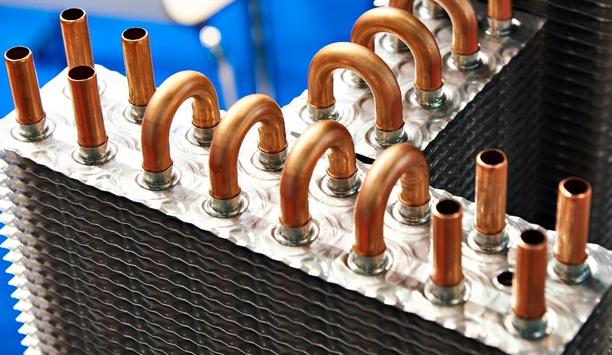
OTS R&D, Inc., in collaboration with the Copper Development Association (CDA), provides design support to optimize copper tube aluminum fin heat exchangers for commercial dehumidification. Problem In collaboration with the Copper Development Association (CDA) and OTS R&D, Inc. (OTS), AprilAire, a manufacturer of dehumidification equipment, they sought to maximize the performance of their products in both standard and low-temperature operating conditions while avoiding frost accumulation on the evaporator. Traditional dehumidifiers often lose efficiency as frost accumulates, leading to disruptions in conditioning and temporary spikes in humidity. Copper tube fin heat exchangers OTS supports innovation and next-generation product development using industry-pioneering software The question was whether small-diameter copper tube fin heat exchangers could maintain or increase efficiency while preventing frost accumulation in these unique operating conditions. OTS is a CDA partner that provides crucial heat transfer and system integration expertise to the industry, specifically in air conditioning, heat pumping, refrigeration, and energy conversion. Having roots with faculty and research at the University of Maryland, OTS supports innovation and next-generation product development using industry-pioneering software. Solution Through extensive research and simulation using the CoilDesigner® tool, the OTS project team explored various heat exchanger designs and airflow rates to identify optimal configurations. The study focused on reducing the outside diameter of the copper tubes from conventional values to 5mm and selecting copper as the tube material. The optimization study considered seven different tube fin geometries, ranging from 5mm OD options to 7.94mm OD tubes. Various parameters Using small-diameter copper tubes (5mm) provides several benefits for heat exchangers and overall advantages Various parameters such as fin density, coil height, number of tubes, circuitry, and airflow rates were analyzed to maximize dehumidification rate, efficiency, and frost avoidance while minimizing material consumption and refrigerant charge. Using small-diameter copper tubes (5mm) provides several benefits for heat exchangers and overall advantages for original equipment manufacturers (OEMs). Energy efficiency Reducing the diameter of copper tubes within coils offers a cost-effective avenue for enhancing system energy efficiency. While alternative methods might bolster system energy efficiency by increasing the number of conventional tubes, this approach incurs penalties such as augmented weight in tube and fin materials and heightened refrigerant volume. Conversely, reducing tube diameter fosters more efficient heat transfer and yields smaller, lighter coils. This reduction in materials can maintain or even enhance heat transfer efficiency while enabling smaller overall product dimensions, facilitating easier storage, transport, and installation, and ultimately reducing the footprint at the point of use. Significant advantage Coils constructed with CTAF or CTCF stand as enduring and reliable solutions within the industry Moreover, small-diameter copper tubes present a significant advantage in reducing refrigerant volume within systems. The diminished internal volume of the coils necessitates less refrigerant to charge, pioneering further benefits in system design, including a notable decrease in overall system weight. Coils constructed with copper tubes and aluminum fins (CTAF) or copper tubes and copper fins (CTCF) stand as enduring and reliable solutions within the industry, setting the standard for corrosion resistance and long-term service life. With a high level of familiarity across the supply chain, from tube suppliers to HVAC/R contractors, the transition to these innovative copper tubes ensures continuity in fabrication, assembly, installation, service, repair, and recyclability processes, maintaining efficiency and reliability throughout. Results After the project, the team identified 13 candidate designs meeting the product requirements, with seven using 5mm OD tubes and six using 7.94mm tubes. The optimized 5mm design showcased significant improvements over conventional designs, with a 5% increase in dehumidification rate and efficiency, a 15% reduction in material mass, and a 60% reduction in internal volume (refrigerant charge). The predicted efficiency at the standard rating condition exceeded the target requirement by 4%. substantial advantages The 5mm condenser variant was approximately 31% less deep in the airflow direction Comparing the 5mm and 7.94mm designs, the former offered substantial advantages regarding material consumption, material cost, and internal volume reduction while maintaining performance, achieving reductions of 42%, 48%, and 50%, respectively. Moreover, the 5mm condenser variant was approximately 31% less deep in the airflow direction, allowing for a larger evaporator depth and surface area. new level of dehumidification performance Cara Martin, CEO of OTS R&D, Inc., shares her insights on the project, stating, "The project utilized advanced simulation tools to identify viable heat exchanger combinations that unlock a new level of dehumidification performance in challenging conditions." "AprilAire will further review the wide range of design options for prototyping and testing, with the expectation that this effort will significantly cut down experimental trial and error in the product development process." commercial dehumidification applications By reducing tube diameter and selecting appropriate materials, manufacturers can achieve higher efficiency In conclusion, optimizing copper tube aluminum fin heat exchangers for commercial dehumidification applications represents a significant advancement in HVAC/R technology. By reducing tube diameter and selecting appropriate materials, manufacturers can achieve higher efficiency, lower material consumption, and improved performance in challenging operating conditions, ultimately enhancing user experience and satisfaction. customized design, simulation, testing, or evaluation Marcus Elmer, CDA Director of Tube and Fittings, adds, “At CDA, we understand that every project is unique and requires specialized guidance and expertise. That's why we work closely with our established partner network to provide customized design, simulation, testing, or evaluation support to OEMs like AprilAire." “By collaborating with CDA and our expert partners,” he continues, “you gain access to a wealth of resources, state-of-the-art facilities, and a deep understanding of the latest trends and technologies.”
Round table discussion

The HVAC market is a rapidly changing environment on a variety of fronts, from the introduction of new refrigerants to the increasing use of artificial intelligence to the embrace of interconnected systems in the Internet of Things (IoT) environment. We asked our Expert Panel Roundtable: How will the HVAC market change in the next five years?

For schools, improving indoor air quality (IAQ) is a basic function of HVAC systems, which also ensures a high comfort level for students, teachers and staff. Schools can be a lucrative market for HVAC systems, but there are challenges, such as long sales cycles and the lingering impact of the COVID-19 pandemic. We asked our Expert Panel Roundtable: What are the challenges for HVAC in serving the education/schools market?

Shifting demographics suggest a need for ‘new blood’ in the HVAC industry. It has never been a more important time to attract new applicants into the industry. Fortunately, there is a range of exciting opportunities for applicants of any age, including new disciplines and skills needed as HVAC systems transform in the digital age. We asked our Expert Panel Roundtable: What are the emerging career opportunities in the HVAC industry?
Products


White papers

The Water Is Fine: Diving Into Air-To-Water Heat Pumps
Download
The Hidden Energy Drain
Download
Leveraging Radiant And Hydronics To Help Achieve Decarbonization Goals
Download
Home Energy Storage
Download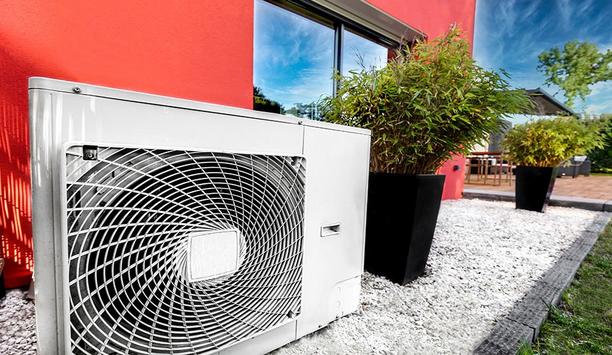
Harness The Heat, Pump Up The Savings
Download
Sustainability, Reliability & Efficiency
Download
Future Proofing Your Building
Download
Adopting Low-GWP Refrigerants In Industrial Refrigeration, Heating And Energy Solutions
Download
Geothermal Heat Pumps
Download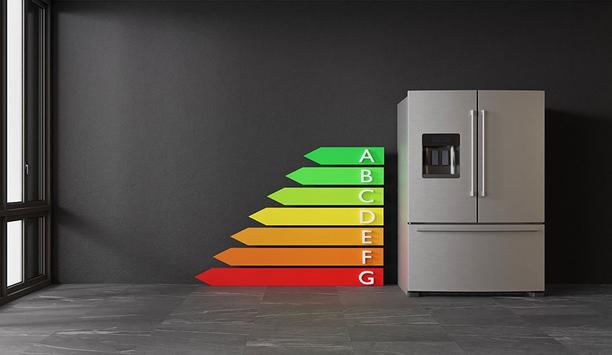
Hot Gas Defrost Of Low Temperature Refrigeration Evaporators With Natural Refrigerants
Download
Adapt To SNAP: Navigating The EPA's Final Refrigerant Rule
Download
The Challenge Of Net Zero For The Heating Sector
Download
Designing For Optimum Energy Management
Download
Benefits Of Solstice® ze In Commercial And Industrial Applications
DownloadVideos


Safety Certification Of IT Equipment Cooling In Data Centers
Download
The Advantages Of Cooling Tower Retrofits Using EC Fan Arrays
Download
The Water Is Fine: Diving Into Air-To-Water Heat Pumps
Download
Heat Pumps: Expert Insights
Download
The Hidden Energy Drain
Download