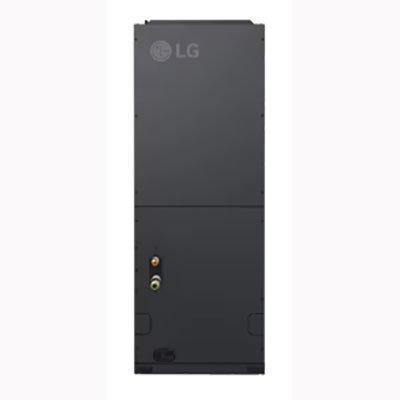
Wildfire smoke can infiltrate a building’s HVAC (Heating, Ventilation, and Air Conditioning) system through various pathways, including outdoor air intakes, cracks, gaps, and openings in the building envelope, and leaks in the ductwork.
Once inside the HVAC system, the smoke particles can be distributed throughout the building, affecting indoor air quality and potentially causing health concerns for occupants.
Indoor air quality
The following are some mechanisms by which wildfire smoke can enter and circulate within a building’s HVAC system:
- Outdoor Air Intakes: HVAC systems often draw in outside air to maintain indoor air quality. If the building’s outdoor air intakes are not adequately filtered or located in proximity to the wildfire smoke source, smoke particles can enter the system.
- Building Envelope: Smoke can infiltrate a building through cracks, gaps, and openings in the building envelope, such as windows, doors, and poorly sealed joints. Once inside, the smoke can be pulled into the HVAC system through pressure differentials.
- Ductwork Leakage: If there are leaks or gaps in the HVAC ductwork, smoke particles can infiltrate the system and spread throughout the building. Leaks can occur at joints, connections, or damaged sections of the ducts.
Cleaning wildfire smoke
To address the issue of cleaning wildfire smoke from an HVAC system, several strategies can be employed:
- Filtration: Upgrading the HVAC system with high-efficiency air filters can help capture smoke particles and improve indoor air quality. The use of filters with a high Minimum Efficiency Reporting Value (MERV) rating, specifically designed for capturing fine particles like those found in smoke, is recommended. Filters with a MERV rating of 13 or higher are considered effective for filtering smoke particles.
- Seal and Insulate: Properly sealing cracks, gaps, and openings in the building envelope can help prevent smoke infiltration. Weatherstripping windows and doors, sealing ductwork leaks, and insulating the building can reduce the entry of smoke particles into the HVAC system.
- Positive Pressure and Air Purification: Creating positive pressure within the building by increasing the airflow into the space can help minimize the infiltration of smoke. Additionally, installing air purifiers equipped with high-efficiency particulate air (HEPA) filters can capture smoke particles in the indoor environment.
It is essential to consult with HVAC professionals or building scientists like WTI Pure Air Control Services to assess the specific building’s needs and determine the most appropriate strategies for mitigating wildfire smoke infiltration and improving indoor air quality.