Safety standards
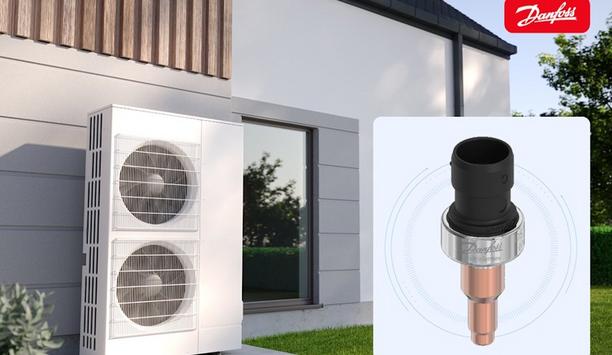
As the latest in the DST series of durable, compact pressure sensors from Danfoss Sensing Solutions, the DST P070 offers a range of features ideally suited for heat pump installations. "Heat pumps play a central role in our transition away from fossil fuel-driven HVAC systems. For example, the REPowerEU targets require that the amount of newly installed heat pumps double every four years, meaning they will need 60 million more heat pumps installed by 2030." "Yet, HVAC system builders often str...
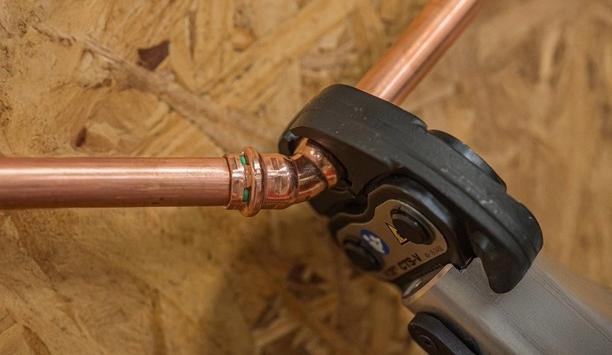
QuickFitting®, a pioneering innovator in flame-free plumbing and HVAC technologies, announced now that its flagship product line, SurePress® press fittings, is now available nationwide through HD Supply, a premier distributor serving the maintenance, repair and operations (MRO) market. With 71 SurePress SKUs stocked across HD Supply warehouses and the full assortment of 143 SKUs available via drop ship, QuickFitting gains expanded reach into key commercial and residential repair sector...
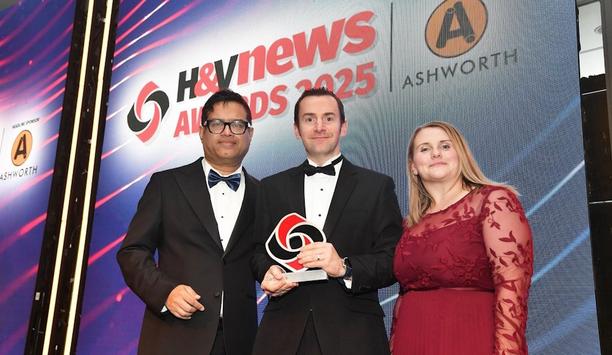
RAUVIPEX, REHAU UK’s pre-insulated district heating pipework solution, has won in the ‘Commercial HVAC Product of the Year – Components and Peripherals’ category at the 2025 Heating & Ventilating News Awards. RAUVIPEX stood out to the judges for its technical excellence and contribution to improved efficiency and sustainability for heat networks. The judging panel also noted how RAUVIPEX’s design demonstrates strong innovation, reliability and had addressed fee...
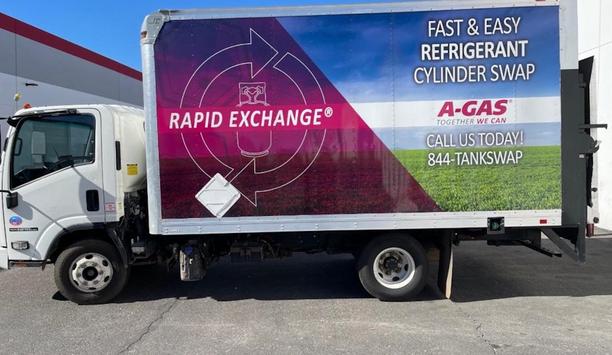
A-Gas, a world pioneer in environmentally responsible lifecycle refrigerant management, announces an expansion of its nationwide service offerings now to the Salt Lake City and surrounding areas. This expansion will provide local contractors, businesses, and HVACR communities with quick and easy refrigerant gas cylinder swaps through A-Gas’ Rapid Exchange® program, in addition to the existing Rapid Recovery® service. DOT-certified refrigerant recovery cylinders “Rapi...
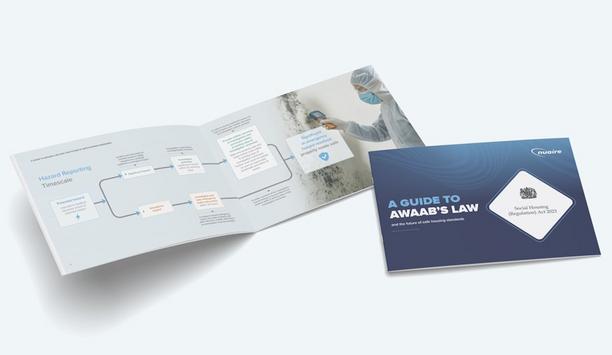
Nuaire has published A Guide to Awaab’s Law and the Future of Safe Housing Standards designed to help social housing organisations comply with Awaab’s Law, which came into effect on 27th October 2025. The legislation was introduced following the tragic death of two-year-old Awaab Ishak in 2020, caused by prolonged exposure to mould in his family’s rented home. Implementing Awaab's law The new guide clearly explains the requirements to investigate and address damp and mould h...
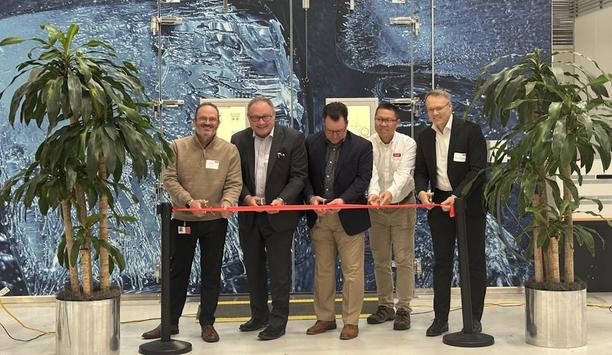
Commercial refrigeration Original Equipment Manufacturers (OEM) will now be able to utilize Danfoss’ Application Development Center (ADC) in Tallahassee, Fla., for their product testing needs. Danfoss opened an additional chamber in the ADC specifically for the testing of food retail and commercial refrigeration equipment utilizing A3, A2L or non-flammable refrigerants. With refrigerant and energy efficiency regulations necessitating product redesigns over the past few years,...
News
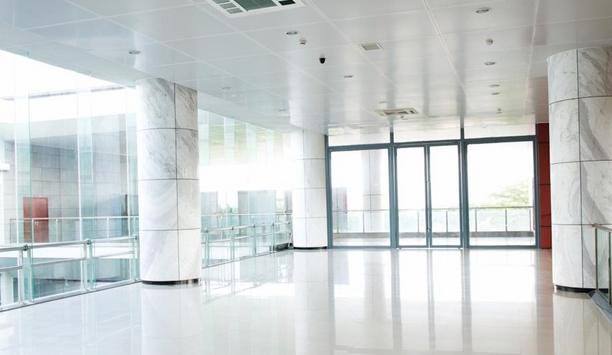
In facilities with high volumes of foot traffic, the constant opening and closing of doors not only lets in chilly air but can cause heating problems for the entire building. Cold drafts bring the temperatures down, so while main rooms benefit from the warmth of the building’s primary heating system, many other areas are left to deal with the arctic side effects. Vestibules, lobbies, entrance ways and hallways are frequently populated, so it’s imperative that facilities hunker down and counteract the cold drafts left behind by those entering and leaving buildings. Opt for electric ceiling heaters To help neutralize these blustery winds, facilities should consider fan-forced wall heaters that provide continuous comfort through optimized airflow. Such units are ideal for entryways and other spaces where short bursts of heat are needed – providing a tremendous advantage over gentle heating sources that may not be powerful enough to provide the desired amount of warmth. However, if wall and floor space is minimal, facilities can instead opt for electric ceiling heaters. Mounted flat or recessed to the ceiling, these heaters are ideal not only for entryways but also in conference rooms, waiting areas, bathrooms and lobbies. No matter the case, both products move heated air with a fan to quickly heat the room from the wall or ceiling. Once the heater turns on, air is moved over a heating element and circulated into the space, making certain that residents are met with warmth and comfort from the time they enter the building until they leave. Specialized Performance Whether it’s through vents, unsealed windows or cracks and crevices in the building’s foundation, cold air will creep into facilities any way it can. This cool air can make indoor temperatures uncomfortable for occupants and reduce the overall heating efficiency of the facility. Specialized heating units are designed to stop drafts in their tracks before they spread throughout a building. Fan-forced wall and ceiling heaters with an automatic delay feature eliminate cold drafts on start-up and discharge residual heat from the heater body during shut down, helping attack drafts at their source, making the best use of available heat and prolonging the life of the heater. To maintain desirable comfort levels, facilities should consider fan-forced wall or ceiling heaters equipped with integrated thermostats or BMS connections for easy adjustment of room temperatures. A hotel’s vestibule, for example, may experience high amounts of foot traffic during check-in and check-out hours. Because less people are coming and going outside of these times, the adjustable thermostat feature allows facilities to alter their heating output needs to ensure heat is not misused and temperatures remain comfortable. For commercial fan-forced wall heaters with striking designs and contemporary looks, Berko® and QMark® offer units to match any room’s décor while supplying an appropriate amount of warmth no matter the time of year. Safety First Safety and style go hand-in-hand. While selecting a heater that fits a building’s aesthetic is important, opting for a high-quality product that protects against common safety risks should be a top-of-mind priority. Fan-forced wall or ceiling heaters are built with easily accessible power on/off switches for added safety during maintenance. Tamper-proof plugs for thermostat holes prevent unwanted changes to the temperature and keep children and pets from getting into places they shouldn’t. All fan-forced units also come with thermal overheat protectors that disconnect power in the event of accidental dust or debris blockages to mitigate risk of injury. Additionally, heaters that include permanently lubricated and enclosed fan motors are shown to have longer lives, require less maintenance and gently administer heat throughout a space. Keep in mind that some heaters are noisier than others, so make sure to choose one powerful enough to negate drafts but quiet enough to prevent disturbances from interrupting daily activities. Maintaining Warmth and Comfort Drafts bring cold air and a lasting chill into heated spaces every time a door opens, especially during the colder months. To offset the frigidness, consider installing a fan-forced wall or ceiling heater to regain suitable levels of warmth and comfort for all building occupants. Berko and QMark’s commercial fan-forced wall and ceiling heaters provide the strongest, safest sources of heat for those chilly spaces.

Now, WindowMaster, one of the world’s pioneering natural ventilation specialists, announces it has achieved EN 12101-2 certification for its smoke and heat exhaust ventilation (SHEV) solution, when integrated with Schüco's AW RO 50 profile system. In an industry first, this new system combines Schüco's advanced AW RO 50 profile with WindowMaster’s high-precision actuator technology to deliver combined smoke extraction and hybrid ventilation capability. Crucially, this dual functionality eliminates the need for separate safety and ventilation systems. This ensures optimal performance for both emergency smoke extraction and routine natural ventilation operations. Smoke and heat exhaust ventilation systems The solution has recently been validated through rigorous official testing protocols to achieve EN 12101-2. This standard, which ensures compliance with European regulations for smoke and heat exhaust ventilation systems, is increasingly becoming a requirement for specifiers who want to guarantee the safest system whilst also providing natural ventilation for better building performance. Essential fire safety compliance As Erik Boyter, WindowMaster CEO highlights, "This certification enables us to offer an EN 12101-2 compliant SHEV solution specifically designed for roofs using the Schüco AW RO 50." "It uses fewer components to achieve far more powerful outcomes; delivering essential fire safety compliance and potentially with correct controls, second-to-none indoor air quality management, all from a single integrated system." Building management systems integration For specifiers and building managers, the implications are potentially game-changing, and include; reduced capital costs through single-product specification, simplified maintenance protocols, streamlined building management systems integration, and improved design flexibility. Available for a wide range of applications, The WindowMaster solution for Schüco's AW RO 50 is suitable for industrial halls, schools and commercial buildings that require the maximum levels of fire safety and day-to-day indoor climate control.
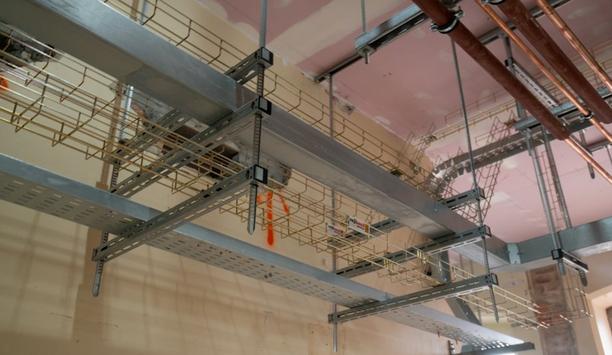
Gripple, a major manufacturer of engineered suspension solutions for construction and critical infrastructure applications, is proud to highlight Fast Trak, an innovative suspension system engineered to transform mechanical and electrical installations. Designed to streamline projects with speed, safety, and efficiency, Fast Trak delivers industry-pioneering performance. Fast Trak sets a new benchmark in installation speed, enabling installers to complete projects up to six times faster than traditional threaded rod or channel systems, reducing labor time and accelerating project schedules. The intuitively designed, prefabricated system eliminates the need to cut threaded rod or channel on-site, significantly minimizing injury risk and simplifying on-site labor requirements for safer project environments. On-site flexibility Engineered for on-site flexibility, Fast Trak's tool-free adjustment allows the bracket to glide smoothly up and down the tracks, allowing installers to make on-the-fly positioning changes without additional tools. The track bends neatly under the bracket or excess track can be snapped off after leveling for a streamlined finish. Fast Trak features a distinctive four-sided bracket providing full flexibility for trade attachments on any side of the bracket. This versatile configuration makes Fast Trak an all-in-one support solution, making multi-tiered trapeze installations faster, cleaner, and more flexible. User-friendly measurement indicators at each end of the bracket simplify ceiling marking, and level markers on the tracks at every 2 1/4-inch increment make leveling fast and precise. Streamlined on-site logistics The entire system is designed for streamlined on-site logistics, reducing storage needs and ensuring a neat, organized workspace from start to finish. Brackets are pre-sized and prefabricated; so, storage and cutting (hot works) of large, 10-foot sections of strut or rod is necessary. Fast Trak systems are packed in compact boxes with integrated handles for ease of storage and movement around job sites. Fast Trak accommodates working loads up to 650 lbs., meeting the demands of mechanical and electrical services. Fast Trak is available in multiple bracket and track lengths, enabling contractors to tailor installations to specific site requirements and space constraints. The system supports both uniformly distributed loads (UDL) and single-point loads (SPL) in diverse bracket and orientation combinations, ensuring broad applicability across mechanical and electrical projects. Design versatility and modularity Compliance is central to Fast Trak’s design, with Fast Trak holding ICC-ESR-4622 and IAPMO approvals, MFMA and DSA/OSHPD compliance, and having undergone fire testing to F120 and MPA 1363-1 standards. With industry-pioneering installation speed, design versatility and modularity, neat zero-waste finishing, and robust durability, Fast Trak reinforces Gripple’s commitment to innovative, efficient, and safe solutions for today’s construction environments. With Fast Trak, Gripple sets a new benchmark for speed, safety, and site efficiency in engineered suspension.
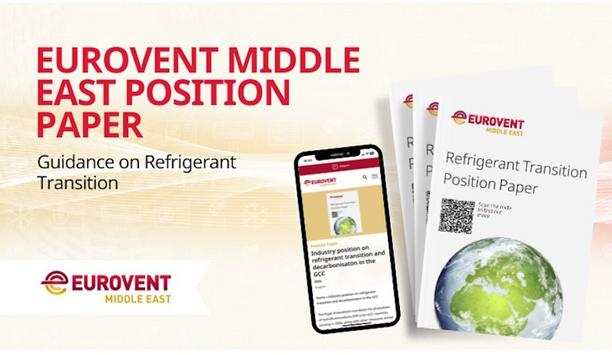
Following discussions alerting the industry about potential supply shortages of HFC-based refrigerants during its HVACR Next Generation Congress in Riyadh on 28 October 2025, Eurovent Middle East has published its first industry guidance on the impending refrigerant transition in the region. With the ratification of the Kigali Amendment by the Kingdom of Saudi Arabia in September, the GCC countries are set to phase down hydrofluorocarbon-based refrigerants (HFCs) starting with a baseline freeze in 2028, followed by phase-down from 2032. Shortages of HFC refrigerants While the phase down begins only gradually with reductions of HFCs consumed or produced in steps of 10% every 5 years initially, the industry will be faced with potential supply shortages of HFC refrigerants due to the economic growth and thus rising demand for cooling in the region. During the HVACR Next Generation Congress in Riyadh, Markus Lattner, Managing Director of Eurovent Middle East, warned: “The phase down will start from a baseline of HFCs produced or consumed over the period from 2024 to 2026." "This means that if we add the accumulated growth in the building sector in the next years to the 10% reduction in the first step, we can very likely look at a sudden shortage of HFC-based refrigerants in excess of 30%, when the first reduction happens in 2032. To prevent wider shortfalls and bottlenecks, it is imperative that industry and governments act now!" Implementation and harmonization of safety standards The Position Paper by Eurovent Middle East addresses alternatives and outlines recommendations to industry and governments on how to avoid bottlenecks in the future. It recommends the use of alternatives to HFCs immediately, wherever possible to be done safely, encourages upskilling initiatives to ensure that the workforce is prepared to handle alternative refrigerants, and calls for implementation and harmonization of safety standards and regulatory frameworks across the region to facilitate the switch towards cooling and refrigeration systems, which work with low global warming potential refrigerants. The association’s position paper can be downloaded free-of-charge on the Eurovent Middle East website.

NIBCO INC. announces new 2 1/8" OD fittings to its PressACR® line, designed to meet the growing demand for larger diameter press connections in the air conditioning and refrigeration industry. NIBCO’s PressACR fittings are made of high-quality, globally sourced pure copper. Manufactured in Stuarts Draft, Va., press end connections reduce installation time, while the patented interior groove design and gray HNBR seals make them suitable for high-pressure HVACR applications. Overall HVACR industry Featuring a professional appearance and delivering consistent joint quality, PressACR fittings meet stringent certification and compliance standards that support applications rated up to 700 psi. “Expanding our PressACR line shows NIBCO’s loyalty to our customers and the overall HVACR industry,” said Marilyn Morgan, Senior Product Manager - Fittings, NIBCO, adding “We are dedicated to producing reliable products of exceptional quality that meet the highest standards.” The PressACR line now ranges from sizes 1/4-inch up to 2-1/8-inch.

A-Gas, a globally renowned company in responsible lifecycle refrigerant management, offered its Rapid Recovery® services in the cleanup of Western North Carolina following Hurricane Helene. With a Rapid Recovery location in Charlotte, North Carolina, A-Gas is poised to provide the region with on-site refrigerant recoveries as needed. In the aftermath of Hurricane Helene, the Rapid Recovery Team collected refrigerant from big-box stores that experienced damage from the storm, minimizing the risk of the refrigerant causing environmental damage if released into the atmosphere. Compliant with regulatory standards "Across Western North Carolina, our expert technicians were able to recover over 7,800 pounds of refrigerant from damaged buildings, while ensuring the recoveries were compliant with regulatory standards. Based on the Global Warming Potential (GWP) of the gases recovered, over 12,000 metric tons of carbon dioxide equivalent (CO₂e) was abated, preventing it from being released to the atmosphere. This is equivalent to 2,858 cars being taken off the road for one year,” said Kira Harman, Territory Account Manager for A-Gas. Kira Harman adds, “We are committed to providing responsible solutions tailored to the needs of local communities and are ready to help in the course of normal operations and at times of crisis.” Risk of leaks from damaged systems “My team and I are always ready to help local businesses when they need us, day or night. We could not be prouder to help the folks in our state get back to normal, while helping to reduce the negative impacts of Hurricane Helene,” said Jason Cantrell, Field Service Manager for the A-Gas Rapid Recovery Charlotte location. Jason Cantrell adds, “Refrigerant is something easily forgotten in situations like these, but there is a big risk of leaks from damaged systems. We are proud that we are continuing to support the area and here to minimize that environmental risk.” Rapid Recovery’s EPA-certified technicians At A-Gas, the Rapid Recovery Team understands the critical nature of safe, time-efficient refrigerant recovery. The Rapid Recovery service is the foundation for lifecycle refrigerant management, as without safe refrigerant recovery, there cannot be reclamation or reuse. Rapid Recovery’s EPA-certified technicians provide a turnkey solution, ensuring all aspects of compliance, safety, and documentation are handled seamlessly. With this service, A-Gas continues to build on its mission of supporting the circular economy and promoting environmentally conscious business practices.

Expert Commentary

As HVAC professionals know, the heating and cooling industry is undergoing a transition from refrigerants like R-410A to low global warming potential (GWP), or A2L, refrigerants such as R-454B. When preparing customers for the changes that the refrigerant shift brings, contractors can stay ahead of the learning curve by investing in staff training, purchasing necessary new tools for their HVAC technicians, and educating their residential and commercial customers about the impacts. As the industry navigates this change, below are lessons and tips to help contractors make a smooth transition to using the new refrigerants. Dealing with new refrigerants, new rules, and new challenges As new equipment has arrived, questions have come up around installation and servicing In 2025, new residential and light commercial HVAC systems must use low-GWP refrigerants. These refrigerants require new standards, new products, and enhanced safety protocols. There has been a significant learning curve for the industry, especially in the early stages of the transition. As new equipment has arrived, questions have come up around installation and servicing. Industry trade partners, such as Mitsubishi Electric Trane HVAC US (METUS), have been helpful in providing information, resources, and support. Things have been changing quickly, and while many HVAC contractors are adapting well, others are still trying to get their bearings. Part of the challenge is that manufacturers have varying requirements. Availability of A2L-compatible equipment Initially, the HVAC industry faced challenges due to the limited availability of A2L-compatible equipment and the declining supply of R-410A systems. We’ve worked to balance inventory management with maintaining customer satisfaction. In some cases, we've made two separate service visits for new system installations, first to replace the furnace and evaporator coil and then to return once the outdoor unit becomes available. Thankfully, the industry’s inventory availability has recently improved. The refrigerant itself is still hard to come by for most contractors. Remaining vigilant and proactive, continuing to depend on trusted industry partners for timely and accurate updates is essential. Staying ahead through training and education Company pioneers should ensure their teams – not just HVAC installers but sales, service As the industry receives new information on installation, service procedures, and safety protocols, it is essential that contractor training programs are continuously evolving. Company pioneers should ensure their teams – not just HVAC installers but sales, service, and support staff – stay informed as new guidance becomes available. Education is a core value: teams should be encouraged to attend training sessions and share what they learn with their fellow team members. Regulations, safety procedures, and installation best practices In preparation for the transition, it’s also vital that contractors upgrade many of their tools, such as vacuum pumps, digital gauges, recovery machines, and manifolds. They should also provide their technicians with the proper training on these tools. Most importantly, contractors should take advantage of every opportunity from their trade partners, like METUS, and numerous trade affiliations, like the Air Conditioning Contractors of America (ACCA), to obtain guidance. Constantly research and share information with your team so members are well-versed on regulations, safety procedures, installation best practices, and more. Educating homeowners on potential upgrades Customers rely on contractors’ expertise to guide them through their purchase Most homeowner discussions focus on price and equipment availability rather than refrigerant types, but a few well-informed customers ask about the impact of the equipment refrigerant on their homes. Customers rely on contractors’ expertise to guide them through their purchase. Clear, helpful education builds trust, ensures understanding, and offers peace of mind for customers. It's smart and responsible to communicate about the refrigerant change to customers early, so they’re not caught off guard when their current R-410A system eventually needs replacement. They can plan and budget better with this knowledge in mind. I recommend that New York State contractors let their customers know they may be able to take advantage of the New York State Clean Heat program rebates. These rebates can be combined with federal tax credits included in the Inflation Reduction Act for switching to heat pumps and other efficient solutions. Both programs have incentivized customers to install high-performance heat pump systems. Improving performance while enhancing comfort All-climate heat pump systems using A2L refrigerants are said to be more efficient than prior generations All-climate heat pump systems using A2L refrigerants are said to be more efficient than previous generations. We’re telling our customers who switch that they can potentially lower their utility bills. The timing of these enhancements fits well with the growing demand the industry is seeing for ductless systems. Our northeastern region – which includes Amherst, New York and the surrounding Buffalo area – has started experiencing above-average temperatures, prompting many people to adopt ductless systems as a cooling solution for the first time. I would never have anticipated this trend five years ago, and contractors in other parts of the country may be seeing the same trend. Turning disruption into a path for growth and preparedness The refrigerant transition has brought its share of challenges, but it has also sparked progress. It is essential for contractors and HVAC professionals to embrace this moment as a catalyst to strengthen their teams, invest in modern tools, and elevate customer education. By staying connected with trusted partners and industry groups, contractors don’t have to just keep pace, but they can instead position themselves for long-term success in this new era of HVAC.

Heating, ventilation, and air conditioning (HVAC) systems aren’t just essential to controlling temperatures and air quality inside buildings — they could contribute towards massive global savings. An ‘Efficient cooling scenario’ proposed by the International Energy Agency (IEA) suggests that doubling the energy efficiency of air conditioning could reduce investment and running costs in these systems by nearly $3 trillion by 2050. Here, Chris Johnson, Managing Director of bearing specialist SMB Bearings, explains how one way to make HVAC systems more efficient is through the better use of advanced sealed bearings. Integrity of components HVAC systems operate in harsh environments where dust, moisture, and contamination threaten the integrity of components. Those components include bearings, which are essential in the fans, motors, and compressors used in commercial air handling units, industrial refrigeration systems, and large-scale ventilation systems. These systems are commonly found in factories, hospitals, and office buildings. Safety risks as overheating components Eventually, the motor will struggle and consume more energy to maintain its performance Take an HVAC system in a large commercial building, for example. If bearings begin to fail, then friction increases, which causes components to overheat. Over time, the excessive heat can lead to the misalignment of shafts and fans. As this misalignment worsens, vibrations can increase and place further stress on the system. Eventually, the motor will struggle and consume more energy to maintain its performance. If left unchecked, the motor can seize entirely, halting airflow and disrupting climate control. These issues not only result in higher energy costs, but can present safety risks as overheating components can lead to fire hazards or breakdowns. Reliability of HVAC systems For example, during heat waves in Ghaziabad, India, extreme temperatures have caused HVAC systems to overheat and ignite, leading to a rise in air conditioner fires. According to The Times of India, many of these fires are due to poor maintenance, overloaded circuits, and aging components. Fortunately, sealed bearings — bearings enclosed with seals or shields to prevent contamination and retain lubrication — can address some of these challenges. They not only enhance the reliability of HVAC systems, but can also reduce the frequency of maintenance interventions. This leads to an overall lower total cost of ownership (TCO). Optimising bearing procurement using TCO A common mistake when procuring bearings for HVAC systems is to focus solely on the initial cost A common mistake when procuring bearings for HVAC systems is to focus solely on the initial cost. This can be misleading, as bearings with a lower upfront price could result in higher maintenance requirements and replacement costs over time. Instead, buyers should adopt a TCO approach that considers the entire lifecycle costs of the bearing, including purchase price, installation, maintenance, and potential downtime. Let’s use the example of gearboxes and geared motors, which are integral to many HVAC systems and provide the necessary torque and speed control for various components. Bearings within these systems ensure smooth operation, reduce frictional losses, and increase the HVAC system’s overall efficiency. integrity of lubricants and protecting internal components Sealed bearings are especially suited to gearboxes, because they prevent the ingress of lubricants and contaminants that would otherwise compromise the gearbox’s performance. Sealed bearings contribute to the longevity and reliability of gearboxes and geared motors By maintaining the integrity of lubricants and protecting internal components, sealed bearings contribute to the longevity and reliability of gearboxes and geared motors, and ultimately improve the performance of the overall system. Sealed bearings also offer significant cost savings over time. Their ability to resist contamination reduces the need for frequent lubrication and maintenance, thereby extending service life and enhancing system reliability. Sealed bearings in HVAC systems Lubrication is critical for sealed bearings in HVAC systems as it minimizes friction, dissipates heat, and prevents wear. Sealed bearings can come pre-lubricated, in order to require minimal maintenance. However, in demanding environments or high-load applications, periodic relubrication may be necessary to maintain the bearing’s performance and extend its service life. Ensuring safety and compliance in explosive environments Certain HVAC applications operate in environments where explosive gases or dust are present Certain HVAC applications operate in environments where explosive gases or dust are present. In such settings, it is paramount to ensure that all components meet safety and compliance standards. Bearings used in these environments must meet stringent standards, like ATEX 2014/34/EU, a European Union regulation for the use of equipment and protective systems in potentially explosive atmospheres (ATEX) where a mixture of air, gases, vapors, mists, or dusts can ignite under certain operating conditions. There is also the international IEC System for Certification to Standards Relating to Equipment for Use in Explosive Atmospheres (IECEx). Choosing the right bearings Selecting the appropriate bearings for HVAC systems involves considering factors such as load capacity, speed, operating environment, and maintenance requirements. Sealed bearings for HVAC systems come in three main types: contact seals, non-contact seals, and metal shields. Selecting the appropriate seal type ensures HVAC system efficiency, longevity, and reliability Contact seals provide superior protection against dust, moisture, and contaminants; but they can also increase friction and reduce speed. Non-contact seals offer a balance with good contamination protection and minimal impact on speed, which makes them ideal for high-speed HVAC components. Meanwhile, metal shields prevent larger particles from entering, and are suitable for applications where speed and temperature resistance are critical. Selecting the appropriate seal type ensures HVAC system efficiency, longevity, and reliability. IEA’s Efficient cooling scenario The IEA’s ‘Efficient cooling scenario’ highlights the need for more efficient air conditioning solutions to prevent excessive electricity demand growth. It projects that doubling the energy efficiency of air conditioning by 2050 would prevent global electricity demand from growing by 1,300 gigawatts and save up to 2.9 trillion USD. High-performance components, like sealed bearings, already play a vital role in achieving these efficiency gains. By preventing contamination, minimizing maintenance and improving reliability, bearings can support the global drive for energy savings.

This year’s Clean Air Day falls on Friday the 19th June. In its eighth year, Clean Air Day has become the UK’s largest campaign dedicated to raising awareness of air pollution and its impacts on health and the environment. It also encourages individuals and organizations to take practical steps to reduce pollution and protect public health, both inside and outside buildings. Air quality should be a concern for everyone, but certain sections of society are disproportionally impacted than others, children in particular, which is why this year on Clean Air Day we are urging policymakers, educators, and building professionals to prioritize clean air in and around our schools and homes. Children Face a Greater Risk Children are particularly susceptible to the harmful effects of air pollution Children are particularly susceptible to the harmful effects of air pollution. Unlike adults, their lungs and immune systems are still developing, and their smaller body size means they breathe in more air relative to their body weight. This increased inhalation rate, coupled with greater time spent outdoors—especially during commutes to and from school—results in elevated exposure to pollutants like nitrogen dioxide (NO₂) and particulate matter (PM). Serious health consequences for children 15,000 children under the age of five were admitted to London hospitals with breathing difficulties in 2023 The effects of breathing in polluted air can have serious consequences for children. Clean air campaign group Mums for Lungs revealed that 15,000 children under the age of five were admitted to London hospitals with breathing difficulties in 2023. Although it’s not possible to determine how many of the admissions are directly linked to air pollution, a study by the University of Dundee found that children are significantly more likely than adults to be hospitalized due to respiratory issues caused by air pollution. Mental effects of air pollution Air pollution is not only linked to physical ailments such as asthma and bronchitis but also to decreased attentiveness and slower cognitive response times in classrooms. What's also very concerning is that the damage to children’s lungs is often irreversible. The Royal College of Paediatrics and Child Health has called for "bold but necessary policies" to protect young people and improve air quality, particularly around schools and hospitals. Unfortunately, many new schools are being built in areas that exceed World Health Organization air pollution limits. Between 2017 and 2025, 147 new schools in England—86% of all planned or constructed—will be in such zones. Surprisingly, there is no legal obligation to consider air quality in school planning, despite children spending up to 35 hours a week in these environments. Identifying the Invisible Threat Indoors However, indoor air pollution is an equally serious, yet often overlooked, issue When we talk about air pollution, the conversation often focuses on outdoor sources like vehicle emissions. However, indoor air pollution is an equally serious, yet often overlooked, issue—especially in schools and homes. Recent research from Birmingham University at a Cardiff high school found that particulate matter concentrations inside classrooms were influenced not just by outdoor pollution, but also by indoor activities, classroom location, and even flooring materials. In homes, sources of indoor pollution include cleaning chemicals, cooking emissions, and even everyday items like candles or air fresheners that release volatile organic compounds (VOCs). Without adequate ventilation, these pollutants accumulate, leading to poor indoor air quality (IAQ) that can affect children's health and ability to learn or sleep well. Schools, which typically include a variety of spaces such as classrooms, kitchens, sports halls, and even swimming pools, present their own set of ventilation challenges. Each of these environments requires specific ventilation solutions to ensure a safe and healthy atmosphere. The Role of Ventilation in Healthier Environments Effective ventilation is one of the most important tools we have in the fight against indoor air pollution. Properly specified and maintained ventilation systems can significantly improve IAQ by removing pollutants and regulating CO₂ levels. In classrooms, balanced mechanical ventilation with heat recovery—such as the Nuaire XBOXER XBC range—is ideal. These systems are capable of ventilating multiple rooms and come equipped with filters to remove incoming pollutants, offering both health and energy efficiency benefits. School ventilation challenges challenges Sports halls present different challenges, particularly with high CO₂ levels and odours Sports halls present different challenges, particularly with high CO₂ levels and odours. Packaged Air Handling Units are well-suited to these environments, offering high-volume air movement and the option of occupancy or CO₂ sensors to control the system efficiently based on use. For indoor swimming pools, where humidity and chlorine levels are high, Air Handling Units are also ideal, although will need to be corrosion-resistant. Meanwhile, in school toilets—frequent sources of unpleasant odours and bacteria—twin fan technology ensures continuous extraction, even if one fan fails. Kitchens benefit from bifurcated fans, which position the motor outside the airstream to prevent grease build-up and reduce maintenance needs. These tailored solutions demonstrate how smart ventilation can enhance IAQ across varied school settings. A Call to Action This Clean Air Day Clean Air Day is more than a date on the calendar—it’s a call to action. Road transport is a key contributor to NO₂ emissions, and efforts to promote walking, cycling, and public transport are important. However, tackling indoor air pollution is equally critical. We must recognize that protecting children from air pollution is not optional; it is a moral and public health imperative. No child should have to breathe polluted air simply to learn, play, or sleep. By investing in targeted ventilation strategies and supporting evidence-based policy, we can give every child the clean air they deserve—and build a healthier future for all.
Editor's Note

As the skilled workforce retires, college costs rise, and demand grows for hands-on careers, there has never been a better time for apprenticeships in industries like HVAC. As more people seek alternatives to traditional four-year degrees, vocational training offers a faster, more affordable path to meaningful work, and apprenticeships can play an important role. Apprenticeships come in many different forms, but all programs strive to build knowledge and skillsets for employees. Apprenticeships provide a long-term solution to labor shortages by developing a workforce that is trained, engaged, and aligned with industry needs. Ziehl-Abegg apprenticeship program The success of the Ziehl-Abegg training program suggests options to embrace a similar approach In the HVAC market, fan manufacturer Ziehl-Abegg offers an apprenticeship program that is a structured, rotational experience designed to prepare individuals for long-term careers in ventilation and advanced manufacturing. The success of the Ziehl-Abegg apprenticeship program suggests opportunities to embrace a similar approach throughout the HVAC industry. At Ziehl-Abegg, apprentices receive hands-on training across core business functions, including engineering, operations, sales, logistics, and assembly. The immersive approach ensures they not only develop technical skills but also understand how departments work together. Benefit from apprenticeships “The program strengthens retention, builds internal expertise, and aligns with our long-term growth goals,” says Layel Burton, Ziehl-Abegg’s Apprenticeship Coordinator. “By training apprentices in-house, we cultivate a workforce deeply familiar with our products, systems, and culture — creating highly capable employees who can grow with us as we expand our North American operations.” Businesses benefit from apprenticeships by gaining talent trained to meet specific needs, while communities gain a more resilient workforce. At Ziehl-Abegg, apprenticeships have helped to bridge labor gaps and to scale with confidence. With proper investment, apprenticeships can reduce unemployment, drive innovation, and help rebalance the economy by elevating careers that are essential but often underrecognized. Front lines of HVAC performance Contractors should understand how a fan or system was designed and tested at the manufacturing level Installers and contractors are on the front lines of HVAC performance, and well-structured apprenticeships can give them the technical depth and context needed to excel. When contractors understand how a fan or system was designed and tested at the manufacturing level, they are better equipped to install and troubleshoot it correctly, Burton contends. “Our apprenticeship program teaches the ‘why’ behind the ‘how,’ which is something the entire HVAC chain can benefit from,” says Burton. “Manufacturers, service companies, and distributors alike should invest in mentoring programs to create field professionals who are not only capable but confident and connected to the bigger picture.” Skilled roles in ventilation and advanced manufacturing The Ziehl-Abegg program exposes apprentices to every major department — from engineering and logistics to quality and production. This cross-functional experience prepares them to step into skilled roles in both ventilation and advanced manufacturing. “Apprentices graduate not only with technical skills but also a deep understanding of our business, making them agile, dependable team members who are ready to support growth in the HVAC sector,” says Burton. Apprentice programs offer a range of benefits at any level of the HVAC supply chain. Structured partnerships Structured alliances among schools, firms, and rules ensure even training and smooth workforce entry Ziehl-Abegg is a German company, and in Europe, apprenticeships are deeply embedded in the education system and viewed as a respected career path—not an alternative to college, but a parallel track. Structured partnerships among schools, businesses, and government ensure consistent training and smooth workforce entry. In the U.S., apprenticeships are gaining momentum, but still lack the widespread infrastructure and cultural normalization seen in Europe. “At Ziehl-Abegg, with roots in Germany, we have adapted that model to our North American operations,” says Burton. “The U.S. can learn from Europe’s commitment to workforce alignment by promoting apprenticeships early, building stronger industry-education pipelines, and removing the stigma from vocational training.” Proficiency, thinking, and collaboration skills How can a company find great apprentice candidates? “A good apprentice brings curiosity, reliability, and a willingness to learn,” says Burton. “At Ziehl-Abegg, we look for individuals who show interest in hands-on work, ask questions, communicate well, and have a strong work ethic.” While technical knowledge is helpful, attitude and drive matter more, he notes. “Our program helps build confidence and competence by exposing apprentices to real responsibilities and rotating them through engineering, production, and logistics.” This experience develops technical proficiency, critical thinking, and collaboration skills. Apprentices leave the program not only prepared to take on a skilled role—but also with the mindset to grow into future pioneers. Aptitude and ambition to learn Baxley was a good match for the program because he had the aptitude and ambition to learn and work Joshua Baxley, Ziehl-Abegg Technical Sales Rep, Global Key Accounts, was an apprentice before joining the team full time. “I was drawn to apprenticeships because I was uncertain of what I wanted to do with my career,” says Baxley. “The apprenticeship program with Ziehl-Abegg provided an excellent opportunity to discover what type of career and profession I wanted to pursue by providing me the opportunity to work in all the departments at the company while paying for my education.” Baxley was a good match for the program because he had the aptitude and ambition to learn and work hard each day. These attributes helped him become knowledgeable of the company and the products as well as building strong relationships with colleagues. Four years of on-the-job experience The program allowed Baxley to get his foot in the door and gave him the opportunity to gain four years of on-the-job experience by the time he graduated. “All of this gave me the confidence each day to interact with customers and become well-versed in the world of engineering and sales,” he says. “The unexpected benefit I received from the program are the relationships and connections I was able to build throughout the company and the industry.” “The apprenticeship at Ziehl-Abegg provided me with like-minded people my age that I created close friendships with while also building relationships with the people in each department I worked in,” says Baxley. “I highly suggest anyone to join apprenticeships if they have any uncertainty on their career path or if they can find an apprenticeship that matches their career choice and interest.”

Johnson Controls’ Advanced Development Engineering Center (JADEC) in New Freedom, PA., about 25 miles from Philadelphia, highlights and demonstrates the company’s capabilities related to development, testing and manufacturing. The 357,000-square-foot facility is an advanced engineering and testing facility for water-cooled chillers, air-cooled chillers, air handlers, compressors, and heat pumps. Much of the development in the facility centers on advancements in a critical vertical market for the HVAC industry – data centers. Big challenge Data centers are a big challenge – and a huge opportunity – for the HVAC industry. “You cannot ignore the tremendous growth opportunity in this vertical,” says Todd Grabowski, president, Global Data Center Solutions for Johnson Controls. Unlike other verticals that are more dominant in certain geographic regions, data centers are growing everywhere globally – and at a breathtaking pace. “As a growth company, it is critical that we have solutions to handle the growth and serve the customers in the data center market,” says Grabowski. Performance of various components Testing options at JADEC include testing the performance of various components Testing options at JADEC include the ability to test the performance of various components in a controlled environment that approximates how they will operate in the customer’s real-world setting. There are more than 20 testing labs available at the JADEC campus, covering some 250,000 square feet. “We want everyone to understand the unique position Johnson Controls is in to use our technology and our manufacturing scale to accomplish desired outcomes,” said Grabowski. Non-compressor solution JADEC displays the full breadth of what they offer, including a non-compressor solution using direct evaporative cooling and an air-cooled unit that uses a screw compressor or a magnetic-bearing centrifugal compressor. Also included are various water-cooled chillers. Johnson Controls owns, develops, tests, and manufactures all the compressors on display. Customers are assured of getting a fully engineered and supported solution from Johnson Controls (e.g., no third-party compressors). Johnson Controls owns, develops, tests, and manufactures all the compressors on display. Colocated data centers Grabowski emphasizes that each customer installation has site-specific needs that require unique solutions that Johnson Controls seeks to fulfill. The company works closely with data centers, including those operated by “hyperscalers” such as Amazon, Microsoft, Apple, and Meta, and colocated data centers that rent space and capacity to customers based on their growth and needs. Colocated data centers come in a variety of sizes and types; some of them are operated by companies such as Equinix and NTT. Data center solutions Sustainable methods include the use of refrigerants with ultra-low GWP The sustainability of data center solutions is a bigger issue than ever, given the sheer volume of data centers being built to handle the world’s growing computational needs. Sustainable approaches include the use of refrigerants with ultra-low GWP, and water-free systems that do not require higher costs or create higher demands on a locality’s water infrastructure. Magnetic bearing centrifugal compressors are more energy-efficient because no friction is lost in the compression; also, the equipment is quieter. Impact on global electricity demand “Sustainability has always been an important aspect, and now it is critical in 2024 and beyond,” says Grabowski. Because data centers are huge consumers of energy, they can put more strain on the electricity grid and have a big impact on global electricity demand. Lowering energy usage helps to address the challenge. “We want to contribute to energy efficiency, be good stewards of water, and reduce noise,” says Grabowski. Increasing the challenges are the proliferation of new artificial intelligence (AI) chips, more common in newer data centers, which need more power and create more heat than older chips. Advantages of water cooling The liquid contained in a cold plate on top of the chip is denser than air and accept more transferred heat Closed-loop liquid systems are used to cool individual chips, an application that does not cause a strain on local water supplies. The liquid contained in a cold plate on top of the chip is denser than air and can accept more transferred heat. However, chillers and cooling towers lose water through evaporation and can strain local water supplies. Johnson Controls is researching and testing systems that provide the advantage of water cooling without losing excess water to evaporation. Air-cooled systems In contrast, air-cooled systems can cool chips to a point, but may not provide enough cooling for high-density chips. Johnson Controls provides air-cooled machines up to 600 tons and water-cooled systems up to 4,000-plus tons. “As chip technology evolves, the way you cool, secure and automate the entire data center changes as well,” says Grabowski. “Companies such as Johnson Controls must keep up with evolving trends and provide unique solutions.” As chips become denser from a heat-generation perspective, systems must be optimized from a footprint and energy standpoint. JCI provides air-cooled machines up to 600 tons and water-cooled systems up to 4,000-plus tons. Technological solutions “As chip density increases, we will have technological solutions ready for the next generation of chips when they come out,” adds Grabowski. Johnson Controls is also involved in developing new approaches to managing the heat from data centers, such as the possibility of recapturing the heat and circulating it into a district-heating system for a nearby community, university, or hospital. A more widely deployed approach in Europe, the concept of district heating is gaining acceptance in the U.S. market. {##Poll1725623180 - What is the biggest challenge the data center market presents to the HVAC community?##}

SNAP Rule 26 marks an important milestone in the transition from commercial refrigeration to new refrigerants. The rule lists refrigerant substitutes that provide a spectrum of technological solutions to meet required performance, global warming potential (GWP), safety, and environmental standards. SNAP stands for Significant New Alternatives Policy, a program by the U.S. EPA (Environmental Protection Agency) under the Clean Air Act. In general, the program aims to evaluate and regulate substitutes for ozone-depleting substances, considering their overall risks to both human health and the environment. Impact of SNAP Rule 26 Final SNAP Rule 26, Protection of Stratospheric Ozone, lists acceptable substitutes in commercial and industrial refrigeration. SNAP Rule 26 will be effective July 15, 2024. The incorporation by reference of certain material listed in the rule is approved by the Director of the Federal Register as of July 15, 2024. The incorporation by reference of certain material listed in the rule is approved by the Director of the Federal Register “To date, the SNAP program has provided a very effective framework for evaluation and approval in support of innovation and the transition to new technology,” says Andrew Pansulla, Technical Service Engineer, The Chemours Company, a global chemistry company that provides a range of refrigerant products. We asked Pansulla to elaborate further on the impact of SNAP Rule 26 and what lies ahead. Q: How will the Rule’s finalization impact various commercial refrigeration sectors? Pansulla: The rule’s finalization will impact commercial refrigeration in several ways. Areas, where impact will likely be seen, include providing more acceptable refrigerant options, adherence to updated standards, new equipment design standards, and the exemption of propane from the venting prohibition for refrigerated food processing and dispensing equipment. These impacts could trigger changes in operational, manufacturing, and environmental compliance strategies in the commercial refrigeration sectors. SNAP Rule 26 will enable the adoption of the listed substitutes, including Chemours Opteon™ refrigerants, with global warming potential (GWP) lower than existing refrigerants. This rule does not require any changes to existing equipment and will impact only new equipment that uses the specific substances referenced in the SNAP rule. Q: What is the outlook for additional requirements for safe handling and use of alternative refrigerants? What specific safety standards are expected or appropriate? Pansulla: As part of the comparative risk framework used by the EPA to assess new alternatives, the EPA considers and implements use conditions that will ensure the safe use of products. These use conditions rely upon existing safety standards (e.g., UL and ASHRAE) which are available at the time the rule is finalized. In the case of SNAP Rule 26, many of the use conditions require adherence to UL 60335-2-89 and ASHRAE-15-2022. These standards are reviewed and updated periodically to maintain relevance with the products subject to the standards. Q: What are any limitations of the use of A2L refrigerants under SNAP Rule 26? Pansulla: There are two main categories of limitations under SNAP Rule 26. The first, as mentioned above, is the adherence to specific safety standards that apply to refrigerants that are designated as mildly flammable (A2L). The second is based on the GWP of the refrigerant. In the case of the A2L refrigerants subject to SNAP Rule 26, the EPA imposed conditions on the type of equipment and specific circumstances in which the substitute may be used. For example, the EPA is permitting the use of R-454A in supermarket systems, but only on the high side of a cascade system, or when the refrigerant charge capacity is less than 200 pounds. Q: Which new-generation A2L refrigerants are fit for which commercial refrigeration applications? Pansulla: Under SNAP Rule 26, the EPA deems R-1234yf, R-1234ze(E), R-454C, R-455A, R-457A, and R-516A as acceptable subject-to-use conditions for various commercial refrigeration applications. This selection is primarily driven by these refrigerants having GWPs under 150. However, certain applications necessitate refrigerants with higher GWPs due to unique performance characteristics. For example, R-454B and R-32 were listed for industrial process refrigeration with exiting fluid temperatures below minus 30 degree Celsius because these two specific refrigerants have lower boiling points than the other six less-than-150-GWP alternatives. However, it is critically important to consider the additional use conditions when designing equipment with refrigerants that have a GWP greater than 150. Q: So various equipment needs different refrigerants? Pansulla: The EPA purposefully lists several different refrigerants in each application to allow for equipment manufacturers to consider a variety of different factors that go into refrigerant selection, such as energy efficiency, capacity, normal boiling point, temperature glide, cost, safety, and use conditions. There is no one-size-fits-all solution for the entire commercial refrigeration industry. Q: How can commercial refrigeration businesses achieve a smooth transition to A2Ls? Pansulla: Keys to a smooth transition to A2Ls include understanding what refrigerants the EPA has approved as acceptable substitutes under the SNAP program, the sector-based GWP limits imposed by the Technology Transitions Program under the American Innovation and Manufacturing (AIM) Act, and which refrigerants provide the best combination of technical performance and environmental characteristics. Many resources are available to navigate the regulatory landscape and select the best low-GWP refrigerants to meet the needs of this industry. Working with companies like Chemours, who has nearly a century of refrigerant innovation and experience, is a great first step in the transition process. Q: What is the “staying power” of A2Ls — based on their chemistry, sustainability, and other attributes, combined with regulations such as SNAP Rule 26? Pansulla: The identification, selection, and development of new refrigerants that deliver required performance while meeting increasingly stringent environmental standards is a challenging process. With the identification of certain hydrofluoroolefin-based (HFO) refrigerants as an alternative to meet these criteria came a new safety classification. These HFO-based refrigerants are classified as A2Ls. While slightly more flammable than existing hydrofluorocarbon-base (HFC) refrigerants, HFOs are much less flammable than hydrocarbons, which are classified as A3 (two categories higher on the ASHRAE flammability spectrum). Moreover, such refrigerants offer an excellent alternative to substances with higher toxicity, such as R-717. The listing of A2L refrigerants in SNAP Rule 26 clearly indicates that such refrigerants can be used safely in commercial refrigeration as well as many other applications, which are subject to the SNAP Program, when adhering to the applicable safety standards.
Case studies

In facilities with high volumes of foot traffic, the constant opening and closing of doors not only lets in chilly air but can cause heating problems for the entire building. Cold drafts bring the temperatures down, so while main rooms benefit from the warmth of the building’s primary heating system, many other areas are left to deal with the arctic side effects. Vestibules, lobbies, entrance ways, and hallways are frequently populated, so it’s imperative that facilities hunker down and counteract the cold drafts left behind by those entering and leaving buildings. Ideal for entryways Facilities should consider fan-forced wall heaters that provide continuous comfort To help neutralize these blustery winds, facilities should consider fan-forced wall heaters that provide continuous comfort through optimized airflow. Such units are ideal for entryways and other spaces where short bursts of heat are needed – providing a tremendous advantage over gentle heating sources that may not be powerful enough to provide the desired amount of warmth. Opt for electric ceiling heaters However, if wall and floor space is minimal, facilities can instead opt for electric ceiling heaters. Mounted flat or recessed to the ceiling, these heaters are ideal not only for entryways but also in conference rooms, waiting areas, bathrooms and lobbies. No matter the case, both products move heated air with a fan to quickly heat the room from the wall or ceiling. Once the heater turns on, air is moved over a heating element and circulated into the space, making certain that residents are met with warmth and comfort from the time they enter the building until they leave. Specialized Performance Specialized heating units are designed to stop drafts in their tracks before they spread Whether it’s through vents, unsealed windows or cracks and crevices in the building’s foundation, cold air will creep into facilities any way it can. This cool air can make indoor temperatures uncomfortable for occupants and reduce the overall heating efficiency of the facility. Specialized heating units are designed to stop drafts in their tracks before they spread throughout a building. Integrated thermostats or BMS connections Fan-forced wall and ceiling heaters with an automatic delay feature eliminate cold drafts on start-up and discharge residual heat from the heater body during shut down, helping attack drafts at their source, making the best use of available heat and prolonging the life of the heater. To maintain desirable comfort levels, facilities should consider fan-forced wall or ceiling heaters equipped with integrated thermostats or BMS connections for easy adjustment of room temperatures. Commercial fan-forced wall heaters Adjustable thermostat feature allows facilities to alter their heating output needs A hotel’s vestibule, for example, may experience high amounts of foot traffic during check-in and check-out hours. Because less people are coming and going outside of these times, the adjustable thermostat feature allows facilities to alter their heating output needs to ensure heat is not misused and temperatures remain comfortable. For commercial fan-forced wall heaters with striking designs and contemporary looks, Berko® and QMark® offer units to match any room’s décor while supplying an appropriate amount of warmth no matter the time of year. Safety First Safety and style go hand-in-hand. While selecting a heater that fits a building’s aesthetic is important, opting for a high-quality product that protects against common safety risks should be a top-of-mind priority. Fan-forced wall or ceiling heaters are built with easily accessible power on/off switches for added safety during maintenance. Tamper-proof plugs for thermostat holes prevent unwanted changes to the temperature and keep children and pets from getting into places they shouldn’t. Thermal overheat protectors Heaters that include permanently lubricated and enclosed fan motors are shown to have longer lives All fan-forced units also come with thermal overheat protectors that disconnect power in the event of accidental dust or debris blockages to mitigate risk of injury. Additionally, heaters that include permanently lubricated and enclosed fan motors are shown to have longer lives, require less maintenance and gently administer heat throughout a space. Keep in mind that some heaters are noisier than others, so make sure to choose one powerful enough to negate drafts but quiet enough to prevent disturbances from interrupting daily activities. Maintaining Warmth and Comfort Drafts bring cold air and a lasting chill into heated spaces every time a door opens, especially during the colder months. To offset the frigidness, consider installing a fan-forced wall or ceiling heater to regain suitable levels of warmth and comfort for all building occupants. Berko and QMark’s commercial fan-forced wall and ceiling heaters provide the strongest, safest sources of heat for those chilly spaces.

In facilities with high volumes of foot traffic, the constant opening and closing of doors not only lets in chilly air but can cause heating problems for the entire building. Cold drafts bring the temperatures down, so while main rooms benefit from the warmth of the building’s primary heating system, many other areas are left to deal with the arctic side effects. Vestibules, lobbies, entranceways, and hallways are frequently populated, so it’s imperative that facilities hunker down and counteract the cold drafts left behind by those entering and leaving buildings. Opt for electric ceiling heaters To help neutralize these blustery winds, facilities should consider fan-forced wall heaters that provide continuous comfort through optimized airflow. Such units are ideal for entryways and other spaces where short bursts of heat are needed – providing a tremendous advantage over gentle heating sources that may not be powerful enough to provide the desired amount of warmth. However, if wall and floor space is minimal, facilities can instead opt for electric ceiling heaters. Mounted flat or recessed to the ceiling, these heaters are ideal not only for entryways but also in conference rooms, waiting areas, bathrooms, and lobbies. No matter the case, both products move heated air with a fan to quickly heat the room from the wall or ceiling. Once the heater turns on, the air is moved over a heating element and circulated into the space, making certain that residents are met with warmth and comfort from the time they enter the building until they leave. Specialized heating units Specialized heating units are designed to stop drafts in their tracks before they laid throughout a building Whether it’s through vents, unsealed windows or cracks and crevices in the building’s foundation, cold air will creep into facilities any way it can. This cool air can make indoor temperatures uncomfortable for occupants and reduce the overall heating efficiency of the facility. Specialized heating units are designed to stop drafts in their tracks before they spread throughout a building. Fan-forced wall and ceiling heaters with an automatic delay feature eliminate cold drafts on start-up and discharge residual heat from the heater body during the shutdown, helping attack drafts at their source, making the best use of available heat and prolonging the life of the heater. Equipped with integrated thermostats To maintain desirable comfort levels, facilities should consider fan-forced wall or ceiling heaters equipped with integrated thermostats or BMS connections for easy adjustment of room temperatures. A hotel’s vestibule, for example, may experience high amounts of foot traffic during check-in and check-out hours. Because fewer people are coming and going outside of these times, the adjustable thermostat feature allows facilities to alter their heating output needs to ensure heat is not misused and temperatures remain comfortable. For commercial fan-forced wall heaters with striking designs and contemporary looks, Berko® and QMark® offer units to match any room’s décor while supplying an appropriate amount of warmth no matter the time of year. Safety First Fan-forced wall or ceiling heaters are built with easily accessible power on/off switches for safety Safety and style go hand-in-hand. While selecting a heater that fits a building’s esthetic is important, opting for a high-quality product that protects against common safety risks should be a top-of-mind priority. Fan-forced wall or ceiling heaters are built with easily accessible power on/off switches for added safety during maintenance. Tamper-proof plugs for thermostat holes prevent unwanted changes to the temperature and keep children and pets from getting into places they shouldn’t. All fan-forced units also come with thermal overheat protectors that disconnect power in the event of accidental dust or debris blockages to mitigate the risk of injury. Additionally, heaters that include permanently lubricated and enclosed fan motors are shown to have longer lives, require less maintenance and gently administer heat throughout a space. Keep in mind that some heaters are noisier than others, so make sure to choose one powerful enough to negate drafts but quiet enough to prevent disturbances from interrupting daily activities. Maintaining Warmth and Comfort Drafts bring cold air and a lasting chill into heated spaces every time a door opens, especially during the colder months. To offset the frigidness, consider installing a fan-forced wall or ceiling heater to regain suitable levels of warmth and comfort for all building occupants. Berko and QMark’s commercial fan-forced wall and ceiling heaters provide the strongest, safest sources of heat for those chilly spaces.

When Harry Lau, Administrator for Facilities and Operations for the Livonia Public Schools, joined the district in 2013, he identified a significant need to improve the HVAC equipment throughout the entire school system. All 25 buildings, including schools and administration offices, had significant inefficiencies with their HVAC systems. The infrastructure was outdated and the horizontal unit ventilators that were in use were from the 1950s and 60s and were well beyond their life expectancy. The old units were prone to freezing, and there were control issues that further exacerbated the problem. Poor indoor air quality (IAQ) and inefficient temperature controls led to discomfort among staff and students, impacting the overall learning environment. His primary goal was to reduce the number of environmental air quality concerns, reduce district utility and maintenance costs, and improve the overall comfort and air quality throughout the system. The Solution To address these issues, Livonia Public Schools secured funds via a successful bond measure To address these issues, Livonia Public Schools secured funds through a successful bond measure. There were multiple contractors and manufacturers involved for the entire system upgrade, but for the classrooms specifically, the district chose to upgrade to Airedale by Modine Classmate® vertical units. Looking at the specifications of these units, Harry was certain the Classmate® would meet their needs. The previous units had structural and design issues that led to multiple repairs, and Harry knew that they would have fewer maintenance issues with the Classmate® because of the way they are designed. They also chose to modernize control of the system by implementing a building management system allowing for real-time monitoring and centralized management of the HVAC systems across all buildings. The Results The HVAC system upgrades have resulted in dramatic improvements in IAQ and energy efficiency. The new systems have provided better temperature control, faster cooling, and heating, and have reduced energy consumption by 20%. The upgraded systems also led to a quieter environment, enhancing the learning experience. The ability to monitor and manage the HVAC systems in real time has allowed for proactive maintenance and further cost savings. Harry said he wanted the classroom instructors to have some anonymity with temperature control. While the set points follow ASHRAE recommendations, the units are equipped to give the teachers some control to bump the temperature up or down a few degrees to suit their comfort level and those of the students. "With partners like Modine, they opened our eyes on ways of doing things," said Harry Lau, adding "It has been refreshing to actually be heard by the professionals." Implementation of HVAC upgrades Livonia Public Schools has been recognized by the U.S. DOE’s Efficient and Healthy Schools Program Because of their commitment to improving IAQ and energy efficiency, Livonia Public Schools has been recognized by the U.S. Department of Energy’s Efficient and Healthy Schools Program. This program recognizes and assists school districts seeking to implement high-impact indoor air quality and efficiency improvements. They were honored for optimizing their operations to improve building performance. The district was also recognized by the city as a green energy partner. Harry said that the classroom learning environments have been dramatically updated and they have seen a significant improvement. The consistent modulation of the fresh air has been greatly noticed. Livonia Public Schools’ proactive approach to HVAC upgrades A huge point of pride for the district was being able to confidently inform their staff and parents that they were ahead of the curve in ensuring quality indoor air once students and staff were able to return to indoor classroom learning during the COVID-19 pandemic. Livonia Public Schools’ proactive approach and successful implementation of HVAC upgrades have set a benchmark for other districts aiming to improve their learning environments through better air quality and energy efficiency.

To offset the cost of tenants’ monthly electric bills and provide prospective residents with high-quality HVAC upgrades that prioritize comfort and performance, Samuels Associates, owner of the Fenway Triangle luxury apartments, sought a new, building-wide heating solution that was not only cost-effective but also added a modern touch to the building’s extravagance. QMark® MUH-Pro+ and CU900 electric heaters with SmartSeries® Plus (SSP) digital BACnet thermostats from Goodyear HVAC Sales proved to be the ideal solution. Heat in a contemporary design “From their energy efficiency, quiet operation and low maintenance to the fact that they can be controlled individually for personalized comfort, electric heaters offer several benefits in apartment buildings,” explained Andrew Martin, Manager of Product Management with Marley Engineered Products® (MEP). “Delivering supplemental comfort heat in a contemporary design, these heaters are ideal for a variety of spaces including school hallways, church vestibules, transportation terminals, stairwells, entrances, lobbies, mechanical rooms and more.” Installing Heaters while Maintaining esthetics Buildings boast modern frills and discreet and esthetically good HVAC plans that act quietly Steps away from the iconic Fenway Park, the Fenway Triangle is an 891,000-square-foot complex comprising more than 570 luxury apartment units, as well as an eclectic mix of national and local retailers, restaurants, shops and green spaces. Since opening in 2006, the building needed to address issues with its HVAC systems and controls, which were leading to high monthly electric bills. The culprit? More than 50 outdated competitor electric terminal heaters, which offered only on/off controls and needed to be operated manually. If the maintenance team forgot to shut off the heaters, "The Fenway" would incur the cost of each heater running at full capacity at a rate of about 27 cents per kilowatt-hour. Another challenge facing Fenway Triangle: The emergence of new luxury apartment complexes. These buildings boast modern amenities and discreet and esthetically pleasing HVAC systems that operate quietly. They pose significant competition for “The Fenway”, as tenants increasingly prioritize indoor air quality (IAQ) and HVAC performance when selecting their luxury residences. To remain competitive in the luxury apartment market, investing in HVAC upgrades to replace outdated equipment is imperative. QMark MUH-Pro+ and CU900 electric heaters Heaters were installed in elevator banks, stairwells, worker lounges, hallways, and facility To combat the rising cost of heating each unit within the building, MEP’s local Sales Representative, Goodyear HVAC Sales, worked with HVAC distributor Equipment Direct Sales, Inc. (EDSI) to provide the client with energy-efficient QMark MUH-Pro+ and CU900 electric heaters from Marley Engineered Products. Designed to maintain occupant comfort and a comfortable environment, the heaters were installed in various elevator banks, stairwells, employee lounges, hallways and inside the building’s recently upgraded building management system (BMS) room. “Equipped with SSP digital thermostats that provide connections to BACnet MS/TP BMS for easy control and monitoring, the MUH-Pro+ and CU900 units only run when directed by the internal schedule of the BMS,” said Matthew Goodrich, President of Goodyear HVAC Sales. “Use of the BMS saves time and reduces personnel costs by eliminating the need to travel to the heater site. And, if a BMS is not available, the maintenance team can simply use the built in seven-day programmable scheduling feature.” New electric heating units Cost-Effective Heat for Unmatched Comfort and Lower Monthly Bills In tandem with EDSI, Goodrich and his team installed several brand-new electric heating units in The Fenway’s BMS room to provide cost-effective warmth without taking up floor space or creating a tripping hazard. “Innovation and collaboration converged as we tailored a custom heating solution, seamlessly blending functionality and aesthetics,” explained Goodrich. “In fabricating this solution for the client, our dedicated team and the coordination of skilled contractors transformed this building into a space that harmonizes comfort and elegance and exemplifies the blending of form and function.” Full control of the entire heating system The thermostats include features that allow the building’s maintenance team to monitor each heater The success of the project resulted in an extremely satisfied customer. Already, the SSP thermostats have provided cost savings by turning on the heaters only when needed, resulting in less electricity usage throughout The Fenway. Additionally, the thermostats include features that allow the building’s maintenance team to monitor each heater individually from within the BMS room, granting them full control of the entire heating system and eliminating the daily trips previously needed to turn each heater on and off. “We’re already seeing the savings associated with the upgraded controls,” said John Belmonte, Head of Trilogy Operations for the Fenway Triangle. “Being able to control over 40 heaters locally allows our team to focus on tenant needs without being bogged down by the time it takes to touch each individual unit. We’re eager to work further with the Goodyear team on other buildings in the neighborhood.” Innovative approach and exceptional achievements To acknowledge the innovative approach and exceptional achievements demonstrated by the Goodyear team in overcoming the challenges faced during this project, Marley Engineered Products awarded Goodrich the 2024 Jim Herring Memorial Silver Fox Award at its recent national sales meeting. “This award for excellence in solution design embodies the spirit of Herring, who left a lasting legacy of designing creative solutions for specialized applications, was always up for a challenge and most happy when solving a unique heating or ventilation problem,” said Sean Pesce, Director of Sales for Marley Engineered Products. “Matthew and his team at Goodyear perfectly captured Jim’s talent for finding creative solutions to the most complex issues and left a lasting impression on the client.”

Kepier School's phased transition to low-carbon CIAT heating technologies has delivered generous energy savings within a year of installation. CIAT worked with partners to initiate the school’s journey to net zero in 2022, returning to measure performance and optimize the system. CIAT is a part of Carrier Global Corporation, a global pioneer in intelligent climate and energy solutions. New high-efficiency heat emitters CIAT worked with BREng Hull Ltd, AA Projects, Quora Group, and Cool Designs Ltd to create a phased decarbonization plan for Kepier School in Northeast England, aided by the Condition Improvement Fund (CIF). Recognizing the challenges faced by many schools, Oliver Sanders, Carrier Commercial HVAC Director, United Kingdom, and Ireland, said, "For schools with new gas boilers aiming to reach net zero, it's most cost-effective to integrate them into a modernized heating infrastructure, ready for the next transition phase to heat pumps when the boilers reach end-of-life." Project featured a heating audit The project involved a heating audit identifying the need for new high-efficiency heat emitters The project involved a heating audit identifying the need for new high-efficiency heat emitters. Conventional radiators were replaced with seven surface-mounted high-level CIAT MajorLine and 31 CIAT COADIS fan coil units (FCUs). The seven gas boilers installed in 2019 were integrated into the new system's infrastructure, enabling them to be replaced as required to improve system efficiency and cost savings. Sizeable energy savings A subsequent review revealed sizeable energy savings. Gas usage was compared before and after the pandemic to avoid skewed data due to COVID-19 school closures. Findings revealed an 8.6% reduction of 2,824 m3 (~31,446.41 kWhr) from March 2022 to March 2023 compared to the period from March 2019 to March 2020. This achievement reduced the school’s carbon footprint and resulted in an 8% annual cost saving of ~£800 (average based on gas price fluctuations between March 2019-2020 and March 2022-2023). CIAT project partners BREng Hull CIAT project partners BREng Hull and installer Quora Group returned to the school to optimize system operating gains Following commission, CIAT project partners BREng Hull and installer Quora Group returned to the school to optimize system operating gains. "The process doesn’t stop once a solution has been designed, installed, and commissioned," said Rob Smelt, Managing Director of BREng Hull, adding "Experience shows that there are often significant additional gains to be made by optimizing the system in light of its real-world operation." The inspection revealed that some areas were imbalanced while others operated at sub-optimal temperatures. These issues were addressed to improve occupant comfort and reduce energy use and running costs. Carrier’s 2030 ESG Goal "The comfort level has improved significantly," said Brian Dixon, Kepier School Estates Manager, adding "We already gained control over specific rooms and areas, as opposed to the old ‘on or off’ heating system, and the latest work seems to have improved things even more. Future phases in our decarbonization plan will yield even greater energy and cost savings for the school." BREng Hull worked closely with equipment supplier Cool Designs Ltd during the scoping and specification stages, supported by CIAT application specialists. Projects like these contribute to Carrier’s 2030 Environmental, Social and Governance (ESG) Goal of reducing its customers’ carbon footprint by more than one gigaton.

When the Florida Keys Aqueduct Authority opens its upgraded desalination plant on Stock Island, Danfoss high-pressure pumps and energy recovery devices will radically improve the energy efficiency of a SWRO plant that plays a central role in the Florida Keys water supply strategy. The Florida Keys Aqueduct Authority (FKAA) supplies 20 million gallons of potable water per day (75.7k m3/d) to its nearly 80,000 customers in the Florida Keys. While most of the water is normally sourced in aquifers, FKAA also operates two seawater reverse osmosis (SWRO) plants for emergency purposes and as a supplemental supply in periods of high demand. FKAA initiated the SWRO plant upgrade FKAA initiated the upgrade of one of these plants, the Kermit H. Lewin Water Treatment Plant located on Stock Island, to increase its capacity, make it more resilient to hurricanes and rising flood levels, and improve its energy efficiency. Since opening in 1980, not only have guidelines for storm protection of such critical infrastructure changed significantly, so has the potential to save on the energy required by desalination. Designed to withstand future floods and hurricanes With sustained winds above 157 mph, such storms can cause severe damage to everything in their path To improve resiliency to extreme weather events in the low-lying Florida Keys, the entire site and facility have now been upgraded to withstand Category 5 hurricanes, the most dangerous level of tropical storms. With sustained winds above 157 mph (252 kph), such storms can cause severe damage to everything in their path. Accordingly, the refurbished facility lifts all electrical and mechanical equipment above the base flood elevation and the expected sea-level rise anticipated by 2060, effectively placing the plant’s desalination operations on stilts to mitigate the risk of severe flooding. improve the plant’s energy efficiency Another key goal of the upgrade was to improve the plant’s energy efficiency at the same time as doubling its production capacity from 2 MGD (7,500 m3/d) to 4 MGD (15,000 m3/d). To bring the refurbished plant up to date and reduce its financial and environmental costs, Carollo, a major U.S. engineering firm specializing in water and wastewater facilities, specified the latest axial-piston high-pressure pumps to replace legacy centrifugal pumps and swapped out old turbines for the newest active isobaric energy recovery technology. Upgraded plant to consist of four RO trains This innovative high-pressure setup dramatically reduces the plant’s energy needs This innovative high-pressure setup dramatically reduces the plant’s energy needs. In the new Kermit H. Lewin Water Treatment Plant being built by Biwater, a world pioneer in water treatment, the RO process-specific energy consumption will be slashed from 25.6 kW/kgal (6.77 kWh/m3) to 8.6 kW/kgal (2.27 kWh/m3). With this improvement, the new plant will be among the most energy-efficient in its class, with significantly reduced electricity bills and greenhouse gas emissions. The upgraded plant will consist of four RO trains, each of which includes two Danfoss APP 86 high-pressure pumps and three Danfoss iSave 70 ERDs. Improvement in energy efficiency In addition to the dramatic improvement in energy efficiency, configuring each train with parallel high-pressure pumps provides additional resilience and other benefits: the smaller pumps are easier to lift and work on, and it is now affordable to keep a spare pump in stock. The new improved plant will come online in Q4 2024. The new Kermit H. Lewin Water Treatment Plant is located just north of the existing plant. Construction began in Q3 2021 and will be completed by Q2 2024. The plant is expected to be fully operational by Q4 2024.
Round table discussion

The HVAC industry impacts virtually every aspect of modern life, from our comfort and health to economic productivity and environmental sustainability. However, the HVAC industry is not without its challenges, whether related to people, equipment, regulations, or the economy. We asked our Expert Panel Roundtable: What is the biggest challenge currently facing the HVAC industry?

The HVAC market is a rapidly changing environment on a variety of fronts, from the introduction of new refrigerants to the increasing use of artificial intelligence to the embrace of interconnected systems in the Internet of Things (IoT) environment. We asked our Expert Panel Roundtable: How will the HVAC market change in the next five years?

Multiple components work together to make an HVAC system run smoothly and efficiently. One of the newer components in today’s systems is data, whether it is information about historic performance trends or the weather outside. A variety of sensors work together to provide data that can be crunched by various algorithms to provide useful information to system installers and end-users, and to help systems run better and longer. We asked our Expert Panel Roundtable: How can data analytics be used to enhance HVAC solutions?
White papers

Safety Certification Of IT Equipment Cooling In Data Centers
Download
Understanding A2L Refrigerants
Download
From A To L: Your A2L Transition Guide
Download
Sustainability, Reliability & Efficiency
Download
Air-Cleaning And Filtration
Download
Future Proofing Your Building
Download
Solutions And Capabilities For Public & Affordable Housing
Download
Designing For Optimum Energy Management
Download
Benefits Of Solstice® ze In Commercial And Industrial Applications
Download


Safety Certification Of IT Equipment Cooling In Data Centers
Download
The Advantages Of Cooling Tower Retrofits Using EC Fan Arrays
Download
The Water Is Fine: Diving Into Air-To-Water Heat Pumps
Download
Heat Pumps: Expert Insights
Download
The Hidden Energy Drain
Download