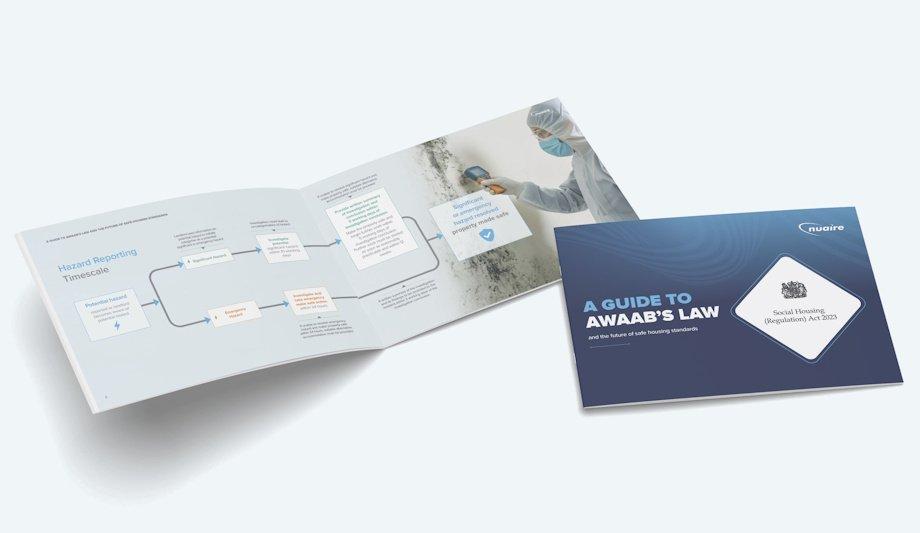

Nuaire has introduced a comprehensive resource titled "A Guide to Awaab’s Law and the Future of Safe Housing Standards" aimed at aiding social housing providers in adhering to Awaab’s Law.
This legislation was officially enacted on October 27, 2025, following the unfortunate demise of two-year-old Awaab Ishak in 2020, which was attributed to prolonged exposure to mold in his family's rental home.
Understanding and Implementing Awaab's Law
The guide offers a thorough explanation of the necessary actions required to investigate and mitigate damp and mold issues as outlined in Awaab’s Law. It also details the mandatory compliance timelines.
Social housing providers will benefit from a clear breakdown of the legislative changes, actionable checklists, and customized ventilation guidance to ensure adherence to these new standards.
Guide to Better Homes
The guide explains a cost-effective, part F–compliant ventilation approach for safe, comfortable homes Leveraging Nuaire’s extensive 50-year history of addressing condensation and mold in residences, the guide provides critical insights for housing providers. It focuses on formulating an effective ventilation strategy that aligns with part F requirements, optimizes cost management, and ensures a safe, comfortable living environment for tenants.
An example ventilation approach is detailed, promoting a holistic solution that maintains compliance while enhancing air quality and comfort.
Preventing Hazards
Joe Lloyd-Allen, Residential Product Manager at Nuaire, remarked, "Awaab’s Law represents a step-change in how damp and mold must be tackled in social housing. Our new brochure gives housing providers practical guidance on meeting these obligations and highlights proven ventilation strategies that can prevent hazards before they occur. At Nuaire, we are committed to supporting the sector in creating safer, healthier homes."
This underscores Nuaire's dedication to helping the sector foster safe and healthy living spaces.