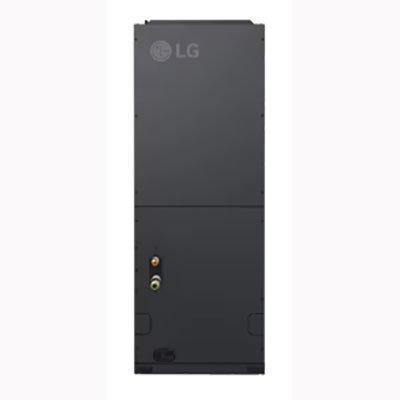
In the ever-evolving landscape of home comfort and sustainability, Energy Star has become a beacon of efficiency for homeowners and businesses alike. One crucial aspect that contributes significantly to both energy conservation and cost savings is the Heating, Ventilation, and Air Conditioning (HVAC) system.
In this blog post, they will delve into the intricacies of Energy Star HVAC requirements, shedding light on how they play a pivotal role in creating a more energy-efficient and eco-friendly living space.
What is Energy Star?
Energy Star aims to help consumers make informed decisions about energy-efficient products
Energy Star, a program by the U.S. Environmental Protection Agency (EPA), aims to help consumers make informed decisions about energy-efficient products, from washing machines to entire homes and even apartments.
Achieving the Energy Star certification signifies that a product meets strict energy efficiency guidelines, thereby reducing energy consumption, lowering utility bills, and decreasing environmental impact.
What are the Energy Star Certification Requirements for HVAC?
In order to receive certification from the Energy Star program, HVAC equipment must meet several key product criteria:
Energy Efficiency Ratio (EER) Rating
The Energy Efficiency Ratio (EER) is a standardized measurement of how efficient air conditioners and heat pumps are. The higher the rating, the higher the efficiency.
To meet Energy Star certification requirements, central air conditioners must have an EER rating of 12.5 or higher, while heat pumps must have an EER rating of 12 or higher.
Seasonal Energy Efficiency Ratio (SEER) Rating
The SEER rating is a crucial metric that determines the cooling efficiency of an air conditioner over the course of a cooling season.
On top of meeting the EER rating for Energy Star certification (12.5 or higher), an air-conditioning system must have a SEER rating of 15 or higher.
Heating Seasonal Performance Factor (HSPF)
The Heating Seasonal Performance Factor (HSPF) measures the efficiency of a heat pump over an entire heating season.
To achieve Energy Star certification, heat pumps must have a minimum HSPF rating of 8.5 and maintain or exceed the minimum EER rating of 12.
Advanced Features and Technologies
Energy Star-certified HVAC systems often incorporate advanced features and technologies designed to enhance efficiency. These may include variable-speed motors, smart thermostats, and other innovations that contribute to reduced energy consumption.
How Can They Tell if an HVAC System is Energy Star Certified?
Energy Star-certified HVAC systems prominently display the Energy Star label
Energy Star-certified HVAC systems prominently display the Energy Star label. This visual cue makes it easier for consumers to identify and choose energy-efficient products.
Additionally, if they own an Energy Star-certified home, the system already meets the requirements, as a credentialed HVAC contractor designed and built the system to meet Energy Star specifications.
Benefits of Energy Star-Certified HVAC Systems
Energy Cost Savings
By adhering to Energy Star HVAC requirements, homeowners can experience significant cost savings on their energy bills. The increased efficiency of these systems means less energy is wasted, leading to lower overall operating costs.
Environmental Impact
Energy Star-certified HVAC systems not only benefit homeowners but also contribute to a healthier environment. Reduced energy consumption means fewer greenhouse gas emissions, aligning with global efforts to combat climate change.
Long-Term Reliability
The stringent requirements for Energy Star certification ensure that certified HVAC systems are built to high-quality standards. This translates to increased reliability and longevity, providing homeowners with peace of mind and reducing the need for frequent replacements.
Conclusion
Investing in an Energy Star-certified HVAC system is a smart and sustainable choice for those seeking enhanced home comfort while minimizing their environmental footprint.
By understanding the Energy Star HVAC requirements outlined in this blog, consumers can make informed decisions that contribute to a greener future. Embrace the efficiency, embrace the comfort — choose Energy Star for a more sustainable and cost-effective home HVAC solution.