
Have they recently moved into a new home or office space that doesn’t have an existing air conditioning system? Before they jump into purchasing the first and most affordable AC unit on the market, there are a variety of factors they should consider before they make any final decisions.
To ensure they are getting the most energy-efficient unit with the right cooling capacity for the space, it is essential that they take into account these four main components:
- Room size
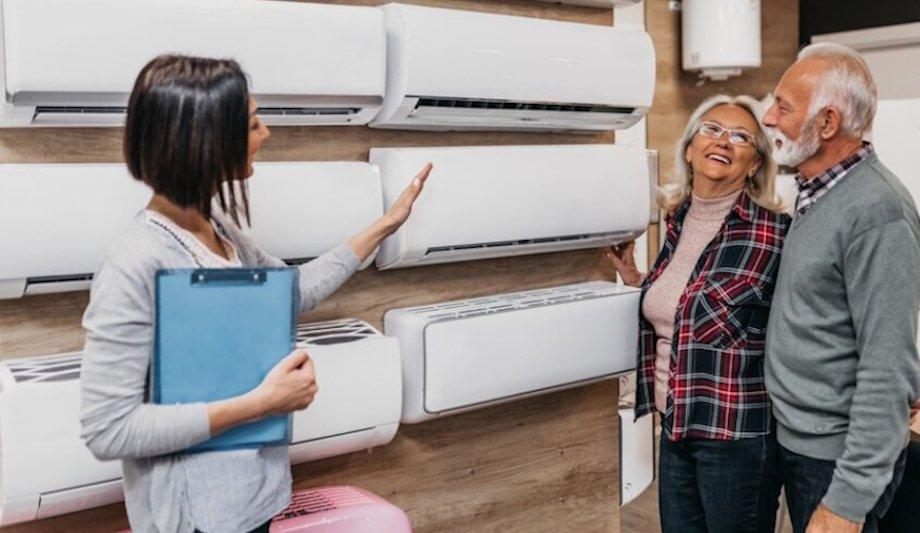
- What type of AC unit/system do they need
- Location, orientation, and layout
- Power output
At Australian Climate Systems, they understand that selecting a new AC system can be an intimidating task. However, finding the right size of air conditioner will make all the difference to the home or office, especially during those scorching Australian summers.
When it comes to finding the correct size air conditioning for the Dandenong or Doncaster home that ticks all the right boxes, they highly recommend reading the article or contacting the team to make the best choice.
What Room Size are They Working With?
One of the biggest hurdles they will face on the hunt for the correct type of air conditioner
One of the biggest hurdles they will face on the hunt for the correct type of air conditioner is finding the right system to work with the size of the room or property. Essentially, this will ensure they can maximize the performance of the AC while also minimizing the cost of running the system.
One of the best ways to estimate what size of air conditioner they need is to figure out what sized space they fall under: Small, medium or large. The following examples are a good way to guesstimate what cooling capacity they’ll require:
- Small: Single room. Approx capacity of 2.5kW
- Medium: large bedrooms/ studio apartment. Approx capacity of 5kW
- Large: Open plan living area/office. Approx capacity of 9kW or more!
If they believe the ceiling height is higher than average, they will need to take this into consideration. For the most part, however, the floor area should be the central focus. For the exact square meters of the room, a floor plan of the home or office can typically be found online if the property has been listed in the past. Simply jump on the Domain or Real Estate websites, type in the address, and go from there!
What Type of AC Unit or System Will Work for the Space?
In Australia, there are several different types of air conditioning units and systems that can be installed into the home or office. Finding the right AC will make all the difference during those long summer months in Melbourne.
To help them narrow down the search, they have listed the pros and cons of each air conditioner below, giving they a better understanding of how each system works and what it can do for the space.
Split System: Pros and Cons
The cost-friendly solution will help them save on their energy bills in the long run
For an easy-to-install and compact solution that can provide them with both heating and cooling, a split system is the perfect option for them. Ideal for single rooms or confined areas of the property, this cost-friendly solution will help them save on their energy bills in the long run.
While split systems have a wide range of benefits, they are not suitable for cooling down entire homes or larger office spaces. A split system air conditioner also requires a separate outdoor unit, which means the indoor unit has to be installed on or close to an exterior wall.
Evaporative Cooling Systems: Pros and Cons
If they’re looking to cool down an open-plan home or office, an evaporative cooling system is the perfect solution for medium to larger-sized spaces. By using fresh, filtered air to cool down the inside of the property, an evaporative cooler will help improve the air quality in the home or office.
This type of system is also eco-friendly. Evaporative air conditioners are built to handle big spaces, so they wouldn’t recommend installing this type of system in a small, single room or space.
Refrigerated Cooling Systems: Pros and Cons
Australian Climate Systems has all the refrigerated cooling system needs across Melbourne covered
Ideal for people who suffer from allergies, refrigerated cooling is better suited for those looking to cool down an entire home. Reliable and effective, a refrigerated cooler will take the warm air from inside the home and cool it down with gases before releasing it back and circulating it around the home. Similar to evaporative cooling, they would only recommend refrigerated cooling if they’re looking to install a system that can cool down an entire property off one system.
From ducted reverse cycle air conditioners to bulkhead systems to add on cooling, Australian Climate Systems has all the refrigerated cooling system needs across Melbourne covered.
Location, Orientation, and Layout of AC
Once they have determined what type of air con will suit the home or office, the next step is to determine the best spot for the unit or system to sit. This step is vital as it will help them maximize the efficiency and reliability of the system. Focusing on areas that get hotter than others, such as learning where the midday sun hits the property, will help them make the right decision.
The location and size of the windows and glass doors, as well as if they are double glazed, will also make a difference in the long run. Larger window sizes will require a larger AC to keep warm in winter and cool in summer, especially if those windows directly face the sun during the heat of the day!
What is the Power Output?
Poor wall and ceiling insulation can also change the effectiveness and energy output of the AC
The final step is to determine how much power will be required to run the air conditioning system or unit. This step is essential as it will determine whether or not the property is capable of running the AC continuously all summer long. Poor wall and ceiling insulation can also change the effectiveness and energy output of the AC.
They would recommend looking at the specifications of the air conditioning unit or system they want to install, making sure they match up with the size of the property. For expert advice about air conditioning sizes, simply chat with the team. They can match them with a system that has the right heating and cooling capacity for the home or office.
Why Does the Size of Air Conditioning Matter?
They might think that a larger unit will provide greater air conditioner capacity while a smaller system will result in a less powerful air conditioner. Unfortunately, it’s not as simple as that. They can’t just install a large air conditioner in a small space and expect optimum results.
If the system is too large, it will have reduced energy efficiency and increased running costs, and it will constantly make the space too hot or cold. If the unit is too small, it will overwork itself, which can increase energy usage, send up the power bills, overly dry out the air in the room, and provide insufficient heating and cooling. This is why air conditioner size matters so much!
the Right-Sized Air Conditioner is a Long-Term Commitment!
No matter what specifications or budget they are working with, it is important to remember that the system will be there for many years to come, which is why it’s so important to install the right size air conditioner. Whether they’re looking to install air conditioning in Templestowe or Blackburn, the team can guide them in making the right decision.
At Australian Climate Systems, the technicians are the experts they can trust to help them get set up with the brand-new AC. From air conditioning installations to services and repairs, the team has they covered.