Capacity
Carrier Global Corporation, a global pioneer in intelligent climate and energy solutions, today announced a major milestone in the U.S. Department of Energy’s (DOE) Commercial Building HVAC Technology Challenge with the launch of commercial field trials for its next-generation rooftop heat pump technology designed for broad commercial adoption. “After proving our innovation in the lab, we’re thrilled to show how it performs in operating commercial environments. Our engineering...
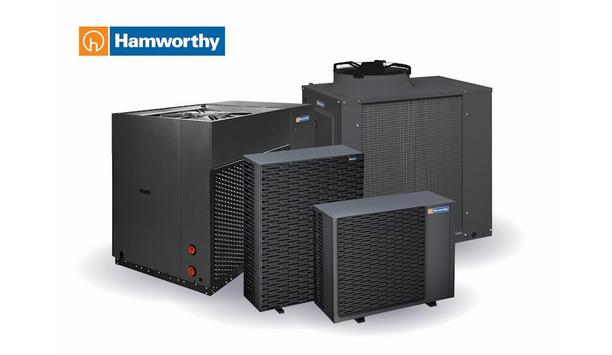
Hamworthy Heating, technical experts in commercial heating and hot water products, is pleased to announce the addition of a new 65kW model to its highly successful Tyneham 290HT commercial heat pump range. This new model increases the range's heating capacity to meet the growing demand for higher output systems while maintaining its commitment to energy efficiency and a reduced carbon footprint. Tyneham 290HT range Now available in six outputs from 15kW to 65kW, the Tyneham 290HT range is des...
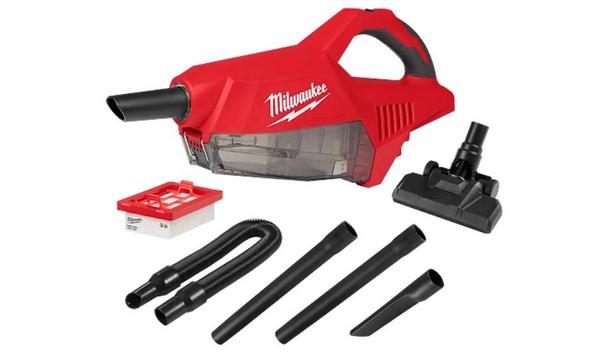
Milwaukee Tool continues to drive innovation on the jobsite with the introduction of the M18™ Brushless Handheld Vacuum, delivering the highest sustained airflow for quick cleaning tasks, and effective cleanup in a variety of jobsite conditions. Engineered to meet the demands of remodelers, carpenters, electricians, plumbers, HVAC technicians, and transportation maintenance professionals, this vacuum combines unmatched performance, long-lasting filter life, and ultimate versatility...
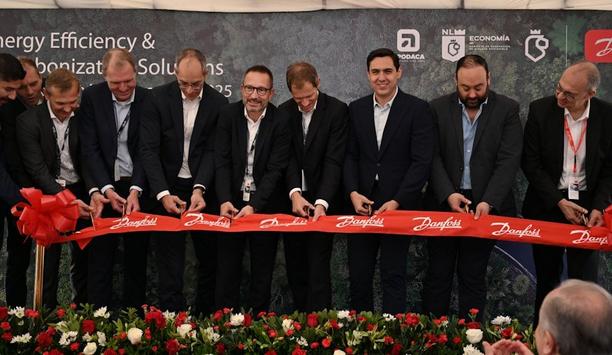
On November 5, 2025, Danfoss celebrated the opening of its expanded Monterrey, Mexico factory, a decision driven by increased demand for reliable, energy-efficient HVAC equipment in the North American and Latin American markets. The expansion is also an important part of Danfoss’ LEAP 2030 strategy, which aims to reduce delivery times and further strengthen supply chains for customers in all markets. Three new product lines The multi-million-dollar investment doubles production and adds...
Watts has launched its new Watts Pure Water Commercial Reverse Osmosis (RO) systems. These systems deliver the high purity water essential to commercial and industrial applications where contaminants — even in trace amounts — can compromise product quality, safety, and performance. Designed for wall-, floor-, and skid-mount installation, this expanded portfolio introduces six new series, offering flexible and scalable solutions for a wide range of commercial and industrial water qua...

Presently, efficiency is the new growth strategy. Many businesses increasingly prioritize efficiency over expansion in today's evolving economic landscape. Right-sizing isn't about arbitrary reductions; it's about ensuring each vehicle serves a strategic purpose, aligning fleet size with demand, operational requirements, and cost-effectiveness. The U.S. truck leasing and rental market was valued at approximately $3.41 billion in 2023 and is projected to reach $4.97 billion by 2029, growing at...
News

Daikin Applied, a global pioneer in commercial and industrial HVAC solutions, is redefining the future of data center cooling technology. As an innovation pioneer, they're designing precision environments for the world's most advanced facilities – where reliability, scalability and asset protection are non-negotiable. Whether users are deploying Large Language Models, running AI inference workloads or scaling cloud infrastructure, Daikin Applied delivers intelligent, comprehensive cooling architectures and solutions tailored for the speed and complexity of next-gen digital eco-systems. Backed by bold product innovation, strategic acquisitions and a dedicated data center business unit, they're not just keeping pace with the future – they're powering it. Magnetic-bearing technology "Data centers have become the beating heart of the global economy, each presenting a distinct set of technical challenges that make cooling a critical and strategic priority," said Chief Operating Officer for Daikin Applied Americas, Yu Nishiwaki. "Our goal regarding data centers at Daikin Applied is to continue to develop advanced, innovative cooling ecosystems that future-proof our customer's investments.” At the forefront of Daikin Applied's expanded data center solutions is the groundbreaking Magnitude® WME-C Quad Chiller, the industry's largest capacity chiller featuring magnetic-bearing technology. With a capacity range of 2,000 to 3,000 tons, ultra-low GWP refrigerants and advanced features like RapidRestore® and RideThrough®, the WME-C Quad is engineered for maximum uptime and efficiency in mission-critical facilities. High ambient temperatures Joining the WME-C Quad in the future are the Pathfinder® AWV-C fan deck and AWM Chiller, each offering next-generation advancements in cooling performance. The AWV-C enhances condenser airflow by 20% through its innovative single-component design, while the AWM Chiller combines oil-free magnetic bearing technology and a next-generation fan deck for unparalleled operation in high ambient temperatures up to 135 degrees Fahrenheit. To support their innovative approach to new product development for data centers, Daikin Applied is expanding its Test Lab located near its Minneapolis headquarters, growing testing capacity and capabilities for chillers and custom air handler solutions. The expansion will add 71,000 square feet and nine new test cells. Comprehensive data center solutions As part of its broader strategy to deliver comprehensive data center solutions, Daikin Applied is also acquiring innovative companies that add new capabilities to its data center solutions portfolio. The recent acquisition of DDC Solutions adds modular, ultra-high-density hybrid and in-room, rack-level solutions for white space cooling, enabling Daikin Applied to deliver a complete data center cooling solution. To support its growing suite of products and solutions, Daikin Applied is set to increase its production capacity with the opening of two new manufacturing facilities. Modular and scalable solutions In January 2026, the company will open its new modular solutions manufacturing facility that will significantly enhance production capacity, particularly for large-tonnage plants, to meet the soaring demand from data centers requiring modular and scalable solutions. Additionally, to build on the momentum of its 2023 acquisition of Alliance Air Products (AAP), Daikin Applied has expanded its capabilities with the construction of a second manufacturing plant to double capacity for AAP's custom air handler solutions. These strategic investments will allow Daikin Applied to meet the surging demands of data centers while ensuring operational excellence and an unrivaled experience for all customers. High-performance cooling eco-systems To support the unique demands of data centers, Daikin Applied has launched a global data center business unit, led by industry veteran Greg Jeffers, Vice President of Data Center Solutions. Jeffers emphasized the significance of Daikin Applied's investment in the data center market saying, "Our mission is to lead the data center industry forward with scalable, reliable, high-performance cooling eco-systems that are easily deployable and act together to protect our customer's valuable infrastructure. With our dedicated data center business unit and expanded resources, we're ready to solve the most demanding cooling challenges in the most complex data center environments." Jeffers brings extensive experience in navigating the complexities of data center operations and will be joined by an expanded Solutions Architects team focused on supporting their customer's continually evolving needs. High-performance data centers For decades, Daikin Applied has been a trusted pioneer in mission-critical HVAC, delivering solutions where reliability, resiliency and efficiency cannot be compromised. Backed by Daikin's global resources and investments in R&D, Daikin Applied is uniquely positioned to lead the way in the development of high-performance data centers. From server architecture and workload intensity to local climate, facility layout and operational pressures, Daikin Applied offers tailored, integrated solutions that combine the right technologies to create the perfect system for each data center. Whether designing from the ground up or optimizing for the future, intelligent, end-to-end data center cooling solutions begin with Daikin Applied.
Carrier Global Corporation, a global pioneer in intelligent climate and energy solutions, announced it is the first HVAC original equipment manufacturer to complete the U.S. Department of Energy’s (DOE) Commercial Building HVAC Technology Challenge laboratory validation in the 10–14-ton rooftop heat pump category. The Carrier system met or exceeded all challenge requirements, including heating capacity and energy efficiency test standards — delivering 100% heating capacity at 5°F, exceeding 70% heating capacity at −10°F and meeting or surpassing DOE’s commercial HVAC efficiency thresholds. Benefit from a more efficient system "This milestone is about performance that pays," said Heidi Gehring, Managing Director, Light Commercial, Carrier, adding "Customers can realize lower energy bills with reliable comfort, while utilities benefit from a more efficient system that helps support grid reliability." Heidi Gehring continues, "This achievement reflects the work of our talented engineering and product development teams, who delivered a solution that reduces energy intensity and operating costs while helping strengthen U.S. competitiveness in commercial buildings." key efficiency and performance benchmarks Carrier’s validated rooftop unit exceeded key efficiency and routine benchmarks in independent testing The DOE’s Commercial Building HVAC Technology Challenge is designed to accelerate the adoption of high-performance equipment that reduces energy use and operating costs while supporting grid reliability through lower demand. Carrier’s validated rooftop unit exceeded key efficiency and performance benchmarks in independent testing conducted by DOE, Oak Ridge National Laboratory, and the National Renewable Energy Laboratory. Carrier’s invention of modern air conditioning "Carrier is proud to be pioneering the way in developing next-generation rooftop units that deliver greater efficiency and reliability," said Heidi Gehring. Heidi Gehring adds, "Innovating to meet the needs of our commercial partners builds on the legacy that began with Willis Carrier’s invention of modern air conditioning and carries forward our tradition as the pioneer in intelligent climate and energy solutions."
Johnson Controls, the global pioneer in smart, safe, healthy and sustainable buildings, has expanded its data center thermal management offerings with the launch of its Silent-Aire Coolant Distribution Unit (CDU) platform. This latest addition to Johnson Controls’ end-to-end thermal management portfolio enables data centers to seamlessly transition to liquid cooling as rack densities rise. The Silent-Aire CDUs offer a wide range of scalable cooling capacities from 500kW to over 10MW in flexible designs that are uniquely tailored to suit the needs of any data center deployment. Launch of this expanded series “The launch of this expanded series of CDU technology marks a pivotal step in our commitment to advance data center cooling, from chip to chiller,” said Austin Domenici, Vice President and General Manager, Data Center Solutions at Johnson Controls. Austin Domenici adds, “By collaborating with renowned ecosystem players in the hyperscale, colocation and semiconductor industry, we’ve engineered an innovative and scalable platform that meets the demands of next-generation AI training and inference hardware, delivering consistent performance and reinforcing our role as a strategic partner to data center professionals scaling for the digital economy.” Rapid growth of AI Silent-Aire CDUs are designed for flexibility to support a wide range of liquid-cooling configurations With the rapid growth of AI and increasing demand for computing power, denser chips are generating more heat, making cooling innovation a critical priority. Silent-Aire CDUs allow for precision cooling of this equipment, enabling data center owners and operators to deploy the latest in semiconductor technology. Positioned either within the rack row adjacent to heat-generating equipment or in the whitespace perimeter, Silent-Aire CDUs are designed for flexibility to support a wide range of liquid-cooling configurations and hybrid designs to deliver precise, efficient cooling of high-performance environments ranging from edge-based inference to large AI factories. Broad portfolio This launch is built on Johnson Controls’ broad portfolio of existing Silent-Aire, York and M&M Carnot thermal management products that serve data centers worldwide. By adopting Johnson Controls’ comprehensive thermal management solutions, owners and operators can significantly improve total facility efficiency. Since 2020, large data centers have typically devoted more than 30% of their energy to cooling and other non-IT functions. However, Johnson Controls’ solutions can reduce non-IT energy consumption by more than 50% in most North American data center hubs. For a gigawatt-scale AI factory, this reduction translates to enough energy savings to power over 200,000 households annually. Data center development Johnson Controls manufactures the Silent-Aire CDUs at facilities across North America, Europe and Asia Pacific. With more than 1.8 million square feet of production floorspace, this global footprint helps to increase capacity needed to meet the accelerated pace of data center development. A robust network of over 40,000 field and service technicians backs Johnson Controls’ building technology to ensure reliable service, maintenance and parts delivery worldwide. In 2025, Johnson Controls was named a top thermal management provider for data centers by ABI Research, recognizing its excellence in innovation, implementation and customer-centric approach.

Kelvion, a global pioneer in thermal solutions, is significantly expanding its manufacturing footprint with the addition of 55,000 m² of new production space to support the surging demand for high-performance cooling solutions in the rapidly growing data center industry. This strategic move reinforces Kelvion’s commitment to enabling the digital transformation with scalable, energy-efficient, and reliable thermal technologies. By expanding production in Tulsa, Oklahoma (U.S.) and Opole, Poland, Kelvion is strengthening its role as a trusted partner to hyperscalers, co-location providers, and enterprise customers across the globe. Advanced cooling solutions “The need for advanced cooling solutions is more critical than ever, especially in the U.S., where data center growth is accelerating,” said Maarten Verkiel, EVP Manufacturing. He adds, “This investment not only boosts our production capacity but enhances our ability to support customers with speed, proximity, and performance. We’re scaling in step with our customers – delivering the responsiveness, reliability, and innovation they expect from a global leader.” Global Data Center Cooling Hub The 42,000 m² expansion in Tulsa will make it Kelvion’s largest manufacturing site worldwide The 42,000 m² expansion in Tulsa will make it Kelvion’s largest manufacturing site worldwide – strategically located to serve the booming North American market. Combined with enhanced capacity in Europe, this expansion builds a more agile and resilient global supply chain to meet rising demand across regions. Wide range of data center cooling solutions Kelvion offers the industry’s most comprehensive range of data center cooling solutions, spanning air-cooled and liquid-cooled technologies, backed by decades of engineering expertise. With a strong focus on customization and innovation, Kelvion’s solutions play a vital role in safeguarding system uptime, reducing thermal stress on hardware, and extending the lifespan of critical IT infrastructure. This not only enhances operational reliability, but also lowers the total cost of ownership for operators.

Major players in the UK’s transport refrigeration market will be among over 50 exhibitors at this year’s Cold Chain Hub by TCS&D. Cold Chain Hub 2025, the UK’s premier event for the cold storage and distribution sector, will take place at Birmingham’s NEC on 9 & 10 September. Supported by the Road Haulage Association, the exhibition will showcase some of the biggest players in the industry, bringing cold supply chain specialists together under one roof for two days of insightful and intensive business. Located with IMHX This year’s event is co-located with IMHX, the UK’s largest logistics event Organized by the team behind TCS&D and Frozen & Chilled Foods magazines, this year’s event is co-located with IMHX, the UK’s largest logistics event. “There will be efficiency-boosting and sustainability-enhancing solutions from right across the industry,” says Martyn Cogan, Event Director. “In addition to suppliers of portable cold stores, renewable energy systems, materials handling equipment, protective clothing and temperature-monitoring technology, exhibitors include major names in transport refrigeration solutions, cold store construction, refrigerated vehicle contract hire, vehicle conversion and electric refrigerated vehicle technology.” Sustainability solutions Carrier Transicold returns to Cold Chain Hub 2025 to showcase a range of sustainability solutions Carrier Transicold returns to Cold Chain Hub 2025 to showcase a range of sustainability solutions, including offerings from its Transform Line, aimed at electrifying current and future temperature-controlled fleets across the truck and trailer segments. The manufacturer’s High Efficiency (HE) range will also be prominently featured, including the Vector HE 19, which now utilizes a new, low-GWP refrigerant that delivers an 89% reduction in CO2 impact versus the current R452A standard. Visitors to the show can discover how the Vector HE 19 can be optimized to achieve up to 19% fuel saving compared to the standard unit, thanks to a comprehensive software update that can be retrofitted to existing systems to reduce fuel burn and carbon impact. Vector HE 17 Meanwhile, the versatile and ultra-lightweight Vector HE 17 features technical innovations that demonstrated a 43% fuel saving, compared to the legacy Vector 1550, in a recent UK customer trial. For the truck market, the new Carrier Transicold Supra HE range offers a quieter, lighter, and more compact unit that delivers enhanced efficiency, performance, uptime, and emissions control. 24-hour frozen operation Intelligent and connected transport refrigeration from Sunswap delivers data, performance Intelligent and connected transport refrigeration from Sunswap delivers data, performance, and zero emissions to help operators decarbonize their supply chains. The British manufacturer will showcase Endurance, its battery- and solar-powered transport refrigeration unit, at Cold Chain Hub. Endurance delivers 24-hour frozen operation and up to two months chilled on a single charge. Customers relying on Endurance in their logistics operations include DFDS, Tesco, Birds Eye, and Cranswick. “From design and production in our Surrey facility to daily operations in fleets worldwide, we are building and defining the future of transport refrigeration,” says Alastair Gough, Head of Business Development. “Visitors to our stand will see how Endurance fits any trailer, with comprehensive aftermarket support available.” GAH Refrigeration GAH Refrigeration will promote its range of transport refrigeration solutions GAH Refrigeration will promote its range of transport refrigeration solutions, designed for the demanding needs of the UK cold chain, at the show. “Our industry-leading systems are engineered for reliability, performance and compliance,” says Jon Hill, Applications Manager, “ensuring precise temperature control across a wide range of vehicle types – from home delivery vans to multi-temperature trucks.” The company will be highlighting its advanced telematics integration capabilities, which allow real-time monitoring of temperature data via GAH Connect, its fridge fleet dashboard. The solution has recently been enhanced to include automated compliance reports and seamless integration with third-party telematics platforms. Visitors to the GAH Refrigeration stand will also get a first look at the company’s new, ultra-low-GWP refrigeration unit, designed with sustainability and fuel savings in mind. ECOOLTEC Grosskopf GmbH ECOOLTEC Grosskopf GmbH will showcase advanced refrigeration systems ECOOLTEC Grosskopf GmbH will showcase advanced refrigeration systems designed for a wide range of applications, from city and regional distribution to long-haul logistics. The ECOOLTEC TM182 can be operated electrically from the truck engine via the company’s in-house alternator, a battery, or a separate power generator, thus avoiding the need for a highly polluting integrated diesel engine. “The technological highlight of the system,” explains Dale Cornes, General Sales Manager for ECOOLTEC UK, “is the use of sustainable, natural refrigerants instead of fluorinated ones, enabling operators to contribute to a completely F-gas-free supply chain.” Dual-discharge flat evaporator ECOOLTEC will also exhibit its new E1312 dual-discharge flat evaporator ECOOLTEC will also exhibit its new E1312 dual-discharge flat evaporator. Measuring one-third of the cargo space width, this unit can be used in multi-temp bodies that are divided lengthways by a partition wall in a ratio of one to two-thirds to transport fresh and frozen goods at the same time. Also on show will be the latest generation of the company’s E1221 single-discharge flat evaporator and its upgraded TM182 transport refrigeration system, which features a new housing designed for optimized air intake, higher energy efficiency, and reduced noise emission. Hubbard Products Daikin group member, Hubbard Products, specializes in refrigeration solutions for both static and transport applications. Visitors to the company’s stand will be able to see a Ford eCustom Deep Freeze Van, supplied by Vanfridge/Pola Van Rental and equipped with Hubbard’s Z350e electric refrigeration unit. Engineered to maintain internal temperatures as low as -25°C, the Ford eCustom is an electric vehicle built for high-frequency, last-mile delivery operations where reliability and thermal consistency are critical. Mastervolt Combi-inverter Also featuring the Mastervolt Combi-inverter, supplied through Fischer Panda UK | Power Solutions and fully powered by the eCustom’s integrated battery system, the all-electric configuration eliminates the need for diesel-powered cooling, significantly reducing emissions and operational noise. “The Ford eCustom Deep Freeze Van,” says Coleen Botterill, Transport Sales Manager for Hubbard, “offers a sustainable, high-performance solution that’s perfect for transporting frozen goods, pharmaceuticals, and other temperature-sensitive cargo.” Low-carbon refrigerated transport The firm will display one of its solar-electric systems on a trailer on its stand RIS Ltd, a pioneer in the transition to low-carbon refrigerated transport through its range of GreenChill products, will promote its solar-electric, solar-kinetic, and power management systems at Cold Chain Hub 2025. The firm will display one of its solar-electric systems on a trailer on its stand. “Integrating electric transport refrigeration units with intelligent depot power management systems,” says Fiona Cropper, Operations Director, “improves operational efficiency, addresses the challenges of net-zero targets and results in fleet-running cost savings.” TCS&D Conference and Awards Cold Chain Hub 2025 will also host a free-to-attend conference across both days, featuring two streams, Refrigerated Transport and Cold Storage. In addition, the annual TCS&D Awards – now in their 12th year – will be held in the evening of 9 September at the Hilton Birmingham Metropole, with Sunswap as headline sponsor. Celebrating innovation and excellence in the cold supply chain across a number of categories, the black-tie TCS&D Awards offer a great opportunity for networking with industry colleagues.

Essentra Components, a pioneering provider of essential industrial components, has completed work on installing solar panels at its global headquarters in Kidlington, Oxford, UK. Essentra believes that the installation of the solar panels will support the business to make its direct operations net zero by 2040, and its goal to reduce GHG emissions by 50% by 2030, from its 2019 baseline. The company has also installed 8 EV chargers on site. The completed solar installation provides Essentra with immediate savings on energy costs. Reducing carbon emissions Jennifer Spence, ESG Director at Essentra, says that the solar panels reflect Essentra's continued sustainability drive: “We have created a long-term framework for reducing our carbon emissions. These solar panels directly support our commitment to reach net-zero in direct operations by 2040." “We will continue to make investments across our sites that meet our business strategy objectives and support our sustainability pledges.” Zestec Renewable Energy’s PPA model The solar panels offer 815.40kW power with a predicted annual yield of 935.95kWp Essentra partnered with Zestec to install the solar PV system, which was funded through Zestec Renewable Energy’s Power Purchase Agreement (PPA) model, and delivered by LCS Energy. The solar panels offer 815.40kW power with a predicted annual yield of 935.95kWp. Chris Butler, Operations Director at Kidlington, adds: “This partnership with Zestec to install solar panels at Kidlington will not only provide us with significant, day one cost savings, but also offer us on-site renewable power, and supports our drive to net zero.” CDP score for supplier engagement Kidlington is the latest Essentra site to install solar panels, following the successful installation at its manufacturing sites in Ningbo, China, Rayong, Thailand, and Yichun, China. Essentra recently scored an impressive A for its 2024 CDP score for supplier engagement, reflecting the company's performance on governance, targets, Scope 3 emissions, and supplier engagement practices. As a result, Essentra is now on the CDP Supplier Engagement Assessment (SEA) A-list.

Expert Commentary

The data center market has shown robust growth over the past five years, with significant increases in capacity and electricity usage. According to the International Energy Agency (IEA), global data center electricity consumption was approximately 460 TWh in 2022, and it is projected to rise to over 1,000 TWh by 2026. This growth is driven by the increasing demand for digital services and the expansion of artificial intelligence (AI) workloads. In 2025, the total capacity demand for data centers is expected to reach 82 gigawatts (GW), with AI workloads accounting for 44 GW and non-AI workloads for 38 GW. By 2030, this demand is projected to increase to 219 GW, with AI workloads making up 156 GW. This significant growth underscores the importance of sustainable practices in the data center industry. Alternative Off-Grid Power Sources To meet the growing energy demands, data centers are increasingly turning to alternative off-grid power sources. These include solar power, wind turbines, micro-hydro power, and biogas generators. These renewable energy sources not only reduce the carbon footprint of data centers but also enhance their resilience by providing reliable power in remote locations. Green hydrogen, produced by electrolysis using renewable energy, also offers a sustainable alternative to traditional cooling methods, with the potential to significantly reduce greenhouse gas emissions. Continued Compute Growth and Liquid Cooling Nvidia's use of direct-to-chip liquid cooling and closed-loop systems has shown a 300x improvement The rapid growth in compute power, particularly with the introduction of platforms like Nvidia's NVL-576 600 kW, has significant implications for data center cooling. This platform, designed for high-performance AI workloads, requires advanced cooling solutions to manage the heat generated by such dense compute environments. Nvidia's use of direct-to-chip liquid cooling and closed-loop systems has shown a 300x improvement in cooling efficiency. Google's fifth-generation cooling distribution unit (CDU), known as Project Deschutes, is another example of innovation in this space. This CDU sidecar power rack supports up to 1 MW per rack, leveraging high-voltage DC power distribution to enhance efficiency and cooling capacity. Energy-Efficient Cooling Technologies Energy-efficient cooling technologies are critical for the sustainable operation of data centers. Some of the most promising technologies include: Direct-to-Chip Liquid Cooling: This method involves applying liquid coolants directly to the processors, providing superior heat dissipation and enabling servers to operate at optimal performance levels. Hybrid Rear-Door Heat Exchangers: These systems combine air and liquid cooling to manage heat more efficiently, particularly in high-density rack environments. Heat Reuse The elevated temperatures made by liquid cooling can also be harnessed in industrial processes Liquid cooling provides an additional opportunity to reduce energy consumption while enabling data centers to become contributors to community energy systems. Unlike traditional air cooling, which disperses heat into the atmosphere, liquid cooling captures heat more effectively, allowing the heat to be repurposed for the heating needs of nearby residential or commercial buildings. Heat pumps can be employed to raise the temperature of the excess heat to the temperature required by heating systems, resulting in greater energy efficiency. The elevated temperatures produced by liquid cooling can also be harnessed in industrial processes that require specific heat levels, such as pasteurization, drying or chemical processing. By utilizing this heat, industries can reduce their reliance on external energy sources, which in turn lowers operational costs and emissions. However, most areas in the U.S. lack the infrastructure to support district heating. Significant investment is required to develop the infrastructure needed to transport and utilize the heat, such as pipelines for district heating or retrofitting industrial processes. Depending on the region, there may also be legal or regulatory barriers to overcome. Policy and Community Engagement There is strong support for AI growth, with alliances involving companies like OpenAI and Meta Within the current U.S. administration, there is strong support for AI development, with partnerships involving companies like OpenAI and Meta. OpenAI, Meta, SoftBank and Oracle have joined forces for the Stargate Project, which aims to build AI data centers in the U.S. This project includes significant investments to create infrastructure that supports AI development. The Trump administration has identified 16 sites on federal land for the development of AI data centers. These centers are intended to provide the necessary processing capacity for machine learning, cloud storage, and AI systems. Heat reuse offers a powerful tool for sustainability and community engagement. By capturing and repurposing the waste heat, data centers can significantly reduce their environmental impact while providing tangible benefits to surrounding communities and industries. This approach not only supports decarbonization efforts but also fosters stronger ties between data centers and the communities they serve, creating a more sustainable and resilient future. Benefits and integration of data centers Data centers support local economies by creating jobs, providing reliable internet services Educating the community about the benefits of data centers is crucial to ensure the successful integration of data centers into local communities. Data centers support local economies by creating jobs, providing reliable internet services, and enabling technological advancements that improve quality of life. By highlighting these benefits, data centers can build stronger community support and enhance their social license to operate. The effort should combine outreach with online educational initiatives, collaborations with industry, academia, NGOs and multiple sources of in-the-field insight. Conclusion The data center market is poised for continued growth, driven by advancements in technology and increasing demand for digital services. By focusing on sustainability, heat reuse, and energy-efficient cooling technologies, the industry can meet this demand while minimizing its environmental impact. Engaging with communities and educating them about the benefits of data centers will further support the sustainable growth of this vital industry.

As demand continues to grow for sustainable, energy-efficient solutions in refrigeration and heating, both Europe and North America are navigating a rapid transition toward natural refrigerants. There is a strong demand for new CO2 systems, including heat pumps and various other applications. Higher capacity compressors with larger operating envelope, such as Danfoss’ Bock HGX56 CO2 T series, will play a critical role in supporting this growing need. Air to water heat pumps As shown in Figure 1 and Figure 2 below, the larger operating envelope of up to 77°F and 65 bar on the suction side can improve the COP by approximately 15% for applications with higher heat source temperatures – for example, air to water heat pumps in summer conditions. Transcritical CO2 figure. Larger operating envelope of up to 77°F and 65 bar on the suction side. Figure 3 below shows a typical layout of a CO2 transcritical air-to-water heat pump for large systems, designed with features to boost efficiency. Such systems are already being built in Europe, with the largest compressor options, and used in heating capacities of up to 2.5 MW per rack. Layout of a CO2 transcritical air-to-water heat pump for large systems. Cooling and Heating Working Together Transcritical supermarket applications with heat reclaim are very suitable for improving the version Transcritical supermarket applications with heat reclaim are very suitable for improving the overall refrigeration system performance. It is a highly efficient and resilient solution that provides simultaneous heating and cooling by recycling waste heat energy within the store. More than 2,000 installations across Europe and in other parts of the world have shown that the traditional CO2 weaknesses in refrigeration applications, such as high temperatures and pressures, can be turned into profitable advantages when adding heat reclaim to the system. In fact, the operational costs can be reduced by more than 20% by replacing conventional heating sources with heat reclaim, and the pay-back time of the heat reclaim installation is typically short, less than 2.5 years. At the same time, huge carbon savings can be made when the system is installed and maintained correctly. Additional Applications Transitioning to CO2 CO2 is increasing in popularity for cold storage and food processing, due to some challenges of using ammonia in states with a large number of regulations, as well as the desire for distributed systems when expanding plants and the advent of larger CO2 compressors. Some estimates show a 10% market transition to CO2 from ammonia and HFCs for systems up to 250 tons (880 kW). An example would be a cold storage facility requiring variable temperatures with stability/efficiency at partial load for garlic processing, storage and pre-cooling. The requirements for pre-cooling are 40°C/39.20°F, but for processing and final storage, −100°C/140°F is required. CO2 System Examples Single-stage transcritical CO2 applications are used in the field of medium temperature refrigeration Single-stage transcritical CO2 applications are used in the field of medium temperature refrigeration. They can be operated very efficiently, if the high pressure is operated in the subcritical range over a long period. Using the high-pressure side, it is appropriate to use the application in the transcritical range in combination with refrigeration, due to a large temperature glide and a relatively high discharge end temperature for specific heat pumps and the heat recovery. In CO2 applications in low and medium temperature refrigeration, so-called booster systems are used. High-pressure CO2 gas from the low-temperature compressor is discharged directly to the suction side of the second compressor stage. Different plant constructions of these Booster applications are used, for example, in supermarket applications. In a cascade system, different refrigerants are used in an application. They are combined in two refrigerating circuits that are separated from each other. The high temperature stage is used as a condenser in the CO2 application. It is possible to use different refrigerants like hydrocarbons, ammonia, and HFCs like R-134A. Keys to a Successful Installation Proper oil levels, adequate space for maintenance and ventilation, environmental conditions and surface setup with sufficient load-bearing capacity are all critical initial items to consider. Once these items have been considered and addressed properly, then you need to take extreme care during the soldering - cooling the valve body during and after and only using inert gas to inhibit oxidation products. The actual required pipe cross-section must be matched to the output. The tube must be sawed at a right angle with the angular tolerance being ±10. Pipes and system components must be clean and dry inside and free of scale, swarf and layers of rust and phosphate. Only use hermetically sealed parts. Lay pipes correctly. Suitable vibration compensators must be provided to prevent pipes being cracked and broken by severe vibrations. Ensure a proper oil return and keep pressure loss to an absolute minimum. Suction and discharge should be depressurized prior to connecting to the refrigerant system. Proper layout of the suction and pressure lines directly after the compressor is integral to the smooth running and vibration behavior of the system. Oil return function To ensure the oil return function will work reliably no matter what kind of system configuration you are using, Danfoss recommends incorporating oil separators or oil level monitoring equipment. For systems with long pipes and higher degree of contamination, a filter on the suction-side is recommended. When attaching accessories with an electrical cable, a minimum bending radius of 3x the cable diameter must be maintained for laying the cable. Voltage and frequency values Compare the voltage and frequency values with the data for the mains power supply Connect the compressor motor in accordance with the circuit diagram (see inside of terminal box). Compare the voltage and frequency values with the data for the mains power supply. Only connect the motor if these values are the same compressors marked in this way are suitable for direct or part winding start. The motor winding is divided into two parts: part winding 1 = 50 % and part winding 2 = 50 %. This winding division reduces the start-up current during a part winding start to approx. 50 % of the value for a direct start. Reversed fields of rotation In the factory, as shown below in Figure 4, the motor is switched for direct starting (YY). For part winding start (Y/YY), remove the bridges and connect the motor feed cable according to the circuit diagram. The motor is switched for direct starting (YY). Failure to comply results in reversed fields of rotation and can cause motor damage. After the motor has started up with part winding 1, part winding 2 must be switched on after a maximum 1-second delay. Failure to do so can be detrimental to the service life of the motor. Ensure that power is supplied via QA2 to winding 1 (50%) (1U1/1V1/1W1) and via QA3 to winding 2 (50 %) (2U1/2V1/2W1). The motor contactors (QA2/QA3) are each to be rated for approx. 50% of the maximum operating current. Danfoss BOCK compressors Transcritical CO2 compressors, like the Danfoss BOCK product line, offer a wide span of capacities with up to 162 kW of cooling capacity (14°F/95°F/18R/60 Hz) and 420 kW of heating capacity (41°C/77°C (100 bar)/18R/60 Hz) for many different product applications, including food retail, heat pumps, district heating, industrial refrigeration and process heating, reversible chiller/heat pumps for HVAC, cold storage, chillers, and data centers. Low and medium temperature levels are available, with high stand still pressures. This high capacity reduces the need for multiple compressors, simplifying system design and reducing investment costs. The Danfoss BOCK compressors also feature a high-pressure rating of 130 bar in operation/150 bar at stand still on the high side and 65 bar in operation/100 bar at stand still on the low side.

The HVAC/R industry is in the process of a major shift as A2L refrigerants become the standard in residential and commercial system HVAC. This change is being propelled by stricter environmental policy and advancements in refrigeration technology. However, the transition is not without its hurdles, posing new considerations for system owners, technicians, and equipment manufacturers. Favor of GWP alternatives The Environmental Protection Agency (EPA) has established clear guidelines to phase out hydrofluorocarbons (HFCs) in favor of lower global warming potential (GWP) alternatives. The 700 GWP limit imposed by the EPA, forced manufacturers away from non-flammable A1 to mildly flammable A2L refrigerants for comfort cooling chillers and air-to-air unitary equipment. R-410A split systems Under current regulations, R-410A split systems can still be installed until January 1, 2026 Under current regulations, R-410A split systems can still be installed until January 1, 2026, but manufacturers had to halt production of R-410A-based equipment by January 1, 2025. As for packaged systems, which are fully assembled and sealed at the factory, sales will remain permitted until January 1, 2028, but only for equipment manufactured before 2025. Adaptation of A2L refrigerants These regulatory milestones mark a significant step toward a new era in HVAC/R technology, emphasizing sustainability and compliance with modern environmental standards. While the transition is underway in our market as we speak, there are some key factors that play into the adaptation of A2L refrigerants. How we implement, gain familiarity, and roll out these systems provides challenges. System Design Modifications ASHRAE Standard 15 first added these requirements in its published version of 2019 ANSI/ASHRAE Standard 15 is widely recognized as the preeminent guide for the safe use of refrigeration equipment, as evidenced by its inclusion in building codes at the state and local level. ASHRAE Standard 15 first added these requirements in its published version of 2019. For high-probability systems, in which the basic design or the location of components is such that a leakage of refrigerant from a failed connection, seal, or component could enter the occupied space, these requirements underwent major revisions for the 2022 version, with intent to better harmonize with the requirements in UL 60335-2-40. Modifications in HVAC system design The transition to A2L refrigerants necessitates modifications in HVAC system design to ensure compatibility and safety. One significant consideration is component compatibility; all system components, including compressors, heat exchangers, and expansion devices, must be rated for A2L refrigerants to ensure optimal performance and safety. Failure to use appropriate components could lead to operational inefficiencies or increased safety risks. Component Testing/Approval Requirements UL 60335-2-34 is a safety standard that applies to motor-compressors used in refrigeration systems UL 60335-2-34 is a safety standard that applies to motor-compressors used in refrigeration and air-conditioning systems. The UL 60335-2-34 6th edition was established in 2017 as the safety standard for compressors, introducing several key updates. One major change is the requirement for a new Maximum Rated Current marking, ensuring clear identification of electrical ratings. Additionally, the standard introduces various new testing methods for motors and their protective mechanisms to enhance safety and reliability. Testing methods outlined in UL 207 UL207 covers “Refrigerant-Containing Components and Accessories, Nonelectrical” which are components Danfoss refers to as “line components”, such as filter driers, expansion valves and pressure regulating valves. The testing methods outlined in UL 207 include burst pressure tests, fatigue tests, and hydrostatic tests to verify nonelectrical refrigerant-containing components and accessories. UL 207, which remains a referenced standard under UL 60335-2-40, has been reapproved for use with R-454B. Dealing with A2L refrigerants Compliance can be achieved through burst testing at five times the maximum pressure rating Unlike A1 refrigerants, where leaks at gaskets or mechanical seals were not a concern at twice the maximum pressure, such leaks now pose a significant issue when dealing with A2L refrigerants. Compliance can be achieved through burst testing at five times the maximum pressure rating or by conducting a fatigue test at three times the maximum pressure rating without the product bursting or leaking from any mechanical connection. Implementation: Choosing a Solution Understanding what makes sense for your sector of the market for this transition is paramount in how OEMs will implement (and many already have) A2Ls into the next generation of equipment. Let’s zoom in and look at the HVAC segment related to commercial A/C units. The two main A2L refrigerants that were approved via SNAP rule 26, being used to replace R-410A in the 2025 transition requirement, are R-32 and R-454B. These two offer different approaches to the design requirements needed to be implemented. R-454B Danfoss has a selection tool called Cool Selector® 2 that is free to download online While no refrigerant is a direct replacement for R-410A, R-454B which has a GWP of 466, is considered a relatively close “drop in” solution. As such, most major components of the system, such as compressors and heat exchangers, can usually stay the same size. This is the lowest GWP solution available in the “high-pressure” range. With that being said, R-454B operates at lower pressures than R-410A, it also operates at lower mass flows than R-410A. This can leave your current liquid line, liquid line solenoid, expansion device slightly oversized. It is considered good practice to verify the sizing of these existing components when introducing R454B. Danfoss has a selection tool called Cool Selector® 2 that is free to download online. This can help you in verifying Danfoss components. R-32 If the transition to A2L refrigerants is going to coincide with a major redesign of that unit, then R-32 (GWP 677) may be an option for your transition. R-32 will work at overall higher operating pressures and provide a significant increase in capacity vs R-410A. But with this comes the reality that most components in the system, possibly including piping sizes, will need to be changed to better suit the use of R32. R32 as a refrigerant, will also generate higher discharge temperatures than systems running with R-410A, creating a problem that manufacturers will need to account for in low ambient heat pumps and high condensing temperature environments. Leak Detection and Mitigation Refrigerant leak detectors must be installed in every unit with individual circuits charged with 4lbs As A2Ls pose a higher flammability risk, effective leak detection and mitigation strategies are essential for maintaining safety in environments where A2L refrigerants are used. Refrigerant leak detectors must be installed in every unit with individual circuits charged with 4lbs of A2L refrigerant or more. More details on charge limits for systems and what mitigations requirements are needed can be found in UL60335-2-40 Annex GG. These detection systems enable quick identification and response to refrigerant leaks, reducing the potential for accidents or equipment damage. Danfoss leak detectors use thermal conductivity technology, were among the first to be UL-approved a year ago and come in a variety of configurations for HVAC/R equipment manufacturers. Proper mitigation strategies Proper mitigation strategies are crucial for preventing refrigerant accumulation in case of leaks. They must be tied into the unit control scheme. Disengaging any heating elements eliminates the possibility of ignition sources. Engaging evaporator fans increases circulation, ensuring that any leaked refrigerant is quickly dispersed, minimizing the likelihood of hazardous concentrations forming. In addition, per UL60335-2-40, service and maintenance procedures must incorporate regular leak inspections as a standard practice. Refer to ASHRAE 15 or UL60335-2-40 for further readings and requirements. Service and Familiarity Technicians must gain a version of the parts of A2L refrigerants and are required to pass an A2L test While manufacturers focus on design changes to accommodate the A2L transition, industry members who will install and service units also must adjust to the changing landscape of refrigerant. Technicians must gain an understanding of the characteristics of A2L refrigerants and are required to pass an A2L certification test under EPA Section 608. Looking Forward This phase of transition is better conceptualized as a mid-term solution. The American Innovation and Manufacturing (AIM) Act was passed in 2020. This directed the EPA to address hydrofluorocarbons (HFCs) and phase down production and consumption of HFCs by 85% by 2036. It is likely in the future, we will see another step in transitions to ultra-low GWP Refrigerants such as R-290 (A3 class), R-1234ze, or R-515B. Before the AIM Act, individual states like California were looking to regulate their own refrigerant marketplaces. As adoption of new EPA regulations might be slowed under the current U.S. administration, it is uncertain if any future deregulation by the federal government could lead to some states restarting their own regulation programs. But as we stand now, lower GWP A2L refrigerants still continue to grow in the marketplace.
Editor's Note

Viessmann Climate Solutions (VCS) has combined with Carrier to become the core of Carrier’s newly formed business unit Residential and Light Commercial for European, Middle East and Africa. This business unit is now able to offer brands like Carrier, Toshiba, and Beretta next to the premium brand Viessmann, thus covering additional user segments with differentiated products at various price points. Climate system technology “The climate system technology of Viessmann Climate Solutions and the cooling-focused systems of Carrier combine two core competencies that will be crucial in responding to individual customer needs worldwide,” says Thomas Heim, President, Residential & Light Commercial HVAC for Europe, Middle East, and Africa. “Carrier expands the Viessmann portfolio in the area of air conditioning and enables seamless integration of heating and cooling.” Carrier’s acquisition of Viessmann Climate Solutions There was huge media interest in Carrier’s buy of Viessmann Climate Solutions when it was revealed There was huge media interest in Carrier’s acquisition of Viessmann Climate Solutions when it was announced more than a year ago. In media interviews, Carrier Chairman & CEO David Gitlin; Max Viessmann, CEO and Member of the Executive Board of the Viessmann Group, which owned Viessmann Climate Solutions prior to Carrier’s acquisition; and Heim presented the many advantages the combination would bring. Advantages apply both to the product portfolios, which perfectly complement each other, and to the optimized development of global markets. A year later, the feedback is extremely positive, says Heim. Latest developments in the Viessmann system The sentiment was confirmed by numerous conversations with installers at the ISH 2025 trade fair in March in Frankfurt. “The advantages of this combination between Viessmann Climate Solutions and Carrier are clearly noticeable for everyone involved,” says Heim. The latest developments were well received by the 100,000 visitors to the booth at ISH, with particular interest in the Viessmann system connecting several products into a solution based on full stack controls platform Viessmann One. Residential and commercial sector customers The alliance meets the needs of residential and commercial sector clients with a multi-brand portfolio Also at ISH, Viessman highlighted the newly created alliance of Viessmann, Carrier, Riello, and Beretta around the theme “Power Play as One Team.” The alliance meets the needs of both residential and commercial sector customers with a multi-brand portfolio of heating, ventilation and cooling solutions for all output ranges and price levels. “Together with Carrier, we are in an even better position to provide solutions that address climate challenges by reducing CO₂ emissions and increasing energy efficiency,” says Heim. Digital tools and ecosystems The expanded product line builds on the strong longstanding collaboration of Viessmann Climate solutions with installation partners. For example, the addition of (light) commercial Carrier heat pumps to the portfolio enables leveraging together existing digital tools and ecosystems with this expanded offering. “This increases the relevance of our ecosystems for both our installers and users,” says Heim. Culture of collaboration The focus from the start has been on creating a culture of collaboration among both teams When integrating companies, it is always about bringing people together and providing a framework that allows them to unlock their full potential, says Heim. Thus, the focus from the beginning has been on creating a culture of collaboration that allows the teams from both companies to contribute their unique talents and strengths. “We are convinced that we have found the right formula and that combining Carrier and Viessmann Climate Solutions will lead to 1 + 1 > 4,” he says. “To get there, our shared purpose and values play an important role in this successful integration.” Carrier product portfolios “Companies can only be successful if they think and act globally and operate in a spirit of co-creation,” says Heim. Combining the Viessmann Climate Solutions and Carrier product portfolios creates added value for all installation partners and users. The increasing complexity of the HVAC industry is contributing to a trend toward company consolidation. “Let's be honest: in the past, you simply installed a gas boiler,” says Heim. PV installation They also offer a design tool on the Internet and even financing with the help of a partner bank Heim added: “Today, it's often about heat pumps, battery storage, photovoltaics, wall boxes and an energy management system that links everything together. It's all extremely complex. That's why we are constantly training our installers and at the same time reducing their workload." "Many of our installers don't want to climb on a roof, which is fine. We then look for facilitating a service provider that adds the PV installation to the holistic offering of our partner company.” They also offer a configuration tool on the Internet and even financing with the help of a partner bank. Climate-neutral by 2050 Data centers will also play a bigger role in the future. For example, a typical office building in Manhattan requires only three cooling units, while a data center they are currently working on requires 140. An AI chip generates seven times more heat than a conventional chip. “This market is huge, and we are determined to play an important role,” says Heim. The building sector produces 40 percent of CO2 emissions in Europe. Therefore, a transformation to renewable energies is necessary to become climate-neutral by 2050. Viessmann products and systems “For us, as a manufacturer, this means that we continue to encourage the building electrification system strongly,” says Heim. Viessmann products and systems offer installers the basis for a sustainable climate solution offering for their users. Almost all areas, from single- and multi-family houses to commercial and industrial buildings and municipal facilities, can be covered by the system portfolio. New hydraulic interface Regardless of the outdoor unit (ODU), the new components always match the indoor unit (IDU) Heim highlights three notable products as part of the Viessmann System Solution. Users can now choose between the high-efficiency, high-comfort Vitocal 250-A and the more economical Vitocal 150-A domestic air source heat pumps. Regardless of the outdoor unit (ODU), the new components always match the indoor unit (IDU). This high level of flexibility pays off for the installers in significantly shorter installation times, and users only pay for what they actually need for their heating system. The new hydraulic interface also saves time during installation. Vitocharge VX3 storage unit The Vitocharge VX3 storage unit is one of the most proven battery storage units in its class. Its maximum storage capacity of 75 kWh (5 modules of 15 kWh each) is particularly suitable for large, detached houses and apartment blocks, as well as for smaller commercial applications such as supermarkets or craft businesses. Following on from the large power classes, the smaller modules can now also be cascaded at 4.6 kVA. Flexible installation options are now available, including corner or horizontal mounting, which allow for optimal adaptation to on-site conditions.

Does anyone still think that heat pump technologies for residential applications are ineffective in cold climates? If so, they are missing opportunities available through advancements in heat pump technology. New developments in heat pumps are significantly transforming the residential HVAC market. These advanced heat pumps can maintain 100% heating capacity at 0 degrees F and operate efficiently at low temperatures. Secondary heat sources These capabilities reduce the need for secondary heat sources, leading to lower energy consumption and a reduced carbon footprint. By leveraging variable-speed technology and intelligent controls, newer systems optimize energy use, providing homeowners with both comfort and sustainability. Modern heat pumps, such as Carrier's Infinity® Variable-Speed Ultimate Cold Climate Heat Pump with Greenspeed® Intelligence, are designed to operate efficiently at temperatures as low as minus 23 degrees F, according to Carrier. Energy savings and total comfort Additionally, for those homeowners who are hesitant to make a full swap, dual fuel technology “These systems provide reliable heating even in the harshest conditions, often eliminating the need for secondary heat sources,” says Nick Arch, Carrier’s Vice President and General Manager, Residential Solutions. Additionally, for those homeowners who are hesitant to make a full swap, dual fuel technology, in which a heat pump is paired with a gas furnace, offers an optimal solution. “The system defaults to the gas furnace depending on the outside temperatures, allowing homeowners to experience energy savings and total comfort in harsh climates,” says Arch. “By leveraging advanced technologies, heat pumps now offer a sustainable and efficient solution for year-round comfort in any climate.” Cold Climate Heat Pump Challenge Driving innovation in heat pump technology has been the participation by Carrier and other manufacturers in the U.S. Department of Energy’s (DOE) Cold Climate Heat Pump Challenge. The challenge required heat pumps to operate efficiently at temperatures as low as minus 15 degrees F, pushing manufacturers to innovate in areas such as variable-speed compressors and advanced controls. Carrier's Infinity® Variable-Speed Ultimate Cold Climate Heat Pump with Greenspeed® Intelligence was developed as part of this initiative and has demonstrated exceptional performance in harsh climates. Benefits of newer technologies Carrier has established state-of-the-art training centers, such as one in Indianapolis “Carrier's successful completion of the challenge underscores our commitment to delivering high-efficiency, reliable heating solutions for cold climates,” says Arch. Carrier is also committed to educating both the dealer/installer community and consumers on the benefits of newer technologies through various initiatives. Carrier has established state-of-the-art training centers, such as one in Indianapolis, to provide hands-on training and certification programs. operation of new heat pump systems Additionally, Carrier offers online courses and resources through its My Learning Center, covering topics such as new refrigerants, system installation, and maintenance. For consumers, Carrier provides detailed information on its website and through marketing campaigns, highlighting the energy efficiency, environmental benefits, and advanced features of its latest heat pump technologies. Intelligence plays a crucial role in the operation of new heat pump systems. For example, Carrier's Greenspeed Intelligence integrates advanced sensors and controls to optimize the performance of heat pumps. It allows the system to adjust its output based on real-time conditions, ensuring maximum efficiency and comfort. Cold Climate Heat Pump with Greenspeed® Intelligence Carrier is expanding the capabilities of dealer/installers via its Connected Portal For instance, the Infinity® Variable-Speed Ultimate Cold Climate Heat Pump with Greenspeed® Intelligence can modulate its capacity between 30% and 100%, providing precise temperature control and reducing energy consumption. This intelligent operation enhances the overall reliability and efficiency of the system. When it comes to heat pump technology, Carrier is expanding the capabilities of dealer/installers through its Connected Portal, advanced diagnostic tools, and the integration of InteliSense Technology. Remote monitoring capability The Connected Portal allows dealers to monitor HVAC systems remotely, providing real-time data on system performance and health. This remote monitoring capability enables dealers to detect issues early, schedule maintenance proactively, and ensure optimal operation. “InteliSense Technology uses cutting-edge sensors to communicate with the system via the thermostat, storing data in the privacy-protected Carrier cloud, and delivering it remotely to Carrier experts,” says Arch. “This allows for accurate troubleshooting and maintenance, reducing downtime and improving service efficiency.” These advancements help improve customer satisfaction and reduce downtime, he says. Advanced defrost technology The precise control provided by this technology enhances the reliability and efficiency of the heat pump Carrier heat pump systems also feature advanced defrost technology that monitors the outdoor coil for the presence of frost. The system uses sensors to detect frost buildup and adjusts the compressor speed to initiate defrosting. Once the frost is melted and drained, the defrost mode concludes automatically. This functionality ensures timely and efficient defrosting, thus minimizing energy waste and maintaining optimal system performance. The precise control provided by this technology enhances the reliability and efficiency of the heat pump. Step in reducing the GWP of heat pumps The transition to R-454B refrigerant, known commercially as Puron Advance™, has been a significant step in reducing the global warming potential (GWP) of heat pumps. Carrier has worked diligently to ease the transition for the dealer/installer community by providing comprehensive training and resources since 2023, says Arch. “The new refrigerant is a near drop-in replacement for R-410A, with similar operating pressures and temperatures, making the transition smoother for technicians,” he adds. Carrier has also conducted extensive field trials and developed detailed guidelines to ensure that dealers and installers are well-prepared for the changeover, minimizing disruption and ensuring a seamless transition.

Johnson Controls’ Advanced Development Engineering Center (JADEC) in New Freedom, PA., about 25 miles from Philadelphia, highlights and demonstrates the company’s capabilities related to development, testing and manufacturing. The 357,000-square-foot facility is an advanced engineering and testing facility for water-cooled chillers, air-cooled chillers, air handlers, compressors, and heat pumps. Much of the development in the facility centers on advancements in a critical vertical market for the HVAC industry – data centers. Big challenge Data centers are a big challenge – and a huge opportunity – for the HVAC industry. “You cannot ignore the tremendous growth opportunity in this vertical,” says Todd Grabowski, president, Global Data Center Solutions for Johnson Controls. Unlike other verticals that are more dominant in certain geographic regions, data centers are growing everywhere globally – and at a breathtaking pace. “As a growth company, it is critical that we have solutions to handle the growth and serve the customers in the data center market,” says Grabowski. Performance of various components Testing options at JADEC include testing the performance of various components Testing options at JADEC include the ability to test the performance of various components in a controlled environment that approximates how they will operate in the customer’s real-world setting. There are more than 20 testing labs available at the JADEC campus, covering some 250,000 square feet. “We want everyone to understand the unique position Johnson Controls is in to use our technology and our manufacturing scale to accomplish desired outcomes,” said Grabowski. Non-compressor solution JADEC displays the full breadth of what they offer, including a non-compressor solution using direct evaporative cooling and an air-cooled unit that uses a screw compressor or a magnetic-bearing centrifugal compressor. Also included are various water-cooled chillers. Johnson Controls owns, develops, tests, and manufactures all the compressors on display. Customers are assured of getting a fully engineered and supported solution from Johnson Controls (e.g., no third-party compressors). Johnson Controls owns, develops, tests, and manufactures all the compressors on display. Colocated data centers Grabowski emphasizes that each customer installation has site-specific needs that require unique solutions that Johnson Controls seeks to fulfill. The company works closely with data centers, including those operated by “hyperscalers” such as Amazon, Microsoft, Apple, and Meta, and colocated data centers that rent space and capacity to customers based on their growth and needs. Colocated data centers come in a variety of sizes and types; some of them are operated by companies such as Equinix and NTT. Data center solutions Sustainable methods include the use of refrigerants with ultra-low GWP The sustainability of data center solutions is a bigger issue than ever, given the sheer volume of data centers being built to handle the world’s growing computational needs. Sustainable approaches include the use of refrigerants with ultra-low GWP, and water-free systems that do not require higher costs or create higher demands on a locality’s water infrastructure. Magnetic bearing centrifugal compressors are more energy-efficient because no friction is lost in the compression; also, the equipment is quieter. Impact on global electricity demand “Sustainability has always been an important aspect, and now it is critical in 2024 and beyond,” says Grabowski. Because data centers are huge consumers of energy, they can put more strain on the electricity grid and have a big impact on global electricity demand. Lowering energy usage helps to address the challenge. “We want to contribute to energy efficiency, be good stewards of water, and reduce noise,” says Grabowski. Increasing the challenges are the proliferation of new artificial intelligence (AI) chips, more common in newer data centers, which need more power and create more heat than older chips. Advantages of water cooling The liquid contained in a cold plate on top of the chip is denser than air and accept more transferred heat Closed-loop liquid systems are used to cool individual chips, an application that does not cause a strain on local water supplies. The liquid contained in a cold plate on top of the chip is denser than air and can accept more transferred heat. However, chillers and cooling towers lose water through evaporation and can strain local water supplies. Johnson Controls is researching and testing systems that provide the advantage of water cooling without losing excess water to evaporation. Air-cooled systems In contrast, air-cooled systems can cool chips to a point, but may not provide enough cooling for high-density chips. Johnson Controls provides air-cooled machines up to 600 tons and water-cooled systems up to 4,000-plus tons. “As chip technology evolves, the way you cool, secure and automate the entire data center changes as well,” says Grabowski. “Companies such as Johnson Controls must keep up with evolving trends and provide unique solutions.” As chips become denser from a heat-generation perspective, systems must be optimized from a footprint and energy standpoint. JCI provides air-cooled machines up to 600 tons and water-cooled systems up to 4,000-plus tons. Technological solutions “As chip density increases, we will have technological solutions ready for the next generation of chips when they come out,” adds Grabowski. Johnson Controls is also involved in developing new approaches to managing the heat from data centers, such as the possibility of recapturing the heat and circulating it into a district-heating system for a nearby community, university, or hospital. A more widely deployed approach in Europe, the concept of district heating is gaining acceptance in the U.S. market. {##Poll1725623180 - What is the biggest challenge the data center market presents to the HVAC community?##}
Case studies

With 53 men on the Jacksonville Jaguars roster, practicing 5 to 6 days per week for 10 to 12 hours a day, the demand for hot water must be enormous. As the choice for the team’s practice facility’s hot water storage and water heating capabilities, we happen to have the deets. How about 1,880 gallons of storage capacity and 2,400,000 btu/hr heating the water? Miller Electric Center The Miller Electric Center is a new state-of-the-art practice facility in downtown Jacksonville that serves as the Jaguars’ football operations headquarters. The 120 million dollar facility is 125,000 square feet and includes locker rooms, training and medical facilities, office space, and a draft room. It also features two full-size grass practice fields and one indoor field, along with shaded public viewing stands, concession areas, and a team store. Big men need big spaces Armor’s SMART TOUCH operating control makes adjusting parameters and troubleshooting a breeze Luckily, Lochinvar’s Armor Condensing water heaters are up for the job. The Armor’s stainless steel heat exchanger delivers hot water at 98% thermal efficiency and modulates at a 10:1 turndown ratio. That means the units can fire as low as 10% of their total capability and modulate up to 100% when the demand is greatest. The Jag’s facility has 3 of the AWH0800NPM units installed providing the ability to cascade which ensures the units operate with equal runtime and extends the life of the heaters. The Armor’s SMART TOUCH operating control makes adjusting parameters and troubleshooting a breeze – which is nice in Florida. Lock-Temp Round Jacketed Storage Tank With a proven storage vessel like the Lock-Temp Round Jacketed Storage Tank, making sure the stored hot water is ready for delivery is a given. These tanks have the exclusive Lock-Temp baffle that keeps water evenly stratified and the 80% draw factor allows almost the entire capacity to be used at the designated temperature. installation and commission With the help of a local manufacturers’ rep firm, Harry Warren, the installing contractor, Touchton Plumbing out of Jacksonville reported that the whole experience went off without a hitch. “The installation went extremely well, and the units have been working without fail through the first year of the facility being in use,” said Parker Touchton, project manager. The equipment was installed and commissioned according to schedule and is said to be performing as promised and at the end of a 12-hour practice, there’s no room for disappointment.

To offset the cost of tenants’ monthly electric bills and provide prospective residents with high-quality HVAC upgrades that prioritize comfort and performance, Samuels Associates, owner of the Fenway Triangle luxury apartments, sought a new, building-wide heating solution that was not only cost-effective but also added a modern touch to the building’s extravagance. QMark® MUH-Pro+ and CU900 electric heaters with SmartSeries® Plus (SSP) digital BACnet thermostats from Goodyear HVAC Sales proved to be the ideal solution. Heat in a contemporary design “From their energy efficiency, quiet operation and low maintenance to the fact that they can be controlled individually for personalized comfort, electric heaters offer several benefits in apartment buildings,” explained Andrew Martin, Manager of Product Management with Marley Engineered Products® (MEP). “Delivering supplemental comfort heat in a contemporary design, these heaters are ideal for a variety of spaces including school hallways, church vestibules, transportation terminals, stairwells, entrances, lobbies, mechanical rooms and more.” Installing Heaters while Maintaining esthetics Buildings boast modern frills and discreet and esthetically good HVAC plans that act quietly Steps away from the iconic Fenway Park, the Fenway Triangle is an 891,000-square-foot complex comprising more than 570 luxury apartment units, as well as an eclectic mix of national and local retailers, restaurants, shops and green spaces. Since opening in 2006, the building needed to address issues with its HVAC systems and controls, which were leading to high monthly electric bills. The culprit? More than 50 outdated competitor electric terminal heaters, which offered only on/off controls and needed to be operated manually. If the maintenance team forgot to shut off the heaters, "The Fenway" would incur the cost of each heater running at full capacity at a rate of about 27 cents per kilowatt-hour. Another challenge facing Fenway Triangle: The emergence of new luxury apartment complexes. These buildings boast modern amenities and discreet and esthetically pleasing HVAC systems that operate quietly. They pose significant competition for “The Fenway”, as tenants increasingly prioritize indoor air quality (IAQ) and HVAC performance when selecting their luxury residences. To remain competitive in the luxury apartment market, investing in HVAC upgrades to replace outdated equipment is imperative. QMark MUH-Pro+ and CU900 electric heaters Heaters were installed in elevator banks, stairwells, worker lounges, hallways, and facility To combat the rising cost of heating each unit within the building, MEP’s local Sales Representative, Goodyear HVAC Sales, worked with HVAC distributor Equipment Direct Sales, Inc. (EDSI) to provide the client with energy-efficient QMark MUH-Pro+ and CU900 electric heaters from Marley Engineered Products. Designed to maintain occupant comfort and a comfortable environment, the heaters were installed in various elevator banks, stairwells, employee lounges, hallways and inside the building’s recently upgraded building management system (BMS) room. “Equipped with SSP digital thermostats that provide connections to BACnet MS/TP BMS for easy control and monitoring, the MUH-Pro+ and CU900 units only run when directed by the internal schedule of the BMS,” said Matthew Goodrich, President of Goodyear HVAC Sales. “Use of the BMS saves time and reduces personnel costs by eliminating the need to travel to the heater site. And, if a BMS is not available, the maintenance team can simply use the built in seven-day programmable scheduling feature.” New electric heating units Cost-Effective Heat for Unmatched Comfort and Lower Monthly Bills In tandem with EDSI, Goodrich and his team installed several brand-new electric heating units in The Fenway’s BMS room to provide cost-effective warmth without taking up floor space or creating a tripping hazard. “Innovation and collaboration converged as we tailored a custom heating solution, seamlessly blending functionality and aesthetics,” explained Goodrich. “In fabricating this solution for the client, our dedicated team and the coordination of skilled contractors transformed this building into a space that harmonizes comfort and elegance and exemplifies the blending of form and function.” Full control of the entire heating system The thermostats include features that allow the building’s maintenance team to monitor each heater The success of the project resulted in an extremely satisfied customer. Already, the SSP thermostats have provided cost savings by turning on the heaters only when needed, resulting in less electricity usage throughout The Fenway. Additionally, the thermostats include features that allow the building’s maintenance team to monitor each heater individually from within the BMS room, granting them full control of the entire heating system and eliminating the daily trips previously needed to turn each heater on and off. “We’re already seeing the savings associated with the upgraded controls,” said John Belmonte, Head of Trilogy Operations for the Fenway Triangle. “Being able to control over 40 heaters locally allows our team to focus on tenant needs without being bogged down by the time it takes to touch each individual unit. We’re eager to work further with the Goodyear team on other buildings in the neighborhood.” Innovative approach and exceptional achievements To acknowledge the innovative approach and exceptional achievements demonstrated by the Goodyear team in overcoming the challenges faced during this project, Marley Engineered Products awarded Goodrich the 2024 Jim Herring Memorial Silver Fox Award at its recent national sales meeting. “This award for excellence in solution design embodies the spirit of Herring, who left a lasting legacy of designing creative solutions for specialized applications, was always up for a challenge and most happy when solving a unique heating or ventilation problem,” said Sean Pesce, Director of Sales for Marley Engineered Products. “Matthew and his team at Goodyear perfectly captured Jim’s talent for finding creative solutions to the most complex issues and left a lasting impression on the client.”

To adequately heat the 111 Murray Street residential skyscraper in New York, the owner sought an effective way to maintain the aesthetic of the mostly glass building without being obtrusive to its design. Custom convection style heaters, mounted in the building’s millwork by Faber Industrial Technologies, proved to be the game-changing resolution. “Convection heaters provide warmth and heat to a specific area or room by circulating air and heating it using a highly efficient electric element,” explained Andrew Martin, Manager of Product Management with Marley Engineered Products. He adds, “Designed for quiet, controlled comfort, they are ideal for both residential and commercial applications, including living rooms and bedrooms, offices, hallways, lobbies, conference rooms, retail stores and buildings with floor-to-ceiling windows.” Installing heaters while maintaining aesthetics 111 Murray Street is a 792-foot-tall residential skyscraper with 156 luxury condominiums Located in the Financial District and Tribeca neighborhoods in Lower Manhattan, 111 Murray Street is a 792-foot-tall residential skyscraper with 156 luxury condominiums and 2,100 square feet of retail space on the ground floor. Due to mechanical constraints exacerbated by the building’s slim design, hot water was not available in most of the upper residences, rendering hydronic heating systems impractical. Therefore, the client requested Berko ASL3 convector heaters from Marley Engineered Products to be installed for elegant, supplemental comfort for heat loss, condensation prevention and continuous warmth throughout each condo. The challenge, however, came from their preference to keep the heaters hidden for aesthetic reasons. “The varying heights and angles of the millwork in each condo limited our ability to install the heaters directly where we wanted them,” said Christopher Smith, a Heater Manufacturing Representative with Faber Industrial Technologies, adding “Therefore, we needed a custom design that enabled us to mount the heaters properly while also keeping them out of sight.” Hidden Heat for Unmatched Comfort and Elegance The solution involved fabricating and supplying custom dual inlet convector heaters, which were then mounted within the millwork of each condominium unit. Using a thermocouple array, the engineering team at Marley tested the Berko ASL3 convectors – at 125 watts per foot and 120V – inside a customer-supplied demo millwork section sent from New York City. After making some adjustments to the design, thermal couplers were utilized on both the heaters and their enclosures to ensure their surface temperatures were within Marley Engineered Products’ limits to pass a UL site inspection. Berko ASL3 convector heaters The result was an ‘invisible solution’ in which none of the controls or heaters could be seen in the residential units Next, Smith coordinated with the electrical and mechanical contractors on-site to fit the heaters into each condo’s temperature control system using power relays. The result was an ‘invisible solution’ in which none of the controls or heaters could be seen in the residential units. “Innovation and collaboration converged as we tailored a custom heating solution, seamlessly blending functionality and aesthetics,” explained Christopher Smith, adding “In fabricating this ‘invisible solution’ for the client, our dedicated team and the coordination of skilled contractors transformed these condos into spaces that harmonize comfort and elegance and exemplify the blending of form and function.” Berko ASL3 convector heaters The success of the project not only resulted in an extremely satisfied customer, but also left the contractors pleased with the uninterrupted delivery and installation of the heaters. They were further impressed when the custom heater and millwork system passed the UL site inspector’s test after just one evaluation. To acknowledge the innovative approach and exceptional achievements demonstrated by the Faber team in overcoming the challenges faced during this project, Marley Engineered Products awarded Smith the 2023 Jim Herring Memorial Silver Fox Award at its recent national sales meeting. Solving unique heating or ventilation problems “This award for excellence in solution design embodies the spirit of Herring, who was always up for a challenge and most happy when solving a unique heating or ventilation problem,” said Sean Pesce, Acting Director of Sales for Marley Engineered Products. He adds, “Chris and his team perfectly captured Jim’s talent for finding creative solutions to the most complex issues and left a lasting impression on the client.”

Sophisticated temperature control using Fujitsu General Air Conditioning UK technology is delivering the best possible growing conditions for a vertical farming enterprise in Northamptonshire. Vertical farming involves growing food indoors on multiple levels, in vertically stacked layers, using UV lighting. With arable space increasingly coming under pressure from urbanization, the technique aims to provide an efficient and sustainable source of food into the future. energy and resource-efficient Vertical Future says its systems use up to 98% less water compared to traditional farming, are energy and resource-efficient, and can grow the same amount of produce in 1% of the space when compared to traditional methods. The installation was carried out by CSL Air Conditioning with equipment supplied by distributor Oceanair. monitoring and control technologies Darren James, Director of Vertical Future, said, “We deliver advanced growing solutions tailored to an industry that demands unparalleled precision and control. Our systems integrate sophisticated monitoring and control technologies, ensuring the optimum growth environment to maximize crop quality and yield." “I was extremely impressed with the combined work of both Fujitsu and Oceanair on this project." choosing equipments "Both companies attended the site in tandem so that they could come up with the best option for this project in loadings and efficiency, and choose the relevant equipment within the area where we could install the systems." “This meant more than one site visit but they kept me informed throughout the design stage of the project and it has worked wonders. The site has been up and running for over 12 months with no issues.’’ Controlled Environment Agriculture (CEA) technology By monitoring every aspect of the environment, it can achieve the best possible yield For the installation at Syan Farms in Horton, CSL Air Conditioning chose equipment from Fujitsu to meet the precise requirements of the customer and end-user. Electrical installation was carried out by a third party. Syan Farms uses Controlled Environment Agriculture (CEA) technology, which sets the temperature, light, and humidity within each growing stack. By monitoring every aspect of the environment, it can achieve the best possible yield and ensure crops are never affected by poor weather conditions or land damage. addressing air conditioning challenges Dave Crate from CSL Air Conditioning, said, “The biggest challenge is designing a system that can distribute air efficiently across the growing area." "We have developed a solution with all air conditioning units installed at a high level, with cool air sinking across the growing pods and any heat rising into the units. The wall mounts are positioned perpendicular to the growing racks to deliver air across the vertically stacked pods.’’ Fujitsu 22kW High Static Duct Units The ducted units are mounted centrally, and each uses a flexible fabric duct sock to distribute air evenly Oceanair supplied CSL with the equipment needed to keep the growing area at a constant 23°C. It was also crucial to design a system which avoided high-velocity air movement in the 30m2 space, as the plants require conditions as close to natural as possible. Two Fujitsu 22kW High Static Duct Units are paired with 22kW HP Inverter Condensers. The ducted units are mounted centrally, and each uses a flexible fabric duct sock to distribute air evenly along the center of the warehouse. These units work alongside eight Fujitsu 9.4kW Inverter Heat Pump Condensers, connected to eight 9.4kW Wall Mount Units. single controller operation The two groups of four systems, operating off a single controller, are sited at high levels on facing walls perpendicular to the growing racks to prevent excess air movement. Tony Holland of Oceanair said, “We know from long experience the capabilities of the Fujitsu kit and were confident that it was the correct choice for Vertical Future at Syan Farms." “It was a new experience to work out climate control loadings for plants rather than people but working as a team of manufacturers, distributors, engineers, and end users, we came up with a grid system to make sure each section had the correct loading to do the job and the proof of the warehouse now up and running and working to its full capacity is a testament to all parties concerned.” Fujitsu 6.8kW Multi Condenser The installation marks a significant leap forward from the container-based modules with localized cooling Elsewhere on site, a multi-split system consisting of a Fujitsu 6.8kW Multi Condenser connected to two 3.4kW Wall Mount Units and a Compact Cassette serves the entrance, offices, and meeting area. The project is the first of this size for Vertical Future and further sites are in development. For Syan Farms, the installation marks a significant leap forward from the container-based modules with localized cooling used previously. Food security Kelly Bullivant, Distribution Account Manager at Fujitsu General Air Conditioning, said, “Food security is becoming increasingly important and we are proud to be able to contribute to the development of vertical farming." "Our equipment is ideally suited to the precision needed for an installation of this type.’’

When the Florida Keys Aqueduct Authority opens its upgraded desalination plant on Stock Island, Danfoss high-pressure pumps and energy recovery devices will radically improve the energy efficiency of a SWRO plant that plays a central role in the Florida Keys water supply strategy. The Florida Keys Aqueduct Authority (FKAA) supplies 20 million gallons of potable water per day (75.7k m3/d) to its nearly 80,000 customers in the Florida Keys. While most of the water is normally sourced in aquifers, FKAA also operates two seawater reverse osmosis (SWRO) plants for emergency purposes and as a supplemental supply in periods of high demand. FKAA initiated the SWRO plant upgrade FKAA initiated the upgrade of one of these plants, the Kermit H. Lewin Water Treatment Plant located on Stock Island, to increase its capacity, make it more resilient to hurricanes and rising flood levels, and improve its energy efficiency. Since opening in 1980, not only have guidelines for storm protection of such critical infrastructure changed significantly, so has the potential to save on the energy required by desalination. Designed to withstand future floods and hurricanes With sustained winds above 157 mph, such storms can cause severe damage to everything in their path To improve resiliency to extreme weather events in the low-lying Florida Keys, the entire site and facility have now been upgraded to withstand Category 5 hurricanes, the most dangerous level of tropical storms. With sustained winds above 157 mph (252 kph), such storms can cause severe damage to everything in their path. Accordingly, the refurbished facility lifts all electrical and mechanical equipment above the base flood elevation and the expected sea-level rise anticipated by 2060, effectively placing the plant’s desalination operations on stilts to mitigate the risk of severe flooding. improve the plant’s energy efficiency Another key goal of the upgrade was to improve the plant’s energy efficiency at the same time as doubling its production capacity from 2 MGD (7,500 m3/d) to 4 MGD (15,000 m3/d). To bring the refurbished plant up to date and reduce its financial and environmental costs, Carollo, a major U.S. engineering firm specializing in water and wastewater facilities, specified the latest axial-piston high-pressure pumps to replace legacy centrifugal pumps and swapped out old turbines for the newest active isobaric energy recovery technology. Upgraded plant to consist of four RO trains This innovative high-pressure setup dramatically reduces the plant’s energy needs This innovative high-pressure setup dramatically reduces the plant’s energy needs. In the new Kermit H. Lewin Water Treatment Plant being built by Biwater, a world pioneer in water treatment, the RO process-specific energy consumption will be slashed from 25.6 kW/kgal (6.77 kWh/m3) to 8.6 kW/kgal (2.27 kWh/m3). With this improvement, the new plant will be among the most energy-efficient in its class, with significantly reduced electricity bills and greenhouse gas emissions. The upgraded plant will consist of four RO trains, each of which includes two Danfoss APP 86 high-pressure pumps and three Danfoss iSave 70 ERDs. Improvement in energy efficiency In addition to the dramatic improvement in energy efficiency, configuring each train with parallel high-pressure pumps provides additional resilience and other benefits: the smaller pumps are easier to lift and work on, and it is now affordable to keep a spare pump in stock. The new improved plant will come online in Q4 2024. The new Kermit H. Lewin Water Treatment Plant is located just north of the existing plant. Construction began in Q3 2021 and will be completed by Q2 2024. The plant is expected to be fully operational by Q4 2024.

Convoy of Hope is an international nonprofit based in Springfield, Missouri. Founded in 1994 by Hal Donaldson, the humanitarian organization strives to feed the world and end intergenerational poverty. Programs include training and equipping local farmers to create food security, feeding more than 533,000 children every school day worldwide, U.S. and international disaster response, and empowering women as entrepreneurs and in the workforce. Since its founding, Convoy of Hope has served more than 250 million people and provided more than $2.5 billion worth of supplies to those in need. tackling global priorities In 2021, Convoy of Hope’s leadership decided that building a new headquarters and training center would improve the organization’s ability to serve humanity. For the first time in its nearly 30-year existence, Convoy of Hope would bring staff together on one campus to tackle its global priorities. The new facility would be a point of pride in Springfield and connect team members in an inviting and comfortable setting. culture of the humanitarian organization The building would reflect the culture of the humanitarian organization and demonstrate good stewardship Additionally, the building would reflect the culture of the humanitarian organization and demonstrate good stewardship of financial resources. “We’re a non-profit organization, so we don’t want to spend more than we need to. We need to be able to take care of the heating and cooling needs in a way that’s efficient and cost-effective," said Ethan Forhetz, Vice President of Public Engagement, at Convoy of Hope. Project highlights Convoy of Hope’s headquarters is a 200,000-square-foot, modern, industrial-styled, open-concept, multi-use facility. The building houses a large atrium, auditorium, cafeteria, dining room, kitchen, open office spaces, and private offices. More than 280 of the organization’s 500-plus total employees work at the facility daily. The project team, assembled in 2021, collaborated from the design phase through the grand opening in 2023. Installation and project management Buxton Kubik Dodd, Inc., a full-service design firm in Springfield, did the architectural design, interior design, and mechanical engineering. Knight Heating & Air Conditioning, a local, family-owned HVAC contractor, did the installation and project management with support from Fields Mechanical Systems, a local LG-applied representative firm. “We try to recommend a product to the customer that has good local representation. It usually boils down to who supports a product the best. So that’s why we recommended LG,” said Chris Knight, Vice President, of Knight Heating and Air Conditioning. Challenges The heating and cooling system would need to satisfy diverse comfort requirements simultaneously Load diversity was the project team’s most significant challenge. Comfort requirements in the multi-use building vary by each space’s purpose, solar orientation, time of day, glazing, and whether the space is on the perimeter or interior. Southwest-facing offices have different heating and cooling needs than similar offices on the northeast side, as does the large, wide-open atrium versus the kitchen. On cold days when most of the building requires heating, some spaces still require cooling due to the facility’s glass frontage. The heating and cooling system would need to satisfy diverse comfort requirements simultaneously throughout the seasons, as Missouri’s weather ranged from intense heat to extreme cold. Acoustics, mechanical systems and designs The project team also considered acoustics while evaluating mechanical systems and designs. Convoy of Hope’s headquarters embraces an industrial aesthetic, which includes hard floors and concrete, exposed ceilings. With large, open spaces and few surfaces to absorb noise, a noisy HVAC system would disturb employees and reduce each space’s usability. The heating and cooling solution needed to operate quietly and fit in aesthetically. Concealing the HVAC equipment Given the facility’s size and profile in the community, Convoy of Hope tasked the project team with concealing the HVAC equipment so that it did not detract from the exterior appearance of the building. Thousands of cars pass the facility daily. The team rejected mechanical options that would have required extensive ductwork and equipment sitting in full view on the building’s lower roofs. Comfortable and seamless While hiding the equipment posed an engineering challenge, Convoy of Hope prioritized the building’s beauty While hiding the equipment posed an engineering challenge, Convoy of Hope prioritized the building’s beauty as part of being a good neighbor. “The ability to handle varying loads comfortably and seamlessly was the main goal of the project,” said Dylan Chorice, Principal Engineer, Buxton Kubik Dodd, Inc. Solution The project team decided that a variable refrigerant flow (VRF) system with heat recovery from LG would be the best and most cost-effective solution to meeting Convoy of Hope’s needs. “Early in the process, we knew LG was the partner we wanted to work with,” said Dylan Chorice, Principal Engineer, Buxton Kubik Dodd, Inc. Multi V 5 system LG’s Multi V 5 system uses comprehensive controls and outdoor units with inverters to vary compressor speeds and heating and cooling capacity based on occupant comfort needs and ambient conditions. Every outdoor unit connects to multiple indoor units, each serving a zone within the building. With LG’s inverter technology, the all-electric system uses minimal energy to move heat out of zones requiring cooling and transfer heat to zones that need heating. “What LG does for us here is allow us to meet the unique needs of our building’s individual spaces,” said Ethan Forhetz, VP of Public Engagement, at Convoy of Hope. Heat-recovery unit VRF systems typically reject indoor heat to the outdoors during cooling and operate in one mode at a time The project team specified an LG Multi V 5 system with a heat-recovery unit to solve Convoy of Hope’s load diversity challenge with simultaneous heating and cooling. VRF systems typically reject indoor heat to the outdoors during cooling and operate in one mode at a time: heating or cooling. Adding a heat-recovery unit enables LG’s VRF system to transfer heat from zones in cooling mode and simultaneously use it to warm zones in heating mode. Increased efficiency and cost savings By repurposing heat instead of rejecting it, a VRF system with heat recovery increases efficiency and cost savings while keeping diverse spaces comfortable. For example, the Multi V 5 can cool Convoy of Hope’ssouthwest-facing offices and account for solar gain while using that heat to warm the building’s cooler opposite side. The technology also allows Convoy of Hope to customize setpoints for each zone based on individual and administrator preferences. Powered by the Niagara 4 Framework®, LG’sMultiSITE VM3 controls empower facility managers to visualize, monitor, and control the entire VRF system. Mid-static ducted units The project team installed mid-static ducted units in the areas with covered ceilings. In the open office spaces with exposed high ceilings, the project team installed LG’s DUAL Vane 4-way cassettes. The cassettes cover wide spaces and contribute to healthier air with a five-step filtration and purification kit. To better match the space’s aesthetic requirements, the team placed shrouds on the cassettes, giving the units a cloud-like look that fits seamlessly into the design. Compact refrigerant lines Multi V 5 solution supported Convoy of Hope’s aesthetic needs and reduce costs by requiring less ductwork The Multi V 5 solution also supported Convoy of Hope’s aesthetic needs and reduced costs by requiring less ductwork than alternative systems.LG’s VRF system runs very quietly. Convoy of Hope team members can focus on their work without complaints about comfort or mechanical noise. The Multi V 5’s long, compact refrigerant lines enabled the project team to tackle the facility’s exterior design challenges. VRF outdoor units By installing the VRF outdoor units on the third floor’s roof, the project team kept the system out of sight to pass neighbors or people entering the parking lot. The refrigerant lines run from the upper roof and down the sides of the buildings to serve the lower floors without requiring units on the ground or the lower roofs. Result Convoy of Hope is currently listed among the top 50 organizations in the Forbes list of America’s Top 100 Charities. With its new headquarters and training center, the organization is positioned to continue and grow its humanitarian work. “It’s a brand-new building. It’s a big building. But it felt very homey right off the bat. I think a large part of that is because it’s very comfortable,” said Ethan Forhetz, VP of Public Engagement, at Convoy of Hope. Cost-effective operation LG’s Multi V 5 VRF system with heat recovery satisfies Convoy of Hope's requirements LG’s Multi V 5 VRF system with heat recovery satisfies Convoy of Hope's requirements across comfort, efficiency, acoustics, and aesthetics. The facility is a community showpiece that helps the organization keep faith with its financial supporters through cost-effective operation. “Convoy of Hope plans to be here for a very long time, so every dollar we can save on utility bills is another dollar they can put toward their mission, which is critically important,” said Dylan Chorice, Principal Engineer, Buxton Kubik Dodd, Inc. LG HVAC Products Multi V 5 (20 - 40 Ton) MultiSITE VM3 DUAL Vane 4way Cassettes Ceiling Concealed Duct Unit (Mid-Static)
Round table discussion

The HVAC market is a rapidly changing environment on a variety of fronts, from the introduction of new refrigerants to the increasing use of artificial intelligence to the embrace of interconnected systems in the Internet of Things (IoT) environment. We asked our Expert Panel Roundtable: How will the HVAC market change in the next five years?

Some of the technologies in the HVAC market are mature, although the newest innovation is always just around the corner. Newer systems seek to be more sustainable and energy-efficient, and digital control technologies play a role in maximizing their performance. Trends such as the Internet of Things (IoT) and smart systems are the basis for the newest connectivity and control approaches. These innovations tie into the broader environment of smart buildings. Systems are also providing remote access to enable technicians to analyze system operation and troubleshoot any problems. We asked our Expert Panel Roundtable: What's new in connectivity and control systems for HVAC?

For schools, improving indoor air quality (IAQ) is a basic function of HVAC systems, which also ensures a high comfort level for students, teachers and staff. Schools can be a lucrative market for HVAC systems, but there are challenges, such as long sales cycles and the lingering impact of the COVID-19 pandemic. We asked our Expert Panel Roundtable: What are the challenges for HVAC in serving the education/schools market?
Products


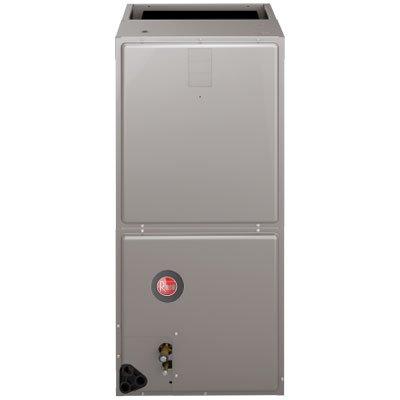


Videos


Safety Certification Of IT Equipment Cooling In Data Centers
Download
The Advantages Of Cooling Tower Retrofits Using EC Fan Arrays
Download
The Water Is Fine: Diving Into Air-To-Water Heat Pumps
Download
Heat Pumps: Expert Insights
Download
The Hidden Energy Drain
Download