
Energy-efficient homes are moving from a popular choice to a must-have. Not only are the friends, family, and neighbors looking to save as much as they can on their monthly energy bill, but the positive environmental impact and increased indoor comfort are also benefits.
Energy efficiency in construction
There are even federal tax credits in place for certain energy-efficient building designs
By conserving as much energy as possible and not needlessly wasting heat, cold air, water, and electricity, they can help to preserve the planet and combat global warming while simultaneously reaping the benefits of a smaller energy bill.
There are even federal tax credits in place for certain energy-efficient building designs. With so much emphasis on energy efficiency in construction, it can be hard to know where to begin when looking to build the most energy-efficient house.
Energy-Efficient Home Design Features
Thankfully, there are multitudes of ways to integrate energy savings into beautiful home designs. In order to help they understand how to build an energy-efficient home, let’s go through 19 different measures they can take to ensure that they’ve put together the most energy-efficient home design possible.
1. Sufficient Insulation
All good energy-efficient houses have sufficient insulation. Insulation is what keeps the temperature outside the home from also becoming the temperature inside as well. It keeps the outside air out, and the inside air in. Thus, it goes without saying that proper insulation is crucial for energy-efficient houses.
Attic insulation is much like wearing a hat in the winter, as it keeps all the heat from escaping out the top
When looking to build an energy-efficient home, they’ll need proper insulation in both the walls and the attic. They can achieve this by having insulation blown into the wall cavities if it isn’t already there. Attic insulation is much like wearing a hat in the winter, as it keeps all the heat from escaping out the top.
They might also consider using a continuous insulation system such as a house wrap. This will provide protection from air and moisture that might otherwise leak in or out through gaps in traditional siding, cracks in the doors and windows, and other small passageways.
2. Airtight Windows
Windows are common culprits of energy leakage in a home. They can become old and leaky over time. They can either plug the leaks with weatherstripping and/or storm windows, or they can replace them altogether.
Replacing the single-glazed windows with an Energy Star-rated version will go a long way toward building an energy-efficient home.
3. Trees and Shrubs
If the home is lacking the proper insulation, one alternative solution is to plant trees and shrubs around the home, especially on the west side. These will provide valuable shade in the summer that will block heat from radiating into the home.
4. A New Furnace
Furnaces installed before 1992 are known to waste up to 35% of the fuel they use
The heating system of a home plays a large role in its energy efficiency. Furnaces installed before 1992 are known to waste up to 35% of the fuel they use. If they have this type of furnace, they may need to replace it with a condensing furnace.
A condensing furnace will save them up to 27% on their heating costs and will cut fuel waste down to a very manageable 10%. Even if the furnace was installed after 1991, they can still convert to a newer condensing furnace, while expecting to save at least 10% on the heating costs.
5. An Advanced Water Heating System
If they haven’t already, they should turn down the water heating system to 120 degrees Fahrenheit. Then, they should insulate the hot water lines so that they retain more heat in-between uses and don’t take as long to warm up again. Also, low-flow water fixtures for the baths and showers are helpful cost-cutters.
If they really want to save money on hot water, they can have an advanced “on-demand” circulating hot water loop installed. This system works perfectly with low-flow water fixtures to conserve the energy used to heat the hot water. This can save them a considerable amount of money compared to a “hotel” loop which will waste both electricity and water-heating energy.
6. Energy Efficient Lighting
Dimmers are great as well, allowing them to lower the lights to suit their needs
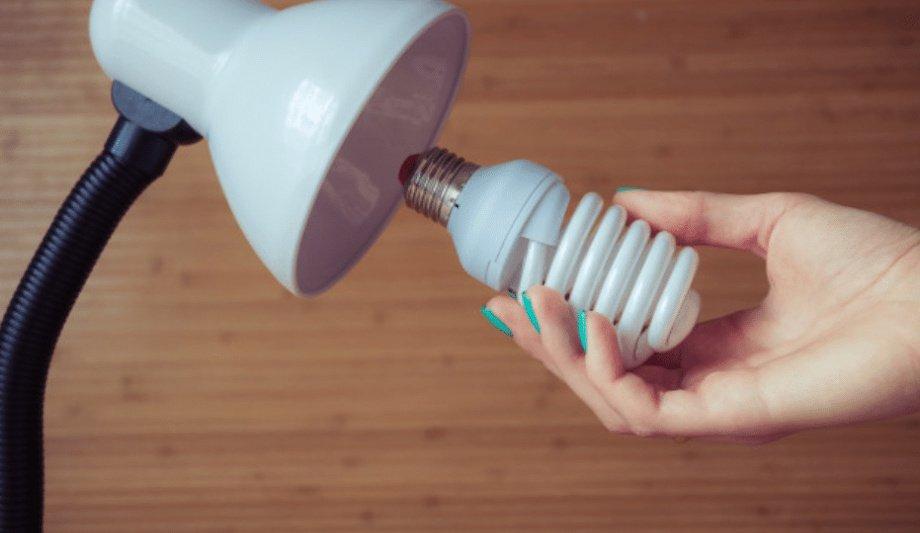
Using old lighting like incandescent bulbs is a great way to waste a ton of energy. New lights designed for energy efficiency such as CFLs can save them up to three-quarters of the energy that a typical incandescent bulb would have used.
This is because a CFL will last for around 10,000 hours in comparison to the measly 1,000 hours that the average incandescent bulb would last. When they add up the total cost and value produced by each type of bulb, a CFL bulb will cost you less than a third of what a regular incandescent bulb will.
They can also try LED bulbs which will provide them a similar reduction in cost over their entire lifespan. Dimmers are great as well, allowing them to lower the lights to suit their needs.
7. Discard the Old Refrigerator
When they buy a new fridge, they might be tempted to keep the old one around as a backup for extra supplies. Unless they want to pay an extra $150 per year, that’s a bad idea.
Unplug the old fridge so it isn’t using up energy, and if possible, buy a fridge that has a mounted freezer on top. These kinds of refrigerators will use up to 25% less energy than a side-by-side refrigerator with an ice machine, for instance.
8. Build an Energy-Efficient Home with Tax Incentives
The federal government offers many tax incentives for various energy-efficient systems
The federal government offers many tax incentives for various energy-efficient systems. Solar panels, building envelopes, on-site renewables, and upgrades to the air-conditioning/heating system can all be paid for in part or in full by the federal government in some areas.
Check the local regulations regarding tax incentives for energy-efficient upgrades to see how much they can save while building an energy-efficient home.
9. An Energy Audit
They can’t really know for sure where and how much energy they are wasting until they get an energy audit done.
They can assess the current situation and make a guess as to where the most energy is being wasted, but an official energy audit will give them the concrete evidence they need to turn their house into the most energy-efficient home on the block.
10. A Programmable Thermostat
Aeroseal is the perfect solution for homeowners looking to get their ductwork airtight
Ductwork can easily become broken down and riddled with gaps and small holes over time. If they live in a mobile home, the ductwork could be in dire shape. A gigantic amount of energy will escape from poor ductwork, so securing their is essential.
They could replace all the ductwork in the home, but that would cost a significant amount of time and money. Instead, try using Aeroseal to seal up the ductwork. Aeroseal is the perfect solution for homeowners looking to get their ductwork airtight and back to performing like new.
Applied from the inside-out, Aeroseal is a hardening foam substrate that acts fast to completely seal up any gap or hole it is placed in. Homeowners around the nation have seen their energy bills slashed by huge amounts thanks to the effectiveness of Aeroseal. It’s also much cheaper to apply Aeroseal than it is to replace broken-down ductwork.
15. The Most Energy-Efficient House Designs Feature ICFs
Insulated concrete forms are one of the most effective ways to cut down on energy waste
Contrary to popular belief, the most energy-efficient home designs are created from the ground up. It’s best to plan for energy efficiency before they even build their home, assuming they’re building one. If they do get the chance to plan for energy efficiency from the very beginning, use an interlocking wall system such as ICFs (Insulated Concrete Forms).
Insulated concrete forms are one of the most effective ways to cut down on energy waste. They are made from hollow concrete blocks, which are specially designed to act as their own form of insulation. These blocks are all linked together with rebar to form a solid wall system without any gaps.
ICFs are totally airtight. When combined with another form of continuous insulation like a house wrap, they can be a supremely effective combination when it comes to slashing the energy bill.
16. Make Use of the Shades
If they live in an area with hot summers, making use of the shades, curtains, and blinds is a great way to save money on the A/C costs. Pull the blinds and curtains closed during the day so that the sun cannot pour into the home and heat it from the inside.
They can make this can work in reverse as well by opening the shades during the cooler months to let the sun naturally heat up the house, which will lessen the strain on the furnace.
17. Use Less Hot Water
Hot water is pretty essential for baths and showers, but not so much for clothes. Of course, some clothing items might require a specially heated wash or they might need to get a tough stain out with hot water, but other than that they can save big money by washing the clothes almost exclusively in cold water. They could also take cold showers too, as another money-saving measure.
18. Replace the Air Filters
The air filters in the heating and cooling system will become dirty over time. Replacing them regularly will allow the system to work with less strain because it won’t have to work twice as hard to push air through a dirty filter.
19. Use a Ceiling Fan When Possible
Using a ceiling fan instead of turning on the A/C is another aspect of most energy-efficient home designs that people tend to overlook.
The habit of using the ceiling fan to cool down the house so that it’s not cooking like an oven can add up to big-time savings.
Building an Energy-Efficient Home
With energy-efficient options for a home becoming more and more prevalent every day, it’s a good idea to brush up on some ideas they might want to try themselves.
Whether they want to use the most energy-efficient home design from the ground up, or just add a few items here and there, it’s never been easier to save massive amounts of money on the energy bill.