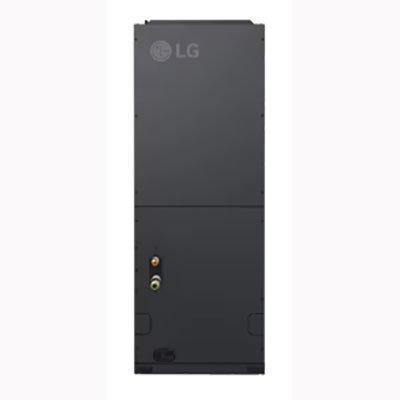

Upgrading to a more energy-efficient HVAC/R system can yield significant cost savings over time. HVAC/R systems are one of the largest energy consumers in commercial buildings, and according to the U.S. Department of Energy, heating and cooling accounts for over half of a typical building’s energy use. An efficient HVAC/R requires less energy to heat and cool the facility, leading to lower monthly utility bills.
For example, replacing an older AC unit with a new ENERGY STAR-certified model can reduce cooling costs by 20% or more. Over the lifespan of the HVAC/R system, these savings can amount to thousands of dollars.
Reducing Environmental Impact
Heating and cooling buildings account for a significant portion of greenhouse gas emissions
Energy efficiency in HVAC systems does not merely translate to dollar savings—it extends to environmental sustainability, which is pivotal in the fight against climate change. Heating and cooling buildings account for a significant portion of greenhouse gas emissions linked to climate change.
By upgrading HVAC/R equipment and properly maintaining and operating systems, substantial emissions reductions can be achieved.
In fact, research shows if a single household in 10 bought ENERGY STAR-certified HVAC/R equipment, the planet would prevent 13 billion pounds of greenhouse gas emissions—an amount equal to yearly emissions from 1.2 million automobiles. Apply this statistic to the average commercial building, which is significantly larger in size than the average residential unit.
Enhancing Indoor Air Quality and Comfort
Energy-efficient HVAC units also often provide better humidity control through enhanced dehumidification. This can lead to improved indoor air quality and reduced growth of mold, dust mites, and other allergens.
Proper airflow and ventilation from an efficient system also help filter out pollutants. The result is a more comfortable and healthier indoor environment for employee productivity and well-being.
Practical Steps to Improve the Building’s HVAC Energy Efficiency
To significantly lower energy costs and enhance performance, commercial businesses must explore several methods for HVAC energy efficiency, including:
1. Conduct a Thorough Energy Audit
Before making any leap into upgrading or adjusting the HVAC/R system, a thorough energy audit of the commercial property is essential. This audit should identify specific areas for improvement, understand the current energy consumption patterns, and set the stage for implementing changes that would lead to an efficient energy system.
HVAC/R professionals play a crucial role at this stage—they can help determine which energy-efficient options suit the building’s size, climate, and usage patterns the best.
2. Investing in High-Quality Systems
Select systems with high seasonal energy efficiency ratio (SEER) and energy efficiency ratio (EER) ratings with zoning capabilities. This allows separate temperature controls for different building zones, reducing the unnecessary cooling or heating of unoccupied spaces, and leading to energy savings.
Features like variable-speed blowers and source heat pumps within these high-rated systems contribute to their effectiveness and efficiency.
Consider system types like:
- Variable Frequency Drives (VFDs) – Utilize VFDs on HVAC fans and pumps to regulate motor speed and reduce energy consumption during off-peak hours or in areas with lower demand.
- Demand-Controlled Ventilation Units (DCV) – Employ sensors to adjust the ventilation based on occupancy levels in the space, ensuring that energy is not wasted on cooling, heating, or circulating air in empty rooms.
- Dedicated Outside Air Systems (DOAS) – Use DOAS to manage the conditioning and delivery of fresh air separately from the rest of the HVAC/R system, increasing energy efficiency by handling ventilation and temperature controls independently.
- Energy Recovery Ventilators (ERV) – Install ERVs to reclaim energy from exhaust airflows for preconditioning incoming outdoor ventilation air, thus reducing the energy demand for heating and cooling.
- Smart Building Automation Systems (BAS) – Implement BAS for monitoring and controlling the HVAC/R system remotely, optimizing energy usage through intelligent schedules, and maintaining peak efficiency.
3. Integrating HVAC/R Systems With Solar Power
By adopting solar-powered HVAC/R systems, commercial businesses can harness clean, renewable energy from the sun to power their heating and cooling systems.
This transition not only slashes dependence on fossil fuels but also paves the way for financial savings through green energy tax benefits and incentives.
4. Investing in Frequent Maintenance
Regular maintenance and tune-ups are essential for optimal HVAC/R operation. Scheduling consistent checks keeps components like filters and coils clean, and ensures that any duct leakages are promptly addressed, thereby maintaining efficiency, lowering energy consumption, and prolonging system life.
Key Takeaways
- As companies navigate the complexities of energy management, an energy-efficient HVAC system stands out as a cornerstone of a streamlined, cost-effective, and eco-friendly operational mandate.
- With thorough planning, the right professional guidance, and a willingness to invest in technological solutions, commercial businesses can make a befitting transition to high efficiency in heating, ventilation, and air conditioning, reaping economic benefits while contributing to a healthier planet.