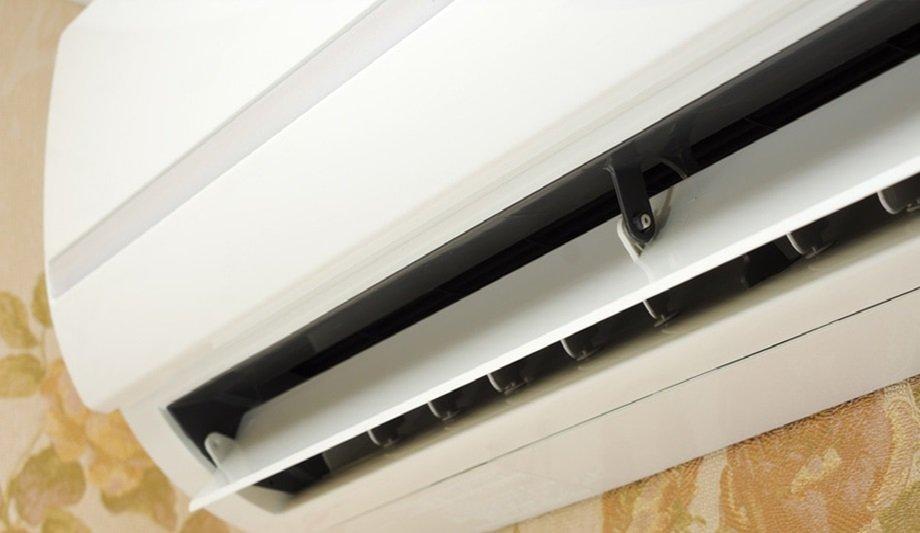

Users might have noticed that many appliances use inverters, from washing machines to refrigerators.
Inverters are devices that convert frequency. In the case of air conditioners, inverters control the compressor by adjusting the unit’s cooling capacity according to the power supply.
Air conditioner inverter systems
Air conditioner inverter systems have been on the market for several years and they’re all part of the effort to create more efficient heating and cooling systems.
Does the user still have a non-inverter model? As experts in air conditioning in Melbourne, Australian Climate Systems have compiled 8 reasons why users should ditch the old AC and upgrade to an inverter system. But first, let’s talk inverters.
Why They Are An Essential Upgrade
Modern inverter technology changes the way the compressor in the air conditioner works, and this improves the way
Modern inverter technology changes the way the compressor in the air conditioner works, and this improves the way the AC functions in multiple ways. In conventional air conditioners, the compressor has two functions – on and off.
So, when the user sets the temperature level using the thermostat, the motor will activate, and the compressor will switch on and run at full speed until the target temperature has been reached. It will then switch off until the temperature changes, and then it will switch on and repeat the process.
- Maintaining target temperature
In an inverter air conditioner, the compressor smoothly powers up and powers down rather than simply switching on and off. So, when the user sets the target temperature, the motor will gradually activate, allowing the compressor to cool down the room.
When the target temperature is reached, the motor will slow down but not stop, letting the compressor maintain the target temperature rather than having to constantly switch on and off.
- Think of the compressor as the car pedals and the foot as the motor.
A non-inverter air conditioner is like putting the foot down every time the user wants to accelerate and then having to slam the brakes to stop. It’s noisier, less efficient, and it will wear down the car faster.
An inverter air conditioner is like putting the foot down gently and then keeping steady pressure on the accelerator and the brakes to maintain speed.
- Affordable, effective, eco-friendly AC
While the user can’t help getting stuck in traffic, the user can get an inverter that prevents the constant starting
To take it one step further, having to constantly start and stop is not good for the car, and it’s not ideal for the AC either. While the user can’t help getting stuck in traffic, the user can get an inverter that prevents the constant starting and stopping of the compressor motor.
Some upgrades are optional, like fancy rims for the car. But others are essential, like quality brake pads. Upgrading from a non-inverter unit to an inverter is a bit like those brake pads; a necessary upgrade to ensure users have an affordable, effective, eco-friendly AC.
Upgrade to An Inverter System for These 8 Advantages
1. Cost-Efficient Operation
Inverter air conditioners might cost a bit more upfront, but users will be saving more in the long run. This is because the AC won’t need to work at full capacity every time the user uses it. It will spend most of its time maintaining the temperature rather than playing catch up, resulting in less electricity consumed and lower energy bills.
An inverter air conditioner can slash up to 40% off the energy consumption compared to a standard non-inverter AC model, resulting in energy savings and lower operating costs. As sturdy, modern systems, inverter units will also require less maintenance than traditional air conditioners, which are more prone to faults and breakdowns.
2. Eco-Friendly
Air conditioners have always been convenient, but they haven’t always been environmentally friendly. Luckily, the heating and cooling industry has taken great strides to improve its products, from investing in less harmful refrigerants to the integration of inverter technology.
Inverters are eco-friendly because they cause the system to use less energy. Lower power consumption also means fewer CO2 greenhouse gas emissions being sent into the atmosphere.
- Lowering carbon footprint
Respected heating and cooling companies like Daikin and Panasonic are still working on eco-friendly improvements
Coupled with the most ozone-friendly R410a and R32 refrigerants users get air conditioners that are more environmentally friendly than ever.
Respected heating and cooling companies like Daikin and Panasonic are still working on eco-friendly improvements, but inverters can help the household take further steps towards lowering its carbon footprint.
3. The Smoothest Cooling Experience
Inverter tech allows the system to deliver airflow smoothly rather than pushing it toward the user at a full and forceful speed. Inverter ACs will also help users maintain a consistent room temperature and they won’t make as much noise because they don’t need to switch on and off constantly.
If users want the smoothest cooling experience with no temperature fluctuations from the split system in Blackburn or the ducted air conditioning in Dandenong, it pays to upgrade to an inverter unit.
4. Cooling That’s Faster and More Effective
Users might think that the variable speed of an inverter AC would slow it down, but it does the opposite. The variable compressor speed allows the unit to cool rooms faster because the inverter enables the compressor motor to run at even higher speeds.
Once the system is on, it won’t need to stop and start constantly, allowing it to react quickly to changes in room temperature.
5. Much Quieter Operation
There are two main reasons why inverter systems provide whisper-quiet operation compared to traditional ACs.
- Firstly, these systems are usually in temperature maintenance mode, meaning the compressor motor is operating slowly. The lower the compressor motor speed, the less noise the system makes. This is compared to non-inverter systems, which are always operating at their full fixed speed whenever they are blowing air, resulting in noisier operation.
- Secondly, non-inverter air conditioners have to constantly switch on and off, which creates extra noise. Think of a car engine starting or the whirring of an old computer when it first boots up. By turning on and staying on, inverter systems eliminate a lot of the noise commonly associated with air conditioners.
6. A Great Night’s Sleep
These systems maintain a constant room temperature, meaning users won’t be pulling on and throwing off
A quieter bedroom air conditioner will help users have a good night’s sleep, but the lack of noise isn’t an inverter’s only bedtime benefit.
These systems also maintain a constant room temperature, meaning users won’t be pulling on and throwing off the covers as the indoor temperature fluctuates throughout the night.
7. An Inverter AC Lasts Longer
There’s a simple reason why an inverter air conditioner is likely to have a longer lifespan than a standard model. An inverter unit greatly reduces the amount of noise and vibration, and as mentioned multiple times, it doesn’t need to switch on and off. This allows the air conditioning to run much more smoothly, meaning less wear and tear on the air conditioning unit and a longer-lasting system.
Inverter technology also greatly reduces the likelihood of voltage fluctuations and lowers overall power usage. This makes the system less likely to experience electrical faults and creates a safer overall environment for residential wiring.
8. Pair Inverter Air Conditioning with Solar Power
Some of the main advantages of inverters are lower power bills, higher energy efficiency, reduced electricity consumption, and more eco-friendly operation.
Solar power provides all these benefits too, so if users have solar panels or users are thinking of investing in solar power, getting an inverter system is a no-brainer. The combination of solar panels and inverters will create the most environmentally friendly, energy-efficient, and affordable air conditioning possible!
Are There Any Drawbacks of Inverter Technology?
Like all advanced technology, an inverter air conditioner will be more expensive to buy upfront
Not really. Like all advanced technology, an inverter air conditioner will be more expensive to buy upfront and could also come with higher ongoing maintenance costs.
Aside from those disadvantages of inverter air conditioners, the new system will have all upsides.
Different Types of Inverters and Compatible Systems
There are many types of inverter technology, including:
- Twin Inverter/Dual Inverter: For even faster and more accurate cooling performance.
- Triple Inverter Technology: Improved cooling speed and accuracy plus longer condenser and compressor lifespan with further reductions in vibrations and noise.
Other inverter technologies include variations that automatically adjust based on humidity levels as well as options with a wider temperature range for different climates. Users can be sure that our team will match users with the best inverter system for Melbourne’s climate.
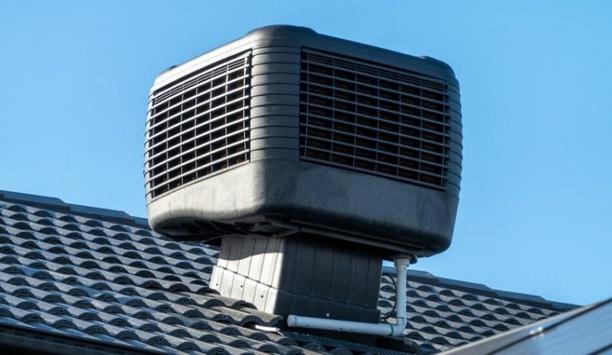
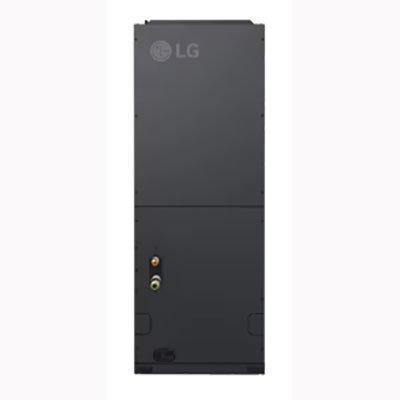
Users can find inverters in all sorts of cooling systems, including ducted refrigerated air conditioning, evaporative coolers, ducted reverse cycle systems, and split systems in Melbourne.