
Maintaining an HVAC system during the summer reduces the chances of experiencing problems with the system. No one wants to go through expensive and tedious HVAC maintenance tasks repeatedly. So, it is best to maintain the system at least once a year, especially if they are a homeowner.
However, knowing the proper maintenance schedule for the HVAC system is important. They wouldn’t want to turn on the HVAC system only to discover that it developed some issue over the season.
Factors Affecting HVAC Maintenance
They will mention tips for each season, but some other factors may impact the maintenance schedule. The ideal HVAC maintenance schedule depends on some of the following factors:
The Age of the HVAC System
Older HVAC systems require more maintenance and consistent checks because they have a higher chance of developing operating issues.
Current HVAC System’s Condition
The condition of the current HVAC system has a lot to do with the maintenance needs it requires. Systems that break down need more care and repeated checks.
Size of the HVAC System
The size of the HVAC system impacts the sections that may develop faults over time. Larger the HVAC system, the more likely it is to break down or develop performance issues.
Brand of the HVAC System
The brand of the HVAC system impacts the frequency and cost of the HVAC system. Purchasing reputable HVAC systems reduce the chances of developing mechanical faults because of better quality.
Use of HVAC System
The frequency of use of the HVAC system increases maintenance needs. For example, commercial HVAC systems require frequent maintenance checks compared to residential HVAC systems because commercial units have higher use.
Location
The HVAC system location can impact its maintenance needs considering hotter regions are more likely to cause HVAC system issues compared to others.
Maintenance Schedule Recommendations for Homeowners
The right time to take the HVAC units for checks can help them avoid significant complications
The HVAC systems can develop performance issues at almost any time. But knowing the right time to take the HVAC units for checks can help them avoid significant complications.
Experts believe that HVAC system homeowners should check their systems twice a year, i.e., Spring/Summer and Fall/Winter. Here is the checklist to keep in mind for each season.
Fall/Winter Maintenance Checklist Recommendations
- Call a professional to check the gas furnace if they have in the HVAC system.
- Change the filters every 30 to 90 days.
- Check if the flu systems in the HVAC system are appropriately attached to the furnace.
- Check the heat exchangers carefully because if these get damaged, it could cause carbon monoxide to build up inside the home.
- Check the HVAC manual to double-check that the HVAC system does not have any specific requirements that it needs to meet. They also suggest consulting with an HVAC professional to ensure that they have a fully maintained unit.
- Double-check the HVAC system thermostat levels to ensure that the system works at the right temperature. It will help save energy and keep the indoors at a comfortable temperature.
- Ensure all mechanical parts, such as bolts, pulleys, etc., are fully lubricated because they will impact the HVAC system's performance.
- Inspect the frayed belts and pulleys and replace them if they look worn out or are in a harmful condition.
- Inspect the ignition burner assembly.
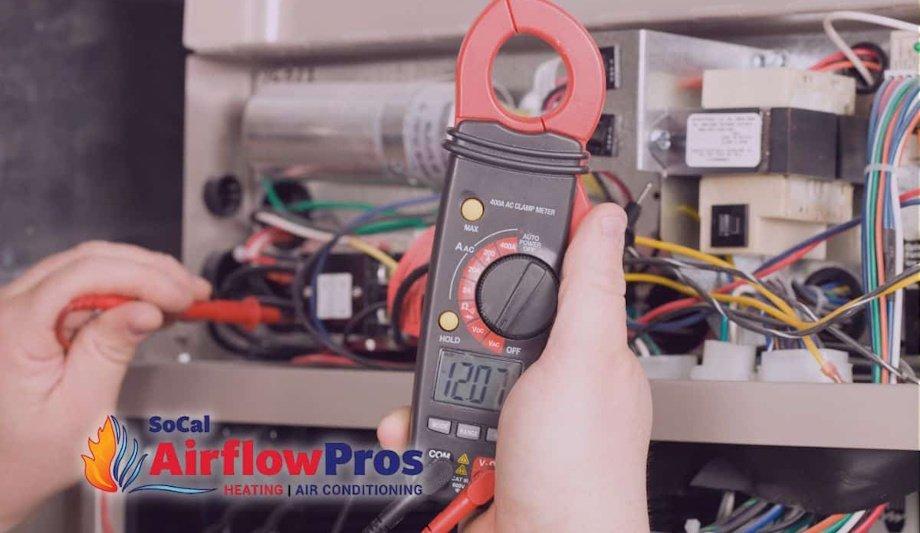
- Inspect the wiring systems and the electrical components of the HVAC system.
- It is vital to check the gas pressure to avoid gas buildup or unwanted indoor explosions.
- Keep an eye on the heat pump and ensure that it works correctly.
- Prevent overflows by checking the connection lines and removing any standing water within the connection.
- The recommendations they have listed above are valid for the fall/winter season only, and homeowners also need to take care of their HVAC systems through the spring/summer season. Here are some tips that they should keep in mind.
Summer/Spring Maintenance
- Check all connections and the electrical system.
- Clean any debris, dirt, or mold buildup in the unit
- Double-check the HVAC unit batteries and replace them if needed.
- Ensure that the fan motor operates correctly.
- Ensure the HVAC cabinet door is closed.
- Ensure the HVAC thermostats are fitted correctly and adjust them if required.
- Evaporator coils and condensers can become dirty over time and need extra care and cleaning.
- Inspect the blowers and blades to maintain better airflow.
- Inspect the refrigerant levels and ensure there are no leaks in the system.
- Lubricate any moving parts.
- Remove any debris from the unit if outdoors.
- Remove any extra water in the drain lines to keep the HVAC unit clean and up to date.
- Replace worn pulleys and belts.
- Start by replacing the filters to ensure that dust buildup does not impact HVAC system performance or stop it from cooling the home.
- The HVAC drain lines can develop clogs stopping proper coolant flow in the HVAC system, so double-check it.
Bottom Line
A maintenance schedule for a homeowner helps ensure the HVAC system has no operational problems.
They can contact their professionals at Social Air Flow Pros if they need help with the HVAC maintenance, or want more information or tips to manage their residential HVAC system. The experts have the knowledge and experience to deal with all HVAC-related issues.