
When it comes to creating a comfortable environment at home or in the office, choosing the right heating and cooling system is essential. There are numerous options available, but it always comes back to the same two questions:
- Ducted or Split?
- Gas or Electric?
Australian Climate Systems will provide the answers to these questions, helping the user decide once and for all if the user should install ducted air conditioning or split systems in Melbourne.
Reverse Cycle Air Conditioning
Here’s the good news. Whether the user chooses a split system unit or a ducted unit, the user will get access to reverse-cycle air conditioning technology.
Reverse cycle systems provide energy-efficient heating and cooling from one unit. This means there’s no need to install separate heaters and coolers, helping the user save money from the get-go.
Efficiency
These systems achieve amazing efficiency due to the way they heat and cool the home
Reverse cycle systems also provide heating and cooling that’s up to 600% efficient, so users can enjoy year-round comfort, lower electricity bills, and a smaller household carbon footprint.
These systems achieve amazing efficiency due to the way they heat and cool the home. They work by transferring heat from one area to another, rather than having to generate it directly.
Electric heating and cooling
Reverse cycle systems are electrically powered for both heating and cooling, which is the superior option compared to the gas-ducted systems that were traditionally so popular in Melbourne.
While gas is still great, electric heating and cooling are the future. So, in answer to the question “gas or electric?”, the user should install an electrically powered reverse cycle system. The only question that remains is whether that system should be split or ducted.
What Are Highwall Split Systems?
Split systems, sometimes known as ductless systems, consist of two main components: an indoor unit and an outdoor unit. The indoor unit distributes heated or cooled air directly into the room, while the outdoor unit houses the compressor and other components.
Split system air conditioners are designed to provide climate control in an individual room or area of a building, which is called space heating and cooling.
Indoor and outdoor unit installation
Split system units are great when users want to heat or cool a bedroom or living room, as well as home and small office spaces
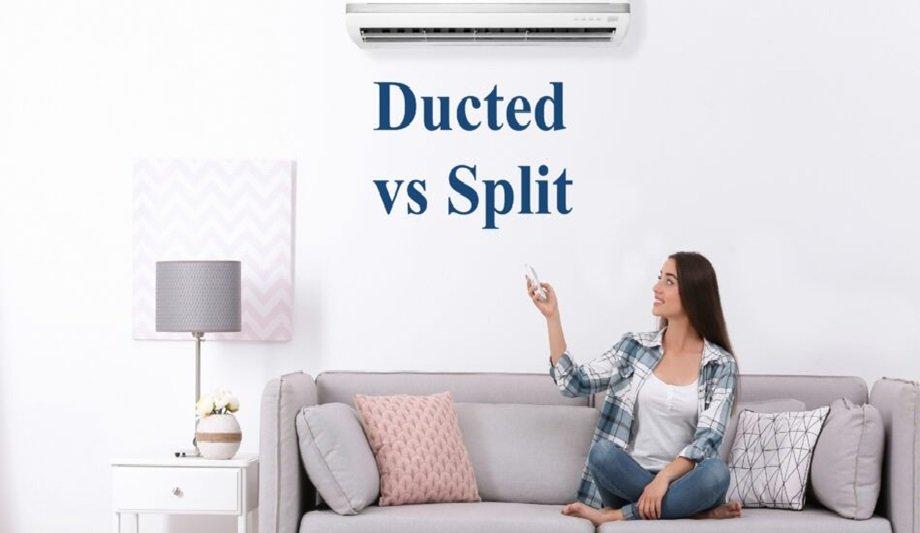
The indoor unit is typically installed high on the wall in the center of the room, which is why they are often known as high wall split systems.
The outdoor unit is usually installed on the adjoining exterior wall. Split system units are great when users want to heat or cool a bedroom or living room, as well as home offices and small office spaces.
Cooling-only units
Split systems work best when the user can close doors to adjoining rooms, so air from the unit can’t escape to other areas.
As mentioned above, split system air conditioning can utilize reverse cycle technology for energy-efficient, year-round climate control. However, some split systems are cooling-only units, so keep this in mind when shopping for a new air conditioner.
Split Systems Pros and Cons
Pros
- Flexible installation: Split system units can be installed in various locations, making them ideal for homes or offices with limited space. This is especially useful in properties that have inadequate roof space to install complicated ductwork.
- Energy efficiency: If the user only needs to heat or cool a specific area, then split systems are generally more energy efficient than ducted systems. That’s because users don’t need to waste energy heating or cooling rooms user’re not using.
- Cost-effective: Split systems are typically less expensive to purchase and install than ducted systems. They can also offer lower running costs depending on the needs.
- Independent control: With split systems, users can control the temperature of each indoor unit without the need for added zoning technology. Enjoy customized comfort in every room!
- Quiet operation: Split systems often have quieter indoor units compared to traditional central air systems. This can contribute to a more peaceful and comfortable living or working environment.
- Easy maintenance: Maintaining a split system is generally more straightforward than a ducted system, as there are fewer components involved. Regular cleaning of filters and periodic checks by a professional can help ensure the system continues to function efficiently.
Cons
- Indoor Aesthetics: Some people may find the visible indoor units unappealing or intrusive compared to the sleek ceiling or floor outlets used in ducted systems.
- Limited Coverage: Split systems are better suited for individual rooms rather than large, open spaces.
- Multiple Units: For larger homes or offices, the user may need to install multiple split systems to cover the entire area. If the user opts for several individual split systems, the user needs to install one outdoor unit for every indoor unit. If the user opts for a multi-split system setup, the user can install multiple internal units powered by just one outdoor unit. Either way, extra units mean extra maintenance and installation costs.
- Potential for Uneven Temperatures: Since split systems work independently in each room or area, the user may experience varying temperatures across the home or office. This can lead to some rooms feeling too hot or too cold, depending on the settings of each unit.
- Impact of the Outdoor Unit: Depending on the layout of the property, finding an appropriate location for the external unit can be challenging. Having one or more outdoor units can also impact the aesthetics of the garden, facade, and other outdoor spaces.
- Installation Limitations: While they are typically easier to install, split systems may not be suitable for some properties due to installation constraints. For example, if there is limited wall space or if the exterior walls are not strong enough to support the outdoor unit, installing a split system could be challenging.
What Is Reverse Cycle Ducted Heating and Cooling?
The ductwork is installed above the ceiling or below the floor depending on the roof space available
Reverse cycle ducted systems are central heating and cooling units. This means they distribute heated or cooled air to the whole building through a series of ducts and vents. The ductwork is installed above the ceiling or below the floor depending on the roof space available. Ducted reverse-cycle air conditioners are perfect for large homes and buildings where users want to be able to heat or cool the entire space quickly, evenly, and simultaneously.
Other ducted systems include gas ducted heating, refrigerated ducted air conditioning, and evaporative cooling, but only reverse cycle units provide combined heating and cooling with up to 600% efficiency.
Ducted Reverse Cycle Heating and Cooling Pros and Cons
Pros
- Whole-Home Coverage: Ducted systems can efficiently heat and cool an entire building, making them ideal for larger spaces.
- Aesthetics: The ducts and vents are typically hidden within walls or ceilings, creating a more seamless look compared to the indoor units of split systems.
- Zoning: Many ducted systems allow for zoning, enabling the user to control the temperature and airflow in different areas of the home independently.
- Heating and Cooling: Just like split systems, users can enjoy year-round climate control thanks to heating and cooling from one unit. Save money by avoiding the need to buy, install, and maintain separate heaters and air conditioners.
- No More Hot or Cold Spots: As a central heating and cooling solution, it’s easier to maintain a consistent temperature throughout the home with a ducted system.
- Increased Property Value: As the flagship HVAC solution, a ducted reverse cycle system can be seen as a valuable addition to a home or office, potentially increasing the property’s value and appeal to prospective buyers or tenants.
Cons
- Cost: Ducted systems tend to be more expensive to purchase, install, and maintain than split systems. However, this can be offset in the long term thanks to higher energy efficiency and lower running costs.
- Installation Limitations: Installing a ducted system can be more complicated, particularly in existing buildings, which may require extensive modifications. Additionally, if users have limited roof space, unique architectural features, or a double-story property, they user will face further complications.
- Limited control over individual rooms: While zoning features are available for some ducted systems, they may not offer the same level of independent control as split systems. This can make it more challenging to customize the temperature in individual rooms or areas. Zoning limitations may also mean the user will waste money and energy running the air conditioner in empty rooms.
- Potential for air leakage: Central systems use a network of ducts to distribute air, which can sometimes lead to air leaks if the ductwork is not properly sealed or maintained. This can result in decreased energy efficiency and increased utility bills.
It’s essential to consider the pros and cons and evaluate the specific needs when deciding whether a split or ducted reverse cycle system is the right choice for the user.
Ducted vs Split – What’s Best?
If users have design limitations that make it difficult to install ductwork, then split systems are a great solution
When choosing between a ducted or split system, users need to consider factors such as the budget, the size of the space, and aesthetic preferences. Split systems are generally more suitable for smaller homes, apartments, or offices, while ducted systems are often better for larger homes or buildings.
If users have design limitations that make it difficult to install ductwork, then split systems are a great solution. They’re also a great way to complement existing ducted systems if the user’s adding an extra room to the home or user wants to add dedicated climate control in a specific space.
- Zoning technology
If a user wants to heat and cool the entire home or building with the option for individual room control via zoning technology, then a ducted unit is best for the user. While the user can heat and cool the entire home with multiple split systems, it’s generally better to install a central unit in this case.
Finally, if the user is building a new home, Australian Climate Systems strongly encourages the user to consider ducted reverse-cycle air conditioning. Electrically powered homes appear to be the way of the future, and it is easiest and best to install ducted air conditioners while the house is being built.
Select the right Type of Air Conditioner
To learn more about ducted air conditioning systems and split system air conditioning units, chat with the team at Australian Climate Systems.
As Melbourne’s Masters of Heating and Cooling, Australian Climate Systems can run the user through the most popular types of air conditioning and recommend the best system for the home.