
If the user wants ducted heating in the Melbourne home, the user has two main options to consider:
- Gas ducted heating:
The traditional option for central heating. Gas ducted systems use a gas furnace to create a flame that heats air and distributes it throughout the home.
Australian Climate Systems is primarily talking about ducted systems, not unflued gas heaters or other gas space heaters.
- Reverse cycle heating:
The modern option; is commonly known as reverse cycle air conditioning.
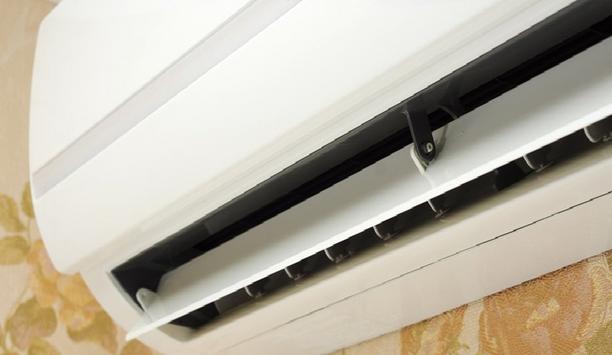
Reverse cycle systems use heat pump technology to absorb heat from outside and transfer it indoors. These systems can also reverse the process to act as air conditioners.
Reverse cycle heating
To an extent, the best option for the user will come down to personal preference, but when the user looks at the bigger picture, there is a “best” option, and that’s reverse cycle heating. However, users shouldn’t rule out ducted gas heating altogether.
Australian Climate Systems going to explain why they believe reverse cycle systems are number one and also provide a fair explanation of each system’s benefits, similarities, and differences.
Is Ducted Reverse Cycle Cheaper Than Gas Ducted?
Users need to look at the gas and electricity prices, the size and efficiency of the heater
What’s the cheapest way to heat the home? It’s complicated. To get the true answer, users need to look at the gas and electricity prices, the size and efficiency of the heater, zoning capabilities, and the size of the home (to name just a few).
According to the Comparison site Finder, gas remains marginally cheaper overall for households despite it taking 3.6MJ of gas consumption to generate the equivalent of 1KWh of electricity. However, when it comes to heating, gas heaters can experience around 50% energy loss while in operation. This means that for every unit of energy put into the system, only about half of that is being used to heat the home while the rest escapes through exhausts, ductwork, etc.
300-600% efficiency
In comparison, reverse cycle systems boast 300-600% efficiency, meaning one unit of electrical energy could generate 6 times as much heat. According to Sustainability Victoria, this means a 1-star reverse cycle system could provide cheaper central heating than a 6-star gas ducted system (in a 220m2 home).
So, while the most expensive heating option is an old-school portable electric heater, the modern electric heating options (reverse cycle/heat pump systems) can be far cheaper to run than gas. Reverse-cycle air heating may be the cheapest option. This is especially the case if users have invested in solar energy (keeping in mind that solar panels can come with hefty upfront costs).
How to Determine Hourly Heating Costs
The user will need to know:
- the system’s listed energy usage (in MJ/h for gas and kW for reverse cycle).
- the tariff rate (usually listed on the gas or electricity bill respectively).
To calculate hourly costs for gas ducted heaters: Multiply the tariff rate by megajoules per hour (MJ/h) for an hourly running cost. To calculate hourly costs for reverse cycle heaters: Multiply the tariff rate by the kilowatts (kW) for an hourly running cost.
Supply and Installation Costs – Ducted Gas vs Ducted Reverse Cycle
Reverse cycle ducted heaters have average supply and installation costs ranging from $6,000 to $12,000
The cost of supplying and installing a ducted system – whether it’s a gas or heat pump – will depend on the specific requirements. This includes the number of outlets required, the size of the system, and any other complicating factors. In general, gas-ducted heaters will be cheaper to supply and install, with an average cost of 3,000 to $7,000 or more.
Reverse cycle ducted heaters have average supply and installation costs ranging from $6,000 to $12,000 or more. Most properties are connected to electricity, but fewer are connected to gas. If users need to add a gas connection to the home, this will significantly increase the cost of gas-ducted heating in Melbourne.
What Is the Future of Ducted Gas and Reverse Cycle Systems?
If users are installing a new HVAC system, it’s important to consider how widely used the system will be in years to come. As it turns out, gas systems and reverse cycle systems are on opposite trajectories.
Australia is reducing its reliance on gas:
- Despite being a top 3 gas producer globally, Australian gas companies export more than 70% of their product. This means Australian Climate Systems need to compete with global prices for locally produced gas!
- Gas prices are forecasted to continue rising in the next few years.
- Climate change is a growing priority. To reach net zero emissions and lower the environmental impact, Australia ideally needs to phase out natural gas (which is a fossil fuel).
- In Victoria, incentives for residential gas products will be completely phased out in 2023.
Meanwhile, clean electricity is becoming a priority:
- Australians have installed more than 2.7 million solar panels in 20 years.
- Wholesale electricity prices are forecasted to drop by 29% in Victoria throughout 2023.
- Victoria’s Home Heating and Cooling Upgrades program provided subsidized reverse-cycle air conditioning for vulnerable and low-income families.
- New incentives are being developed to help Victorian homes and businesses switch away from gas.
So, if user’re looking for a new central heating system, particularly if user are building a new home, it could be wise to invest for the future and opt for a reverse cycle unit.
Gas Ducted and Reverse Cycle Heaters: Similarities and Differences
How They Are Similar
- Both are central heating systems that use a series of ducts to distribute warmth throughout the entire property.
- Both can be zoned, allowing users to heat different areas independently of each other.
- Both come with thermostats to precisely set and control the air temperature.
- Both have outdoor units.
How They Are Different
- Gas ducted heating is a heating-only system while reverse cycle air conditioning offers both heating and cooling.
- The method of heating. Gas systems use LPG/natural gas combustion to directly generate heat. Reverse cycle units use electrically powered heat pumps to transfer heat energy from one place to another.
- As electrical systems, reverse cycle units must have an energy star rating label. While gas energy rating labels do exist, participation is voluntary. The majority of systems still carry a rating, but some may not.
- While gas heaters do not have a heating option, it is possible to have add-on cooling, where refrigerated air conditioning is delivered using the same ducts with a separate controller and outdoor unit. Add-on cooling doesn’t need to be installed at the same time, but it should be considered from the beginning to ensure installation is possible in the future.
Advantages of Reverse Cycle vs Gas Ducted Heating
Need new heating. Here’s why users should consider reverse cycle air conditioning in Box Hill, Ringwood, and all surrounding areas:
- Affordable, energy-efficient heating and cooling in one system.
- No risk of carbon monoxide poisoning, which can occur with faulty gas systems.
- Lower maintenance requirements than gas systems due to fewer safety risks.
- Up to 600% energy efficiency, compared to less than 100% for gas ducted units.
- Extra modern features compared to gas systems, like air purification technology, dehumidifiers, and inverters.
- The environmentally friendly option produces around 2/3rds less greenhouse gas emissions than gas systems.
- Whisper-quiet compared to gas systems, especially older ducted heaters!
Advantages of Gas Ducted vs Reverse Cycle Heating
There are still areas where gas heaters outstrip modern heat pump systems, such as:
- Faster heating of the property compared to reverse cycle air conditioners.
- Greater efficiency in particularly cold climates.
- Many people prefer the feeling of gas heating, considering it to be a more gentle, comfortable heat.
What About Split Systems?
These units offer space heating, meaning they are designed for use in one room only
This article is about comparing central heating systems, but what if users can’t install a ducted system? In some cases, a property may have inadequate ceiling or underfloor space for ductwork, and in other cases, the homeowner might be looking for a solution for a single room.
Split systems are among the most popular options for heating and cooling in Mooroolbark, Blackburn, and across Melbourne, and they solve this problem perfectly! These units offer space heating, meaning they are designed for use in one room only. They’re also easy to install, with just a few wires and pipes needed to connect an indoor unit to an outdoor unit.
Multi, reverse-cycle, and modern
Best of all, most modern split systems utilize reverse cycle heat pump technology for efficient heating and cooling, just like their ducted counterparts. If users want to add climate control to a bedroom or living area, a single reverse-cycle split system could be ideal.
If users looking for whole-home climate control but the property can’t accommodate ductwork, consider a multi-split system setup. This allows users to install multiple indoor split units that are powered by one outdoor unit, resulting in effective heating throughout the home. This increases installation difficulty slightly, but it’s well worth the effort.
Is Gas Ducted or Reverse Cycle Better? Talk To An Expert!
Choose a reverse-cycle ducted unit for a central heating option or opt for a split system to get affordable heating
Do users want the best indoor temperatures with efficient, effective, and affordable heat output? At Australian Climate Systems, Australian Climate Systems recommends reverse-cycle heating.
Choose a reverse-cycle ducted unit for a central heating option or opt for a split system to get affordable heating in a single room. Thanks to heat pump technology, these reverse cycle units will also cool the home in summer!
Energy performance
However, if user’re only looking for a heating unit and user want strong energy performance with quick, comfortable heat output, a gas furnace remains a quality option. Ducted gas heaters may experience some energy loss, but the top models are still very efficient heaters that have been incredibly popular in Melbourne for many years.
Just keep in mind that the environmental impact of natural gas heaters and the move towards electric appliances might cause these heaters to become less common as the years go on.