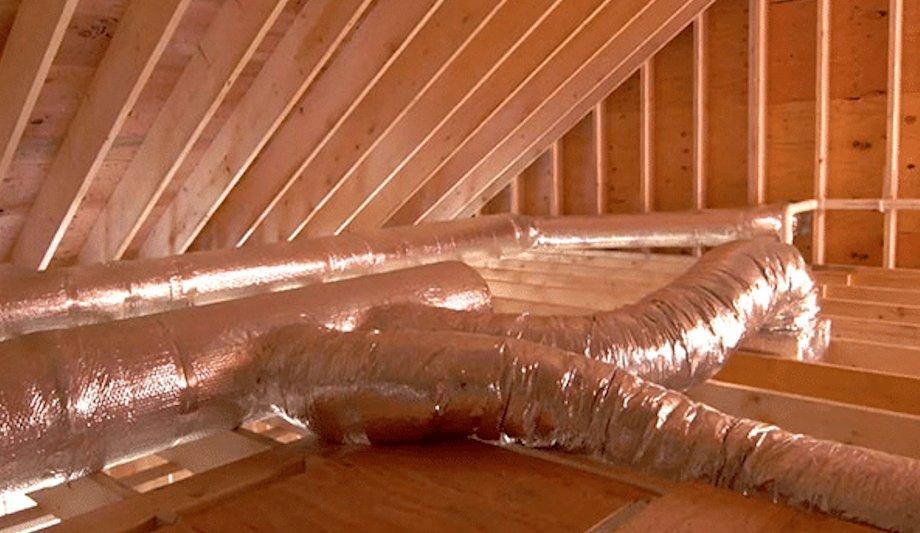
The HVAC system is an integral part of maintaining comfort within a building, tasked with regulating airflow through heating, ventilation, and air conditioning.
The complexity of HVAC installations often involves an intricate network of pipes and vents, which can be difficult to maintain once fixed. Therefore, correct installation during the initial stage known as the "rough-in" period is vital. This phase occurs when the HVAC ductwork is installed, but plumbing, electrical systems, and exterior walls are not yet in place, allowing for easier inspection of the ductwork.
Understanding the HVAC Rough-In Process
The HVAC rough-in period is a critical component of building construction, which is designed to streamline the installation process. It precedes other rough-in stages, such as plumbing and electrical, facilitating easy access for inspectors.
The HVAC rough-in period is a critical component of building construction
These inspections ensure that the ductwork meets necessary standards before further construction progresses. Any failure in passing the inspection necessitates corrective actions by HVAC technicians, electricians, or plumbers, requiring adjustments to the layout or installation sequence.
Levels of Ductwork Cleanliness
According to SMACNA standards, ductwork cleanliness is categorized into three levels: basic, intermediate, and advanced. The basic level entails minimal visible imperfections, while intermediate cleanliness requires ducts to be kept dry and clean, with limited exposure to contaminants.
Advanced cleanliness mandates extensive preventive measures such as sealed and protected ducts during storage and transportation. If construction standards are more rigorous than these SMACNA levels, those standards should be adhered to.
Contamination Risks in New Construction Ductwork
These can introduce dust and other particles, leading to poor air quality when the HVAC system is activated
During construction, ductwork is susceptible to contamination if there are leaks or openings in the system.
These can introduce dust and other particles, leading to poor air quality when the HVAC system is activated. To mitigate this, modern ductwork should incorporate multiple access panels at strategic points for inspections and maintenance, reducing the risk of contamination.
Achieving Compliance with Inspector Standards
Ensuring compliance with inspection standards during the HVAC rough-in phase is crucial. Companies like Aeroseal provide professional services, utilizing patented technology to detect and seal even minor ductwork holes with mastic.
This process measures and reports improvements in duct efficiency, offering a more profitable and labor-effective solution than traditional methods. Aeroseal's technology can enhance duct sealing efficiency by 33% and cut labor hours by up to 75%, making it a preferred choice for many in the industry.
The HVAC system of any building plays a crucial role in helping users maintain comfort and happiness in their home. The heating, ventilation, and air conditioning (HVAC) system is responsible for controlling the airflow inside a building.
It can be an incredibly complex maze of twisting, turning pipes and vents that are very hard to access and maintain once installed. For this reason, it’s crucial to get things right during the installation and “rough in” period.
The HVAC rough in period refers to when the HVAC ductwork has been installed, yet no plumbing, electrical, or exterior walls have been put into place.
This is so that inspectors can have a much easier time coming in and going over each aspect of the ductwork, making sure that it is not contaminated and is fit for use.
HVAC Rough-in Process
The rough-in period has a few layers and nuances to it that users, as a tenant, homeowner, or building manager, should be informed about. Let’s go over a few points that one should consider during the HVAC rough-in process.
1. The HVAC Rough-In Process Helps Speed Things Up
The HVAC rough in process is just one of a few different types of rough ins. There are also plumbing rough in periods and electrical rough in periods. The reason this period is known as the rough in is that inspectors are coming in to pass or fail work before any of the main components of the building are installed.
It is a preliminary, yet crucial aspect of constructing a building from the ground up. The reason inspectors are brought in during this early phase of construction is so that they can much more easily access the areas and equipment that they need to inspect.
The HVAC rough in process happens first before all other rough ins because it’s easier to install plumbing and electrical wires around HVAC ductwork than it is to do it the other way around. If a building does not pass the rough in inspection, HVAC technicians, electricians, and/or plumbers will have to keep coming back to make the necessary changes requested by the inspector.
Changes to the layout or the order of subsequent installations will also be completed during this phase.
2. There Are 3 Levels To New Construction Ductwork Cleanliness
There are three different levels of ductwork cleanliness as defined by SMACNA; these are basic, intermediate, and advanced.
Basic is the lowest acceptable level of ductwork cleanliness, allowing for slight imperfections like discoloration from plasma cutters, a light oil coating, exposed mastic, external or internal self-adhesive identification levels, a light surface coating of zinc oxide, internal insulation and fasteners, and rivets, screws, bolts, and other protrusions in the internal air pathway.
Intermediate level ductwork requires the storage areas of the ductwork to be dry and clean, with a minimal amount of exposure to contaminants like dust. Self-adhesive labels for the purpose of identification can only be placed on external surfaces of the ductwork, and sections of ductwork need to be wrapped, capped, or covered during both storage and transportation.
The inside of the ductwork will also need to be wiped down and open sections covered for protection during breaks in the construction process. The HVAC ductwork must meet all of these qualifications to pass for intermediate level cleanliness.
Advanced level cleanliness requires self-adhesive labels for the purpose of identification to only be placed on external surfaces of the ductwork, and sections of ductwork need to be wrapped, capped, or covered during both storage and transportation.
Sealed ends will need to be inspected and resealed if broken at any time. If the construction standards for ductwork cleanliness are more stringent than the advanced requirements laid down by SMACNA, they are to be followed instead.
3. Most New Construction Ductwork Is Vulnerable To Contamination
Users may not have realized this, but new construction ductwork can become contaminated before it is even up and running. Any gaps, leaks or holes in the ductwork which are missed by the inspector or deemed too small to matter can let in a variety of different contaminants including dust and other microscopic particles of matter kicked up during the construction process.
If this happens, the air in the building will be contaminated as soon as users turn on the HVAC system. To counteract this, modern ductwork should have many access panels throughout the system.
They should be located at major junction and transition points, points running along lengthy, straight sections of ductwork, and at the bottom and top of vertical ducts which go through multiple floors. This can help prevent contamination of the HVAC system.
4. Users Can Meet Inspector Standards On The First Try with Aeroseal
Because the HVAC rough-in process happens first, users need to get it done right away to avoid delaying construction.
To complete this without shoddy installation requires the effort of a professional team like the folks at Aeroseal. Aeroseal uses patented, computer-operated technology to identify and seal up even the smallest of holes in the ductwork with mastic.
Aeroseal will measure the ductwork efficiency and give users post-seal results of how much it has improved. They are 33% more profitable when compared to hand-sealing efforts and will reduce the labor hours users need to spend by up to 75% as well.