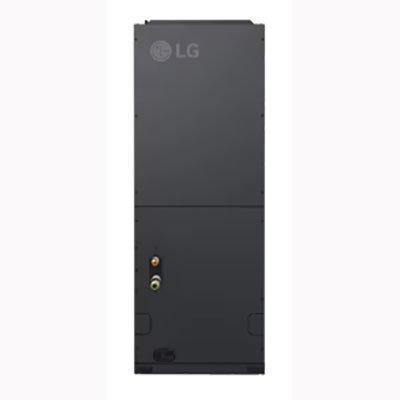

Selecting the correct commercial HVAC size is essential for all businesses. An HVAC system that’s too small won’t efficiently heat or cool the space, while one that’s too large can lead to high energy costs and maintenance issues.
Understanding the factors influencing the correct size can help ensure comfort and efficiency in the commercial space.
Factors Influencing Commercial HVAC Size
Users certainly don’t have a limited number of options when shopping for commercial HVAC units. Let’s take a look at some of the most critical factors about sizing one should know:
Square Footage
One primary consideration is the size of the space that needs heating or cooling. Larger areas require more powerful HVAC systems. Knowing the total square footage of the business premises is essential to determining the appropriate system size.
Building Layout
The layout of the building plays a significant role in HVAC sizing. Open-plan spaces may have different requirements than buildings with many rooms and walls. Areas with high ceilings also need systems with different specifications than standard-height rooms.
Insulation Quality
Proper insulation can reduce the heating or cooling needed, affecting the HVAC size required. Buildings with high-quality insulation keep the temperature more stable, making them more energy-efficient and reducing the load on the HVAC system.
Local Climate
The climate in the area significantly impacts the HVAC size. In regions with extreme temperatures, businesses will need systems that can handle intense heat or cold. This factor ensures that the HVAC system can maintain comfort throughout the year.
Calculating The Correct Size
Dialing in the proper sizing of the heating and cooling systems doesn’t have to be complicated. Let’s look at some ways to simplify the process:
BTUs and Tonnage
HVAC systems are often measured in BTUs (British Thermal Units) or tons. A ton of cooling is equivalent to 12,000 BTUs. Understanding these measurements helps in selecting the appropriate system size. For example, a small office might need a system with a few tons of cooling, while a large commercial space might require a much larger capacity.
Load Calculation
Work with professionals to calculate load to determine the right commercial HVAC size. This involves assessing various factors, such as the number of occupants, lighting, equipment heat output, and other elements that affect the internal temperature.
Pros of Correct HVAC Sizing
While there are several advantages associated with installing an appropriately sized system, there are two that stand out:
Energy Efficiency
A proper commercial HVAC size operates efficiently, using less energy and lowering utility bills. This efficiency is crucial for business budgets, allowing funds to be allocated to other essential areas.
Comfort And Productivity
Maintaining a comfortable indoor environment is vital for employee productivity and customer satisfaction. An appropriately sized system ensures consistent temperatures and good air quality, creating a pleasant atmosphere.
Cons of Incorrect Commercial HVAC Size
Knowing the advantages of a properly sized and installed HVAC system is helpful, but knowing the many issues and problems associated with improperly sized units highlights the importance of making the right decision for the facility:
Higher Costs
An oversized HVAC system leads to higher initial costs and increased energy bills due to frequent cycling. Conversely, an undersized system can result in higher maintenance costs and a shorter lifespan due to overuse.
Consider a large healthcare building with multiple rooms and high ceilings. An oversized system might lead to high energy costs and maintenance issues, while an undersized system might not effectively maintain the desired temperature. Frequent cycling of an oversized system increases wear and tear, leading to more frequent repairs and higher operational costs.
Inconsistent Temperatures
Incorrectly sized systems can cause hot and cold spots within the building, leading to discomfort and potential issues with humidity levels.
Imagine a small office space with 10 employees. Choosing a system that’s too small could lead to overheating in summer and chilly conditions in winter, affecting employee comfort and productivity. Employees might experience varying temperatures throughout the day, leading to discomfort and decreased productivity.
Reduced Lifespan
Both undersized and oversized systems can suffer from a reduced lifespan. An undersized system works harder and longer, leading to quicker wear and tear. An oversized system, while cycling frequently, can also suffer from increased mechanical stress.
In a large industrial facility, an undersized system may work continuously to meet the cooling demands. This overuse can cause the system to break down more often, leading to frequent repairs and potential replacement costs much earlier than expected.
Business Considerations
It’s critical to factor in many essential heating and air conditioning sizing considerations to ensure one makes the best decision for their business. Here are some of the most vital factors:
Budget Constraints
Budget is a crucial factor when selecting an HVAC system. While it’s tempting to go for a cheaper, smaller system, the long-term costs of an undersized unit can far outweigh the initial savings. Conversely, an oversized unit will have higher upfront costs and increased energy bills. Balancing costs with the right size is essential for long-term financial health.
Future Expansion
Consider the future needs of the business. If users plan to expand the space or add more employees, opting for a slightly larger system might be wise. However, this should be carefully calculated to avoid the pitfalls of an oversized unit.
Energy Efficiency Ratings
When selecting an HVAC system, look at its energy efficiency ratings. High-efficiency units might be more expensive upfront but can significantly save energy bills over time. Additionally, they are often more environmentally friendly, aligning with the growing sustainability trend in business operations.
Custom Solutions
Every business is unique, and so are its HVAC needs. Some contractors offer custom solutions tailored to the building’s specific requirements. These bespoke systems can be more efficient and effective, providing better value in the long run.
Professional advice
Always consult with HVAC professionals for an accurate assessment. They use detailed calculations to recommend the best system size based on users’ specific needs.
Investing in the right commercial HVAC size is about immediate comfort and long-term benefits. With the help of ISS Mechanical, users ensure the right system is in place and that they can enjoy a more stable indoor environment, reduced energy costs, and happier, more productive employees.