
Getting a new HVAC system is a significant decision. Installation can be somewhat overwhelming given all the options available, and they need to consider several factors. To help them get started, they’ll address the first crucial step: choosing the right HVAC unit.
Choosing the Right HVAC Unit
When it comes to selecting the right HVAC unit, there are several things they need to take into account.
- Efficiency rating: The efficiency of the unit will determine how much it spends on energy bills. Look for units with high efficiency ratings, as they’re designed to provide optimum heating and cooling while using less energy.
- Heat pump or central AC: Depending on the climate and heating needs, they may opt for a heat pump, which can provide heating and cooling, or a central AC unit, which only provides cooling.
- Size of the building: The size of the building will dictate the type of HVAC system they need. While split systems might work for smaller spaces, larger buildings may require packaged systems.
- Cost: The HVAC system cost varies depending on the type and model they choose. Be sure to compare quotes and consider the long-term running costs.
Don’t overlook the importance of reviews too. Consumer reviews and HVAC specialists can provide valuable insights into the pros and cons of different models.
The Installation Process
Proper HVAC installation contributes to the longevity and efficiency of the system. Typically, the process involves five main stages:
- First, the HVAC pro will evaluate the current system and recommend the best replacement if needed.
- Next, the old system is dismantled and removed for the new installation.
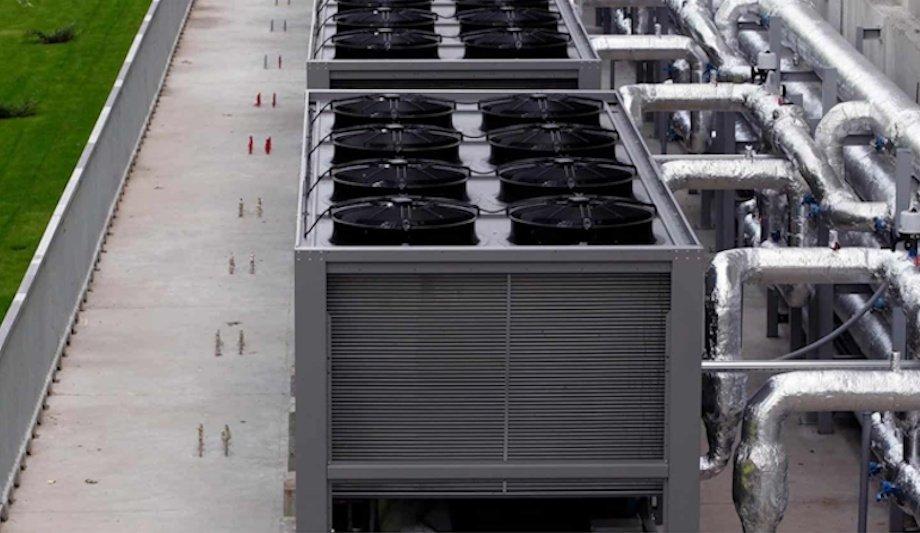
- The HVAC tech installs the outdoor unit (usually a heat pump or central air conditioner), which removes heat from the business.
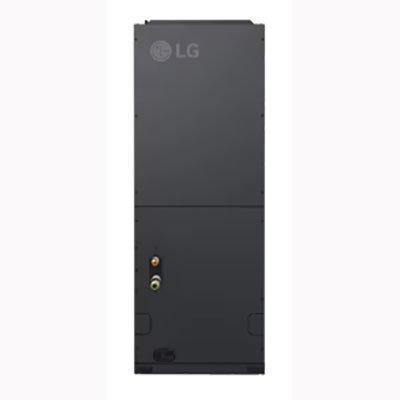
- The indoor unit, such as an air exchanger or air handler, gets installed next. This element controls the air inside the building, ensuring proper circulation and filtration.
- Finally, the HVAC specialist connects the indoor and outdoor systems, checks for adequate refrigerant levels, and tests the system to ensure it’s running correctly.
After installation, the HVAC professional should take care of some post-installation procedures.
Post-Installation Procedures and Checks
Improperly installed HVAC systems can lead to increased energy bills and subpar indoor air quality
After the new HVAC system is installed, several checks are necessary to make sure it’s functioning correctly.
This includes inspecting ductwork for leaks, testing system controls, and measuring airflow. Improperly installed HVAC systems can lead to increased energy bills and subpar indoor air quality.
Maintaining and Repairing the HVAC System
Regular maintenance of the HVAC system extends its lifespan, improves efficiency, and prevents costly repairs. So, let’s explore how often they should schedule maintenance and when to consider repairs or replacements.
Scheduling Regular HVAC Maintenance
Professional maintenance is a great way to keep things running like they should. Skilled HVAC techs should service the system at least once a year.
They’ll carry out comprehensive checks and repairs so the system operates at peak performance. Regular maintenance can pre-emptively identify problems, but how do they know when it’s time for a repair or a replacement?
When to Repair or Replace the HVAC System
Be on the lookout for erratic performance, high energy bills, or uncomfortable indoor temperatures
The decision to repair or replace the HVAC system depends on several factors. Age, energy efficiency, and repair costs all play critical roles. As a rule of thumb, if the system is over 10 years old and frequently breaking down, a replacement might be more cost-effective.
However, if the unit is newer and the repairs are minor, fixing the problem is often the better choice. Be on the lookout for erratic performance, high energy bills, or uncomfortable indoor temperatures. These are clear indications that the system needs attention, and consulting with an HVAC specialist for a risk assessment will guide them on the best course of action.
Replacing an HVAC System
There comes a time when every heating, ventilation, and air conditioning system requires replacement. Knowing when it’s the right time to replace the HVAC can optimize comfort and cost savings. Selecting a suitable replacement system is also crucial.
When to Consider HVAC Replacement
An HVAC system typically lasts 15–20 years, though units can fail sooner or keep running longer. There are several telltale signs the HVAC is ready for replacement:
- Frequent repairs and rising maintenance costs
- Inability to maintain comfortable indoor temperatures
- Spikes in energy bills despite normal usage
- Loud, strange noises from vents or unit
- Visible damage like rust or cracks
Refrigerant leaks
Efficiency and capacity tend to decline with age, and repairs get harder as parts wear out
If the HVAC system is over 15 years old, it may be wise to replace it as a precaution, even if they aren’t yet experiencing issues. Efficiency and capacity tend to decline with age, and repairs get harder as parts wear out.
Upgrading before the HVAC fails allows them to swap it at their convenience rather than requiring emergency replacement at a high cost when it inevitably breaks down.
Choosing a Replacement HVAC System
Selecting the right replacement HVAC system involves weighing factors like:
- Building size and layout: Systems need to accommodate the space and ideal temperature of the building.
- Local climate: Heat pumps work well in temperate climates, while hot/cold regions need robust AC and heating.
- Efficiency rating: Upgrading to an ENERGY STAR-certified system can yield substantial energy savings.
- Features: Consider smart connectivity, multi-stage performance, humidity control, and more.
- Warranties: Aim for 10–15 years of coverage on the compressor and five years on parts.
An HVAC professional can assess the building and provide system recommendations for the situation. Getting multiple quotes also helps them find an ideal balance of performance, features, and fair pricing.