
Breathing in clean air is essential for health. Unfortunately, the air inside the homes can be more polluted than outdoor air. Poor indoor air quality can be caused by a variety of factors, including dust mites, mold, pet dander, and chemicals.
In this blog post, Atomatic Mechanical Services discusses some of the common causes of indoor air quality problems as well as solutions to improve indoor air quality in the home.
Common Causes of Poor Indoor Air Quality
Dust Mites
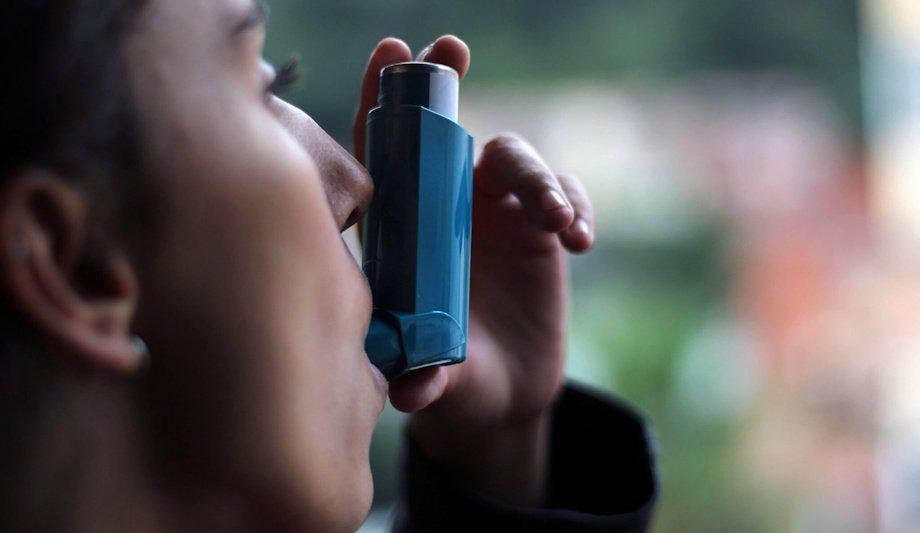
Dust mites are microscopic bugs that live in the dust in the home and feed off dead skin cells. They are one of the most common causes of poor indoor air quality and can trigger allergies and asthma attacks.
Mold
Mold spores are everywhere—in soil, on plants, in food—but they can also form indoors when moisture accumulates from condensation or leaks from plumbing or appliances.
They can release spores into the air, which can cause allergic reactions and respiratory problems in people who are sensitive to them. Mold growth can cause symptoms such as itchy eyes and throat irritation, and make the house smell musty.
Pet Dander
Pet dander is tiny particles of skin shed by cats and dogs that become airborne when disturbed by vacuuming or simply walking around the home. These particles contain proteins that can trigger allergic reactions in people sensitive to them.
Poor Ventilation
One of the most common causes of polluted air indoors is poor ventilation. Ventilation is the process of exchanging air between the indoor space and the outdoors.
If a space is not properly ventilated, pollutants can build up to dangerous levels. Opening windows once in a while can help with ventilation, or investing in a mechanical ventilation system can also combat poor air quality.
Cigarette Smoke
Cigarette smoke is one of the most common indoor air pollutants. Cigarette smoke contains over 4,000 chemicals, including more than 70 that are known to cause cancer.
Exposure to cigarette smoke can lead to a variety of health problems, including respiratory infections, asthma, and cancer.
Volatile Organic Compounds
Volatile organic compounds (VOCs) are chemicals that are released into the air from a variety of sources, including cleaning products, paint, building materials, and office equipment.
VOCs can cause a variety of health problems, including headaches, dizziness, and nausea. Additionally, long-term exposure to certain VOCs has been linked to cancer.
Radon
Radon is a radioactive gas that is produced by the breakdown of uranium in soil and rock. It can enter homes through cracks in the foundation or other openings and build up to dangerous levels.
Radon exposure has been linked to lung cancer, so it is important to have the home tested for radon if they live in an area where it is present in the environment.
Tools to Improve Air Quality in the Home
Air cleaners remove particle pollutants such as dust mites, pet dander, and more to minimize allergy and asthma
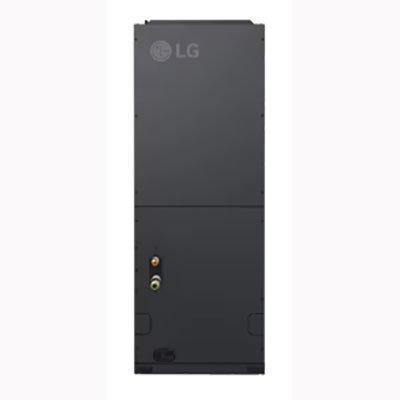
Cleaner indoor air isn’t difficult to achieve. With comprehensive HVAC system solutions—like whole-home dehumidifiers and air cleaners—they can take charge of the comfort levels while creating a safer and healthier living space. This doesn’t mean they’ll have to start wearing a mask daily, either.
These tools connect to the current HVAC system, so they help improve the air quality within the entire home, not just in certain rooms. They are also easy to maintain and they might even add value to the home when it comes time to sell.
Whole-home dehumidifiers help homeowners remove moisture from the indoor air supply and avoid problems with mold growth. Air cleaners remove particle pollutants such as dust mites, pet dander, and more to minimize allergy and asthma symptoms. These measures provide effortless solutions that keep both airborne irritants and moisture under control, so they can count on breathing easily both day and night.
Control Indoor Air Pollutants at Home
Poor indoor air quality is a serious concern for many homeowners due to its potential health effects, including allergies and breathing problems.
The good news is that there are tools they can use to remove contaminants and control moisture levels indoors.