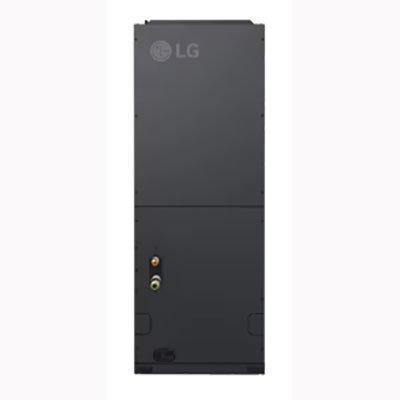

Evaluating the HVAC service contract may seem burdensome, filled with complex terms that can be difficult to understand. However, its importance cannot be understated.
Understanding the HVAC contract could verify cost efficiency and value for money, allow for fair comparisons among different service providers, and more.
HVAC Service Contract
An HVAC service program often plans out maintenance activities for over a year
When users sign an HVAC service contract, they are entering an agreement to maintain and repair the HVAC system. Knowing what is included and what isn’t can save them time and money. For example, the contract might consist of preventative maintenance visits but not cover parts replaced during repairs.
An HVAC service program often plans out maintenance activities for over a year. For instance, check the air conditioner before summer and the heat pump before winter. The HVAC maintenance plan ensures the system runs efficiently throughout its service life.
Free HVAC service contract templates can provide a starting point, highlighting standard terms and services most contracts cover. Yet, it’s crucial to customize these templates to match the specific HVAC maintenance program needs.
Features of The HVAC Service Contract
The HVAC contract should always include a direct phone number for the HVAC company
Several key elements in any service contract demand attention. First, consider the frequency of maintenance visits: Do they match the system’s needs? Next, look at the scope of maintenance services: Will they adequately address the air conditioner and heat pump?
It’s equally as important to understand the payment terms. Many HVAC maintenance agreements lay out financial obligations, including what is due upfront and if there are any monthly or yearly fees. Make sure these terms fit within the HVAC budget.
Lastly, pay close attention to the contact information. The HVAC contract should always include a direct phone number for the HVAC company. This ensures users can quickly contact them in case of an emergency or for any queries regarding the HVAC system.
Reasons to Evaluate The HVAC Service Contract
Evaluating the HVAC service contract ensures the best possible service and value. Regular review could reveal opportunities for savings or highlight areas where the contract could be improved to better meet the needs. Let’s explore some of these reasons in greater detail:
Ensuring Quality of Service
Quality of service is paramount. Not all HVAC companies provide the same level of care, so it’s essential to review the contract and confirm that it stipulates the expected quality of service, including the qualifications of the HVAC contractor deployed to the facility. Reading reviews and getting free estimates from different HVAC companies can give users a benchmark for what quality of service to expect and at what cost.
Comparing Service Quality With Other Providers
Comparing the provider’s service quality with others is essential. This doesn’t just mean their HVAC maintenance plan, but also their responsiveness, professionalism, and ease of scheduling a maintenance visit or repair. Exploring options can lead users to better service agreements or highlight the value of the existing arrangement by confirming the provider’s service is top-notch.
Assessing Performance Metrics
Performance metrics in HVAC contracts can include response times for repairs, maintenance completion rates, and equipment efficiency improvements. By evaluating these metrics, users can gauge the effectiveness of the HVAC maintenance program. If the metrics are not meeting the expectations, discuss this with the HVAC contractor to identify areas for improvement or consider exploring other providers.
Verifying Cost Efficiency and Value for Money
It’s wise to regularly ensure that the HVAC service agreement offers good value. If the cost of the maintenance program seems high, get quotes from other providers to compare rates. Check if the current contract includes benefits like discounted repairs, which can provide additional savings. If the savings numbers in the contract don’t match up with the actual expenses, it may be time to negotiate better terms or consider switching providers.
Determines Flexibility of Contract Changes
A versatile HVAC service contract can adapt to changing needs. For instance, if users upgrade the system, they will want a contract that can be adjusted to cover the new equipment without extensive fees or penalties. Reviewing the agreement periodically ensures that it remains effective as circumstances change, such as alterations to the facility’s layout or HVAC system.
Ensuring Scope of Coverage
The HVAC contract should comprehensively cover all necessary parts and services for the systems. This includes preventative maintenance for heating and cooling units, repairs, and emergency services. Assess whether the contract adequately covers the system’s needs. If not, it may be time to renegotiate the terms or seek a new provider to offer a more fitting maintenance plan.
Contract Duration and Renewal Terms
Understanding the duration and renewal terms of the contract is crucial. Some contracts auto-renew, which might not be in favor if user is unhappy with the service or find a better offer elsewhere. Ensure one knows how and when to terminate the contract or negotiate its terms. This flexibility can be vital for controlling the HVAC maintenance expenses and service quality.
Changing The HVAC Service Contract
Signing an HVAC service contract with a different provider may be necessary if users encounter any of the following signs:
- Poor Service Quality: If users consistently experience subpar service, such as unresolved issues, recurring breakdowns, or sloppy workmanship, it may be time to consider a new provider who can deliver higher-quality service and results.
- Limited Service Offerings: If the current provider offers limited services or fails to address all the HVAC needs, such as preventive maintenance, emergency repairs, system upgrades, or energy efficiency improvements, it may be beneficial to switch to a provider with a more comprehensive service offering.
- Inflexible Contract Terms: If the current contract has inflexible terms, such as long lock-in periods, restrictive cancellation policies, or insufficient coverage for the facility’s needs, users may want to explore options with more flexible and customizable contract terms.
- Unresponsive Customer Support: If users encounter difficulties reaching the provider or receiving timely responses to inquiries, emergencies, or service requests, it indicates poor customer support and may warrant switching to a provider with better responsiveness and communication.
- High Costs With Low Value: If users are paying high fees for the current HVAC service contract but receiving little value in return, such as inadequate maintenance, frequent repairs, or unexpected additional charges, it may be worthwhile to seek out a more cost-effective and transparent provider.
- Changes in Business Needs: If the facility’s HVAC requirements evolve or expand, such as through renovations, expansions, or changes in occupancy, users may need a provider who can adapt to these changes and offer tailored solutions to meet their evolving needs.
By recognizing these signs and assessing the current provider’s performance, users can make an informed decision about whether it’s time to switch to a new HVAC service contract provider that better aligns with the facility’s needs and priorities—that’s where ISS Mechanical’s skills and reputation can help.
HVAC Service Contract With ISS Mechanical
Establishing an HVAC service contract with ISS Mechanical is a strategic decision for those seeking unparalleled expertise and comprehensive support for their HVAC systems.
Their team of seasoned experts brings a wealth of experience and a commitment to excellence to every project, ensuring thoroughness and skill in every aspect of maintenance and service.
By partnering with ISS Mechanical, clients gain access to a dedicated team that not only conducts meticulous inspections and maintenance but also offers tailored assistance to meet their specific HVAC system needs.