
Electric heat pumps use much less energy than furnaces, and can cool houses too – here’s how they work: Most heating systems in the U.S. use forced-air furnaces that run on natural gas or electricity, or in some cases, heating oil. To heat the building, the systems burn fuel or use electricity to heat up air, and then blow the warm air through ducts into individual rooms.
A heat pump works more like a refrigerator, which extracts energy from the air inside the fridge and dumps that energy into the room, leaving the inside cooler. To heat a building, a heat pump extracts energy from outdoor air or from the ground and converts it to heat for the house.
Heat pump’s outdoor unit
Extremely cold fluid circulates through coils of tubing in the heat pump’s outdoor unit
Here’s how it works: Extremely cold fluid circulates through coils of tubing in the heat pump’s outdoor unit. That fluid absorbs energy in the form of heat from the surrounding air, which is warmer than the fluid. The fluid vaporizes and then circulates into a compressor. Compressing any gas heats it up, so this process generates heat. Then the vapor moves through coils of tubing in the indoor unit of the heat pump, heating the building.
In summer, the heat pump runs in reverse and takes energy from the room and moves that heat outdoors, even though it’s hotter outside – basically, functioning like a bigger version of a refrigerator.
What are the Components of a Heat Pump?
Different components make up a heat pump, and it is important to know all of them before they can understand how a heat pump works.
- Major Components: The major components of a heat pump include.
- Outdoor Unit: The outdoor unit is made up of a coil and fan that work together to kick-start the exchange of heat. The fan blows air on the coil, which can double as a condenser and an evaporator.
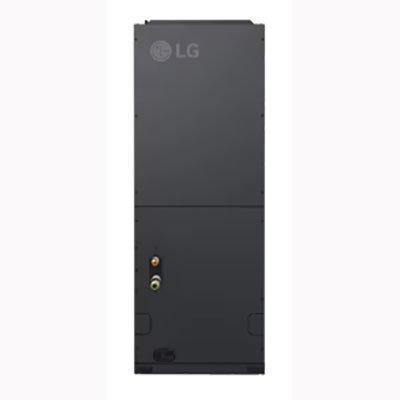
- Indoor Unit: The indoor unit is also called the air handler unit. This unit also contains a fan and a coil, and the function requires the components to get the air moving across the ducts throughout the home.
- Minor Components: There are multiple minor components of a heat pump. Here are some of them.
- Refrigerant: This substance absorbs the heat or rejects it when the heat circulates in the heat pump system.
- Compressor: The refrigerant needs a compressor that can pressurize it to move along the system.
- Reversing Valve: As the name suggests, this component reverses the refrigerant and helps the system switch between two options, heating and cooling.
- Expansion Valve: The expansion valve regulates the refrigerant and reduces its pressure and temperature. This valve is also known as a metering device.
How Does A Heat Pump Work?
The heat pump works in two different modes. Each mode has a different function; here is how it works in both modes.
Cooling Mode
The air that is inside the house gets blown on the coils, and the refrigerant absorbs all the heat energy
In the cooling mode, the liquid refrigerant makes use of the expansion device, which is located in the indoor coil and is pumped. The air that is inside the house gets blown on the coils, and the refrigerant absorbs all the heat energy. After the refrigerant absorbs the heat, it heats up and transforms into gas, and the gas goes into the compressor, which pressurizes it.
The gas gets heated and moves towards the coil located in the outdoor unit. This is where the fan moves the air from outside across the condenser coils (cooling mode). This allows the heat to transfer to the outside air, and the refrigerant converts back to liquid. The refrigerant is then pumped to the expansion valve in the indoor unit.
The expansion valve reduces pressure from the warm liquid. Once the refrigerant is completely cool, it is again pumped into the indoor unit so that it can cycle again.
Heating Mode
Typically, the heating pump works similarly in the heating mode as it does in the cooling mode. However, in this mode, the flow of the refrigerant is reversed. When the refrigerant flow is reversed, the heating source is used as the outside air, and that heat energy comes from inside the house.
In this case, the outside coil is used as an evaporator, and the indoor coil is used as a condenser. Other than this, the rest of the process is the same, and the cycle goes on, heating up the entire place.
A heat pump is a magnificent device that can help with effective heating and cooling. Its versatility makes it a great option for many as they can use it to heat and cool a place.
How do they Maintain Heat Pumps?
They must clean the fans and coils as they are most likely to gather dirt and other debris
Many people are inclined towards using heat pumps, but it is very important to know how one must ensure optimal functionality of heat pumps by maintaining them. If they are using the heat pump on a daily basis, then they must change the air filter at least once a month. If they do not use the heat pump that frequently, they can go on for months before they have to change the air filter.
In addition, they must also make sure that the device is as clean as possible. They must clean the fans and coils as they are most likely to gather dirt and other debris. There are several different problems they can face with the heat pump. That includes duct issues, noises, and other concerns. This is why it is a better idea to address the heat pump concerns as soon as they can.
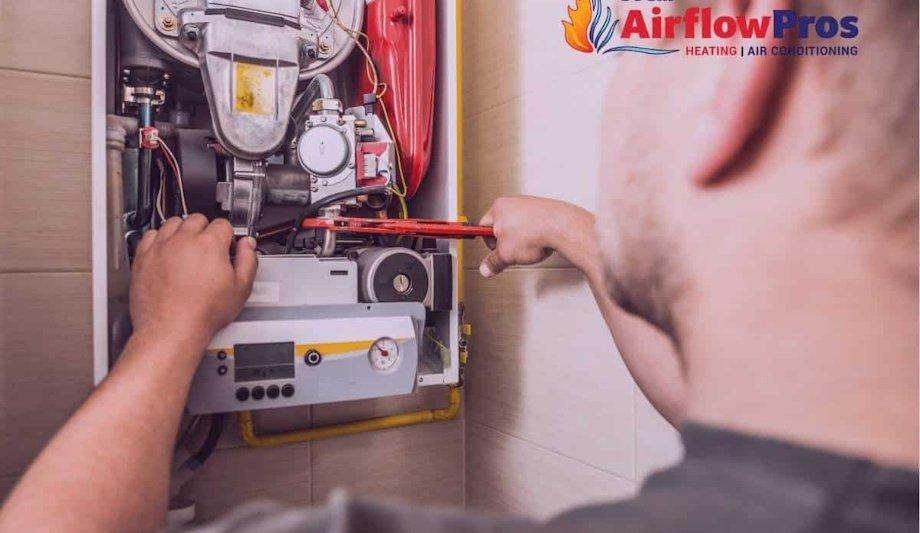
Heat pumps require regular maintenance, and for that, they can reach out to an expert specializing in heating and cooling systems as they will be able to help them in the best way. Make sure that they get timely help with the heat pump so that there is no additional damage. A good expert will be able to identify the issue and give them the best service to fix it.
Bottom Line
There are lots of experts out there who claim to be the best at what they do, but they need to be very cautious when asking for their help. Do they research and go for an expert who will provide them with guaranteed services. Take the time to make a decision and get a quote from different experts so that they can choose the best one possible.
Always go for a company that has experienced professionals and has good reviews from many customers. These experts can help them with all their maintenance concerns regarding the heat pump and will also install it for them.