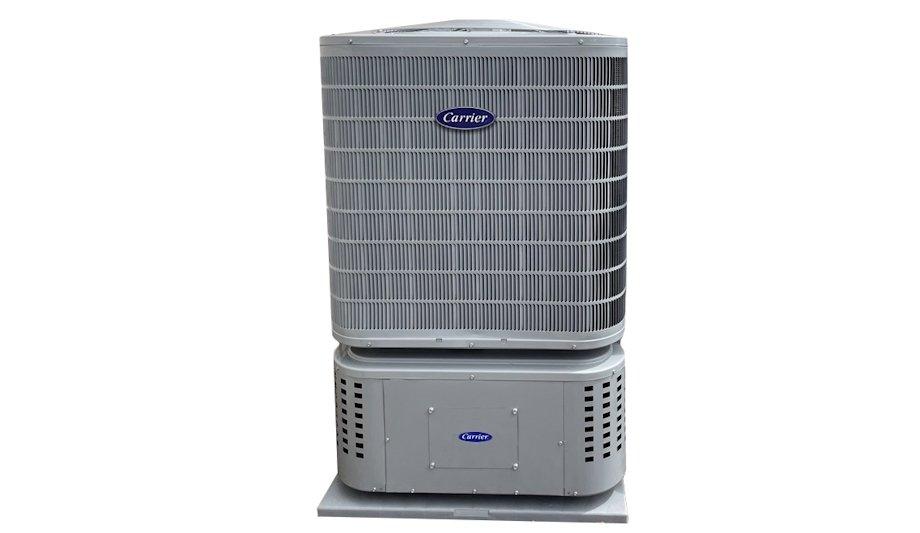

Carrier Launches its Largest-Ever Field Trial of Battery-Enabled HVAC Systems to Support a Smarter, More Resilient Energy Future
With the grid facing rising demand, aging infrastructure, increase of renewables and record-breaking heat across the U.S., Carrier has launched the largest field trial in its 123-year history to test battery-enabled HVAC systems that can store and shift power when and where the grid needs it most.
With data delivered from EPRI, the trials — now underway with select homeowners in diverse U.S. climates — are a critical step in evaluating Carrier’s next-generation Home Energy Management System (HEMS).
Active grid resource
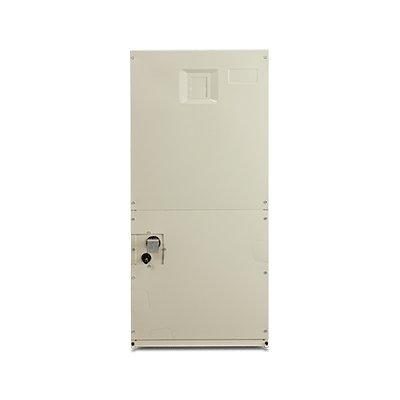
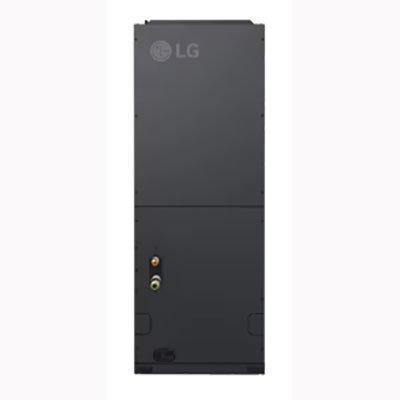
By pairing more efficient variable speed heat pumps with battery storage, the technology is designed to transform a home’s HVAC system from a passive energy consumer into an active grid resource capable of:
- Shifting HVAC energy use from peak to off-peak periods by storing power while energy demand is low and using it when demand increases for optimized energy orchestration on the grid.
- Maintaining cooling comfort during peak demand in tested conditions
- Supporting renewable integration by aligning and optimizing charging of the battery during periods when renewables are more available
- Providing flexible load capacity to help utilities meet demand response needs and help defer costly infrastructure upgrades
emissions reduction potential
Carrier is collaborating with multiple utilities and EPRI, an independent, non-profit energy R&D institute
Carrier is collaborating with multiple utilities and EPRI, an independent, non-profit energy R&D institute, to measure real-world load shifting, demand response, and emissions reduction potential.
Based on modeling and analysis published in Carrier’s July 2025 white paper, the company’s residential footprint of more than 30 million HVAC units represents ~100 GW of potential flexible load — equivalent to more than 10% of total U.S. peak demand — which could help utilities defer costly infrastructure upgrades and support renewable integration.
Energy transition
“This field trial isn’t just a milestone—it’s proof that Carrier is helping lead the energy transition,” said Hakan Yilmaz, Carrier’s Chief Technology & Sustainability Officer and leader of the new Carrier Energy business. “With data to be validated by EPRI, we’re proving that smart, sustainable home energy solutions are not a future concept—they’re happening now.”
Hakan is available for interviews to discuss the field trials, the role of battery-enabled HVAC in aggregated virtual power plants, and how Carrier is working to advance distributed energy solutions that benefit both customers and the grid.