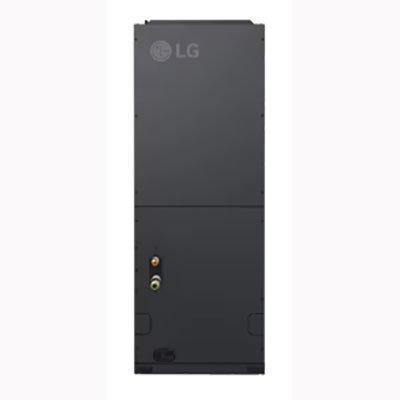
Homeowners all across the country have been switching from traditional heating systems to heat pumps, and for a good reason. Heat pumps are cost-effective, energy-efficient, and can even be used as both air conditioners and heating systems. Instead of burning fuel to create heat, a heat pump pulls the naturally occurring heat and uses it to heat an environment.
However, customers often wonder how a heat pump can pull warm air in from outside during the winter. Atomatic Mechanical Services wanted to provide the answer so they can learn more about the home heating and cooling system. As well as why making the switch from a furnace to a heat pump may be for them.
How Heat Pumps Work in the Winter
Heat pumps use refrigerant to absorb heat from the outside air and circulate it back into the building
The best way to understand how a heat pump can operate in winter is to know precisely how heat pumps work. Below is a breakdown of how a heat pump operates in the winter.
It is hard to imagine a heat pump pulling enough heat outside in the winter to warm a building, but it can. Heat pumps use refrigerant to absorb heat from the outside air and circulate it back into the building. Surprisingly, a heat pump can pull heat from the outside air even when the temperature is 20 degrees or below.
Resistance heating
Air from outside is pushed over an evaporator coil to transfer heat energy from the air to the refrigerant. The refrigerant circulates the heat energy to the condenser coil, and the heat energy is released as the fan blows the air over the coil. The system then pumps the heated air from one area to another in the home.
Heat pumps can absorb heat at low temperatures and come with resistance heating that kicks in once
Heat pumps can absorb heat at very low temperatures and come with resistance heating that kicks in once the outside temperatures drop below freezing.
Resistance heating helps the heat pump maintain indoor temperatures when the heat pump loses efficiency. At this point, the system acts as a heating system and uses electric heat coils to more efficiently heat the home or business.
Heat Pumps vs. Furnaces
Heat pumps are preferred by home and building owners over traditional furnaces for several reasons, including:
Furnaces Cost More to Use Than a Heat Pump
Furnaces generate heat to warm a building. A large amount of fuel is used to create the heat needed. A heat pump system does not generate heat; instead, it simply uses just enough electricity to circulate the refrigerant in the heat pump through the pressurized lines. This means this equipment uses much less energy, saving them money on energy bills.
Heat Pumps Require Less Space
Furnaces are installed inside a house or building. Besides the size of the furnace, building codes require a substantial amount of space around it, adding to the amount of space it takes up. The main part of the heat pump remains outside the home, and the indoor air handler does not generate or use fuel, negating the need for wide clearance zones.
Furnaces Are More Expensive to Install
This characteristic may confuse some because when looking at the unit prices of a furnace and heat pump, the furnace may come in at a lower price. When considering the entire process of purchasing and installing the units and the hours needed for the installation, the heat pump is often less expensive. Also, a heat pump can replace a furnace and an air conditioner, with the additional unit, furthering the money saved.
Distribution of Heat
Heat pumps more evenly distribute heat throughout a home or building. A furnace has a single heat generation point, and a heat pump has multiple heat generation points. The furnace has to pump all of the heat from one point through ducts, while the heat pump unit can either use those ducts or instead use several indoor air handlers, allowing a more even flow of heat.
When it comes to efficiency and bottom-line price, heat pumps make a great way to heat a home or building. Because the heat pump does not burn fuel, it also requires less space for installation.