Safety standards - Expert Commentary

As HVAC professionals know, the heating and cooling industry is undergoing a transition from refrigerants like R-410A to low global warming potential (GWP), or A2L, refrigerants such as R-454B. When preparing customers for the changes that the refrigerant shift brings, contractors can stay ahead of the learning curve by investing in staff training, purchasing necessary new tools for their HVAC technicians, and educating their residential and commercial customers about the impacts. As the indus...

Heating, ventilation, and air conditioning (HVAC) systems aren’t just essential to controlling temperatures and air quality inside buildings — they could contribute towards massive global savings. An ‘Efficient cooling scenario’ proposed by the International Energy Agency (IEA) suggests that doubling the energy efficiency of air conditioning could reduce investment and running costs in these systems by nearly $3 trillion by 2050. Here, Chris Johnson, Managing Direct...

This year’s Clean Air Day falls on Friday the 19th June. In its eighth year, Clean Air Day has become the UK’s largest campaign dedicated to raising awareness of air pollution and its impacts on health and the environment. It also encourages individuals and organizations to take practical steps to reduce pollution and protect public health, both inside and outside buildings. Air quality should be a concern for everyone, but certain sections of society are disproportionally imp...

As demand continues to grow for sustainable, energy-efficient solutions in refrigeration and heating, both Europe and North America are navigating a rapid transition toward natural refrigerants. There is a strong demand for new CO2 systems, including heat pumps and various other applications. Higher capacity compressors with larger operating envelope, such as Danfoss’ Bock HGX56 CO2 T series, will play a critical role in supporting this growing need. Air to water heat pumps As shown in...

Although energy efficiency continues to be a focus of home renovation, HVAC professionals are sometimes hesitant to work on older homes. The potential costs and complexities of replacing outdated HVAC systems or installing a solution where one doesn’t exist can make them nervous. However, installing all-electric, all-climate heat pumps in homes built decades ago, even a century ago, is an everyday occurrence in the northeastern U.S. Heating and cooling systems A sizable portion of Jay...
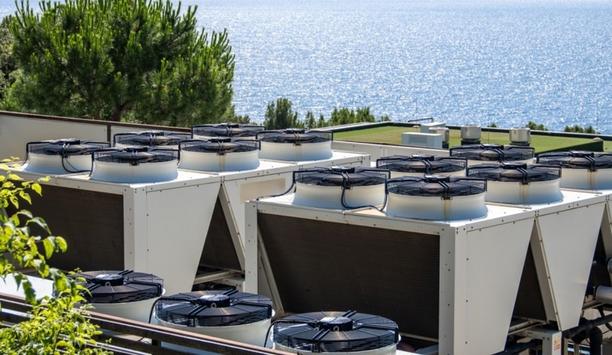
As environmental regulations become increasingly stringent, the HVAC/R industry is turning to sustainable refrigerants to minimize environmental impact. A3 refrigerants—flammable gases with low global warming potential (GWP)—are emerging as a preferred choice. However, their adoption introduces additional regulatory requirements. EPA regulations To address these challenges, the industry is leveraging innovative solutions like enhanced small-diameter copper tubes, which enable com...

For warehouse and factory owners, cutting their heat energy bills by over 90% might seem like a pipedream. I’ve been in enough warehouses to know one thing: heating them is expensive and frustrating. It often feels like throwing money into the wind. However, times are changing, and with the introduction of Shortwave Infrared (SWI), a revolutionary technology set to redefine warehouse heating, business owners can finally achieve energy savings on the scale they need. Shortwave Infra...
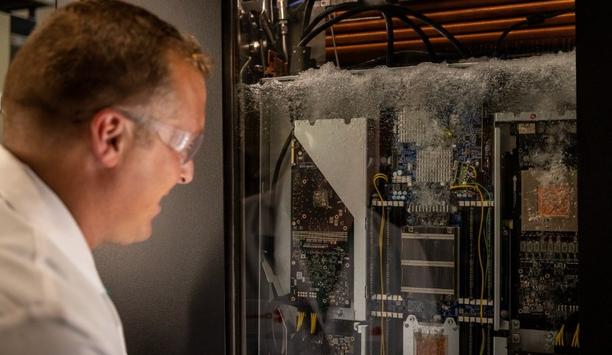
Data centers worldwide are under intense pressure. High-powered computing is a global necessity that seemingly gets more demanding by the day. There’s also the need to prioritize sustainability improvements ranging from resource conservation to decarbonization. And data centers must consider their bottom line and remain competitive. Anticipating the challenges data centers will continue to face, scientists and engineers have innovated two-phase (2-PIC) immersion cooling. With the capacit...

The HVAC market is forecasted to grow at a projected compound annual growth rate (CAGR) of 3.9%, with a prediction to reach $370 billion by 2030. But in reality, the HVAC and plumbing industry is changing rapidly, with operators facing new challenges like never before. Whether it’s rising costs, the uncertain economy, increasing competition, or the workforce shortage, there’s no doubt the HVAC and plumbing market is evolving. So how do you adapt? That’s the key question. My t...

By now, most of the HVACR industry is familiar with the HFC phasedown portion of the U.S. EPA American Innovation and Manufacturing (AIM) Act that was signed in 2020 and finalized in 2021. The first phasedowns started Jan. 1, 2020, with a 10% reduction in HFC refrigerant production, importation, and consumption, and was followed by an additional 30% reduction that began Jan. 1, 2024. As these regulations work to achieve a total 85% HFC phasedown from historic baseline levels by 2036, Tech...

I remember Dr. Dave Bowman from Kubrick's "2001: A Space Odyssey" commanding HAL 9000 to open the pod bay doors, and HAL chillingly responds, "I'm sorry, Dave. I'm afraid I can't do that." Fortunately, unlike the fictional HAL," ChatGPT and other GenAI tools remain compliant and helpful, far from refusing commands or leaving us stranded in space. In the rapidly evolving landscape of technology, artificial intelligence (AI) should play a pivotal role in transforming various aspects of our dai...

Peter Van Den Heede, Head of Sales and Marketing, Benelux, ABB Motion, explains how electrification systems are paving the way for sustainable urban landscapes. As the fight against climate change intensifies, the European Union has set crystal clear targets on the path to Net Zero. If we are to meet the EU’s ambitious goals of a 55 percent reduction in greenhouse gas emissions by 2030, and complete climate neutrality by 2050, then we need to find ever-smarter ways to save energy.&n...
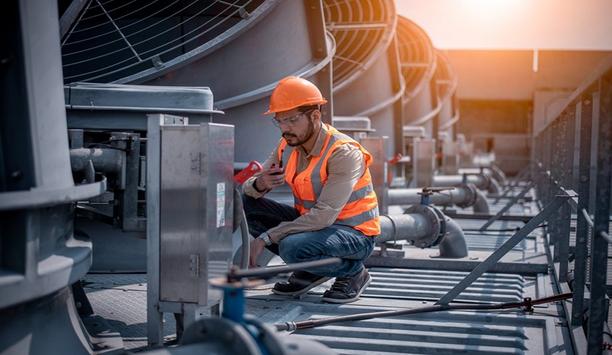
Nothing is immune to entropy. As buildings age, they suffer natural breakdowns in efficiency, performance, and useability, compromising occupant comfort and leading to higher energy bills. Luckily, they do not have to stay that way. Retro-commissioning brings existing structures up to speed so they can function their best. What Is Commissioning? Commissioning helps buildings operate as the owners intended and ensures staff maintains their equipment and systems. During new construct...
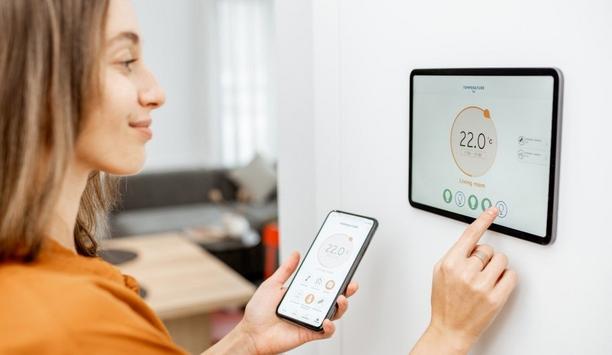
Using air conditioners and electric fans to stay cool accounts for nearly 20% of the total electricity used in buildings around the world, according to a report from the International Energy Agency. hybrid work model As a unique mix of key factors, such as the adoption of the hybrid work model and escalating heatwaves in certain regions of the United States keep people indoors for longer periods, this 20% share represents an increasingly costly line item on household budgets. Those within th...

According to some recent estimates, the cooling industry accounts for approximately 10% of global carbon dioxide (CO2) emissions. To place this in perspective, the transportation sector, as the highest contributor, accounts for approximately 20% of global CO2 emissions. While some may see this as a “glass half empty” scenario, the better approach is the one taken by key players in the HVACR space. As we see it, because the cooling industry has been a source of significant emis...
Energy bills for small businesses have become a major issue throughout 2023. As prices have risen drastically over the last twelve months, SMEs have been relying on the government’s Energy Bill Relief Scheme. Originally set up to support livelihoods, energy bills for businesses in the public sector were capped at £2,500 per year. However, in March, the government support scheme was replaced with the scaled-down Energy Bill Discount Scheme, leaving businesses and public sector organ...

With each passing year, more and more individuals are becoming conscious of the importance of sustainability. As a result, there has been a boom in the electric vehicle (EVs) market. According to the International Energy Agency, the sales of EVs doubled in 2021 with nearly 10% of global car sales being electric. Two million electric vehicles were sold in the first quarter of 2022 alone. It was estimated that 13% of new cars sold in 2022 would be electric. Gas-Powered vehicle For those who cho...

When your HVAC system isn't working correctly, it's often difficult to pinpoint the exact issue. Does your home have hot and cold spots? Do doors randomly close on their own? Is your A/C blowing warm air on a hot summer day? If so, your HVAC might have an uneven airflow. There are many symptoms of uneven airflow and many solutions. Amid the increasing demand for HVAC repair, homeowners need to learn how to keep their home system operating at its best. Understanding the potential causes of unev...
Each day we’re reading headlines about decarbonization ambitions for buildings while challenged with supporting day-to-day operational needs. Yet, we’re still tasked with delivering energy and cost reductions. Given the magnitude of energy consumption and the importance to occupant/tenant comfort, HVAC systems warrant significant attention. There are a lot of options with new equipment and controls to drive energy use down and enhance overall comfort that are very impactful, when bu...

With the UK experiencing increasingly warmer summers and more frequent heatwaves, we’re equally seeing more air conditioning units installed in both commercial and residential spaces. As the demand for air conditioning continues to increase, so too will the demand for copper pipes. Copper is a trusted and reliable material that air conditioning installers have been using for many years and, not only that, it’s also infinitely recyclable – making it a sustainable alternative to...

As COVID-19 becomes endemic and hybrid working becomes the norm, a great deal of time and energy is going into managing a safe return to the office and a move to new styles of working. As hard FM systems are adjusted to suit new workplace expectations and futureproof sites, Johnpaul Pearson, Business Support Director at Anabas, talks about understanding workplaces and using technology to better design and plan a workplace of the future. Even before the COVID-19 pandemic struck, we were witnessi...

Energy consumption continues to be one of the primary contributors to a building’s carbon emissions and its operational costs. Around 40% of this energy is used to power HVAC systems. To improve sustainability and reduce operating costs, it’s in a building owner’s best interest to find ways to make their building’s heating and cooling systems more efficient. Identifying areas that will make the biggest difference starts with knowing which systems consume the most energy...

AI (Artificial Intelligence) is a smart buildings’ biggest ally. Without it, a building could hardly be classed as smart. For building owners and managers, AI is imperative to create a secure and comfortable experience for their occupants every day. What a building platform should do is gather data from various sources from the building management system and other smart technologies, to gather it all in one place. The data should then be fed into a flexible, scalable cloud-based platform...

Even though the COVID-19 pandemic is seemingly drawing to a close, living, working and learning at home is set to continue. Under this new normal, home electricity use is expected to double by 2050. Simultaneously, as climate change devastates communities around the world, we are faced with a moral and economic obligation to cut CO2 emissions from houses. Our goal is to build Net Zero houses and we can't get there fast enough. Fossil fuels use in heating systems Many countries continue to rely...

Seasonal transitions are the perfect time to take inventory and inspect a building’s various systems. We’ve been reminded for years that when we set our clocks back, we should also replace the batteries in our smoke detectors. The same thought process can be applied in support of seasonal preventative maintenance for a building’s HVAC system. Now that the cooling season has passed for a large part of the country, it is time to ensure that HVAC systems have been shut down prope...

I am writing this the day after the Autumn Spending Review, which among many measures, included a huge focus on how the Government wants to ‘level up the country’, creating a new post-pandemic economy, with higher wages and higher skills. Part of this is the £500 million ‘Multiply’ scheme, which aims to increase numeracy and basic mathematics for adults in the United Kingdom via in person tutoring, digital training and flexible courses. Lack of basic skills to acce...

The development of digital technologies in the Heating, Ventilation and Air Conditioning (HVAC) sector has been transformational for the industry, as well as for those who run HVAC systems. While the electrification and digitalization of machines, and assets has made a lot of operations simpler, it has also meant that the collection of machine data has never been more critical. Given that engineers can now view lots of different metrics on a single screen, including things like heating control...

It is now more common to read about cases of Legionnaires’ disease in the media than ever before, with outbreaks regularly being reported in cities around the world, all the time. Many of these cases are attributed to contamination of domestic systems, showers and spas, but some are the result of operating cooling towers. While this problem is not new, with the first reported case in Philadelphia, in 1976, the United Kingdom (UK) has been at the forefront in leading the battle with Legionn...

At the moment, it seems as though a day rarely goes by without low-carbon heating hitting the headlines. Whether it is reports of ‘revamping’ the Clean Heat Grant, to include a ‘boiler scrappage’ scheme, which may offer home owners up to £7000 to make the switch to a low-carbon alternative, to speculation that the Prime Minister is under pressure to push back the 2035 ban on gas boilers, the debate on how and when the low-carbon heating revolution will happen is ong...

In today’s world, we spend almost 90 per cent of our time indoors, in our workplaces, leisure areas and our homes. It is no secret that the built environment has been relatively slow in its embrace of information technology and automation. According to KPMG’s ‘Building a Technology Advantage’ report, fewer than 20 percent of construction and engineering executives, and major-project owners said they are re-thinking their business models, so as to incorporate new technolo...


