Efficiency - Editor's Note

The American Innovation and Manufacturing (AIM) Act is among the environmental initiatives and regulations driving the phasedown in the use of hydrofluorocarbon (HFC) refrigerants in the HVAC industry. The AIM Act’s schedule seeks to phase down HFCs by 85% by 2036. The first significant reduction in consumption and production under the AIM Act began on Jan. 1, 2022, representing a 10% reduction from a baseline value. The next major step begins Jan. 1, 2024, with an additional 30% reductio...

Data centers have been around as long as the Internet, although the introduction of the iPhone in 2007 significantly increased the demand for data centers. When the COVID pandemic required more people to work from home, the impact was to push digital demand to even higher levels. In short, as of 2023, it is a challenge to build data centers fast enough. environmental aspects Thousands of computer servers operating in a data center give off a lot of heat, so cooling is a critical need. A typi...

The 486,805 square feet of exhibit space at AHR Expo 2023 in Atlanta provided clear evidence of how technology innovation in HVAC has accelerated in the last decade. Change and progress were everywhere among the 1,779 exhibitors, including 425 international exhibits. HVAC systems on display New electronic tools, cloud-based solutions, higher efficiency ratings, mini-split systems, new regulations, and new control strategies are driving product development enabling HVAC systems to deliver new s...

In its simplest terms, artificial intelligence (AI) enables machines to mimic the operation of the human brain. Combined with the Internet of Things (IoT), AI currently has a higher profile than ever. In effect, AI is changing how we use information, analyzing massive amounts of data, and improving decision-making. The impact of AI is being felt in many industries and markets, from real-time monitoring of manufacturing processes to analyzing medical data trends to enable early detection of canc...

The building sector is a major player when it comes to lowering greenhouse gas emissions and increasing energy efficiency. High-performance buildings with very low energy consumption are key to addressing the climate and energy crisis. Passive House Standard The Passive House Standard ensures that buildings are designed to be healthy, comfortable, durable, and resilient with very low energy needs. The focus is on making use of “passive” concepts to save energy rather than needing...

From supply chain challenges to decarbonization, from data analytics to maintenance programs, the themes that ranked highest among visitors to HVACinformed.com in 2022 reflected the dominant topics of conversation throughout the industry. As demonstrated by the most-read articles on the site, technology trends and regulatory issues all converged and had a profound impact on the industry in 2022. Timely and important issues in the HVAC marketplace dominate HVACinformed.com‘s list of most-c...

The HVAC market is at an inflection point, in the throes of switching refrigerants to meet regulatory goals, improving energy efficiency to meet more stringent standards, and struggling with supply chain issues. What the industry needs is a new technology at the nexus of environmental issues and energy conservation, enabling the drive away from fossil fuels and toward zero-carbon emissions. Blue Frontier is working to bring such a system to market with a core air conditioning/energy storage tec...

The U.S. Department of Energy (DoE) has challenged manufacturers to accelerate the development of heat pumps that can perform well in colder climates. As part of its Initiative for Better Energy, Emissions, and Equity (E3 Initiative), the DoE’s Residential Cold Climate Heat Pump (CCHP) Technology Challenge seeks to demonstrate performance in the lab and at pilot sites before implementing new technologies in the market. Nominal capacity requirement To meet the DoE CCHP Challenge, a heat...

The looming deadline for HVAC compliance with new U.S. Department of Energy minimum performance requirements could cause disruptions in the construction trade as builders struggle to install existing stock and resolve other ‘logistical issues’ before time runs out. The new performance standards for all newly manufactured residential and commercial air conditioners, heat pumps and gas furnaces will take effect Jan. 1, 2023. Revised testing protocols will also apply. Supply chain di...

California is moving to ban the sale of natural gas furnaces, heaters and water heaters by 2030. It is the first US state to make the move, in order to meet federal ozone standards. In addition to California’s previous efforts to eliminate installation of gas-fueled equipment in new buildings, the new regulation will address the use of gas space heaters and water heaters in existing residential buildings. When it comes time to replace them, building owners will be required to transition...

New tax credits and rebates are poised to infuse billions of dollars into the HVAC marketplace in the United States, making a variety of high-efficiency technologies more affordable for consumers and generating additional revenue in the HVAC market for years to come. clean energy investments A new law provides Americans with access to $370 billion for clean energy investments in the form of tax credits, incentives, and rebates to improve energy efficiency. There is also a tax deduction for own...

High outdoor temperatures are a great indicator of demand for HVAC services, and HVAC companies are feeling the heat as they struggle to meet higher demand for services even as they face unprecedented supply-chain challenges and a critically tight labor market. HVAC contractors across the country agree that demand this summer is higher than ever. The phones are ringing off the hook, and HVAC employees are working long hours just to keep up. Some are working 12-hour days and on the weekend. The...

HVAC systems account for around 46% of the average U.S. home’s energy consumption. As big users of electricity, air conditioning (AC) systems this summer face continuing concerns about an adequate supply of electricity and the reliability of the U.S. electrical grid. According to a report from the North American Electric Reliability Corporation (NERC), large parts of the country are at either ‘high’ or ‘elevated’ risk of electricity shortfalls this summer. Notably,...

Demand for HVAC services spiked during the coronavirus (COVID-19) pandemic. Low interest rates, government stimulus checks and a greater emphasis on home improvement (because more people were spending time at home) drove new business for HVAC companies. However, labor shortages limited companies’ ability to meet the demand. In some cases, money was left on the table. There was another impact of the pandemic on industry labor trends: HVAC contractors kept working, even when much of the eco...

A $500 million grant program seeks to upgrade the infrastructure of U.S. schools, including improving HVAC systems. Many schools rely on outdated HVAC systems that make classrooms less comfortable and may pose health risks. The U.S. Department of Energy (DOE) is launching the grant program to lower energy costs, improve air quality and prioritize schools most in need. Addressing school infrastructure needs An influx of federal money to help schools update their HVAC systems is an opportunity...

Some 38% of greenhouse gas emissions emanate from residential housing, specifically heating and cooling systems. Given the goal of ‘net-zero’ carbon emissions by 2050, new approaches have emerged to achieve that target. Some of the solutions currently being evaluated include the use of hydrogen as a replacement fuel, to store electricity from solar or wind power, or in fuel cells that use an electrochemical process combining hydrogen and oxygen to produce electrical energy and water....

Consumers associate warranties with peace of mind, which they should. In our hectic economic times, peace of mind is at a premium, so more customers than ever are willing to pay for it. Manufacturers’ warranties typically cover manufacturing defects for a period of 5 to 10 years. Customers, who complete a product registration with the manufacturer, including product serial number, model number, installation date, and other information, may be eligible for an enhanced or longer-term...
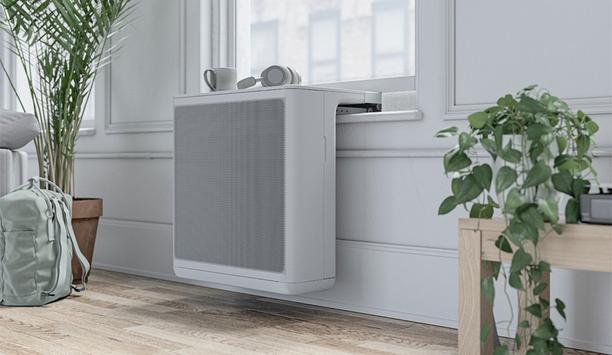
Gradient seeks to bring the benefits of mini-split systems - variable speed drive, efficient operation, heat pump heating - to a wider audience, by simplifying the installation process. Gradient offers a design that is installed in a window, but it has more similarities to mini-split systems than to a window air conditioner. simple installation The system is designed for simple installation by a layman – it generally takes about 15 minutes. Using heat pump technology, Gradient has the e...

Climatech of Professional Air in Pensacola, Florida, USA, is known for putting HVAC customers first by providing first-class service and for doing what’s right, even when no one is looking. “We approach each customer like it’s our grandmother,” said Travis Thompson of Climatech of Professional Air, adding “We show all the options and we are fair with pricing. The open-book approach to options and our honest opinion is the best way. We sit and get to know the custome...

‘As a service’ is a familiar pattern in business today, especially in the technology arena. ‘Software as a Service’ is as common as Microsoft Office 365 and companies have been providing services, such as telephony and internet access for decades. But, how can the model be applied to the HVAC market? It’s not a common approach today, but the benefits of applying ‘As a service’ to HVAC are many – for customers and for equipment and service provider...

The story of Bluon is the tale of how a chemical company blended a new refrigerant, and then later evolved into a large, brand-agnostic online community that helps technicians do their job. Currently, Bluon is on the verge of monetizing its platform, linking e-commerce into its vast wellspring of technical information to guide HVAC installers. Tdx 20 refrigerant blend Bluon created and received EPA approval for its Tdx 20 refrigerant blend (R-458A) to replace R-22 and provide 20% great...

With a required 15% increase in seasonal efficiency looming in 2023, original equipment manufacturers (OEMs) are being challenged to design HVAC rooftop units (RTUs) that both meet the immediate efficiency requirements and also set the stage for a refrigerant transition in 2025 and beyond. Meeting the challenges requires that new hardware designs be more than ‘a little bit better’; rather, complete shifts in technology are called for. Insights on the changing technologies and regulat...

For 100 years, the Marley brand has provided evaporative cooling towers and fluid coolers, ranging from large industrial applications to smaller plants such as offices. The equipment is used to cool hospitals, data centers, and large commercial buildings. In data centers, for example, evaporative cooling uses 60% less power than air-cooled systems. Events at 100th anniversary SPX Technologies, the corporate owner of the Marley brand, is celebrating its 100th anniversary in 2022. Among th...

Rooftop units (RTUs) withstand a lion’s share of the burden, when it comes to heating and cooling commercial buildings, and they also represent a big portion of a building’s impact on global warming. Traditional low-tech approaches to controlling RTUs have failed to address global warming concerns, and these units, operating independently, may not even deliver sufficiently on the climate demands of a building. Intelligent approach to managing energy demand Providing an intelligent...

AHR Expo was back in a big way for 2022, reflecting a dynamic industry that not only survived the pandemic but has found new ways to thrive. Technical developments on display in Las Vegas spanned traditional product categories, which continued to display new levels of innovation in a mature market. Also reflecting progress were new digital offerings that increase control and efficiency of HVAC products and link them to the expanding world of data. Omar Tabba, the Chief Product Officer at...

It’s great time to be in the HVAC industry. That was the optimistic vibe as the AHR Expo opened in Las Vegas, the first such in-person gathering of the industry since the beginning of the global pandemic. Attendance was moderate and steady throughout the first day of the show as HVAC professionals took stock of technology developments that have emerged over the last two years. COVID changed the HVAC market, probably forever, and the changes extend beyond the masks that were dutifully wor...

A new installation is using natural heat from groundwater to regulate the indoor climate of The Glen Mhor Hotel in Scotland. The groundwater is further heated by two electric heat pumps and distributed to guest rooms and apartments through a small heating district network. From the system, which is slated for completion this spring, the water will return to the sand and gravel layers in shallow ground around Inverness, and eventually back to the River Ness. The design, which replaces 20 gas-fir...

The HVAC market is moving fast. Supply shortages, technology trends and regulatory issues all converged and had a profound impact on the industry in 2021, even as the lingering impact of the COVID-19 pandemic also made a mark. Looking back at the top articles of the year at HVACInformed.com, as measured by those that received the most ‘clicks’ on the website, provides a decent summary of how the industry evolved in 2021. Top 10 articles posted at HVACInformed.com in 2021 Timely and...

HVAC systems typically operate on a schedule. Heating, cooling and ventilation systems start and stop at fixed times of the day, scheduled around when and how a building is used. But, shouldn’t the number of occupants in a building or a room have an impact on how the HVAC system operates? Considering occupancy, when addressing HVAC needs, is an especially timely approach, given that building schedules are less predictable now, since the COVID-19 pandemic changed work patterns, possibly fo...

Society is prioritizing the mitigation of climate change, and new, potentially flammable, low-Global Warming Potential (GWP) refrigerants are a key tool in broadly lowering the rate of global warming. The detection of fugitive (leaking) refrigerant is a new regulation emerging as HVAC equipment manufacturers convert to low-GWP refrigerants. Both A2L and A3 low-GWP refrigerants, while climate-friendly, are flammable. As such, OEMs will have to integrate refrigerant sensors that detect leaked ref...


