Electric baseboard heaters have traditionally been favored for heating homes, particularly in older dwellings and buildings lacking existing ductwork.
Despite their easy installation and operation, they present certain challenges, such as uneven heating, limited control, and high electricity usage.
This discussion delves into the nature of ductless heating and cooling systems and explores the benefits and potential cost savings these systems offer.
Ductless Mini-Split Systems
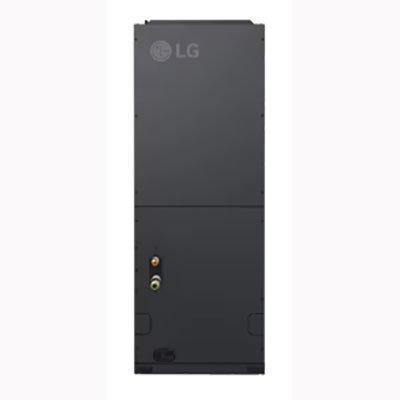
Ductless mini-split systems, also referred to as ductless systems, consist of an external compressor unit paired with one or multiple internal air-handling units. These parts are linked by a slender conduit that encompasses the power cable, refrigerant tubing, suction tubing, and a condensate drain.
Unlike conventional central HVAC systems requiring extensive ductwork, ductless systems efficiently deliver conditioned air directly to specific zones or rooms within a home.
Advantages of Ductless Systems
Ductless systems provide numerous benefits for homeowners. They eliminate the need for ductwork, offering a simpler alternative to baseboard heating compared to installing a full-scale central HVAC system.
Furthermore, many ductless models offer both heating and cooling, facilitating year-round comfort. Below are some of the key advantages these systems offer:
Energy Efficiency
A notable advantage of ductless systems is their energy efficiency. Traditional electric baseboard heaters consume substantial electricity to produce and maintain heat, leading to high utility expenses.
In contrast, ductless systems employ inverter technology, enabling the compressor to modify its speed according to the heating or cooling requirements. This technology reduces energy consumption and lowers monthly utility bills.
Zoned Heating and Cooling
Ductless systems bring the capability of zoned heating and cooling, allowing individual control over room or area temperatures. This contrasts sharply with electric baseboard heaters, which frequently result in uneven room heating and limited control.
With ductless systems, each indoor unit can be adjusted to suit the comfort preferences of different occupants, elevating overall comfort and curtailing energy waste.
Improved Indoor Air Quality
In contrast to electric baseboard heaters that can circulate dust and allergens, ductless systems incorporate advanced filtration technology to purify air by capturing dust, pollen, and other airborne particles. This leads to a healthier indoor environment, particularly beneficial for those with allergies or respiratory issues.
Cost Savings
While the upfront cost of installing a ductless system might be higher than electric baseboard heaters, the long-term savings potential is considerable. The enhanced efficiency of ductless systems translates to reduced energy bills.
Additionally, several utility providers offer rebates and incentives for homeowners transitioning to energy-efficient heating and cooling solutions, thus lessening overall expenditures.
Lower Energy Bills
As highlighted earlier, ductless systems consume less energy compared to electric baseboard heaters. Homeowners who transition to ductless can anticipate a notable reduction in monthly energy bills, resulting in significant savings over time.
Reduced Maintenance Costs
Electric baseboard heaters require periodic maintenance, including cleaning and occasionally replacing heating elements. Especially in older systems, frequent repairs may be necessary.
Ductless systems, however, are designed with fewer moving parts and demand lower maintenance. Regular filter cleaning and annual professional inspections typically suffice to maintain system efficiency.
Increased Property Value
Investing in a contemporary, energy-efficient ductless system can enhance the property’s overall value. Potential buyers often seek homes equipped with updated, efficient heating and cooling systems, and the presence of a ductless system can serve as an enticing selling feature.
Electric baseboard heaters have long been a popular choice for home heating, especially in older homes and buildings without existing ductwork. While they are relatively easy to install and operate, they come with certain drawbacks such as uneven heating, limited control options, and high electricity costs.
This article explains what ductless is, what the advantages are, and the cost savings ductless systems can provide.
Ductless Mini-Split Systems
Ductless mini-split systems, also known simply as ductless systems, consist of an outdoor compressor unit and one or more indoor air-handling units. These units are connected by a small conduit, which houses the power cable, refrigerant tubing, suction tubing, and a condensate drain.
Unlike traditional central heating and cooling systems that require extensive ductwork, ductless systems deliver conditioned air directly into different zones or rooms in the home.
Advantages of Ductless Systems
Ductless systems come with several advantages for homeowners. They do not require ductwork to operate, making them an easier replacement for baseboard heating than installation of a central HVAC system. Additionally, many models provide heating and cooling all in one, making them a great option for year-round comfort.
Here is a more in-depth look at some of the advantages of ductless systems:
Energy Efficiency
One of the most significant advantages of ductless systems is their energy efficiency. Traditional electric baseboard heaters consume a lot of electricity to generate and maintain heat, leading to high utility bills.
Ductless systems, on the other hand, use inverter technology that allows the compressor to adjust its speed based on the heating or cooling demand. This results in less energy consumption and lower monthly bills.
Zoned Heating and Cooling
Ductless systems provide the flexibility of zoned heating and cooling, meaning users can control the temperature in individual rooms or areas separately. This is a stark contrast to electric baseboard heaters, which often heat rooms unevenly and provide limited control options.
With ductless systems, each indoor unit can be adjusted to meet the comfort needs of different occupants, leading to increased overall comfort and reduced energy waste.
Improved Indoor Air Quality
Electric baseboard heaters can circulate dust and allergens, negatively impacting indoor air quality. Ductless systems include advanced filtration technology that helps to purify the air by trapping dust, pollen, and other airborne particles.
This results in a healthier living environment, especially for individuals with allergies or respiratory conditions.
Cost Savings
While the initial cost of installing a ductless system may be higher compared to electric baseboard heaters, the long-term savings can be substantial. Ductless systems are more efficient, which translates to lower energy bills.
Additionally, many utility companies offer rebates and incentives for homeowners who switch to energy-efficient heating and cooling solutions, further reducing the overall cost. Learn more about how ductless can help users save:
Lower Energy Bills
As mentioned earlier, ductless systems use less energy to operate compared to electric baseboard heaters. Homeowners who make the switch can expect to see a noticeable decrease in their monthly energy bills, leading to significant savings over time.
Reduced Maintenance Costs
Electric baseboard heaters require periodic maintenance, such as cleaning and occasional replacement of heating elements. Older electric baseboard heating systems may need more frequent repairs.
Ductless systems, on the other hand, have fewer moving parts and require less maintenance. Regular filter cleaning and annual professional inspections are usually sufficient to keep the system running efficiently.
Increased Property Value
Investing in a modern, energy-efficient ductless system can increase the overall value of the property. Potential buyers often look for homes with updated, efficient heating and cooling systems, and a ductless system can be an attractive selling point.