Mergers & Acquisitions

GF announced Javier Alarcón as the new Vice President of Finance for GF Building Flow Solutions Americas, effective Dec. 15, 2025. In this role, Javier will oversee all aspects of Finance and Accounting. He will report to GF Building Flow Solutions Americas President John Reutter, who previously served as the Vice President of Finance and held the role in an interim capacity. Javier will be a key member of the company’s Senior Management Committee. Prior roles of Javier Jav...
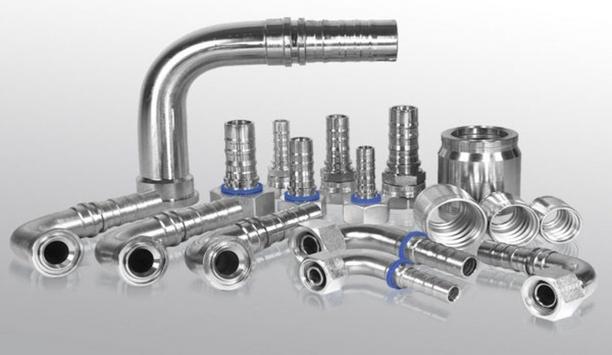
Danfoss Power Solutions announced that it has finalized its acquisition of hose fittings manufacturer Hydro Holding Spa, having received all necessary approvals. With Hydro Holding on board, Danfoss gains a competitive, local fittings production base in Italy and the Czech Republic, as well as 350 highly experienced and customer-focused employees. Welcoming the new team “We’re pleased to welcome Hydro Holding employees to Danfoss Power Solutions. This talen...

Falls River Group (“FRG”) is pleased to announce that Daikin Applied Americas (“Daikin Applied”) has acquired the exclusive license to Sorbent Ventilation Technology® (“SVT®”) from enVerid Systems Inc. (“enVerid”), a recognized innovator in indoor air quality (“IAQ”) and energy-efficient HVAC solutions. FRG acted as the exclusive financial advisor to enVerid on this transaction. Terms of the agreement were not disclosed. &ldquo...

Trane Technologies, a climate innovator, announced that it has entered into a definitive agreement with Stellar Energy International, Ltd. to acquire the Stellar Energy Digital business (“Stellar Energy”), a leading provider of turnkey liquid-to-chip data center cooling solutions. Headquartered in Jacksonville, Florida, Stellar Energy designs and builds modular cooling plants, central utility plants and coolant distribution units for liquid-cooled data centers and other complex corp...
Trane Technologies, a climate innovator, and Amazon announce groundbreaking results through advanced AI to improve energy efficiency and decarbonization in key real estate assets. The project, powered by Trane Technologies through BrainBox AI, in conjunction with AWS, showcases a successful collaboration in building decarbonization, delivering proven solutions that reduce energy use and carbon emissions. Optimizes HVAC systems Initial deployment at three pilot Amazon Grocery fulfillment...
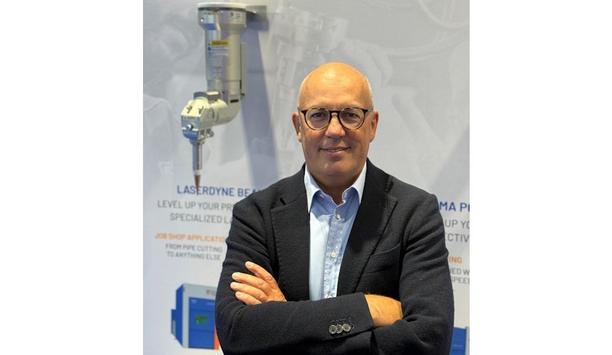
Prima Power, a global pioneer in sheet metal working manufacturing solutions, has appointed Fabrizio Anzalone as the new Chief Executive Officer of Prima Power LASERDYNE. LASERDYNE is a trusted pioneer in precision laser processing solutions for high-value components in demanding industries like aerospace, space, and energy. Anzalone’s appointment comes at a pivotal time for LASERDYNE. The growth of the space economy and data center infrastructure is driving demand for precision and autom...
News
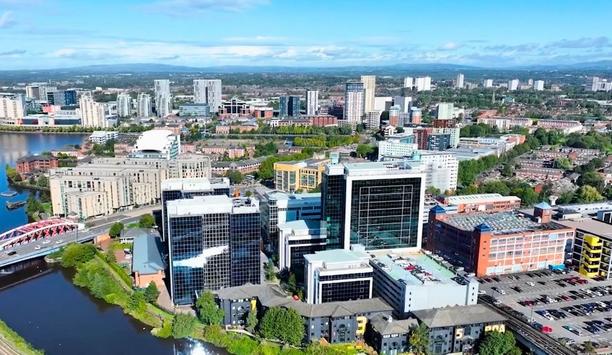
FSW UK partnered with Austin Broady Associates and Mitsubishi Electric to install sustainable HVAC upgrades at the Greater Manchester office campus, Exchange Quay. Investment Managers for Exchange Quay Till Asset Management were looking to upgrade the business complex, located on the Salford Docks, with a new sustainable and energy efficient heating system. The project began with Building 8, a ten storey structure housing 116,000ft2 of office space. FSW UK worked with air conditioning contractors Austin Broady Associates to assess their then-current 600kW gas boilers and design a sustainable alternative capable of meeting the requirements of Exchange Quay’s largest block. Most compatible hardware Oliver Broomfield identified Mitsubishi Electric’s CAHV-P500YB-HPB 40kW commercial air heat pumps FSW Projects Manager - Oliver Broomfield identified Mitsubishi Electric’s CAHV-P500YB-HPB 40kW commercial air heat pumps as the most compatible hardware for Building 8. These heat pumps were able to be retrofitted into the existing system, replacing the gas boilers while utilizing the building’s four-pipe fan coil units to create a low carbon, energy efficient, and sustainable HVAC system. The success of this project has established a new baseline for sustainable HVAC upgrades not just at the Exchange Quay, but nationwide. FSW’s application of heat pumps within an existing heating and cooling system is now being used as a blueprint for similar ventures in commercial properties across the UK because of its use of the building’s existing systems. This allows upgrades to be implemented with minimal disruption to its tenants, so property management can prepare their assets to meet future sustainability guidance. Demonstrating FSW’s sustainable HVAC systems Oliver Broomfield, Air Conditioning Projects Manager at FSW UK, said: “When Mark (Broady, Auston Broady Associates) commissioned FSW UK to upgrade Exchange Quay Building 8’s heating system, we recognized this project as an opportunity to demonstrate the capabilities of FSW’s sustainable HVAC systems.” He adds, “We’re immensely proud of what we’ve achieved here in Salford, and we’re looking forward to future projects which can continue to build on this success.”

Infinitum, creator of the sustainable air-core motor, has announced the appointment of Kevin Paprzycki as Chief Financial Officer. Kevin will oversee Infinitum’s financial strategy with a focus on driving growth and operational excellence as the company continues to rapidly expand market share across the commercial HVAC, data center and industrial sectors. Kevin brings more than 25 years of financial and operations leadership experience to Infinitum, with deep expertise in scaling cleantech manufacturing companies through various stages of growth, including mergers and acquisitions and initial public offerings. Prior to joining Infinitum, Kevin served as Chief Financial Officer of energy storage innovator Powin. He was also formerly CFO of Solid Power, a next-generation battery manufacturer, where he led financial operations from the company’s start-up stages through its successful public listing. Expanding market share Earlier in his career, Kevin served as CFO of Scott’s Liquid Gold, Inc., and as both CFO and CEO of Westmoreland Coal Company where he oversaw a series of acquisitions that tripled company revenue. “Kevin is an accomplished financial leader with a proven track record of scaling companies that manufacture next-generation energy and cleantech solutions,” said Ben Schuler, Founder and CEO of Infinitum, adding “His experience leading companies of all sizes through pivotal stages of growth while elevating their financial and operational performance will be an invaluable asset as we expand our breadth of offerings and market share.” High-efficiency electric motor systems “Infinitum’s high-efficiency electric motor systems represent a true leap forward in innovation, delivering measurable benefits for both the bottom line and the environment for some of the world’s most energy-hungry industries,” said Kevin Papryzcki. He adds, “I’m thrilled to join Infinitum at such an exciting time and look forward to contributing to the company’s next phase of growth and long-term value creation.”
mSupply, a major North American distributor of HVAC, appliance and plumbing products, has relocated to a significantly larger warehouse to meet growing demand in Washington state and along the West Coast. The new Marcone Regional Distribution Center is located at 3201 SE Columbia Way in Vancouver, Washington's Columbia Business Center. It is 128% larger than the previous facility at 603 SE Victory Ave. At 80,000 square feet, the site features expanded parking, 10 additional loading docks and room for a broader and more diversified inventory - including new products and brands. Designed with technicians in mind, the RDC is stocked with thousands of critical repair parts. It also offers convenient 24/7 locker pickup, allowing customers to order online and retrieve or return parts securely at any time of day. Increased product diversity “We’re excited to have the extra space that allows us to better serve our customers in the Northwest,” said Phil Mause, Chief Commercial Officer at mSupply, adding “With increased product diversity and faster fulfillment capabilities, we’re making sure customers can always access the parts they need - exactly when and where they need them.” The new Vancouver facility is part of mSupply’s growing distribution network, which ensures next-day delivery to 93% of the U.S. population with flat-rate ground service. It joins a network of 14 regional centers across North America. Since 2024, mSupply has opened new RDCs in Denver, Colorado; Denton, Texas and Calgary, Alberta.
Wauseon Machine, a trusted partner in robotic automation, tube forming technologies and precision machining & fabrication since 1983, announced a strategic reorganization that positions the company for its next phase of growth. The business will now operate as two dedicated companies: Integrion Automation and Steelcrest Precision. This evolution reflects a clear strategic focus—enabling each company to strengthen its expertise, accelerate investment, and deliver deeper partnership to customers. “This reorganization is a natural and strategic step in our evolution. Our customers’ needs continue to grow more complex, and this transformation strengthens our ability to meet them with unmatched depth and clarity” said Peter Paras III, CEO, Cornerstone Corporation. “As independent companies, Integrion Automation and Steelcrest Precision can focus fully on their distinct markets while continuing to be guided by the shared values of quality, ingenuity, and trust that have defined Wauseon Machine since 1983.” Integrion Automation and Steelcrest Precision For over four decades, Wauseon Machine has built a reputation for innovation and technical excellence across automation integration, tube forming, and precision machining. As customer needs have evolved and markets have expanded, the company recognized that each business line required increasingly different investment strategies, talent profiles, and operating rhythms. By creating Integrion Automation and Steelcrest Precision as distinct companies, each can invest more deeply in the technologies, capabilities, and people that will deliver the greatest value to customers. Advancing the future of automation Integrion Automation represents the next chapter for Wauseon Machine’s Automation, Field Service and Tube End Forming operations. This transition reflects a long-term commitment to advancing the future of automation through deep engineering expertise and cutting-edge technology. Operating as an independent company within Cornerstone Corporation, Integrion Automation carries forward the same trusted team, proven capabilities, and innovative spirit that has defined its legacy—empowering customers to integrate automation with confidence. Dedication to uncompromising quality Steelcrest Precision builds on Wauseon Machine’s decades of excellence in precision machining and fabrication. The transition reflects a continued dedication to uncompromising quality, craftsmanship, and customer partnership. Operating as an independent company within Cornerstone Corporation, Steelcrest Precision delivers advanced machining and fabrication from concept and design through assembly and rigorous inspection—supported by expanded investments in technology, talent, and advanced manufacturing capabilities. Independent Focus, Shared Strength Integrion Automation and Steelcrest Precision will now operate as separate companies but continue to be supported by Cornerstone Corporation. Each business gains the focus and independence needed to deliver exceptional customer service, while benefiting from a shared legacy of quality, innovation, and customer partnership. “This reorganization gives each business the independence to grow in the ways their markets demand,” Paras added. “But they remain connected by a common heritage. That combination of independence and shared values will continue to serve our customers for decades to come.”
Trane Technologies, a global climate innovator, announced the appointment of Gary Guo as Chief Integrated Supply Chain Officer, effective November 18, 2025. Guo will report to chair and CEO Dave Regnery as part of the executive leadership team and will oversee Trane Technologies’ global integrated supply chain, including manufacturing, procurement, logistics, environmental health and safety, advanced manufacturing technology and operational excellence. New Chief Integrated Supply Chain Officer “We are excited to welcome Gary as our new Chief Integrated Supply Chain Officer,” said Dave Regnery, Chair and CEO of Trane Technologies. He adds, “Gary is a highly accomplished supply chain leader with deep expertise in manufacturing, logistics and global operations. His talents and leadership will strengthen our world-class lean organization, uphold our commitment to quality and safety, and keep our customers at the heart of all we do.” Distinguished professional Guo is a distinguished professional with a proven track record of driving operational improvement, digital advancements, and strategic impact across multiple Fortune 500 organizations. He joins Trane Technologies from The Coca-Cola Company, where he served as President of global supply chain, leading the company’s worldwide supply chain strategies, including a network of more than 200 bottling partners and 900 manufacturing sites. Prior to his tenure at Coca-Cola, Guo held global supply chain and operations leadership roles at 3M, Amazon and Alibaba. Guo earned a Bachelor of Science degree in chemical engineering from East China University of Science and Technology and holds a Lean Six Sigma Master Black Belt. He succeeds Ray Pittard, who retired from Trane Technologies in June after 36 years of dedicated service.
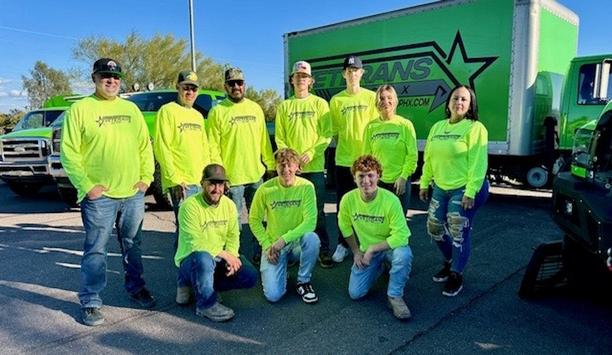
Rocket Group, a pioneering home services network and consulting company, announces the acquisition of Veterans AC PHX, a veteran-owned HVAC company based in Phoenix, Arizona. This is the third Arizona acquisition following successful entries into Camp Verde and Tucson, creating service coverage across Arizona's most populated areas. The acquisition aligns with Rocket Group's mission to empower home service businesses through proven strategies, cutting-edge technology, and real-world experience. By adding Veterans AC PHX to its portfolio, Rocket Group strengthens its ability to serve the growing Phoenix Valley while preserving the veteran-owned legacy that has made Veterans AC PHX a trusted name in the community. Key growth market "Arizona represents a key growth market for Rocket Group, and this acquisition accelerates our expansion strategy in this region," said Victor Rancour, CEO of Rocket Group, adding "With Veterans AC PHX joining our family of companies, we're creating a powerful network of service providers that will transform how home services are delivered across Maricopa County. This is just the beginning of our plans for the region." Veterans AC PHX, owned and operated by Christian Adams, a U.S. Army veteran with over 20 years of HVAC experience, has established itself as a premier provider of air conditioning repair, replacement, and maintenance services for both residential and commercial customers throughout Phoenix, Scottsdale, Anthem, Cave Creek, Carefree, and more. The company will maintain its brand identity and continue to operate under its established name. Commitment to excellence "Joining forces with Rocket Group allows us to maintain our commitment to excellence while gaining access to enhanced resources, systems, and support that will benefit both our team members and customers," said Christian Adams, Owner of Veterans AC PHX, adding "Our shared values of quality workmanship and customer satisfaction make this partnership a natural fit for our future growth." Rocket Group's growth plan targets companies with strong local reputations and experienced leadership teams. This expansion enables Rocket Group to leverage economies of scale in equipment purchasing, marketing resources, and technical training while maintaining the personalized service that local customers expect.

Expert Commentary

The HVAC market is forecasted to grow at a projected compound annual growth rate (CAGR) of 3.9%, with a prediction to reach $370 billion by 2030. But in reality, the HVAC and plumbing industry is changing rapidly, with operators facing new challenges like never before. Whether it’s rising costs, the uncertain economy, increasing competition, or the workforce shortage, there’s no doubt the HVAC and plumbing market is evolving. So how do you adapt? That’s the key question. My take is that we can’t predict the future, but we can adjust based on the facts on the field. That’s why now is the time for industry operators to focus on strategies that elevate growth, relationships, and longevity. Here are three ways to tackle today’s market. 1. Diversify Service Offerings With the rising costs of customer acquisition and market competitiveness, it is increasingly challenging to build a successful, resilient trade business by just offering one service — especially if it’s a seasonal specialty. While one-service shops were the norm historically, things have changed in the market. The contractor’s relationship with the customer has never been more valuable, and offering multiple trades allows operators to keep relationships within the four walls of the company – without referring valuable leads (or the potential to lose a customer entirely) to the competition. While one-service shops were the norm historically, things have changed in the market By adding more services to your HVAC and plumbing line-up, you become the one-stop, go-to source for essential home services in your market. For the long-term sustainability of the business, it is crucial to ultimately offer the essential three services: electrical, plumbing/sewer, and HVAC. Additionally, when you provide a variety of services your business will experience less seasonal or cyclical highs & lows because it’s well-rounded, diverse, and, ultimately, healthy. 2. Build Scale through Investment It’s a fact: The home services market is highly fragmented, with over 100,000 contracting businesses active in the United States. It also continues to churn out profits — making it a quality investment for home services investors and private equity sponsors. The fragmented market dynamic is an ideal opportunity for consolidation – and there is more investment capital flowing into the market than ever before. Owners with ambitions to grow can be aggressive with tuck-in acquisitions to offer differentiated services Nationally, scaled Platforms backed by investors or large franchisors service ~20% of the market in a metro area. The benefits of scale are significant: substantial purchasing power (especially on equipment), robust digital/traditional marketing capabilities, programmatic recruiting/training functions, breadth of service offerings, and robust balance sheet to fund growth and investment – just to name a few. However, not every investor is the same. Many employ business practices inconsistent with the culture of founder/owner-backed businesses, which smart entrepreneurs/operators can use to their advantage. Owners with ambitions to grow can be aggressive with tuck-in acquisitions to offer differentiated services and build breadth/new skills in their businesses. Alternatively, businesses struggling to make it on their own or with owners approaching retirement, can partner with larger service providers so they can keep practicing their trade without having to run the day-to-day business – just be careful with selecting the right investor to protect your people and legacy. 3. React in Real Time One thing the HVAC and plumbing industry has proven over the last few years is its resilience – especially for the best operators. No matter what the economic climate is, homeowners still need to protect and stay comfortable in their most valuable asset. That should provide a sense of job security to HVAC and plumbing professionals — but also motivate you to go the extra mile to attract and retain business. Just because the HVAC and plumbing industry has shown signs of being recession-resistant (for now) does not mean it can’t be impacted by the economy. That’s why it’s crucial to manage the business daily – especially pricing and the components of gross margin. The best operators review cost inputs with their teams weekly and adjust mid-month, which ultimately helps the business maintain its health and profitability. As we head into the back half of 2024, it will be interesting to see how the rest of the year plays out for the industry, and I continue to be optimistic about a bounce back after a tough 2023. We will have to wait and see-but with the strategies above, businesses can position for success no matter what happens in the future.

I am writing this the day after the Autumn Spending Review, which among many measures, included a huge focus on how the Government wants to ‘level up the country’, creating a new post-pandemic economy, with higher wages and higher skills. Part of this is the £500 million ‘Multiply’ scheme, which aims to increase numeracy and basic mathematics for adults in the United Kingdom via in person tutoring, digital training and flexible courses. Lack of basic skills to access digital training It is laudable, but there is an elephant in the classroom here, a lot of people do not have the basic skills and confidence, to access digital training and these are the ones, who are in danger of being left further behind. What does this have to do with heating their homes? It comes down to access and confidence around tech and that begins in the home. Smart technology inaccessible to most people During the COVID-19 pandemic, we heard from far too many people, who simply couldn’t get to grips with the tech We work at the sharp end of this, with many years of experience showing us that while smart tech and smart homes sound fantastic (and for the majority, they are indeed), however, for too many people, it remains inaccessible. They are the most vulnerable and they need help. During the COVID-19 pandemic, we heard from far too many people, who simply couldn’t get to grips with the tech and they were suffering as a result. Widespread adoption of digital control systems In a welcome drive to improve the energy efficiency of electric heaters, more sophisticated digital control systems have seen widespread introduction. However, for people who are not digitally savvy, they are now presented with a product that they struggle to use as intended. Sadly, many are subsequently bypassing the very systems designed to improve efficiency and resorting to basic manual control of their appliances. For many users, the complicated programming and multiple overrides is even leading to them having no heat at all. manual settings of heaters lead to High Energy consumption In too many cases, these energy-saving thermostatic controls have caused more anxiety and the energy-efficient controls are not being correctly used. Additionally, due to the heaters being left on manual settings, there are many cases of higher energy consumption than needed. The gadgets are great, but if you can’t understand them or use them, they are redundant and can even be counterproductive. System diagnostics Of course, during the COVID-19 pandemic, a home visit was not even an option for many customers Ordinarily, we would schedule a visit to diagnose these types of problems, but this can take too long, which causes frustration and affects the well-being of the customer. Of course, during the COVID-19 pandemic, a home visit was not even an option for many customers, who were self-isolating. However, new computer modeling research from Harvard University warns that intermittent measures may need to be maintained well into 2022, therefore, social distancing will remain a key concern for our vulnerable community. Current solutions for the digital savvy Current solutions available are for the digital savvy, however, these still do not provide early fault finding and they are not accessible to a huge part of our society, approximately 5.3 million adults, who have never used the internet in the United Kingdom and 53% of these adults are aged 75 plus. We decided to do something about this, by devising a robust solution that will eliminate multiple site maintenance visits and provide immediate solutions, without customers needing to understand digital technologies. CAVE smart thermostat with intelligent remote communications As a result, this winter will see the launch of Trust Electric Heating’s CAVE product, a smart thermostat for the confined, adults, vulnerable and elderly people. CAVE builds on our existing digital thermostat technology, further developing it to include intelligent remote communications. This will allow remote access to program the system, monitor/manage energy use and to diagnose and solve a variety of faults that would traditionally require a visit from an engineer. Transforming CAVE into a stand-alone product There are over 8 million adults over 70 years old in the UK, who are classed as vulnerable The pace of development has been accelerated by a strategic Knowledge Transfer Partnership with the University of Huddersfield and backed by Innovate UK, who awarded us with a further development grant, earlier in 2021, to transform CAVE into a stand-alone product that will work on all electric radiators. There are over 8 million adults over 70 years old in the UK, who are classed as vulnerable and around 1.5 million adults (some not over 70) have been asked to self-isolate due to their underlying health conditions as they are classed as our shielded society. For these individuals the present pandemic has changed their life significantly. Remote monitoring, diagnosis and control of electric heating systems CAVE is a web-based technology that enables remote monitoring, diagnosis and control of electric heating systems, providing help and support for this critically overlooked group. In an era, when the pace of change is already so fast, sometimes it pays to slow down a little and adjust the speed, as there are a lot of people who we must not leave behind in the digital economy.
Editor's Note

With the acquisition of Johnson Controls’ residential and commercial HVAC business, Bosch’s Home Comfort Group has vastly expanded its global footprint. The acquisition, which was finalized on July 31, expands Bosch’s North American presence to complement its already dominant positions in the rest of the world. Champion in the HVAC and water space The newly combined businesses will include 26 research and development facilities globally and 33 factories worldwide. Previously, about 80% of Bosch’s Home Comfort Business was in the Europe, Middle East, and Africa region “Bosch has really expressed their desire to be a global champion in the HVAC and water space, so that’s really the premise behind the global acquisition,” says David Budzinski, President, Bosch Home Comfort Group, Americas. Previously, around 80% of Bosch’s Home Comfort Business was in the Europe, Middle East, and Africa region. The acquisition adds particular strength in the North America and Asia-Pacific regions, resulting is a trinity of big regional businesses combined under the Bosch global umbrella. Tremendous potential for growth in US There will be no immediate changes noticeable in how the businesses operate, according to David Budzinski. Over the next several years, one can expect more integration where it makes sense, yielding eventual cost benefits. “We are always looking at ways to decrease the cost of our products for contractors and consumers alike,” said Budzinski, adding “We want to leverage the strengths from both sides.” The acquisition provides tremendous potential for growth in the United States. “Bosch is very serious about growing in the Americas, and so it’s an incredibly important market, arguably one of the most important for the company,” adds David Budzinski. Residential and light commercial HVAC businesses Bosch will continue to use the brand names Hitachi and York under licensing agreements The acquisition includes the Johnson Controls-Hitachi Air Conditioning joint venture in addition to JCI’s other residential and light commercial HVAC businesses. Bosch will continue to use the brand names Hitachi and York under licensing agreements, in addition to their Bosch branding. The businesses are merging with Bosch Home Comfort Group, part of the global company’s Energy and Buildings business, one of four main pillars of the vast company. JCI residential and light commercial businesses The combination of the legacy JCI residential and light commercial businesses with Bosch’s existing business in North America positions Bosch as one of the “Big Six” HVAC manufacturers in North America. Bosch was already a North American pioneer in heat pumps and water technologies. An advantage of the combined companies is a larger product portfolio, included ducted and ductless technologies provided by the JCI-Hitachi unit. It’s a whole new side of the portfolio, joining Bosch’s strength in air-to-air and air-to-water heat pump technologies. Bosch was already a North American pioneer in heat pumps and water technologies. Economics of scale and synergy A regional approach allows the company to cater the strategy to each individual region “Being a global HVAC company allows us to continue and expand our existing economics of scale and synergy,” says David Budzinski. A regional approach allows the company to cater the strategy to each individual region, whether North America, China, Japan, or Europe. The goal is, in effect, to do “whatever it takes for us to win,” said David Budzinski. “It takes a slightly different strategy to win in the U.S. versus what it takes to win in Europe versus Japan or China,” says David Budzinski, adding “Bosch has been a global player for over 100 years, and we have a very strong strategy.” Switch to lower-GWP refrigerants Investment in research and development (R&D) is critical in the U.S., given the ever-shifting business and regulatory environment. For the last six years, the focus in the U.S. has been responding to regulatory changes. With that transition in the rearview, including the switch to lower-GWP refrigerants, it is time to focus more on end users and contractors, says Budzinski. “We are focused on portfolio enhancements and helping our end users and contractors install the product faster and easier in order to essentially decrease the cost of the product, including installation time,” states David Budzinski, adding “We are growing our portfolio to help consumers be able to afford to replace their HVAC.” Broad Bosch portfolio Uncertainties in the replacement cycle and housing market are among the unknowns Uncertainties in the replacement cycle and housing market are among the unknowns as one looks ahead to the future, but Bosch is responding. “We’re doing our part to work with contractors, our dealers, and distributors to make sure we continue to make new installations achievable and affordable with or without incentives for homeowners,” adds David Budzinski. The broad Bosch portfolio, including the products that are part of the acquisition, ensures the company can serve customers regardless of what happens on the political or regulatory front. Benefits of the new ownership “We are going to produce, engineer and develop products that our customers want, and that’s super critical as a business and helps us to be more agile,” said Budzinski. Overall, Budzinski expects Bosch’s business to grow faster than the overall market. “The acquisition helps us leverage economics of scale, which was one of the main drivers of the transaction,” adds David Budzinski. Among the benefits of the new ownership is operation by a private company (Bosch) as compared to a publicly traded company (JCI). Being a private company enables a longer-term emphasis on growth and investment, rather than focusing on short-term concerns such as exceeding quarterly earnings estimates, for example. Private companies are well-equipped to weather market volatility. Impact of tariffs for Bosch’s supply chain partners Given the ongoing uncertainties about tariffs, Bosch is well-positioned with manufacturing and R&D facilities in the U.S., including large facilities in Oklahoma and Kansas. There will be some expected impact of tariffs for Bosch’s supply chain partners; some components are made outside the United States. Bosch’s U.S. facilities support the currently popular notion of “Investing in the United States,” according to Budzinski. “We have created a global climate comfort champion,” said David Budzinski, adding “We are a large, global-scale company that focuses on creating the best products and technology for our customers.” Bosch’s forecast Bosch’s forecast is that sales of air conditioning units worldwide are hoped to rise to more than 200 million per year According to Bosch analyses, the global market for heating, ventilation, and air conditioning systems amounted to more than $160 billion USD (150 billion euros) in 2024. Air conditioning systems alone accounted for two-thirds of this. Demand will continue to increase significantly in the coming years. According to Bosch’s forecast, sales of air conditioning units worldwide are expected to increase to more than 200 million units per year by 2030, almost a fifth more than in 2024. Ambitious growth targets “With the largest acquisition in our company history, we are accelerating our growth, expanding our global footprint, and balancing our business by strengthening our energy and building technology – this makes Bosch more powerful and robust, in line with our corporate strategy,” says Stefan Hartung, Chairman of the Bosch board of management. “We have ambitious growth targets in all regions of the world. We are consistently focusing our new organization on this,” says Jan Brockmann, Executive Management President of Home Comfort, adding “By strengthening regional responsibility, we can meet customer needs even better.” Strategic investments in growth areas “Bosch wants to be one of the pioneering companies in each of its industries by 2030 and is expanding its business with strategic investments in growth areas, among other things. Acquisitions are also part of the strategy,” says Christian Fischer, Deputy Chairman of the Board of Management and responsible for strategic growth initiatives and portfolio management. Christian Fischer adds, “The current acquisition perfectly complements our portfolio. We can now offer our customers the entire range of HVAC technologies – from a single source and worldwide.”

California is moving to ban the sale of natural gas furnaces, heaters and water heaters by 2030. It is the first US state to make the move, in order to meet federal ozone standards. In addition to California’s previous efforts to eliminate installation of gas-fueled equipment in new buildings, the new regulation will address the use of gas space heaters and water heaters in existing residential buildings. When it comes time to replace them, building owners will be required to transition to electric heat pumps or other zero-emission appliances. Need for a strategy to tackle emissions in existing buildings Eliminating use of fossil fuels in new buildings will only go so far in reducing carbon emissions Eliminating use of fossil fuels in new buildings will only go so far in reducing carbon emissions. A strategy to tackle emissions in existing buildings is also needed. Detractors of the plan express concerns about the resulting need to add more capacity to California’s electrical grid, which was brought to the brink of collapse during last summer’s heat wave. New plants need to come online, and more battery systems are needed before gas-powered equipment can be phased out. Zero-emission advanced clean fleet regulations Low-income residents could feel the burden of higher electric bills, too, although the costs of electricity for heat pumps are less because of greater efficiency, when compared to stand-alone air conditioners. The California Air Resources Board (CARB) will implement the plan along with additional emissions controls targeting medium and heavy-duty vehicles. Zero-emission advanced clean fleet regulations will take effect by the 2040s, and further emission reductions will impact light-duty vehicles, motorcycles, and other consumer products. High carbon emissions from space and water heaters Some 90% of emissions from buildings come from space and water heaters, and the California Air Resources Board contends the ban will reduce pollution drastically in congested and low-income areas of the state. A draft rule will be created and a final vote on the new requirement will take place in 2025. California is seeking to achieve a carbon-free grid by 2045. The new requirement does not include natural gas stoves, although 50 or so cities and counties, including Los Angeles and San Francisco, have sought to ban or limit use of gas-fueled stoves in new buildings. In all, homes are responsible for about 10% of U.S. carbon emissions, including space and water heaters, clothes dryers, and cooking stoves. Advancing low- and zero-carbon energy technologies Any proposal that bans natural gas or natural gas appliances would be harmful to consumers" “Any proposal that bans natural gas or natural gas appliances would be harmful to consumers and to the environment,” says the American Gas Association, which represents more than 200 local energy companies, adding “America’s natural gas utilities invest millions of dollars every day to advance low- and zero-carbon energy technologies and reduce emissions, efforts that have led to a 69 percent decline in emissions since 1990.” In addition to the impact on climate change goals, emissions from gas-powered appliances are also a source of air pollution, including nitrogen oxide (NOx). NOx both contributes to smog and can exacerbate respiratory conditions, such as asthma. Natural gas water headers also emit methane, which is vented outdoors. Funds to relieve the economic burden of decarbonization In California, funding is available to relieve the economic burden of decarbonizing buildings. Most of the US$ 1.4 billion in available funding is targeted to low-income families. The new proposal to ban natural gas heating includes rebates to those who make the transition. Also, the federal Inflation Reduction Act provides rebates to offset the cost of converting from natural gas or propane to electric.

HVAC systems account for around 46% of the average U.S. home’s energy consumption. As big users of electricity, air conditioning (AC) systems this summer face continuing concerns about an adequate supply of electricity and the reliability of the U.S. electrical grid. According to a report from the North American Electric Reliability Corporation (NERC), large parts of the country are at either ‘high’ or ‘elevated’ risk of electricity shortfalls this summer. Notably, a large swath down the middle of the country, including the Midwest US region, faces a potential for insufficient operating reserves of electricity in normal peak conditions. Electricity shortage in peak summer months Furthermore, most of the states west of the Mississippi have a potential for insufficient operating reserves in above-normal conditions. With the beginning of the 2022 summer cooling season marked by some of the highest daily temperatures on record, the ‘above-normal’ conditions are less a possibility than a probability. In affected areas, the power grid could be forced to impose rotating blackouts on some of the hottest days of the year. Most of the Eastern United States of America appears to have sufficient operating reserves to meet demand. Lagging transition to 100% clean energy The underlying causes of the electricity shortage include a lagging transition to 100% clean energy The underlying causes of the electricity shortage include a lagging transition to 100% clean energy. While efforts continue to stimulate the next generation of renewable technologies, the development is not keeping up with the growing demand for electricity. Some resources necessary to maintain sufficient electricity supplies, including natural gas and carbon-based fuels, have been targeted by activist interest groups. Beyond recent shutdown of coal and nuclear plants, factors in the shortage include planned maintenance and forced outages, as well as low wind conditions. Implementing new technologies Utility companies are caught in the middle, seeking to satisfy consumer demand, while implementing new technologies, such as next-generation nuclear, carbon and direct air capture, energy storage, hydrogen, geothermal, and other technologies. In the words of California Gov. Gavin Newsom, who stated “However, the situation deals (not) in ideology, (but) in reality.” NERC’s Annual Reliability Assessment NERC’s Annual Reliability Assessment covers four months (June through September) and evaluates electricity generation resources, transmission system adequacy, and energy sufficiency, in order to meet projected summer peak demand and operating reserves. It identifies potential reliability issues of interest and regional topics of concern. In the U.S., the Midcontinent Independent System Operator (MISO) faces capacity shortfalls in its North and Central areas, resulting in high risk of energy emergencies during peak summer conditions. Across the MISO, peak demand projections have increased by 1.7% since last summer, as normal demand patterns resume after the COVID-19 pandemic. Another problem is 2.3% less generation capacity, when compared to the summer of 2021. In Canada, anticipated resource capacity in Saskatchewan will be strained to meet peak demand projections, which have increased 7.5% since 2021. Drought conditions contribute to electricity shortage Drought conditions also contribute to the problem, affecting wide areas of North America Drought conditions also contribute to the problem, affecting wide areas of North America and challenging electricity supplies and having potential impacts on demand. Energy output from hydro-generators throughout most of the Western United States of America is affected by widespread drought and below-normal snowpack, according to NERC. Suppliers of electricity from coal-fired generators are having difficulty obtaining fuel and non-fuel consumables, as supply chains are stressed. Electricity suppliers at the risk of cyber security threats Furthermore, electricity is among the critical infrastructure sectors at risk of cyber security threats from Russia and other potential actors, amid heightened geopolitical tensions. Energy efficiency goals, such as those undertaken by the HVAC industry’s transition to electric heat pumps, can contribute to minimizing the need for electricity, especially helpful during a shortage.
Case studies

Wren is a climate subscription service that helps individuals offset their carbon footprint through monthly contributions. Users can calculate their carbon emissions using Wren’s intuitive calculator and fund various climate projects, including refrigerant destruction. Wren emphasizes transparency by providing regular updates on the impact of contributions, including data, photos, and stories. The platform aims to make climate action simple and effective, ensuring that every dollar contributes to meaningful environmental change. About A-Gas A‑Gas is a world pioneer in the supply and lifecycle management of refrigerants and associated products and services. Through the first-class recovery, reclamation, and repurposing processes, we capture refrigerants and fire protection gases for future re-use or safe destruction, preventing harmful release into the atmosphere. For over 30 years, A-Gas has supported clients and partners on their environmental journey by supplying lower global warming gases and actively increasing the circularity of the industries we serve, building a sustainable future. Challenge HCFC-22 is a potent greenhouse gas with a global warming potential (GWP) much higher than CO2 The widespread use of refrigerants like HCFC-22 (R22) presents a significant environmental challenge. HCFC-22 is a potent greenhouse gas with a global warming potential (GWP) much higher than CO2 (one molecule of R22 has a global warming impact 1,810 times that of one molecule of CO2). If not properly managed, its release would have a negative impact on the atmosphere. As these refrigerants reach the end of their lifecycle, there is an urgent need for effective solutions to prevent their emissions and minimize their environmental impact. Solution To address this challenge, A-Gas recovers refrigerants for reclamation or destruction at A-Gas facilities across the country. By leveraging Wren's platform to mobilize individual contributions and A-Gas' technical expertise in lifecycle refrigerant management, this partnership enabled an environmentally conscious solution for the used refrigerant. It underscores the potential for innovative partnerships that can help to further reduce emissions in the refrigerant industry through its on-site refrigerant recovery service (Rapid Recovery®), refrigerant buyback programs, and wholesale supplier reclaim program (Refri-Claim™). HCFC-22 destruction project The ACR methodology has included HCFC-22 as eligible for destruction-generated offsets since 2017 Wren and A-Gas formed a partnership to provide Wren subscribers with the opportunity to fund an HCFC-22 destruction project through the generation of A-Gas carbon credits to ensure the gas does not escape into the atmosphere. While the ACR (formerly American Carbon Registry) methodology has included HCFC-22 as eligible for destruction-generated offsets since 2017, few have completed such projects because the price of HCFC-22 is so high; it is more profitable for organizations to reclaim this product. ACR’s methodology As such, this is one of the first HCFC-22 destruction projects utilizing ACR’s methodology. Approved by the International Civil Aviation Organization (ICAO) to provide carbon credits in its Carbon Offsetting and Reduction Scheme for International Aviation (CORSIA), ACR is highly regarded across the world. Results The partnership yielded multiple environmental benefits: Emissions Avoided: The initiative successfully avoided the release of 16,000 tons of CO2-equivalent emissions by destroying HCFC-22. This substantial elimination of greenhouse gas emissions demonstrates the effectiveness of the program. Subscriber Engagement: Wren provided its subscribers with detailed updates on the impact of their contributions. These updates included data on the quantities of HCFC-22 destroyed and the corresponding emissions reductions. This transparency helped build trust and encouraged ongoing participation in climate action. Educational Impact: The collaboration raised awareness about the importance of proper lifecycle refrigerant management. Wren and A-Gas educated the public on lesser-known aspects of climate change mitigation by highlighting the environmental benefits of destroying high-GWP substances. Conclusion This partnership enabled an environmentally conscious solution for the used refrigerant By leveraging Wren's platform to mobilize individual contributions and A-Gas' technical expertise in lifecycle refrigerant management, this partnership enabled an environmentally conscious solution for the used refrigerant. It underscores the potential for innovative partnerships that can help to further reduce emissions in the refrigerant industry. refrigerant destruction protocols and technology "We are excited to work with A-Gas to push forward the standard of refrigerant destruction protocols and technology," said Landon Brand, CEO, of Wren. Landon Brand adds, "This is one of the most reliable and impactful project types we have found in our years of funding climate solutions, and we hope our community can keep blazing a trail to eliminate these dangerous refrigerants."

Johnston County Public Schools, located in Smithfield, North Carolina, chose Carrier to improve energy efficiency and comfort at five schools. Carrier is a part of Carrier Global Corporation, a global pioneer in intelligent climate and energy solutions. AquaSnap® 30RB Johnston County Public Schools (JCPS), located in one of the nation’s fastest-growing counties, is the seventh-largest school district in the state. JCPS used money from the U.S. Department of Education’s Elementary and Secondary School Emergency Relief (ESSER) Fund to replace a dozen chillers. The school district selected Carrier’s AquaSnap® 30RB, an air-cooled liquid chiller offering an effective all-in-one package that is easy to install and maintain. New Equipment Replaced Old Chillers The schools are in North Carolina’s fastest-growing county with 5,000 students enrolled at the five schools The new equipment replaced chillers that were between 20 and 25 years old at Cleveland Elementary, West Clayton Elementary, and Clayton High in Clayton; McGee’s Crossroads Elementary in Angier; and Glendale-Kenly Elementary in Kenly. According to the latest census data, the schools are in North Carolina’s fastest-growing county with 5,000 students enrolled at the five schools and are part of a larger school system with more than 37,000 students in 48 schools. On-Site Training For Staff In addition to the startup of the chillers, Carrier also provided on-site training for the school system’s maintenance staff ahead of the new school year. “Johnston County Public Schools appreciates that Carrier’s AquaSnap Greenspeed intelligence technology provides best-in-class part-load efficiency with quiet part-load operation,” said Philip Samartino, Sales Specialist, Carrier. Shell And Tube Evaporator Philip Samartino adds, “The school district needed the reliability of the aluminum fin copper tube condenser coils and simplicity of the scroll compressor technology to handle compressor repairs in-house. Many schools also have older piping infrastructure so they preferred the shell and tube evaporator as it is less susceptible to fouling and clogging up from dirty piping systems.” AquaSnap 30RB features In addition to Greenspeed® intelligence, the AquaSnap 30RB features a rotary scroll compressor, Puron® refrigerant, a quiet AeroAcoustic™ fan system, easy to use ComfortLink™ controls, microchannel condenser coil technology, and high-efficiency variable condenser fans. “Carrier is working with school districts nationwide to implement layered HVAC replacement and retrofit solutions that improve learning environments,” said Meredith Emmerich, Vice President, of North America Commercial HVAC, Carrier. Meredith Emmerich adds, “With solutions tailored to each school’s needs, Carrier is committed to helping foster the long-term well-being of students and staff and encourage the use of ESSER funds to make critical improvements that will impact generations of students.”

The well-known Italian brand, Big Mamma Restaurant Group, has recently transformed an old four story bank into a striking new restaurant, Jacuzzi, in the heart of High Street Kensington, West London, United Kingdom (UK). In keeping with the grand design of this new ‘pleasure palazzo’, the interior environment needed to offer ultimate comfort and to help create a memorable and luxurious dining experience. Summit Design specified, designed and installed the comprehensive new heating and cooling system, utilizing two 45kW Panasonic 3-pipe ECOi EX MF3 units with nanoe X technology. Panasonic 3-pipe ECOi EX MF3 units installed The Big Mamma Group selected the abandoned old bank building on Kensington High Street The Big Mamma Group selected the abandoned old bank building on Kensington High Street, for its fourth restaurant in London – Jacuzzi, a luxurious 170-seat Italian dining experience. Be-decked with high end Italian treasures and decadent interior design, the site covers four floors, including a Sicilian mezzanine floor with a retractable roof opening out to the bustle of High Street Kensington. Transforming the old historic bank building to a fully functional and fit for purpose restaurant required extensive renovations, including an entirely new heating, cooling and hot water system. To service the 4,000 sq. ft building, Jacuzzi needed a high-capacity performance and energy efficient solution, providing heating and cooling with accurate climate control and ultimate comfort. Panasonic 45kW 3-pipe ECOi EX MF3 series With Summit Design’s in-depth understanding and knowledge of heating and cooling, the company specified two Panasonic 45kW 3-pipe ECOi EX MF3 series with nanoe X and with a range of indoor units including adaptive ducted, 4-way cassettes, ceiling suspended, floor mounted, wall mounted and slim ducted units. “The Panasonic ECOi EX series is one of the most advanced VRF systems currently on the market, offering not only high performance for simultaneous heating and cooling but also sophisticated installation,” says Dan Sparling of Summit Designs, adding “The solution is ideal for commercial applications having enough capacity to run the energy efficient system for the entire building.” Dan Sparling adds, “Furthermore, the wide selection of indoor units that the Panasonic range offers meant that we could adapt the system design to select the best and most appropriate indoor units, ensuring best choice for each space. It was very important for the heating, cooling and ventilation system to blend seamlessly into the interior design, so as to not distract in any away from the impressive diner experience and general ambience of this high-end restaurant.” Powerful performance for both heating and cooling The Panasonic ECOi EX MF3 offers powerful performance for both heating and cooling The Panasonic ECOi EX MF3 offers powerful performance for both heating and cooling. Designed with a twin rotary inverter compressor, the system is highly energy efficient even in extreme ambient temperatures of say 43 degree C and continue to cool, even when the outside temperature reaches a maximum of 52 degree C, with a high SEER of 3.49 and SCOP of 4.17. The optimized energy consumption was enhanced by the addition of the heat recovery box, which was able to connect multiple indoor units with a single box. The heat exchanger captures the waste heat from the cooling operation and is able to redirect it using the 3-pipe system to areas requiring heating. This capability allows the system to heat and cool multiple areas simultaneously, allowing for greater independent climate control across the four floors and flexibility in meeting a comfortable climate for all. Panasonic system offers flexibility The installation at the large Jacuzzi property was made easier by the flexibility of the Panasonic system. The units provide up to 1000 m of piping and up to 30 m height difference between the indoor units, meaning the system was able to extend its reach across all four floors with ease. The ECOi EX MF3 system provides easy to use and effective temperature and humidity controls, has a newly designed fan for optimized airflow, and customizable settings that can be tailored to suit the needs of the building. Panasonic ECOi units come as standard with nanoe X The Panasonic ECOi units now all come as standard with nanoe X technology" “The Panasonic ECOi units now all come as standard with nanoe X technology, a great benefit that really adds value, especially to a luxury dining experience like the new Jacuzzi restaurant,” said Rachel Wales, Regional Sales Manager for Panasonic. Rachel Wales adds, “The nanoe X technology inhibits the growth of harmful bacteria, viruses, and other airborne pollutants. With nanoe X, the system can reduce unpleasant odors, tackle mold and allergens and even help keep hard and soft surfaces clean, all of which culminate in creating a better indoor air quality and enhancing the experience for staff and guests alike.” Quick and convenient installation The Panasonic system was able to be installed quickly without any problems, helping deliver the opening of the new restaurant on time. Dan Sparling stated, “We are so pleased with the operation of the system so far and are assured that staff and guests of the restaurant are kept comfortable throughout their experience.”

High-performance Toshiba heating and cooling equipment has been used in combination with a solar photovoltaic (PV) and battery storage system as part of a project to help future-proof a five-bedroom home in Cheshire. Toshiba Carrier UK Ltd (TCUK) is part of Carrier Global Corporation, the global provider of healthy, safe, sustainable, and intelligent building and cold chain solutions. Toshiba ESTIA air-to-water heat pumps Two 11kW Toshiba ESTIA air-to-water heat pumps operating on lower global warming potential (GWP) refrigerant R-32 were installed at the 5,500ft2 property, alongside two Toshiba MiNi VRF systems. The Toshiba solution replaced an inefficient heating system and is supported by a 16kW solar PV installation plus 11kW of battery storage and measures including triple-glazing. Energy-neutral outdoor and indoor units Homeowner and renewables consultant - Dave Meseck says the property is “energy-neutral” during the summer months, with generated and stored energy offsetting electricity consumed from the grid. One of the ESTIA systems serves around 90m2 of underfloor heating in the open-plan kitchen and dining area, while the other provides hot water and heats the upstairs radiators and towel rails from a supplied 300-liter cylinder. The ESTIA indoor units include a 3kW backup heater to ensure continuity of operation at extremely low ambient air temperatures. Toshiba Mini SMMSe VRF The 5hp system provides heating and cooling for the room above a triple garage via a 5.6kW four-way cassette A 6hp (15.5kW) Toshiba Mini SMMSe VRF is connected to ducted units in the bedrooms and two of the newly designed compact 3.6kW one-way cassettes downstairs, which have been designed to fit between the joists on a traditional home. The second 5hp (14kW) system provides heating and cooling for the room above a triple garage via a 5.6kW Toshiba four-way cassette, while the garage space below, where a spa area is planned, is served by two wall-mounted units. Efficiency “The whole system has been running since December last year and the way it has transformed the house is fantastic,’’ said David Meseck, a Specialist in renewables, sustainability, and the circular economy. He adds, “It was important to get everything right; the project was sized correctly and the equipment installed properly." Cost-effective all-electric heating system As well as helping to future-proof our home and reducing energy costs, the changes have added value to the property" David Meseck continues, "Together with the other measures, we now have an efficient, all-electric heating system with the added benefit of cooling in summer, and the annual servicing cost is comparable to boiler cover. As well as helping to future-proof our home and reducing energy costs, the changes have added value to the property." He adds, "I would urge anyone looking to invest in their home to look at the bigger picture and make it an environmentally-responsible investment.’’ Four models are available in the ESTIA range, spanning capacities from 4-11kW, all with reversible operation to provide cooling as well as heating if required. twin rotary compressor At the heart of ESTIA is Toshiba's award-winning twin rotary compressor, which contributes to the system's outstanding energy efficiency rating of A+++. The compressor enables the heat pump to continue supplying hot water even during exceptionally cold weather, delivering water at 62 degrees C when outdoor temperatures fall to -25 degrees C. ESTIA can also continue producing DHW at exceptionally high outdoor temperatures (43 degrees C) to deliver maximum running cost savings. all-in-one floor-standing hydro-module Toshiba offers a space-saving wall-mounted hydro-module for boiler replacement projects such as this, with a choice of 150l, 200l, or 300l capacity external cylinders. For new-build projects, an all-in-one floor-standing hydro-module with an integrated 210l tank provides a compact solution for both heating and DHW storage. Easy-to-install ESTIA provides a superb solution for homeowners or small businesses looking to replace less efficient systems" “ESTIA provides a superb solution for homeowners or small businesses looking to replace less efficient systems," said David McSherry, David McSherry, Head of Sales for Toshiba Air Conditioning UK, Carrier Global Comfort Solutions Europe. “It is quick and easy to install on-site, and Toshiba’s renowned reliability means a long working life, backed by our excellent warranty.” Performance, warranty, and reliability Installer - Peter Franks, Managing Director of Mansfield-based Woburn Mechanical Services Ltd, added, “This is by some distance the biggest domestic project we have undertaken. The customer knew exactly what he wanted and now has a comprehensive heating and cooling system." Peter Franks concludes, "The Toshiba equipment is excellent in terms of performance and reliability and comes with a seven-year warranty. We wouldn’t be fitting it if we didn’t have complete confidence in it.’’

Trane® - by Trane Technologies, a global climate innovator, and Parkway School District, one of the largest school districts in Missouri, USA, announced that the district has achieved a total energy savings of more than US$ 1.1 million in the four years following comprehensive energy and infrastructure upgrades. This is 10% higher than the initial savings guaranteed by Trane. Following the upgrades, the district is using less electricity and natural gas, resulting in a 26% reduction in energy usage annually. The project also reduced the district’s carbon emissions by more than 9,000 metric tons, the equivalent of nearly 23 million miles driven by an average passenger vehicle. Trane and Parkway School District partnership Over the past 18 years, they have collaborated on many energy efficiency projects These gains are the result of a long-standing relationship between Trane and Parkway School District. Over the past 18 years, they have collaborated on many energy efficiency projects across the district including LED lighting, roofing insulation, and heating and cooling plant infrastructure upgrades in support of the school district's long-held commitment to sustainable technologies. District motto – ‘Higher Expectations, Brighter Futures’ “Our district motto is ‘Higher Expectations. Brighter Futures,’ and what we have achieved working with Trane is an excellent example of what that can mean,” said Patty Bedborough, the Chief Financial Officer (CFO) of Parkway School District. Patty Bedborough adds, “Through our collaboration, we have surpassed our already-high expectations for energy efficiency. Not only does this support our ongoing commitment to sustainability, it allows us to prioritize more dollars toward student education.” Trane installs on-campus geothermal energy plant Most recently, the district worked with Trane to install an on-campus geothermal energy plant at Parkway South High School, the district’s largest school and most significant energy consumer, when one of two chillers in its aging chiller plant became non-functional. The energy upgrade, completed in 2021, was the first of its kind in the Greater St. Louis area and reduced the school’s carbon footprint, while increasing energy efficiency, preserving campus aesthetics and minimizing architectural and acoustical impacts. Trane deploys highly-efficient solutions We are proud to support the district’s measures to implement highly-efficient solutions" “It is a privilege to work with Parkway School District, a recognized sustainability leader in the education space,” said Jennifer Geen, Senior Account Manager - Complex Solutions at Trane. Jennifer Geen adds, “We are proud to support the district’s measures to implement highly-efficient solutions that help create a better indoor environment for students and staff alike while reducing the district’s energy use, carbon emissions and costs, all of which will benefit the community for years to come.” Trane’s work with Parkway School District supports Trane Technologies’ 2030 Sustainability Commitments, including its Gigaton Challenge, which aims to reduce one gigaton – or, a billion metric tons – of customers’ carbon emissions by 2030. Parkway School District The Parkway School District is one of the premier school districts in the Midwest and St. Louis region, in the United States of America (USA). Parkway’s 29 schools and Early Childhood Center are renowned for their achievements, with 17 Blue Ribbon Awards for Excellence in Education from the U.S. Department of Education and 19 Gold Star Awards from the US State of Missouri. All four traditional Parkway high schools are consistently named among the country’s Best High Schools by U.S. News & World Report. While each school is unique, collectively they make up one of the highest-performing school districts in the country.

ECO Steam and Heating ordered a 10MW Electrode Steam Boiler for their Dutch customer - MARS WRIGLEY in Veghel. This is the largest chocolate bar factory in the world that produces brands, such as Twix, Mars, and Bounty. PARAT Halvorsen AS will deliver the 10MW High Voltage Electrode Steam Boiler that will reduce emissions and bring flexibility to their boiler house. Power to Heat system The Power to Heat system will be delivered with a 10kV Connection, Design Temperature of 204°C, Operating Pressure of 13.5 barg, Circulation Pumps, and Feedwater Pumps. ECO Steam and Heating will take care of the Project Management, including lift-in and installation of the complete boiler system, while PARAT will do the start-up and training of personnel.


Safety Certification Of IT Equipment Cooling In Data Centers
Download
The Advantages Of Cooling Tower Retrofits Using EC Fan Arrays
Download
The Water Is Fine: Diving Into Air-To-Water Heat Pumps
Download
Heat Pumps: Expert Insights
Download
The Hidden Energy Drain
Download