LG Electronics - Experts & Thought Leaders









Latest LG Electronics news & announcements
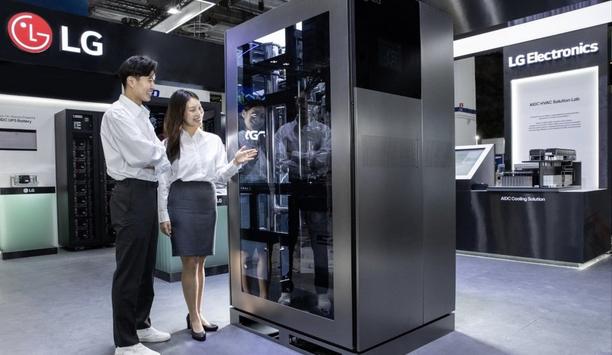
LG Electronics (LG), together with LG CNS and LG Energy Solution, is presenting its comprehensive portfolio of advanced data center technologies at Data Center World Asia (DCWA) 2025 in Singapore (October 8-9). Unified under the “One LG Solution” strategy, the three LG Group affiliates are collaborating to offer a complete lineup of products and services for next-generation AI data centers – covering thermal management, data center design and energy solutions. Integrated Solutions for AI Data Centers LG’s thermal management portfolio for large-scale, AI-focused data centers includes large-capacity chillers Created to meet growing global demand for AI infrastructure, One LG Solution positions LG as the first-choice strategic partner for data center operators seeking efficiency, scalability and sustainability. The approach combines LG’s cutting-edge cooling technologies, LG CNS’s expertise in data center design, construction and operations and LG Energy Solution’s battery systems into a single cohesive offering for high-performance data processing facilities. LG’s thermal management portfolio for large-scale, AI-focused data centers includes large-capacity chillers, direct-to-chip (DTC) cooling systems and computer room air handlers (CRAHs). Solutions such as the Coolant Distribution Unit (CDU) and Cold Plate are designed to provide precise temperature regulation for next-generation CPUs and GPUs, supporting stable and energy-efficient performance. Data Center Cooling Management System Enhanced by LG’s Data Center Cooling Management System and Digital Twin technologies, these solutions aim to support optimized operation and predictive maintenance. At DCWA, visitors can explore LG’s cooling innovations and experience augmented reality (AR) demonstrations showcasing the test-bed capabilities of LG’s facility in Pyeongtaek. LG CNS, a major AX (AI transformation) company in Korea, is spearheading the design, construction and management of next-generation AI data centers. Through its joint venture with Indonesia’s Sinar Mas Group, LG Sinarmas Technology Solutions, the company recently secured a major AI data center construction contract, which includes the deployment of LG’s inverter turbo chillers and other dedicated cooling systems. AI data center business One LG Solution’s integrated platform empowers global data centers to achieve operational resilience To accelerate its AI data center business, LG CNS is conducting proof-of-concept testing on immersion cooling, an advanced cooling technology, and has secured the “AI Box” (tentative name), a solution that consolidates all data center operational components into a container-sized unit. Leveraging its patented battery technologies, LG Energy Solution provides uninterruptible power supply (UPS) systems designed to maintain continuous and reliable energy availability. These systems offer robust support for data centers in managing operational stability amid increasing AI workloads and fluctuating energy demand. Bringing together the strengths and expertise of all three companies, One LG Solution’s integrated platform empowers global data centers to achieve operational resilience, energy efficiency, and scalability. LG’s Thermal and Energy Solutions The One LG Solution showcase at DCWA 2025 underscores LG’s innovation in thermal management solutions engineered for data center environments. The LG CDU, equipped with a high-efficiency inverter pump, provides scalability and considerable installation flexibility through its compact, modular design. The Cold Plate liquid cooling system, featuring advanced DTC technology, is designed to directly manage the high thermal loads of advanced chips in data center servers. Complementing these solutions, LG’s water-cooled chiller incorporates a magnetic bearing controller and oil-free centrifugal compressors, contributing to improved reliability and reduced energy consumption. The CRAH solution further enhances operational stability by reducing electricity usage and managing airflow effectively. Innovative direct current grid solution LG’s innovative direct current (DC) grid solution minimizes energy loss in data center operations. While traditional alternating current (AC) conversion can result in around 25 percent heat loss, LG’s DC grid reduces this to approximately 10 percent by enabling chillers to operate directly on DC power. Combined with high-efficiency inverter pumps and heat exchangers, the DC grid significantly improves power efficiency and contributes to lowering total operating costs. “One LG Solution is ready to reshape the global data center landscape with future-ready solutions from LG Electronics, LG CNS, and LG Energy Solution,” said James Lee, president of the LG ES Company. “With our leading thermal management systems, intelligent operation capabilities, and resilient power solutions, we can supply data center operators with everything they need to scale efficiently in the AI era.”

LG Electronics is expanding the global availability of its latest air-cooled Inverter Scroll Chiller, a next-generation HVAC solution that supports the worldwide shift toward low-Global Warming Potential (GWP) refrigerants and sustainable technologies. The new model adopts R32 refrigerant, which has a GWP approximately 70 percent lower than R410A. Designed as an inverter-driven heat pump system, the chiller delivers both chilled and hot water, making it suitable for mid-sized commercial buildings requiring reliable thermal management throughout the year. Reduction in energy consumption LG is continuing to expand the availability of the Inverter Scroll Chiller globally in 2025 Following initial launches in North America, Europe, and South Korea, LG is continuing to expand the availability of the Inverter Scroll Chiller globally in 2025. One notable installation at Garden Grove Elementary School in Winter Haven, Fla., replaced an aging 60-ton unit with three LG Inverter Scroll Chillers. The school has since seen an 18 percent reduction in energy consumption, along with quieter operation – also an important factor in its residential setting. LG’s latest Inverter Scroll Chiller “LG’s latest Inverter Scroll Chiller is designed to deliver high energy efficiency and flexible system management, allowing customers to meet real-world HVAC demands with confidence,” said LG Electronics ES Company President, James Lee. He adds, “This system exemplifies LG’s commitment to providing high-performance, reliable solutions that offer long-term value while contributing to a more energy-efficient and sustainable future.” High Energy Efficiency Inverter Scroll Chiller is designed to deliver prime energy efficiency under a span of operating conditions The new Inverter Scroll Chiller is designed to provide exceptional energy efficiency under a variety of operating conditions. Powered by LG’s All-Inverter compressor, which operates across a wide frequency range (30Hz to 120Hz), it offers high performance and reduced energy consumption even under partial load. LG’s proprietary HiPOR™ (High Pressure Oil Return) system enhances compressor efficiency by returning oil directly into the compression chamber, significantly reducing energy loss. As a result, the unit achieves an Integrated Part Load Value (IPLV) of up to 5.9. Select models also feature heat exchangers optimized for a broad water outlet temperature range, from 14 degrees Fahrenheit to 140 degrees Fahrenheit, offering flexibility for diverse applications. High Reliability for Year-Round Operation The chiller is built to support dependable performance across various seasons and climates. With twin All-Inverter compressors and vapor injection technology, the system maintains stable heating capacity even in extreme cold, modulating down to 20 percent load. In high ambient conditions, a refrigerant-cooled heat sink helps maintain operation at up to 126 degrees Fahrenheit offering a potential advantage over conventional air-cooled systems. LG’s corrosion-resistant Black Fin coating The system includes features, such as compressor backup, intelligent control logic, and sequential defrost To support uninterrupted operation under demanding conditions, the system includes features such as compressor backup, intelligent control logic, and sequential defrost. It also supports hot water output up to 140 degrees Fahrenheit, helping suppress Legionella bacteria growth and contributing to hygienic operation in facilities, such as spas, hotel,s and hospitals. For added durability in coastal or humid regions, the heat exchanger is treated with LG’s corrosion-resistant Black Fin coating. Comprehensive and Resilient Control System The chiller supports adaptable control options based on project size: Small installations can use an intuitive 5-inch Human Machine Interface (HMI) touch panel for on-site control, with remote installation supported up to 500 meters. Mid-sized projects benefit from LG’s ACP and AC Smart controllers, which support up to 10 units with features, such as scheduling, input/output linkage, and error tracking. Larger applications are supported by the LG Building Energy Control (BECON) CPM platform, which can coordinate up to 30 chillers and manage auxiliary devices like pumps, valves, and sensors to improve overall system efficiency. Reduce power consumption An integrated energy-saving algorithm helps reduce power consumption by up to 10 percent, while an auto-recovery feature restores previous settings after a power outage to help minimize downtime. Features such as compressor backup and sequential defrost contribute to continuous operation during maintenance. The chiller also operates at a low noise level of 68 dB, with a Silent Operation mode available for quieter performance during off-peak hours.

Global HVAC technology pioneer - LG Electronics continues to set new standards in HVAC training and customer service excellence with the launch of the Premier Service Champion Program, a new initiative designed to equip LG distributors and applied representatives with advanced technical knowledge, hands-on training, and cutting-edge industry resources. The program provides comprehensive education modules and expert-led workshops to enhance technical expertise and troubleshooting skills, raising technical support standards and helping to improve customer experiences across the industry and within local markets. LG HVAC solutions Distributors and applied agents in the program are essential in providing top-tier technical support Distributors and applied representatives in the program are essential in providing top-tier technical support, enabling LG HVAC solutions to be installed and maintained to the highest industry standards. Through Growth - Advance - Partnership (GAP) Planning, participants will also contribute to ongoing improvements in service quality and training. LG Premier Service Champion Program “The LG Premier Service Champion Program is a game-changer in HVAC technical support, showcasing LG’s commitment to top-tier service, innovation, and industry expertise,” said Mark Rogers, Director, Aftermarket Support, LG Electronics U.S.A. Air Conditioning Technologies. He adds, “This program helps to equip our partners with the skills and tools they need to deliver exceptional technical support and training for LG’s vast HVAC product line.” Program Highlights Advanced Technical Training: Participants will receive at least 40 hours of LG product training annually, covering installation, diagnostics, and servicing of LG HVAC products and controls. Exclusive Access to LG Support: Members will gain direct access to LG field service support, technical forums, and service bulletins to stay ahead of industry developments. On-Site & Remote Assistance: Service Champions will offer field support, ensuring seamless installation, and troubleshooting, of LG HVAC systems. Professional Recognition & Networking: Participants will be recognized for their expertise, gain access to exclusive industry events, and can join the LG Service Champion Recognition Program. Cutting-Edge Service Tools: Members who successfully complete program assessments will receive LG’s LGMV (LG Monitor ViewTM) Service Tool, enhancing diagnostic and troubleshooting capabilities.
Insights & Opinions from thought leaders at LG Electronics

Utility incentives are a useful tool to drive sales of high-efficiency HVAC equipment, like heat pumps, by reducing upfront costs (rebates) for consumers. This increases demand, stimulates technological innovation by manufacturers, and provides higher-value projects for contractors, ultimately accelerating the shift to energy-efficient systems. To elaborate on this topic, we asked our Expert Panel Roundtable: How can utility incentives benefit the HVAC market?
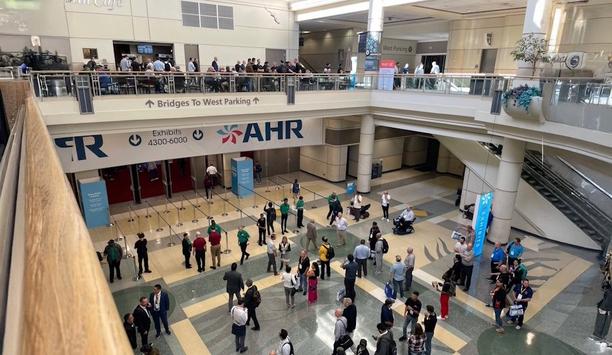
The HVAC Industry gathered in Orlando for AHR Expo 2025, focusing on the latest advancements in technology. Attendees included contractors, manufacturers, engineers, system design professionals, facility managers, architects, wholesalers, and distributors. This year’s expo highlighted game-changing innovations, regulatory shifts, and emerging trends designed to enhance efficiency, sustainability, and connectivity. For HVAC professionals, these developments translate into practical solutions that improve system performance, optimize energy use, and simplify compliance with evolving industry standards. The Next Phase of Refrigerant Transition The transition to A2L refrigerants is a dominant theme at this year’s expo, with major players such as Arkema, Chemours, LG Electronics, Rheem, Daikin, and others showcasing the latest refrigerants and equipment solutions. Following the deadline of Jan. 1, 2025, the shift from R-410A to R-32 and R-454B is well underway, with 80% of manufacturers opting for R-454B. While concerns about flammability persist, experts emphasize that proper training and system design can mitigate risks. LG Electronics' full product line Some OEMs opted for R-454B as an option that is closer to a “drop-in” solution Some OEMs opted for R-454B as an option that is closer to a “drop-in” solution. Daikin was among the manufacturers to go all-in on R-32, which required a complete redesign of product components, ultimately pioneering to more efficient, cost-effective systems, according to the company. LG Electronics' full product line now uses R-32 refrigerant, and they started shipping products in December. All R-410A equipment will be gone by the end of Q1. variety of products on R-454B refrigerant Rheem announced their 100-year anniversary, and a new tagline, "Engineered for Life." They say the trend is toward side-discharge heat pumps, although the industry needs a mix of both. They had a variety of products on display that use R-454B refrigerant. Attendees at AHR Expo 2025 came away with an understanding that refrigerant regulations and selecting compatible equipment will be crucial for ensuring smooth transitions in commercial and residential applications. Intelligent Building Automation and Controls Smart HVAC technology is revolutionizing building control, with AI-driven automation Smart HVAC technology is revolutionizing building management, with AI-driven automation, IoT connectivity, and remote monitoring taking center stage. Companies like Distech Controls and Schneider Electric are introducing IP-based controllers that integrate seamlessly with existing building management systems. Belimo’s intelligent butterfly valve and Delta’s Node-RED Programming with built-in Python support, among other products, are making automation more powerful and user-friendly. Copeland’s Sensi Touch 2 smart thermostat Copeland’s Sensi Touch 2 smart thermostat and Sensi equipment interface module (EIM) can eliminate the need to pull additional wires during installation. The system is weatherproof, indoor, or outdoor, and communicates using radio frequency (RF). AHR Expo 2025 made a strong case that investing in smart controls will improve operational efficiency, reduce downtime, and enable predictive maintenance. Hydronic Systems for Data Center Cooling One major player is Bell & Gossett/Xylem, whose hydronic cooling systems target data center market The rise of data center cooling solutions was another recurring theme at AHR. One prominent player is Bell & Gossett/Xylem, whose hydronic cooling systems target the data center market. The company’s e-1531X and e-1532X smart pumps offer enhanced energy efficiency and a larger "efficiency island." These systems are designed to meet the growing demand for sustainable data center cooling, providing a net-zero roadmap. As data center energy consumption rises, hydronic solutions offer a scalable, efficient approach to thermal management. Heat Pumps Expand Capabilities and Market Reach Heat pumps continue to dominate as a top energy-efficient alternative for commercial and residential applications. Companies such as Danfoss, Mitsubishi, and Samsung are pushing the boundaries with heat pumps that operate in extreme temperatures. Danfoss is progressing forward related to four application areas at AHR 2025--heat pumps, data centers, RTU/DOAS, and retail/refrigeration. Emphasis is on lower emissions and better energy efficiency. Midea drew a lot of attention at AHR 2025, including modular air handler Midea drew a lot of attention at AHR 2025, including their modular air handler – the EVOX G³ – that breaks down into three pieces for easy movement and installation in any of six configurations. They are also opening showrooms throughout the country so consumers and contractors can see and touch the products. Integration with renewable energy sources Johnson Controls-Hitachi mini-splits have a self-cleaning feature called FrostWash Johnson Controls-Hitachi Air Conditioning’s Hitachi mini-splits have a self-cleaning feature called "FrostWash;" they intentionally build a frost layer on the coil so the fine particulates can be captured and then melted away, thus avoiding mold and other contaminants. It can be used in lieu of UV light, which damages plastics. The heat pump market is growing rapidly, and advancements in low-temperature performance and integration with renewable energy sources will drive adoption. The Drive Toward Sustainability Sustainability is a recurring theme at the expo, with manufacturers prioritizing energy-efficient equipment, smart automation, and low-GWP refrigerants. Companies like Lennox, and Rheem are launching highly efficient packaged rooftop units and unitary heat pump systems. Grundfos’s distributed pumping technology and Ziehl-Abegg’s ZAcore intelligent control platform further demonstrate the industry's push toward lower energy consumption and minimal environmental impact. Investing in sustainable HVAC technologies Availability is paramount, and they are opening a new factory in Mexico Lennox is serving the "emergency replacement" market for HVAC equipment with their Xion line. Availability is paramount, and they are opening a new factory in Mexico. Telling the "story" of humidification at AHR 2025, Condair has products for any vertical. They say more education and awareness are needed on the value of humidification. As regulations tighten and demand for green building solutions rises, investing in sustainable HVAC technologies will be critical for long-term success. Smarter, Cleaner, and More Efficient AHR Expo 2025 underscores the industry's shift toward smarter, cleaner, and more efficient HVAC solutions. Whether it’s refrigerant transitions, intelligent automation, or advanced heat pump technology, staying ahead of these trends will help HVAC professionals deliver superior performance while meeting regulatory requirements. The innovations showcased in Orlando set the stage for a future where HVAC systems are not only more efficient and environmentally friendly but also easier to manage and integrate into modern buildings.

The U.S. Department of Energy (DoE) Commercial Heat Pump Accelerator program is designed to enhance building efficiency and electrification. Running from 2024 through 2027, the program aims to overcome adoption barriers, promote advanced heat pump technologies, and create sustainable solutions for HVAC professionals. Compared with conventional packaged rooftop units (RTUs) with natural gas heating, heat pump RTUs are estimated to reduce greenhouse gas emissions and energy costs by up to 50%. For those in the HVAC industry, this program is an opportunity to boost operational efficiency, align with emerging sustainability standards, and unlock new business. Transforming Commercial HVAC with Heat Pumps Known for their dual heating and cooling abilities, heat pumps save energy compared to conventional HVAC systems The DoE’s program centers on accelerating the adoption of high-efficiency heat pumps for space conditioning and water heating. By working collaboratively with stakeholders—including manufacturers, utilities, and facility managers—the initiative seeks to integrate energy-efficient solutions into commercial buildings nationwide. Known for their dual heating and cooling capabilities, heat pumps save energy compared to conventional HVAC systems. The Accelerator program prioritizes cutting-edge systems to lower energy consumption and operating costs for businesses. As decarbonization becomes a global priority, electrification of HVAC systems is also key. By reducing reliance on fossil fuels, heat pumps contribute to a cleaner energy future. Practical Benefits for Professionals For HVAC professionals, the program provides a framework to explore new markets and enhance service offerings. With the Accelerator program’s emphasis on efficiency, HVAC professionals can help clients reduce energy bills, providing a tangible ROI for heat pump installations. Participants in the program also gain access to technical guidance, best practices, and case studies, fostering skills to implement heat pumps effectively. As building owners seek energy-efficient solutions, HVAC professionals are positioned as experts in heat pump technology in order to gain a competitive edge. Success of the residential challenge The retail program is a growth of an earlier program related to residential technologies The commercial program is an expansion of an earlier program related to residential technologies. Last fall, the U.S. Department of Energy (DOE) announced that eight manufacturers in the Residential Cold Climate Heat Pump Challenge completed rigorous product field testing to demonstrate energy efficiency and improved performance in cold weather. Bosch, Carrier, Daikin, Johnson Controls, Lennox, Midea, Rheem, and Trane Technologies participated in the residential challenge. Cold climate heat pumps (CCHPs) developed as part of the challenge will soon enter commercial production, manufacturers say. Building upon the success of the residential challenge, DOE is now working with nine heat pump manufacturers to advance rooftop units (RTUs) for commercial buildings through a new technology challenge. Commercial Building Heat Pump Challenge Expanding with the Commercial Building Heat Pump Challenge through its Better Buildings program, DoE is now working with heat pump manufacturers AAON, Addison, Carrier, Daikin, Johnson Controls, Lennox, LG, Rheem, and Trane Technologies to improve the energy efficiency and performance of RTUs in cold weather. The manufacturers will partner with DoE and national laboratories to create prototypes and test product performance and durability. They will then lead field validations with Better Buildings partners, including Amazon, General Motors, Ikea, the Los Angeles Unified School District, Target, Whole Foods, and others. Tackling Challenges in Heat Pump Adoption The DoE program recognizes common challenges HVAC professionals face in promoting commercial heat pump adoption and provides strategic solutions. Cost Barriers: The upfront cost of heat pumps can deter clients. The program encourages collaboration with utilities to offer incentives and financing options, making the transition more affordable. Performance in Cold Climates: Heat pumps have historically underperformed in colder regions. By focusing on technological advancements, the Accelerator addresses performance issues, ensuring systems work efficiently even in extreme weather. Workforce Training: To ensure seamless implementation, the DoE supports workforce development through training programs, thus empowering HVAC professionals to deliver high-quality installations. A Collective Push for Change The Accelerator agenda thrives on alliances, leveraging the expertise of diverse stakeholders The Accelerator program thrives on partnerships, leveraging the expertise of diverse stakeholders. For manufacturers and innovators, the program promotes advanced heat pump technologies that meet the diverse needs of commercial buildings. For utilities and energy providers, there are incentives to encourage adoption and offset initial costs. Building owners and facility managers can benefit from sharing insights and case studies to demonstrate the practical benefits of heat pumps in real-world scenarios. In general, HVAC professionals can benefit by staying connected to these networks, keeping abreast of new technologies and customer-centric solutions. Heat Pumps and a Greener Future Heat pumps align with global efforts to reduce carbon emissions and meet regulatory requirements. For HVAC professionals, this means not only improving the environmental impact of their services but also helping clients achieve compliance with evolving energy codes and standards. The DoE’s Commercial Heat Pump Accelerator program offers HVAC professionals a clear path to embrace innovation, improve energy efficiency, and secure a leadership position in a rapidly changing marketplace. By participating in the program, HVAC experts can drive the industry forward while enhancing their businesses and delivering meaningful value to clients. As the HVAC landscape evolves, those who seize this opportunity will not only adapt but thrive, setting new benchmarks for efficiency and sustainability in the years to come.


